

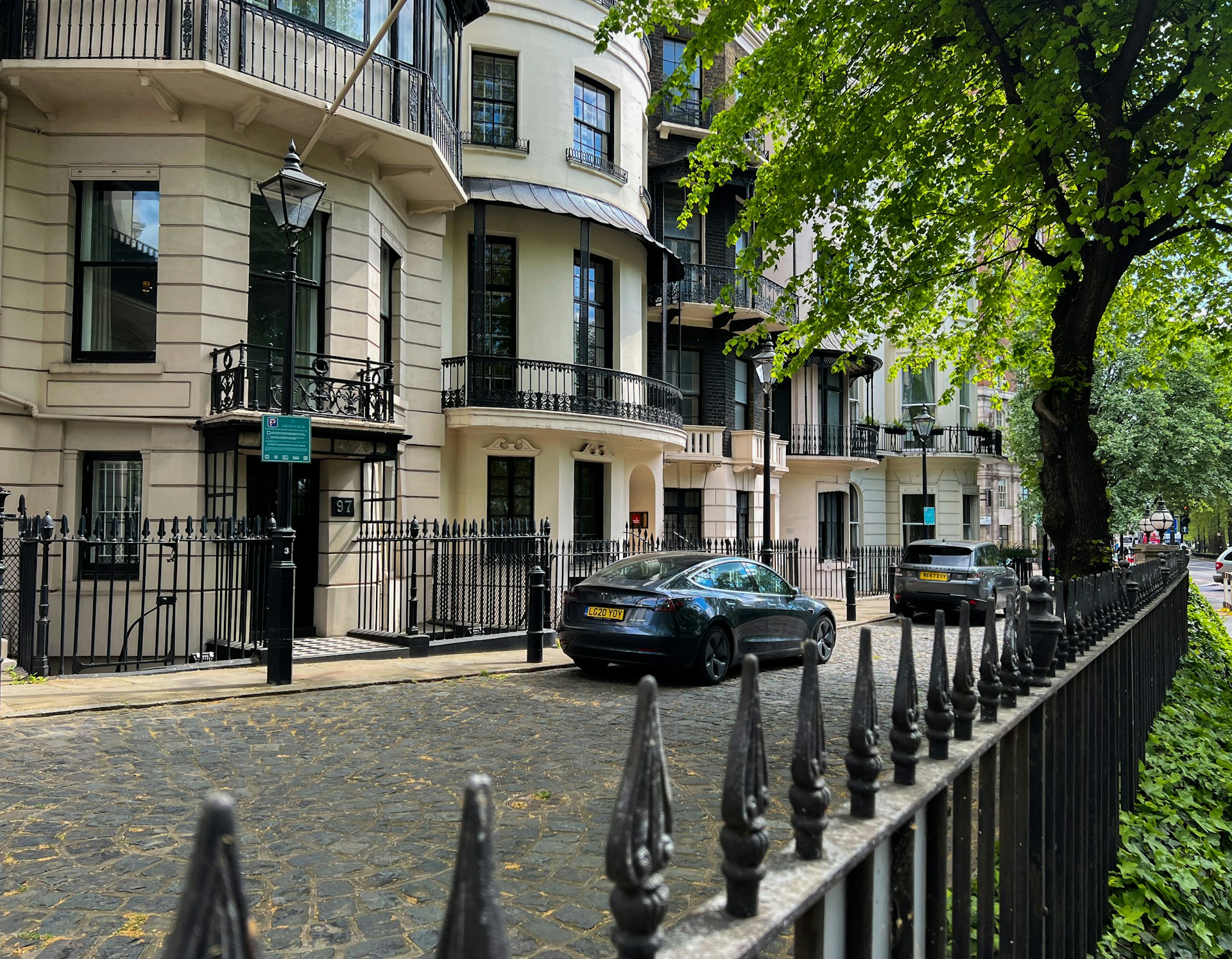
Whether you are a professional relocating for work, a student looking for proximity to world-class universities, or a family seeking a temporary home in a vibrant neighborhood, finding houses for rent in London requires speed, preparation, and a keen eye for detail.
This guide provides expert insight into one of the world’s most competitive rental landscapes, helping you move from browsing listings to signing a tenancy agreement with confidence.
Why London Remains a Global Magnet for Renters
London’s rental market is the lifeblood of the city. While the sales market often focuses on “bricks and mortar” as an asset, the rental market is about lifestyle flexibility. London continues to attract a global workforce and creative talent because it offers something few other cities can: a blend of historic charm and cutting-edge innovation.
For many, renting in London is a strategic choice. It allows residents to live in prestigious postcodes like Maryfair, Chelsea, or Kensington without the massive capital outlay required for a purchase.
Furthermore, the city’s vast transport network—including the Elizabeth Line and the iconic Underground—means that even if you choose a more affordable house for rent in the outer boroughs, the heart of the city remains within easy reach.
Diverse Housing Stock: What Can You Rent?
London does not have a “one size fits all” housing style. Depending on the borough, the type of home you rent will dictate your daily experience:
- Victorian and Edwardian Terraces: Extremely popular in areas like Clapham, Islington, and Fulham. These often provide high ceilings and period features. Many are split into “conversion flats,” but full houses are available for families seeking a garden.
- Purpose-Built Modern Apartments: Dominating the skylines of Canary Wharf and Nine Elms, these are ideal for those who want concierge services, on-site gyms, and “plug-and-play” living.
- London Townhouses: Found in elegant squares in Belgravia or Bloomsbury, these multi-story homes offer grand living spaces and a sense of historic prestige.
- Mews Houses: Tucked away behind main streets, these former carriage houses are now some of the most sought-after rental properties in London, offering privacy and a “village feel” in the center of the city.
Understanding the Market: The “Rent Race”
The London rental market moves significantly faster than the sales market. While a house sale can take months, a desirable house for rent in London can be listed and let within 24 to 48 hours.
Pricing and Zones
London is divided into “Zones,” with Zone 1 being the center. Generally, the further you move from the center, the lower the rent—but you must factor in the cost of a monthly Travelcard.
- Prime Central London (PCL): High demand, premium pricing, and often attracts international corporate tenants.
- Emerging Hubs: Areas like Peckham, Hackney, and Walthamstow have seen rental prices rise as they become cultural hotspots for young professionals.
Inventory Fluctuations
Summer (July to September) is the busiest time for the rental market due to the academic year and corporate relocation cycles. If you are looking for more negotiating power, searching in the quieter winter months (November to January) can sometimes yield better deals.
How to Begin Your Search
In a market this fast, being “ready” is more important than being “interested.”
- Use Specialized Portals: Start with the big aggregators like Rightmove and Zoopla, but don’t overlook OpenRent (for direct-to-landlord listings) or Spotahome (for mid-term stays).
- Set Up Instant Alerts: You cannot afford to check once a day. Set your filters and enable push notifications so you can request a viewing the moment a property hits the market.
- The Virtual Advantage: For international renters, virtual tours are a lifesaver. However, if you are on the ground, try to view properties in person to check for things like water pressure, noise levels, and the general condition of the neighborhood.
Essential Tips for Renting in London
Navigating the legal and financial side of renting in the UK is vital to ensure you are protected.
- Prepare Your “Rental Bio”: Before you even see a house, have your references, proof of employment, and ID ready. Landlords often choose the tenant who can provide their paperwork the fastest.
- The 5-Week Deposit Rule: In England, security deposits are legally capped at five weeks’ rent for properties with an annual rent under £50,000. Ensure your landlord or agent uses a government-approved Tenancy Deposit Scheme (TDS).
- Factor in Council Tax: Unlike many other countries, the tenant is usually responsible for paying Council Tax to the local borough. This can add £100–£300 to your monthly expenses, so check the “band” of the property before signing.
- Right to Rent Checks: Landlords are legally required to check your immigration status or “Right to Rent” in the UK. Have your passport or share code ready to avoid delays.
- Understand the Break Clause: Most Assured Shorthold Tenancies (AST) are for 12 months, but you can negotiate a “break clause” (usually at 6 months). This gives you the flexibility to leave early if your circumstances change.
Conclusion
Finding a house for rent in London is an intense but rewarding journey. While the competition is fierce, the reward is living in one of the most culturally rich and economically powerful cities on earth. By treating your search with the same diligence as a business transaction—staying organized, moving quickly, and understanding your rights as a tenant—you can secure a home that serves as the perfect base for your London adventure.
Balance your budget with your commute, stay proactive with your alerts, and lean on reputable letting agents to guide you through the paperwork. The London rental market rewards those who are prepared to act.

Journalist Chloe Rivera studied at the University of Missouri and has covered mindful, stylish living since 2013. She joined us in 2025 to curate realistic routines, budget-friendly décor, and community stories that help readers craft balance without perfection pressure. When offline, Chloe volunteers at urban farms, photographs street style, and hosts weekend swap parties for preloved clothes and books in her neighborhood.