
Older heating systems often struggle to keep rooms warm at the same level. They also use more fuel than necessary because parts wear out and airflow becomes uneven. A new furnace can solve these issues by delivering steadier heat, stronger efficiency, and lower energy waste throughout the season.
How Modern Furnaces Improve Comfort
A new furnace affects how heat moves through the home. Several updates in design help create a smoother and more comfortable heating experience.
Variable-Speed Blowers for Steadier Warmth
Many older furnaces turn on at full power, run for a short burst, then shut off again. This cycle can lead to warm and cool spots that change throughout the day. A variable-speed blower works at different speeds to match the home’s needs. It increases airflow slowly when the furnace starts and reduces speed as the temperature reaches the thermostat setting. This helps maintain a steady indoor climate and avoids harsh blasts of air.
Better Heat Exchangers and Airflow
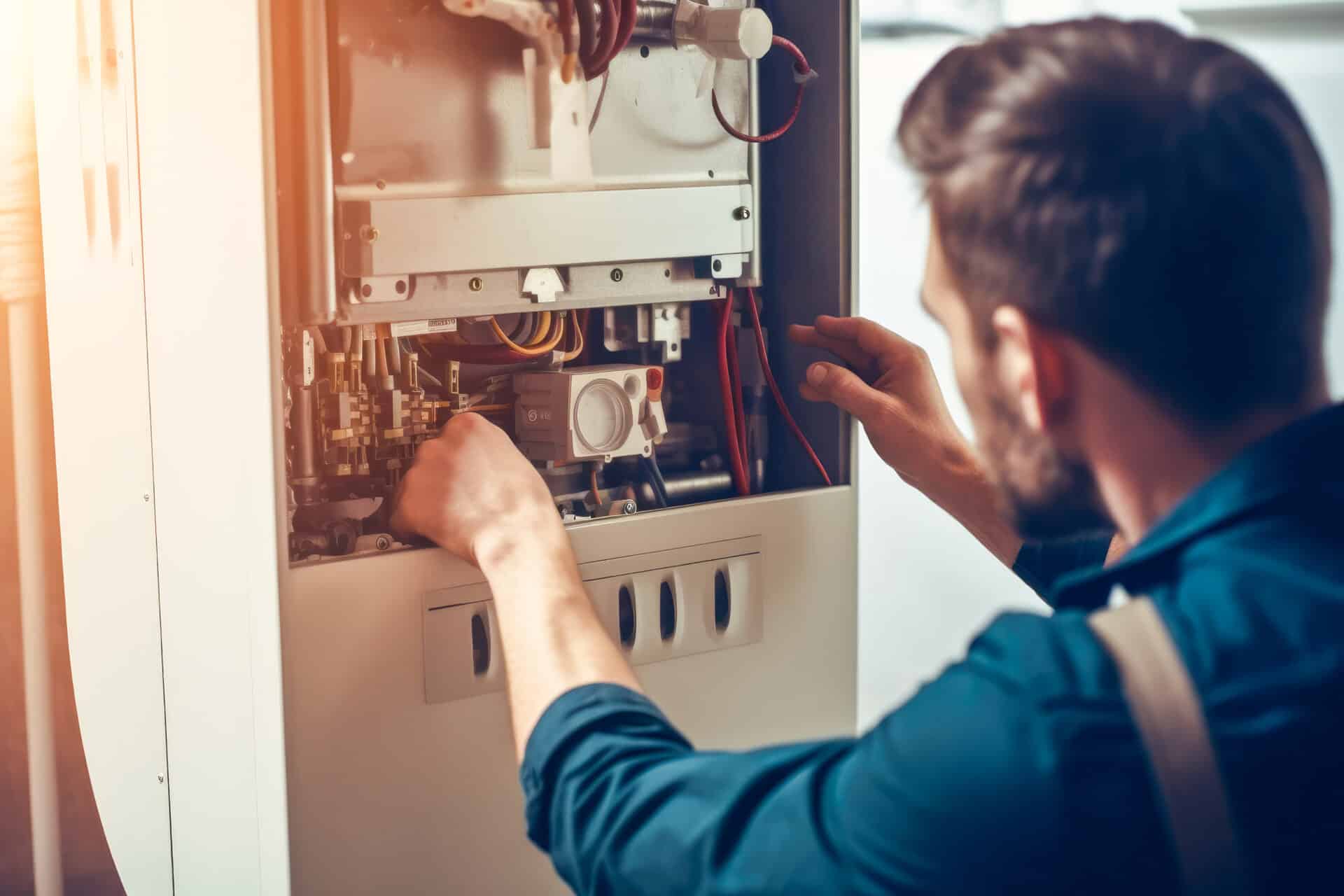
Modern heat exchangers are built to transfer heat more effectively. They warm air faster and keep the temperature more stable as it travels through the ducts. Improved airflow also helps reduce noise. Many homeowners notice that their homes feel more balanced, especially during longer heating cycles. However, even the best furnace design cannot deliver its full potential if it is installed incorrectly. Many homeowners worry about uneven heat, higher bills, or safety issues that come from poor setup, which is why working with professional furnace installation services can help ensure the new system runs as intended.
Energy Efficiency Gains With a New Furnace
New heating equipment focuses on reducing energy loss. These improvements can lead to noticeable savings and a more dependable heating system.
Comparing Efficiency by Furnace Type
Different fuel sources and furnace designs affect how much energy the system uses. Here is how the most common furnace types compare:
- Natural gas furnace: Often delivers strong efficiency and steady heating performance. High-efficiency models use most of their fuel instead of losing it through the exhaust.
- Electric furnace: Offers long service life and simple maintenance. However, operating costs depend heavily on electricity rates in the area.
- Oil furnace: Produces strong heat but usually requires more upkeep and has higher fuel costs compared to other types.
Fuel Type and Its Impact on Energy Use
Fuel type shapes a furnace’s long-term operating cost. Natural gas is a popular option because it tends to be efficient and cost friendly in colder areas. Electric systems can work well in regions with mild winters or homes that produce part of their electricity through solar.
Oil furnaces still serve some homes, but many households choose to switch later due to rising fuel expenses and more frequent maintenance needs. Selecting the right fuel type helps ensure the furnace can heat the home effectively without unnecessary energy use.
Smart Thermostats and HVAC System Controls
 Smart thermostats and advanced HVAC controls help the furnace run more efficiently. They adjust heating schedules based on daily routines and outdoor temperatures. They fine tune run times to avoid using more heat than needed.
These controls help the furnace maintain stable temperatures without turning on and off too often. Short cycling increases energy use and causes early wear on parts. By managing run times more carefully, smart thermostats help lower energy bills and support smoother heating throughout the home.
Some models also send alerts when filters need attention. Clean filters keep airflow strong and prevent the furnace from working harder than necessary.
Heat Pumps as an Alternative or Add-On
Heat pumps are becoming more common because they move heat instead of creating it. This approach can be energy friendly in many climates. A heat pump can warm a home during cooler months and provide cooling during summer.
Hybrid Systems
Some homes use a hybrid setup. The heat pump handles heating during mild days. When temperatures drop, the gas furnace takes over. This combination helps reduce energy use for much of the year while still maintaining strong heating performance in colder conditions.
Lower Energy Bills and Long-Term Savings
Upgrading a furnace can lead to lower heating costs soon after installation. New equipment uses fuel more effectively and avoids the strain older units face. When the furnace runs at steady speeds and maintains airflow more efficiently, it uses less energy to reach the same temperature.
These improvements also help extend the lifespan of the heating system. Fewer breakdowns and fewer repair visits lead to additional savings over time. Homeowners often find that energy savings and reduced maintenance make the furnace upgrade a valuable long-term investment.
Tax Credits and Incentives for Heating Upgrades
Many homeowners benefit from tax credits and rebates when upgrading heating systems. These include tax credits for qualifying natural gas furnaces, heat pumps, and related HVAC equipment. Local utilities may also offer rebates for equipment that meets specific efficiency standards.
These incentives help lower the cost of installation. When combined with monthly energy savings, they make the upgrade more affordable and more appealing.
What To Consider Before Replacing a Furnace
Planning a furnace replacement involves more than choosing a model. Several factors guide the final decision.
Installation Costs and Labor Costs
The cost of installation depends on the size of the furnace, the fuel type, and any updates required for the home. Duct adjustments, vent changes, or new electrical connections can add to the total. Labor is a large part of the cost, especially when old equipment must be removed or the layout needs changes.
Choosing the Right Furnace Type
Selecting a furnace requires matching the equipment to the home’s heating load. A system that is too large may turn off too quickly and create uneven warming. A system that is too small may run more often than it should. Features like variable-speed blowers and smart thermostat compatibility also influence comfort and future energy use.
Reviewing these details before installation helps ensure the furnace performs well over the long term.
Conclusion
A new furnace brings steadier warmth, stronger efficiency, and lower energy waste. Modern designs, better airflow, and smarter controls all contribute to a more comfortable and cost-efficient home. Upgrading heating equipment is a practical way to improve comfort and reduce energy use throughout the colder months.

Holding a Master’s in Construction Management from Purdue University, William Ray has dedicated more than two decades to studying and applying construction principles. His professional journey includes a tenure with a prominent construction firm, where he specialized in project management and building technologies. William brought his knowledge to our team, providing in-depth insights into practical construction techniques. As the leader of our beginner’s guide to building since 2019, he has a knack for breaking down intricate processes into easily digestible content. When not involved in writing or onsite consultations, William enjoys woodworking and volunteering in community building projects, which aligns with his passion for hands-on construction and community service.