
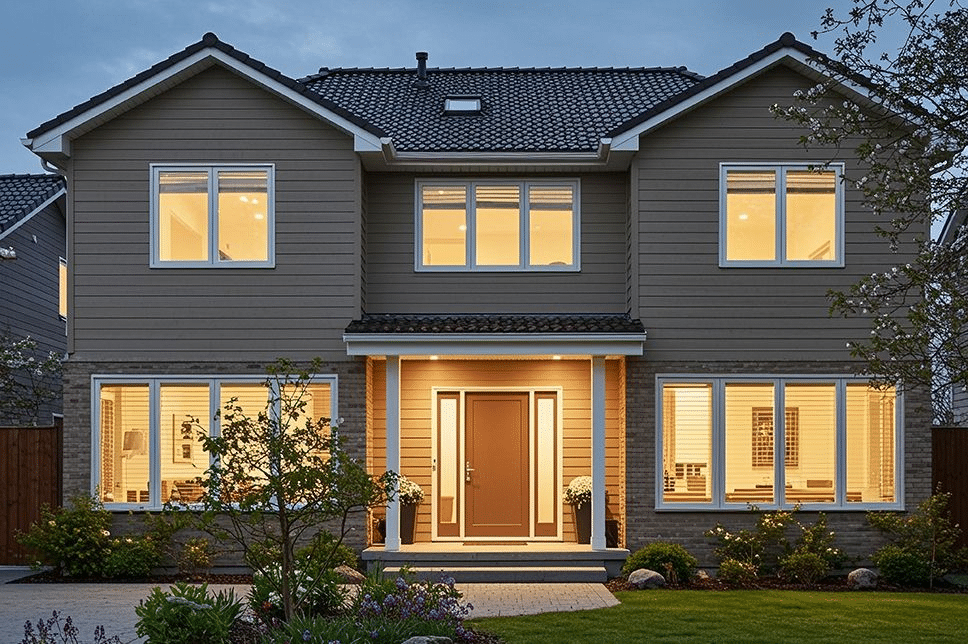

Many homeowners focus on insulation, HVAC systems, and roofing when thinking about comfort. However, windows play a much larger role than most people realize. Older, inefficient windows often allow drafts, heat loss, and inconsistent temperatures throughout the home. Upgrading to energy-efficient Replacement Windows can significantly improve indoor comfort while also supporting long-term energy savings.
Understanding how modern window technology works helps explain why this upgrade makes such a noticeable difference.
The Role Windows Play in Indoor Comfort
Windows are one of the most common sources of energy loss in a home. Poor sealing, outdated glass, and worn frames can allow outside air to enter while indoor air escapes. This exchange makes heating and cooling systems work harder to maintain consistent temperatures.
When windows perform efficiently, they act as a barrier between indoor and outdoor conditions. This helps stabilize temperatures and create a more comfortable living environment year-round.
Reducing Drafts and Cold Spots
One of the first improvements homeowners notice after installing replacement windows is the reduction of drafts. Older windows often develop gaps around the frame or lose their insulating properties over time.
Energy-efficient windows help by:
- Providing tighter seals around frames
- Using advanced weatherstripping materials
- Incorporating insulated glass units
These features reduce cold spots near windows, making rooms feel more evenly heated during winter months.
Better Temperature Consistency
Temperature fluctuations can make certain rooms feel uncomfortable, especially those facing direct sunlight or exposed to strong winds. Modern replacement windows are designed to minimize heat transfer.
Features that improve consistency include:
- Double or triple-pane glass
- Low-emissivity (Low-E) coatings
- Gas-filled spaces between panes
These technologies limit the amount of heat that enters or escapes, helping maintain a steady indoor climate.
Improved Energy Efficiency
Energy-efficient replacement windows contribute to overall household efficiency. By reducing unwanted heat gain in summer and heat loss in winter, they help lower the demand placed on heating and cooling systems.
This can lead to:
- Reduced energy usage
- More balanced indoor temperatures
- Greater comfort without constant thermostat adjustments
While windows alone do not determine energy costs, they play a significant role in overall performance.
Enhanced Natural Light Without Excess Heat
Many homeowners worry that energy-efficient windows might reduce natural light. In reality, modern designs allow sunlight to enter while controlling excess heat.
Low-E coatings reflect infrared heat while allowing visible light to pass through. This means homeowners can enjoy bright, naturally lit rooms without experiencing overheating during warmer months.
Noise Reduction Benefits
Comfort extends beyond temperature. Noise from traffic, neighbors, or outdoor activity can affect how peaceful a home feels.
Replacement windows with multiple panes and insulated frames can help reduce outside noise infiltration. This creates a quieter, more relaxing indoor environment.
Improved Indoor Air Quality
Older windows can allow dust, pollen, and outdoor pollutants to enter through small gaps. When windows are sealed properly, air exchange is more controlled.
Energy-efficient replacement windows help by:
- Minimizing unwanted air leaks
- Supporting better ventilation planning
- Reducing moisture intrusion
This contributes to a healthier indoor environment.
Protection Against Condensation
Condensation often forms on outdated windows during cold weather. Over time, this moisture can damage frames, walls, and surrounding materials.
Modern replacement windows are designed with better thermal performance, reducing temperature differences between indoor air and glass surfaces. This helps limit condensation buildup and protects interior finishes.
Increased Comfort in All Seasons
Energy-efficient windows are not just for winter performance. During summer months, they help block excessive solar heat, preventing rooms from becoming overly warm.
Seasonal benefits include:
- Warmer interiors during winter
- Cooler spaces during summer
- Reduced strain on HVAC systems
This year-round improvement contributes to consistent home comfort.
Long-Term Performance and Durability
Newer window materials are designed for durability. Vinyl, fiberglass, and advanced composite frames resist warping, cracking, and weather damage.
Long-lasting materials help ensure that replacement windows continue to provide comfort benefits for many years without frequent repairs or adjustments.
Supporting Overall Home Value
In addition to improving comfort, energy-efficient replacement windows often enhance overall property value. Homebuyers frequently look for upgrades that reduce long-term operating costs and improve living conditions.
While comfort is the primary benefit for many homeowners, the added value can be an important consideration.
Is It Time to Consider Replacement Windows?
Signs that windows may need replacement include:
- Drafts or noticeable air leaks
- Difficulty opening or closing
- Condensation between glass panes
- Rising heating or cooling bills
Addressing these issues can make a significant difference in daily comfort.
Final Thoughts
Windows are a critical part of any home’s comfort system. Energy-efficient replacement windows help reduce drafts, improve temperature consistency, limit noise, and enhance overall indoor living conditions. By minimizing heat transfer and improving insulation, they create a more stable and enjoyable environment throughout the year.
If you are exploring ways to make your home more comfortable and energy efficient, learning about modern replacement window options is a practical and worthwhile first step.

With a Master in Architectural Studies from University of Pennysylvania, Marwa Haydar has pioneered living spaces since 2005. Her expertise, initially honed in a prestigious architectural firm, is evident in her approach to creating environments. Marwa became part of our team in 2019 and has since been a driving force in our home improvement section, known for her practical yet stylish solutions. She’s been spearheading our design workshops since then, infusing her passion for teaching into her work. In her leisure time, Marwa enjoys exploring historic architecture and is an enthusiastic pottery hobbyist, further enriching her understanding of form and texture.