
Replacing a roof is not something most homeowners want to do more than once.
It affects safety, comfort, insurance, resale value, and long-term costs.
Because of this, all of us ask one core question before choosing a roofing material: how long does a metal roof last?
Metal roofing has gained popularity because it promises durability, weather resistance, and a much longer lifespan than traditional asphalt shingles.
But lifespan is not a single number. It depends on the type of metal, installation quality, climate, and maintenance.
This guide explains the lifespan of a metal roof, how systems differ, and how climate and insurance play a role.
How Long Does a Metal Roof Last on a House?
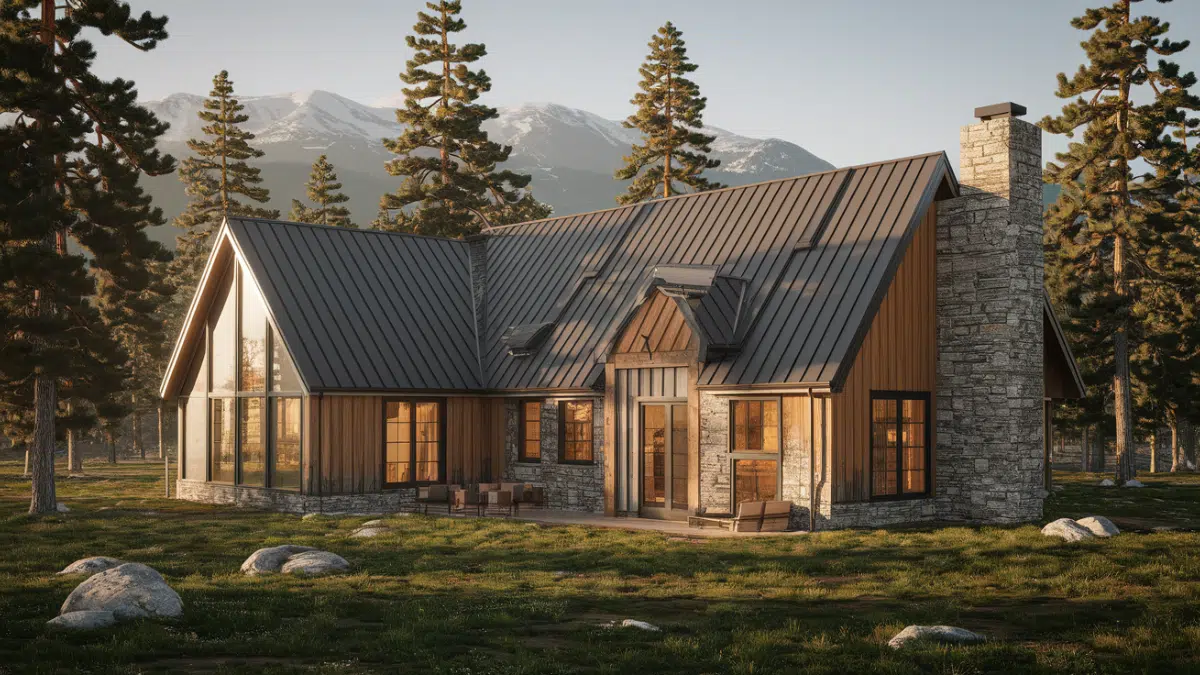
A properly installed metal roof typically lasts 40 to 70 years, and in some cases even longer.
High-quality systems, such as standing seam metal roofs or premium materials like copper and zinc, can last 80 years or more.
This is significantly longer than asphalt shingle roofs, which usually last 15 to 30 years, depending on quality and climate.
Many homeowners replace shingle roofs two or three times during the lifespan of one metal roof.
The long service life of metal roofing comes from its resistance to rot, insects, fire, and moisture damage.
Metal does not absorb water, crack from freeze-thaw cycles, or degrade the way organic materials do.
However, lifespan is not guaranteed by material alone. Installation errors, poor ventilation, or neglect can shorten even the best metal roof’s life.
How Long Does a Metal Roof Last in Florida?
In Florida, metal roofs often last 40 to 60 years when properly installed and maintained. Heat, humidity, salt air, and hurricanes create a demanding environment.
Standing seam aluminum or coated steel roofs are commonly used because they resist corrosion and high winds better than shingles.
Lifespan of Different Types of Metal Roofs

Not all metal roofs last the same amount of time. The system design and metal type play a major role in durability.
1. Standing Seam Metal Roofs
Average lifespan of Standing Seam Metal Roofs: 50 to 70 years (often longer with proper maintenance) |
Standing seam metal roofs are one of the longest-lasting residential roofing systems available.
Panels lock together with concealed fasteners, which reduces exposure to moisture and temperature movement.
Because fasteners are hidden, there is less risk of leaks over time. This is why standing seam roofs are commonly used on high-end homes and commercial buildings.
2. Exposed Fastener and Corrugated Metal Roofs
Average lifespan: 30 to 45 years |
These systems use screws with rubber washers that penetrate the metal panels.
Over time, fasteners can loosen due to expansion and contraction. Washers may dry out and need replacement, which affects long-term performance.
3. Metal Roofing Materials and Longevity
Steel (galvanized or Galvalume): 40–60 years Aluminum: 50+ years, excellent corrosion resistance Zinc: 70–100 years with proper conditions Copper: 80–100+ years, develops protective patina |
Each material ages differently and reacts to weather in its own way.
Coatings, panel thickness, and installation quality can significantly extend or shorten the lifespan, even within the same material category.
Material choice matters most in coastal, high-humidity, or extreme-weather environments where corrosion and expansion are constant factors.
How Climate Affects Metal Roof Lifespan?
Where a home is located plays a major role in how long a metal roof lasts.
1. Hot and Sunny Regions: Metal roofs perform well in heat. They reflect solar radiation and resist UV breakdown, unlike asphalt shingles that dry out and crack.
Proper ventilation is important to prevent heat buildup under the roof system.
2. Cold and Snowy Climates: Metal roofs shed snow efficiently, reducing ice dam formation. Their smooth surface allows snow to slide off instead of accumulating.
This helps extend roof life and reduces structural stress.
3. Coastal and High-Salt Areas: Salt air can accelerate corrosion, especially on steel roofs. Aluminum, zinc, or specially coated steel performs better in these regions.
Material selection is critical near oceans.
How Long Does a Metal Roof Last for Insurance Purposes?

Insurance companies do not rely on age alone. They evaluate condition, material, and installation quality.
In many states, insurers consider a metal roof insurable for 40 to 50 years or more, provided inspections show no major defects.
Some insurers offer discounts for metal roofs due to fire resistance and wind performance. In hurricane-prone areas, metal roofs may qualify for wind mitigation credits if installed to code.
Regular inspections and documentation help extend insurability, regardless of roof age.
Advantages and Disadvantages of Metal Roofs
Metal roofing offers long-term performance benefits, but it also comes with trade-offs that homeowners should understand before making a decision.
| Aspect | Advantages | Disadvantages |
|---|---|---|
| Lifespan | Lasts significantly longer than asphalt roofs | Higher upfront investment |
| Durability | Resists fire, rot, insects, and mold | Softer metals may dent from hail or debris |
| Weather performance | Performs well in high winds and sheds snow easily | It can be noisy during heavy rain without proper insulation |
| Maintenance | Requires less frequent replacement | Repairs often need skilled professionals |
| Energy efficiency | Reflective coatings help reduce cooling costs | Not all coatings perform well in every climate |
| Environmental impact | Often made from recycled materials and fully recyclable | Energy use during manufacturing can be higher |
| Climate limitations | Performs well in most regions | Salt exposure can cause corrosion in coastal areas |
Is a Metal Roof Worth It Based on Lifespan?
A metal roof is generally worth the investment for homeowners who plan to stay in their home long term or want a roofing option that minimizes future replacements.
With an average lifespan of 40 to 70 years, a metal roof often outlasts asphalt shingles by two to three decades.
This long service life makes metal roofing especially valuable in areas that face harsh conditions, such as strong winds, heavy snow, hail, or frequent temperature changes.
In regions with wildfire risk, metal roofs also add an extra layer of protection because they are noncombustible.
Homeowners in high-risk zones may see insurance benefits or fewer claims over time due to the roof’s durability.
While the upfront cost is higher, metal roofs can reduce long-term expenses related to repairs, replacements, and energy use.
For short-term ownership or strict budgets, asphalt shingles may still seem appealing, but they often require multiple replacements over the same period.
Over time, the durability and lower maintenance of a metal roof can make it a more practical and cost-effective choice.
The Bottom Line
A metal roof is built for homeowners who want long-term reliability rather than frequent replacements.
Its lifespan depends on more than just the material; installation quality, climate exposure, roof design, and ongoing care all play a role.
While metal roofing costs more upfront, it often delivers value over decades through durability, weather resistance, and reduced maintenance needs.
In demanding environments like high-wind, snowy, or wildfire-prone areas, its performance advantages become even more noticeable.
However, factors such as noise, denting, and coastal corrosion should be weighed carefully.
The best roofing choice balances longevity, location, budget, and expectations, ensuring the roof supports the home well into the future.

Holding a Master’s in Library and Information Science from the University of Illinois, Josh Clarke has dedicated more than 15 years to managing and disseminating information across various platforms. His professional journey includes significant experience as a research librarian, where he developed an expertise in sourcing and providing accurate and comprehensive answers to diverse questions. In 2018, Josh brought his rich experience to our platform, quickly establishing himself as a reliable source for general FAQs. He has been overseeing our information curation since then, combining his research skills with a flair for engaging content delivery. When not involved in information management, Josh enjoys exploring digital photography and participating in local quiz competitions, hobbies that complement his inquisitive nature and love for learning.