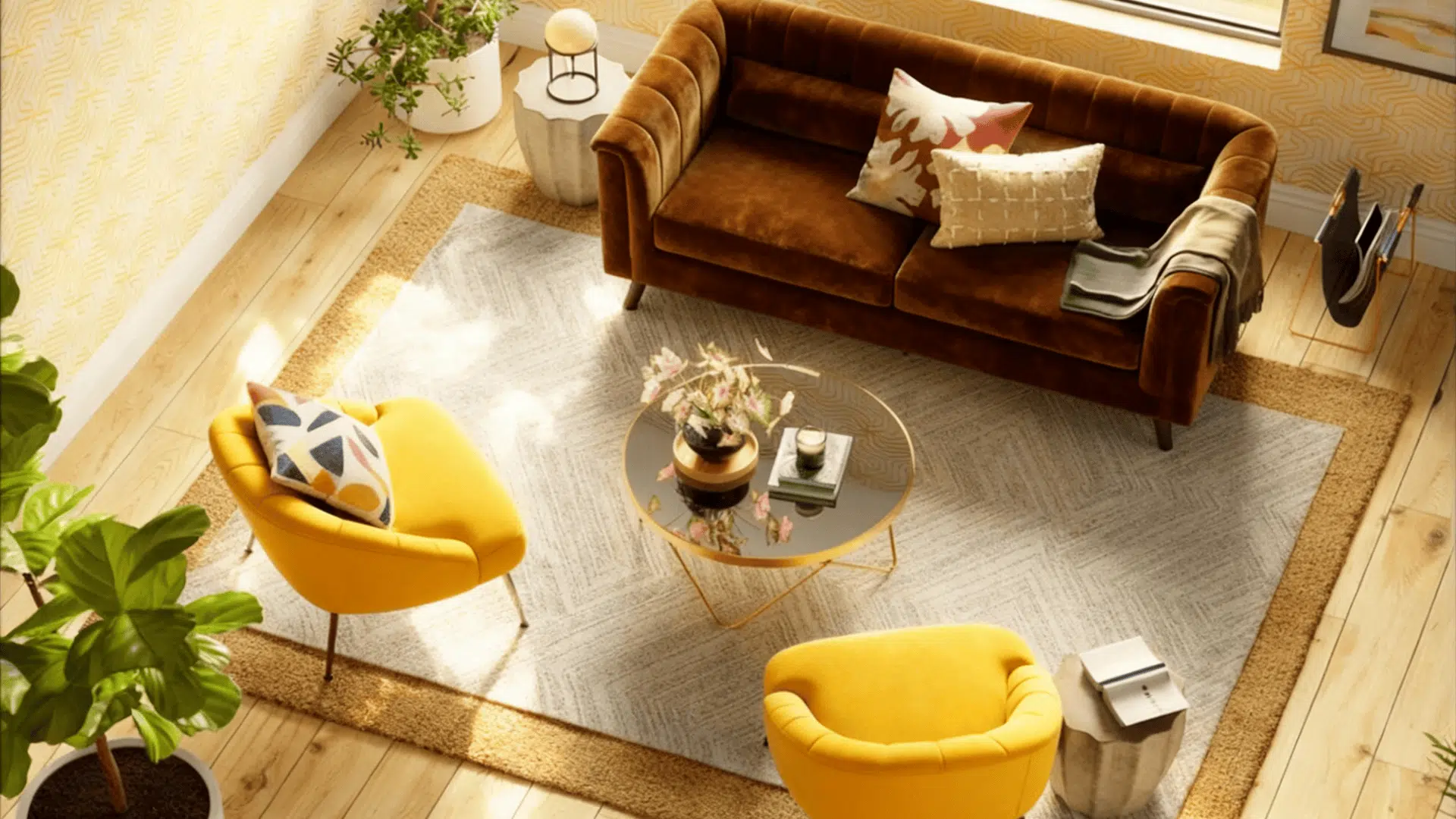

You know that moment when you sit down in a living room and everything just feels right?
That comfort usually comes from thoughtful decisions about how to arrange living room furniture.
The placement of each piece shapes the way you move, relax, and experience the space as a whole.
Even small changes can make a room feel more open and balanced.
Once you start noticing what works, the layout begins to guide you toward what the space truly needs.
There’s more behind a well-arranged room than most people expect, and each choice gently influences the next.
Why Layout Matters?
A thoughtful living room layout matters because it directly affects how the space feels and functions.
Proper placement of furniture enhances comfort, ensures smooth movement, highlights key features, maintains visual balance, and creates a practical environment that supports daily activities and social interactions effortlessly.
- Clear pathways for easy movement
- Comfortable seating for relaxation
- Makes small spaces feel open
- Highlights main features
- Balances furniture and decor
- Supports daily use
Also Read: Safe Furniture Trends
Core Principles for a Living Room Arrangement

The core principles for a practical living room layout focus on comfort, clear flow, and balanced placement. These ideas help shape a room that feels easy to use and pleasant to spend time in.
Here are the main principles that guide a smooth, functional setup:
1. Pick a Clear Focal Point
Choose one central feature, such as a TV wall, fireplace, or a large window, and let it guide the overall setup.
When the focal point is clear, arranging seating becomes simpler because everything naturally aligns around that anchor.
This helps the room feel intentional, organized, and comfortable without giving you too many layout decisions to juggle.
2. Shape a Comfortable Seating Zone
Arrange sofas and chairs to encourage natural interaction and effortless relaxation.
Keep seating close enough for conversation but spaced well enough to avoid feeling cramped.
Think about how people will use the room each day and set up the area to feel inviting.
The goal is a layout that supports comfort without creating awkward gaps or tight clusters.
3. Maintain Open Paths for Movement
Make sure there’s enough space for smooth movement throughout the room.
Clear walkways create a layout that feels light, open, and pleasant to move through.
Avoid placing pieces where people need to twist or squeeze to get by.
When the paths are easy to follow, the entire room feels more comfortable and practical for daily use.
4. Position the Largest Items First
Start by placing your most significant furniture piece, usually the sofa, because it sets the structure for the rest of the room.
Once the main item is in the right spot, you can build around it with smaller pieces.
This approach prevents crowding, reduces guesswork, and gives you a layout that feels more natural and easier to finish.
5. Use Rugs to Pull the Room Together
A well-fitted rug helps define the main seating area and gives the layout a sense of cohesion.
When the rug connects naturally with the furniture, it anchors the room and makes everything feel unified.
This simple addition also softens the space visually, giving it a grounded look while keeping the seating zone clear and well-structured.
6. Create Balance With Supporting Pieces
Use items like side tables, lamps, or plants to fill empty spots and create even visual weight across the room.
These smaller pieces help shape the layout, soften corners, and give the room a more finished look.
Spreading them thoughtfully prevents one side from appearing crowded and keeps the space calm, inviting, and well-balanced.
How to Arrange Living Room Furniture Layout
Arranging living room furniture thoughtfully can renew the space, making it more comfortable, functional, and visually balanced.
These tips cover various room types and layouts, helping you create an inviting area that works well for daily life and gatherings:
1. Small Space

In a small living room, go for pieces that fit the scale of the room and don’t overwhelm the layout.
Try using a loveseat instead of a full sofa, and pick items that can double up on function.
You’ll notice the room feels lighter when walkways stay clear, and surfaces aren’t crowded.
A rug that matches the seating area can help bring everything together without making the space feel tight.
2. Arranging Living Room Furniture With a TV

Start with the distance between your sofa and TV so the viewing angle feels natural.
Once that’s set, position chairs so they face both the TV and the central conversation zone.
That way, the room works for relaxing or hosting.
Keep an eye on sunlight; glare can make things uncomfortable, so don’t hesitate to shift curtains or lamps around until the lighting feels right.
3. Arranging Living Room Furniture in an Open Concept

In an open concept, the goal is to shape a clear living area without blocking the natural flow.
A rug works well here because it frames the seating zone instantly.
Try turning the sofa so its back helps outline the boundary between spaces.
Chairs can round out the layout and keep things grounded.
You’ll find the room feels more welcoming when paths between each zone stay wide and uncluttered.
4. Furniture With a TV and Fireplace

When a room has both a TV and a fireplace, start by deciding which one takes priority for daily use.
If both matter equally, a swivel TV mount can help. Place the sofa where you get a comfortable view while keeping the fireplace visible from the side.
Chairs can be angled slightly so they connect the two features.
This setup keeps the room practical without feeling cramped or pulled in different directions.
5. Furniture in a Long, Narrow Room

The trick with a long, narrow room is breaking it into smaller, usable sections.
Try forming a main seating area in one half and a reading corner or workspace in the other.
Slim furniture pieces keep things from feeling tight, and angling one or two chairs can soften the long shape.
Once you space items thoughtfully, the room feels more balanced and not like a hallway you’re trying to fill.
6. Furniture in a Rectangular Room

A rectangular room usually feels easiest to arrange when the sofa sits along one of the longer walls.
This gives you a natural starting point, and chairs placed across from it help form a solid seating zone.
A rug shaped to match the room helps everything look intentional.
Adding side tables and lamps on both ends keeps the layout steady and avoids empty spots that make the room feel uneven.
For more tips about to style your furniture with home decor, refer: How to Match Living Room Furniture with Your Home Décor
Common Mistakes to Avoid
The most common mistakes when arranging living room furniture involve poor spacing, unclear focal points, and mismatched layouts.
Avoiding these issues helps your room feel comfortable, balanced, and easy to move through every day:
- Using furniture that’s too large: Big pieces crowd the room and reduce walking space, making everything feel tighter than necessary.
- Pushing everything against the walls: This flattens the layout and removes the cozy feel that a centered seating area creates.
- Ignoring walkways: Blocked paths make daily movement awkward and disrupt the room’s natural flow.
- Choosing rugs that are too small: Small rugs break the visual layout and make seating feel disconnected.
- Forgetting a focal point: Without a clear anchor, the room can look scattered and hard to arrange.
- Adding too many accents: Extra tables or decor can quickly clutter the room and interrupt balance.
Final Thoughts
A clear layout can completely change the way a living room feels, whether you’re working with a small space, an open concept, or a room shaped in a tricky way.
From choosing a focal point to planning smooth paths, each decision supports a setup that feels welcoming and easy to use.
Balancing pieces, avoiding common mistakes, and adjusting for different room types all play a part in shaping how the furniture works together.
Once you start applying these ideas to arranging your living room pieces, the space begins to feel more intentional and relaxed.
Share your experience or your favorite layout tip below; we’d love to hear what worked for you.

Ava Taylor, holding a Bachelor’s degree in Interior Design from the Pratt Institute, has made her mark in creating engaging and functional living spaces for over 14 years. She began her career with a New York-based design studio, where she gained a reputation for her innovative and user-centric designs. Ava joined our team in 2019, bringing a blend of artistic flair and practicality to our home improvement section. Since the she has been the lead contributor to our room transformation series, inspiring readers with her unique approach to maximizing space utility and aesthetic appeal. Beyond her professional work, Ava is a passionate collector of vintage furniture, a hobby that enriches her design perspective.