
Choosing the right curtains is the easiest way to improve any space without the need for major renovations. However, some homeowners are surprised to learn that it takes more than just choosing a fabric and measuring the window when picking the right curtains.
Details like curtain length, fullness, down to the hardware you select, can play a role in how well the curtains frame the window and complement the room.
This blog offers homeowners a practical window curtain buying guide that explores both the types of curtains suited for each room and how to choose the right system to support them.
Different Types of Curtains to Consider for Each Room
Before purchasing the same type of curtains for your entire home, remember that a bedroom, kitchen, and living room typically have varying demands for light control and privacy.
Sheer Curtains for Living Rooms and Dining Areas
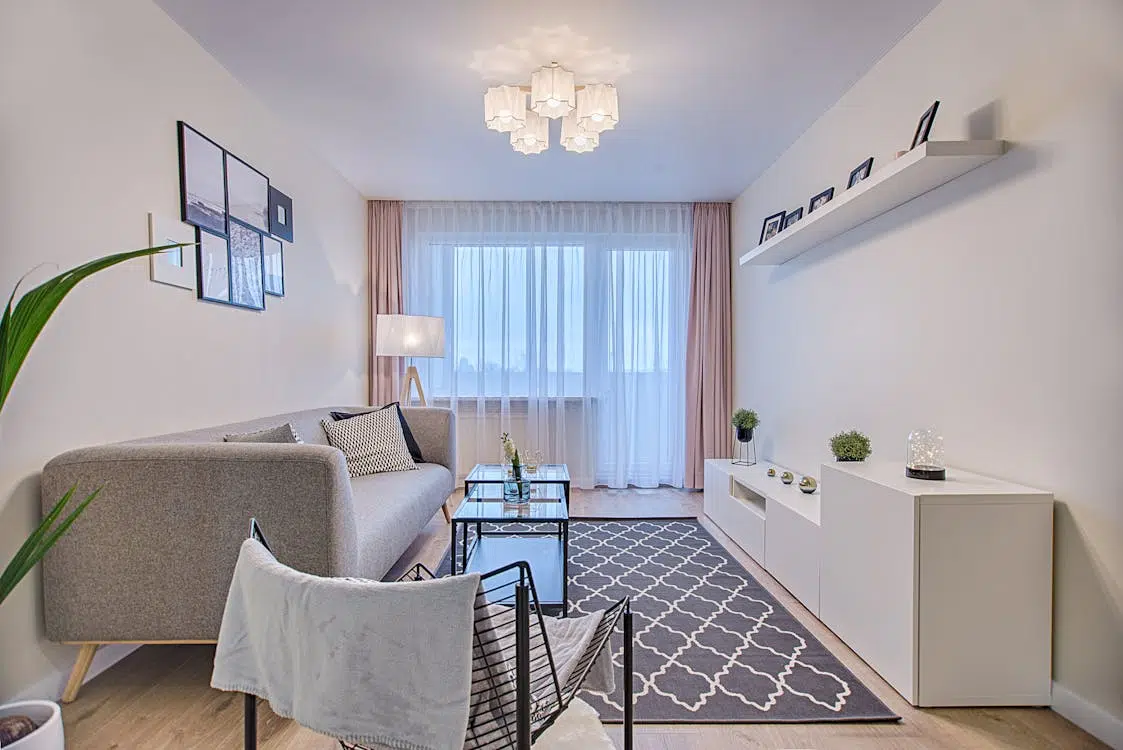
As living rooms and dining areas are often the heart of the home where most gatherings and lounging occur, lighter curtains are typically the more practical choice.
Sheer curtains gently filter sunlight and give the room an open, relaxed feel throughout the day. They help reduce glare without blocking daylight, making the space feel brighter and more inviting while still adding a finished look to the windows.
Blackout Curtains for Bedrooms and Nurseries
Blackout curtains are the best choice for bedrooms and nurseries because they help block unwanted light and keep the room consistently dim when it matters most.
To achieve full coverage and avoid light gaps along the edges, window treatment professionals often suggest custom curtains that are designed to fit the window more precisely.
Roller Blinds for Home Offices
Creating a productive work environment in a home office requires more than a good chair and desk. Adding roller blinds gives you the ability to control how much light hits your screen or face, which is especially helpful during video calls or bright afternoons. They also keep the room looking clean and organized, which makes it easier to stay focused from morning to evening.
Outdoor Curtains for Patios and Covered Outdoor Spaces
Outdoor curtains are a practical addition to patios and covered outdoor spaces by offering enough shade and privacy without compromising the open feel of the space. Outdoor curtains are also made to withstand sunlight, handle light moisture, and resist fading, making them a reliable choice for patios used throughout the seasons.
Waterproof Curtains for Bathrooms
In addition to shower curtains that help keep water contained, there are also bathroom curtains designed specifically for windows. These curtains are made to resist moisture and help prevent mildew, making them suitable for spaces with frequent steam and humidity. Built to handle damp conditions without wearing down, they offer a durable solution that holds up well over time.
How to Choose a Curtain System for Your Window
After choosing the type of curtains that suit your space, knowing which curtain system to use is just as important. While the curtains are the main attraction, curtain systems do the work that keeps everything running smoothly.
They include the rods, tracks, and hardware that support the fabric and allow it to slide across the window. Without the right system, even well-chosen curtains can feel awkward to use or look unfinished. A few of the most common curtain systems that homeowners typically choose from include:
- Rod Systems: Rod systems are a popular choice for standard windows and lighter to medium-weight curtains. They are easy to install and work well when you want the hardware to be part of the overall design. Decorative rods can add character to a space, especially in living rooms and bedrooms, where the curtain setup is meant to be seen.
- Track Systems: Track systems work especially well for larger windows or modern spaces where clean lines matter. They make it easy to open and close curtains smoothly, even across wide spans. Because the track itself is subtle, the focus stays on the curtains rather than the hardware.
- Tension or Inside-Mount Systems: Tension or inside-mount systems offer a flexible option for small windows or rental homes. Since they do not require drilling, they are easy to install and remove. These systems are best paired with lightweight curtains and are often used where convenience matters more than decorative impact.
Helpful Curtain Tips for Homeowners Choosing a System
When it comes to curtain systems, it’s easy to focus on style and overlook the practical details. How the curtains move, how much weight the system can support, and where it’s mounted all matter more than most people expect. The tips below highlight a few things homeowners often wish they had considered sooner.
- Measure the window and surrounding wall space first: Accurate measurements not only help you pick the best curtains according to your window size, but they also ensure the system has enough room to extend beyond the window frame. This improves coverage and allows curtains to open and close without feeling cramped.
- Choose the system before the curtains: Curtain systems determine how much weight they can support and how wide the curtains can be. Selecting hardware first helps avoid limitations later when choosing fabrics or panel sizes.
- Mount hardware higher and wider than the window frame: Placing the system above and beyond the frame helps curtains block light more effectively and makes windows appear larger. This small adjustment can noticeably improve the overall look.
- Test the glide before final installation: Making sure the curtains move easily before securing everything in place can save frustration later. Smooth movement is just as important as how the system looks.
Key Takeaways
Curtains may seem like a small detail, but they have a noticeable impact on how a room feels and functions day to day. By choosing styles that suit each room and systems that support them properly, homeowners can avoid common frustrations and create spaces that feel both comfortable and finished.

Ava Taylor, holding a Bachelor’s degree in Interior Design from the Pratt Institute, has made her mark in creating engaging and functional living spaces for over 14 years. She began her career with a New York-based design studio, where she gained a reputation for her innovative and user-centric designs. Ava joined our team in 2019, bringing a blend of artistic flair and practicality to our home improvement section. Since the she has been the lead contributor to our room transformation series, inspiring readers with her unique approach to maximizing space utility and aesthetic appeal. Beyond her professional work, Ava is a passionate collector of vintage furniture, a hobby that enriches her design perspective.