

Home maintenance gets a bad rap. Most jobs are small, but they feel heavy when they stack up. A simple schedule turns “someday” tasks into quick check-ins, so the house stays steady without taking over your weekends. Set it up once, then let it run.
Pick A Format That Fits Your Life
Start with one place to manage everything. A paper checklist on the fridge, a notes app, or a shared calendar all work if you actually open them.
Keep the system light. If it takes longer to plan the work than to do it, the plan will get ignored. Keep supplies in a small bin, so you do not hunt for batteries or filters next month either.
Map Out The Seasonal Tasks First
Seasonal work covers the big-ticket items: roof, gutters, HVAC, plumbing, and anything that fights water and heat. Put these on the calendar first, then fill in the smaller jobs later.
If you only remember one rule, start at the top of the house and move down. For roofline checks, Dayton roofing experts, or someone more local to you, can spot early wear before water finds a path indoors. After storms, look for lifted shingles, loose flashing, or debris-packed valleys.
Here is a simple seasonal list to get you moving. Copy it as-is, then tweak it later:
- Spring: clean gutters, test sump pump, check exterior caulk
- Summer: service AC, clear dryer vent, inspect deck or patio
- Fall: clean gutters again, check attic insulation, winterize hose bibs
- Winter: test smoke and CO alarms, check for ice dams, watch for pipe drafts
Aim for one “house day” per season. A single focused morning beats four months of nagging reminders.
Skip ladders if they feel risky. Walk the perimeter, listen for odd HVAC sounds, and take photos to compare seasons.
Add A Short Monthly Loop
Monthly tasks cover basics like filters, drains, leaks, and safety gear. Most finish in 5 to 20 minutes, so the routine stays light.
One Home Therapy pointed out that nearly 60% of homeowners struggle to keep up with routine maintenance, so the real win is a loop you can repeat instead of a perfect plan. Small and repeatable beats are perfect.
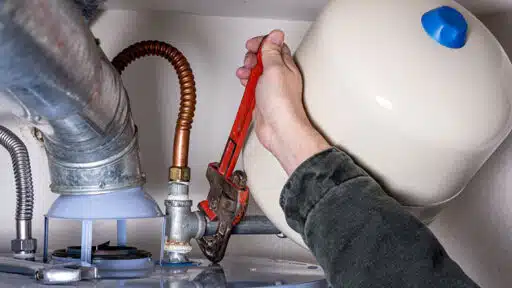
Pick 5 to 8 monthly tasks and keep them the same for a full year. Good options include checking under sinks, running the garbage disposal with ice, flushing rarely used toilets, and looking at the water heater for drips or rust.
Use Reminders That Trigger Action
Tie each task to a clear trigger. Replace HVAC filters on the first Saturday, then check under sinks on rent or mortgage day.
Better Homes & Gardens suggests revisiting your maintenance list monthly and again at the start of each season, which pairs well with recurring calendar reminders. A quick review keeps overdue tasks from disappearing.
Make the reminder do more than ping you. Add the task time, the supply list, and a note about where the supplies live, so you can start without hunting for parts.
Keep Records In One Place
A schedule sticks faster when you can see your streak. Use a single page or spreadsheet with three columns: task, date done, and notes.
Write down small details that save time later, like filter sizes, paint colors, appliance model numbers, and the last time a contractor visited. Those notes turn future tasks into “grab the right part and go.”
For anything you replace, snap a photo of the label and store it in one album on your phone. It saves guesswork later.
Recover Fast After You Miss A Week
Missed weeks happen. Treat it like laundry: sort, start one load, then get back to normal.
Do a 10-minute reset by scanning for leaks, odd smells, or anything that looks new or worse. Then pick one task that protects the home, and one task that makes life easier, and stop there.
Set a “minimum standard” for busy months, like changing filters and checking for leaks. When life calms down, you can add the nicer tasks back in without feeling behind.
A home that gets steady attention stays calmer. A schedule is not about doing more; it is about doing a little at the right time.

Tommy Hardy, an alumnus of the Georgia Institute of Technology with a degree in Mechanical Engineering, has been a go-to figure in residential upkeep and innovation for over 18 years. His career commenced in a leading home appliance manufacturing company, where he mastered the intricacies of household systems. Joining our platform in 2020, Tommy quickly became a reader favorite for his practical and easy-to-follow guides. He took the helm of our DIY section in 2019, consistently delivering content that empowers homeowners. Beyond his professional pursuits, Tommy is a passionate gardener and enjoys woodworking, skills enhancing his hands-on approach to home care.