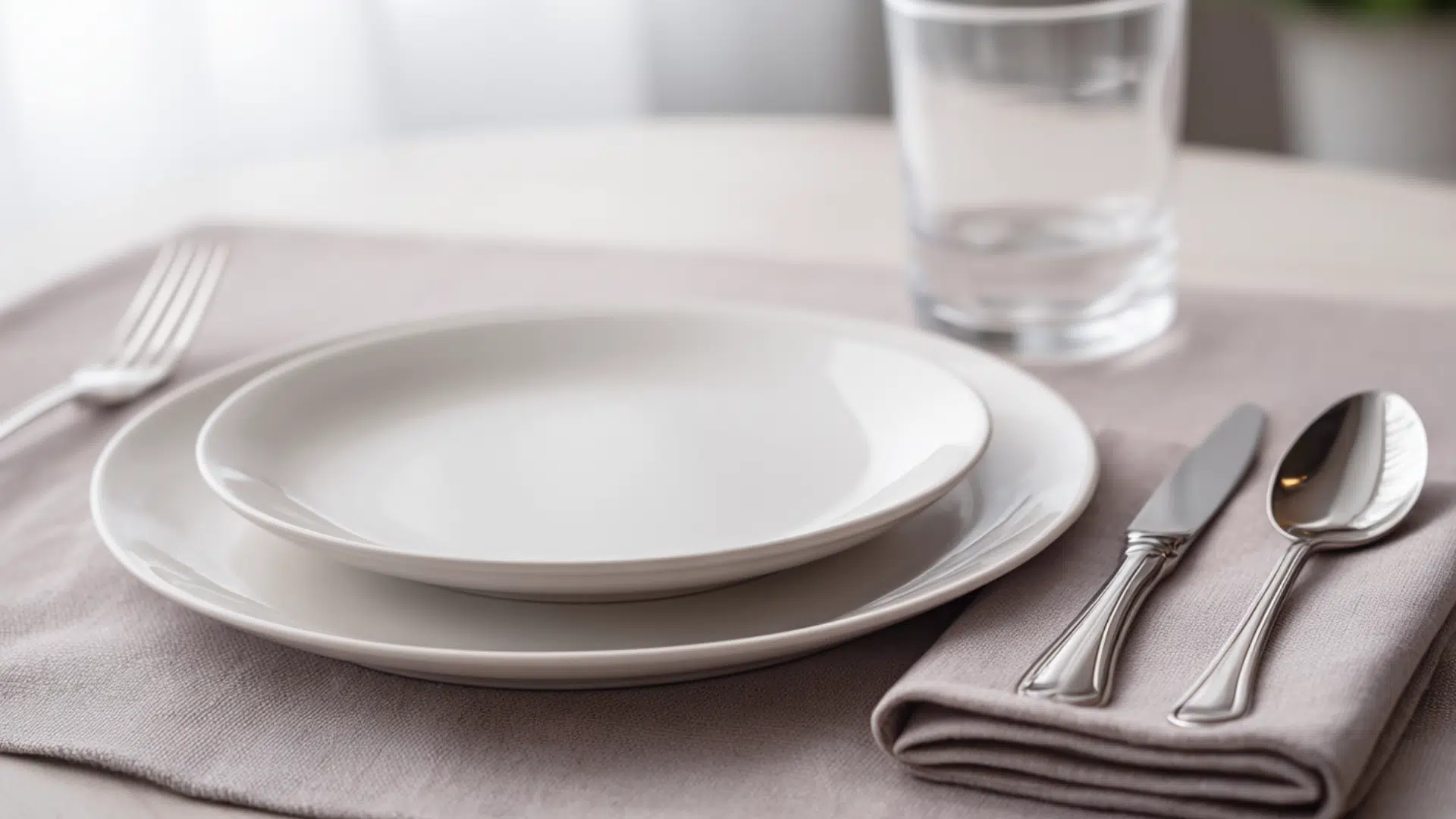

Have you ever wondered why a basic table setting still matters? It’s not just about where the fork or napkin goes; it’s about creating a simple, inviting space for any meal.
No matter if you’re eating alone, with family, or hosting a casual dinner, a well-set table adds comfort and calm to the moment.
With just a few everyday items, you can make any meal feel organized and thoughtful.
This guide will show you how to set a basic table easily, with tips for different occasions and simple ways to make your setup look polished without extra effort.
Why a Basic Table Setting Still Matters
A basic table setting might seem small, but it sets the tone for the entire meal. It shows care, creates order, and makes everyday dining feel more comfortable.
Even a quick setup signals thoughtfulness. It tells your guests or even your family that you value their presence and the meal you’re sharing.
When the table looks neat, everything feels calmer and more inviting. It’s a simple habit that turns ordinary meals into meaningful moments.
What You Need for a Basic Table Setting
A simple table setup doesn’t need many pieces – just a few essentials that make meals feel calm and intentional. These basics create balance and make everyday dining feel more put-together.
- Dinner plate
- Utensils
- Napkin
- Drinking glass
- Placemats
- Salad plate
- Cloth napkin
Step-by-Step Guide to Setting a Table
Setting a table is simple once you understand the order. These steps help you create a clean, balanced layout for everyday meals.
Step 1: Start with the Base
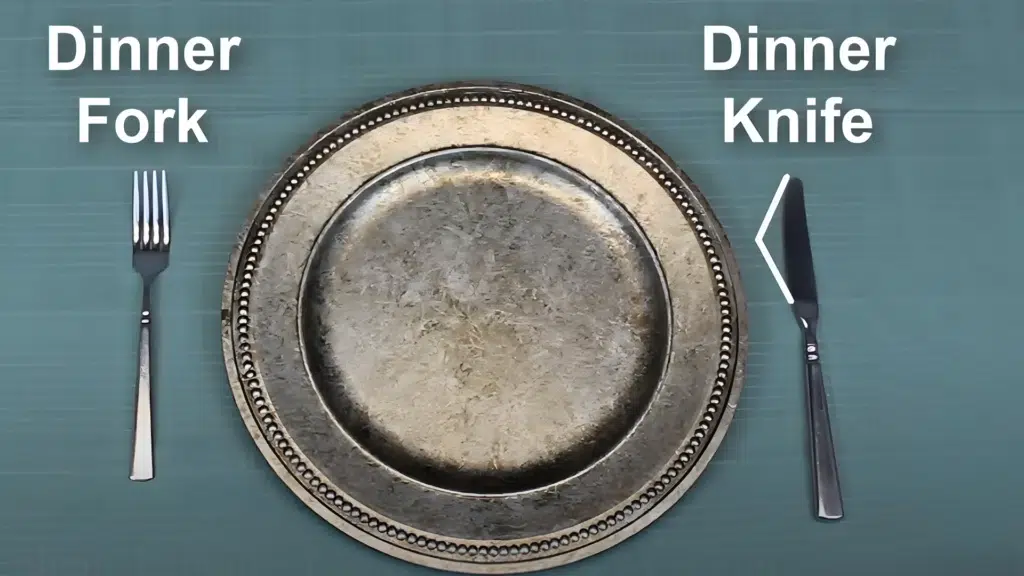
Begin by placing a charger plate in the center of each place setting. This larger plate stays on the table throughout the meal and creates a clear starting point for the rest of the setup.
It gives the table a structured look and helps anchor each dish that follows. You can remove the charger before serving the main course or keep it in place if you prefer a more polished style.
Step 2: Arrange the Main Utensils
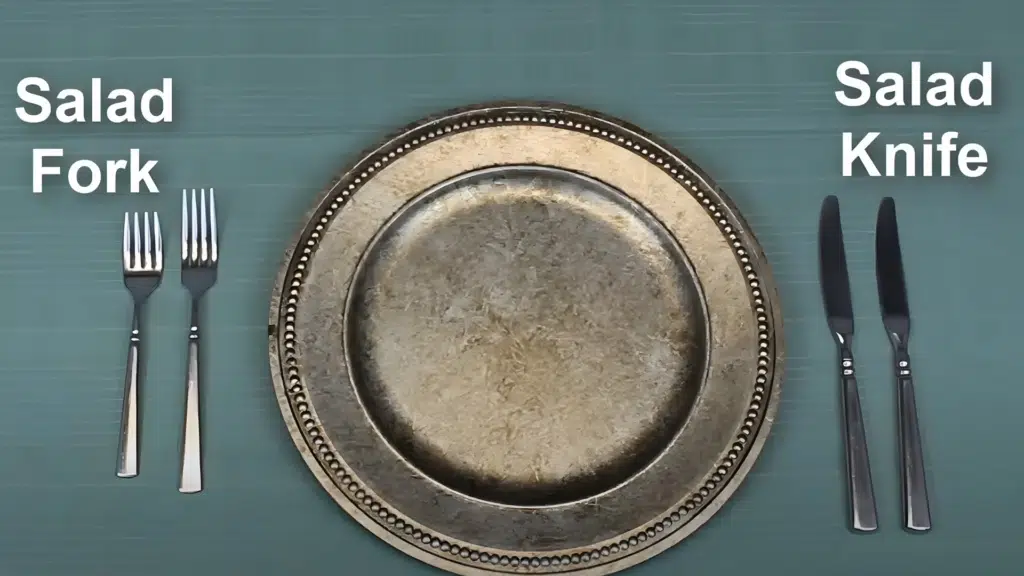
Place the dinner fork to the left of the charger, closest to the plate. Set the salad fork to the left of the dinner fork, since it’s used first.
On the right side, place the dinner knife next to the plate with the blade facing inward.
Add the salad knife or soup spoon to its right if those courses are included. This simple order follows basic dining etiquette using utensils from the outside in, so the table stays neat and practical without extra clutter.
Step 3: Add Dessert Utensils
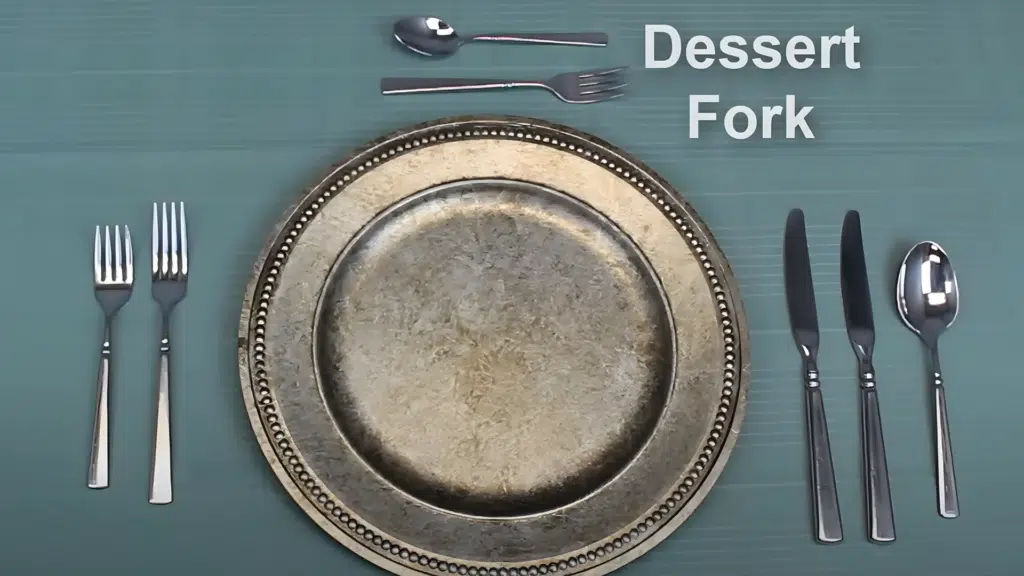
Set a dessert spoon or fork horizontally above the dinner plate. If you’re serving a soft dessert like pudding or ice cream, place a spoon with the handle pointing to the right. For desserts like cake or pie, place a fork with the handle pointing left.
Keeping the dessert utensil above the plate saves space and keeps the main area looking tidy until dessert is served.
Step 4: Include Plates and Glassware
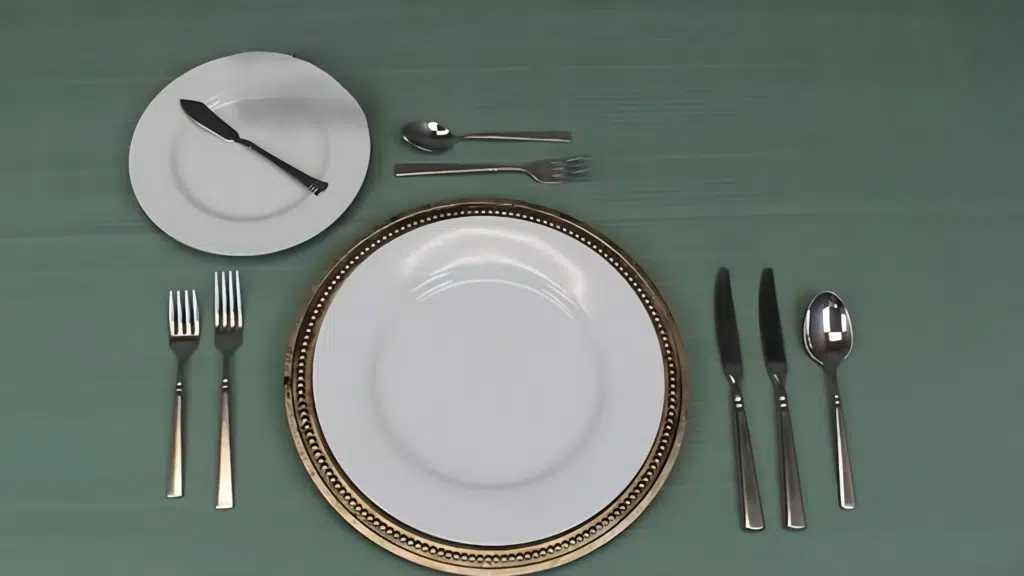
Place the dinner plate centered on top of the charger. Add a bread plate to the upper left corner, and lay a small butter knife diagonally across it for easy use.
On the upper right side, position the water glass directly above the dinner knife. If wine is being served, place the wine glass slightly lower and to the right of the water glass so it’s easy to reach without stretching.
Step 5: Finish with Napkin and Decor
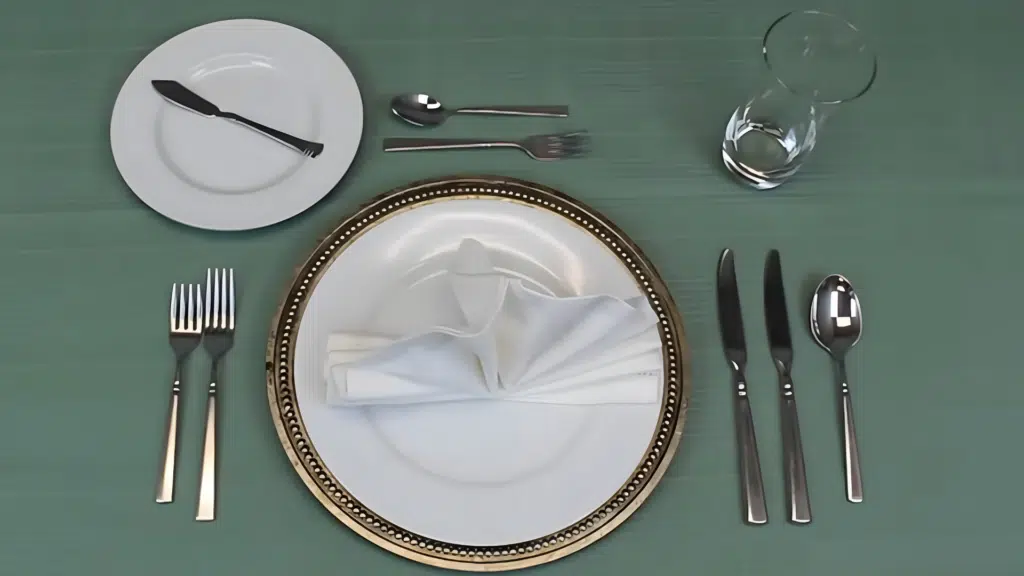
Fold your napkin neatly and place it to the left of the forks, under them, or centered on the plate if you prefer a more refined look. A simple fold keeps the table clean without feeling formal.
To complete the setting, add subtle touches like a small vase of flowers, a candle, or a minimal centerpiece. Keep everything low and simple so guests can see each other and still have space for dishes.
Tips for Table Settings
If you want to add a little polish to your everyday setup, a few small touches can make a big difference without feeling formal.
- Use matching placemats or cloth napkins: They instantly make the table look more coordinated and comfortable.
- Add small bowls for salad or soup: It brings variety to the layout while keeping the meal practical.
- Keep decorations minimal and below eye level: This keeps the table open for conversation and food sharing.
- Use consistent spacing for a tidy look: Even spacing between plates and utensils makes the setup feel balanced and calm.
- Add a simple centerpiece: A small vase of flowers or a candle adds warmth without crowding the table.
These easy details make your table feel welcoming and put-together while keeping the atmosphere relaxed.
Basic Table Settings Everyone Should Know
Each table setup builds on the same basics but adjusts slightly depending on the occasion. These examples show how to use the same foundation in different ways to match the meal and mood.
1. Everyday Setting
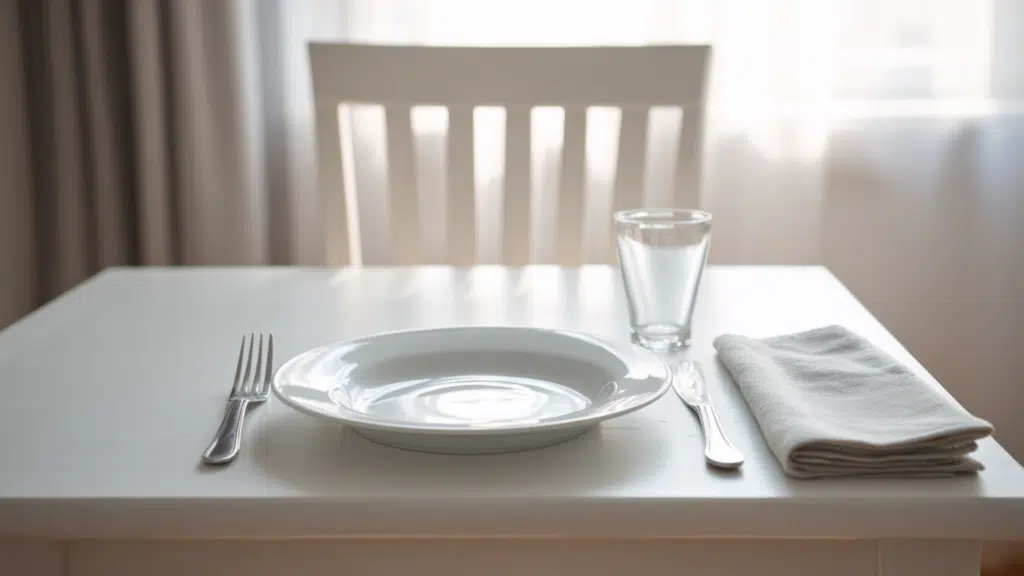
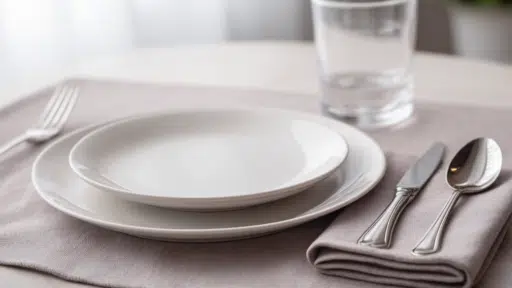
This is the simplest and most practical setup for daily use. Keep the focus on essentials: a dinner plate, fork, knife, spoon, napkin, and a single glass. It works well for breakfast, lunch, or dinner when you want an easy, no-fuss layout.
Even spacing and a clean surface make this setup feel calm and organized. It’s great for quick meals but still looks intentional, helping even casual dinners feel put together.
2. Casual Family Setting
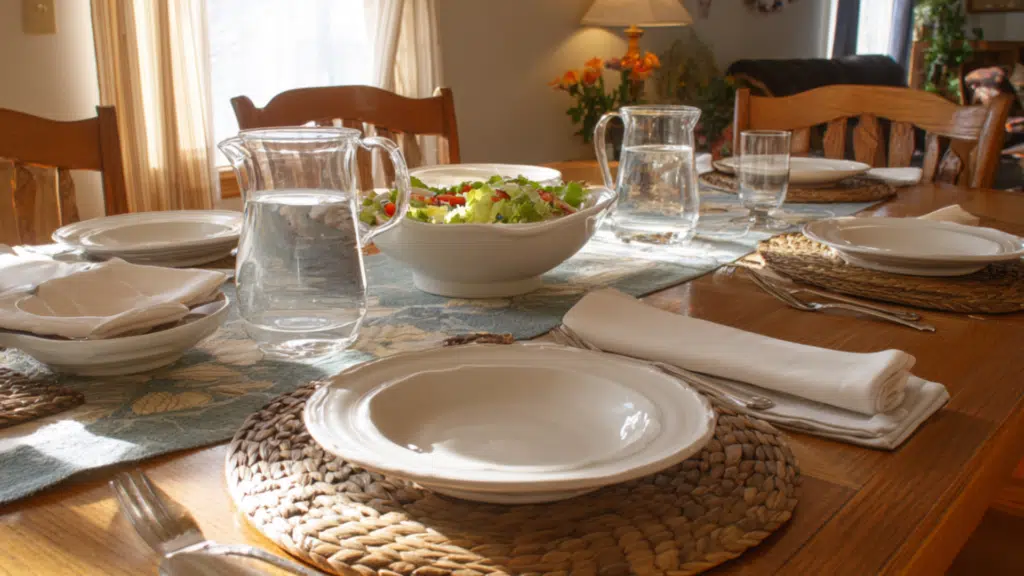
For relaxed family dinners, add a salad plate or small bowl above the main plate. Use cloth napkins for a warmer touch and choose simple placemats to bring everything together.
This setup is cozy and practical. It encourages easy serving and conversation while adding a bit more care than a basic layout, perfect for weeknight dinners or casual get-togethers.
3. Breakfast Setting
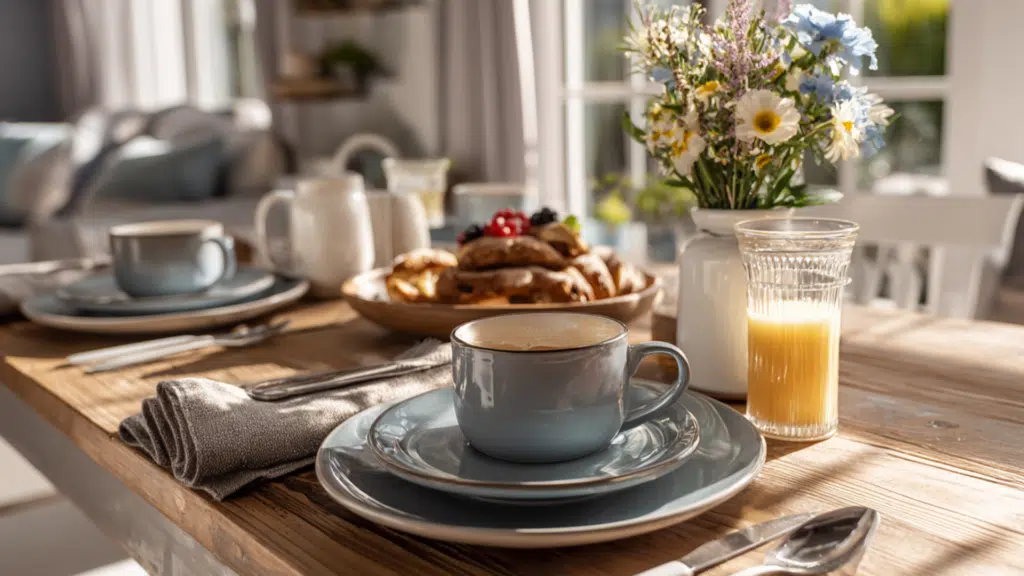
The breakfast setup keeps things light and functional. Add a coffee cup and saucer to the right of the plate, with a juice glass nearby. A small bowl or side plate can hold fruit, cereal, or toast.
This arrangement creates a neat and cheerful start to the day. It’s simple enough for everyday mornings yet tidy enough for a shared breakfast with guests or family.
4. Buffet Setting
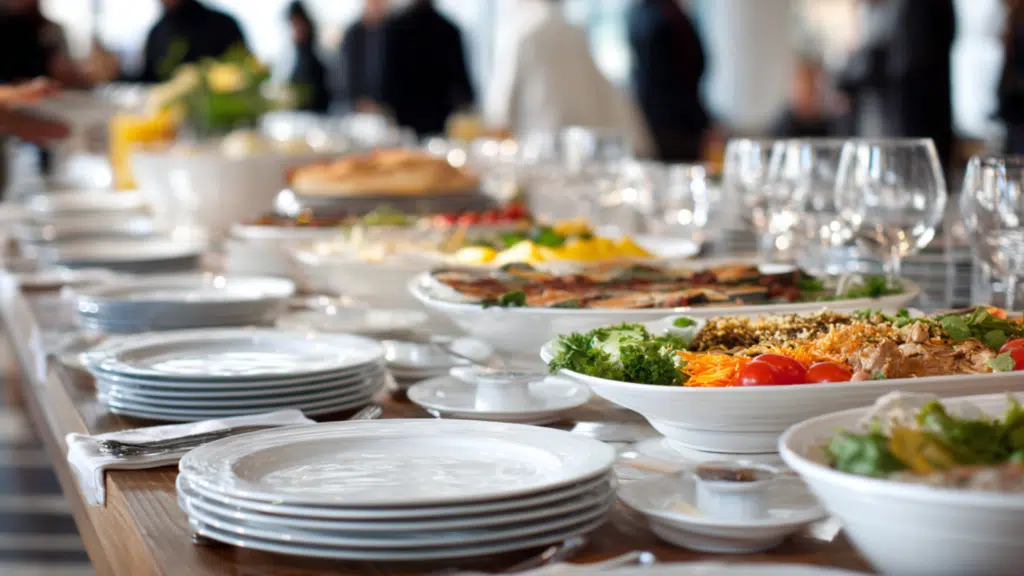
A buffet setup is all about convenience and flow. Stack plates at the start of the table, roll utensils in napkins, and place glasses at the end for easy access.
This style lets guests serve themselves comfortably without crowding the table. It keeps everything organized and ensures food, plates, and utensils move in a logical order.
5. Holiday Setting
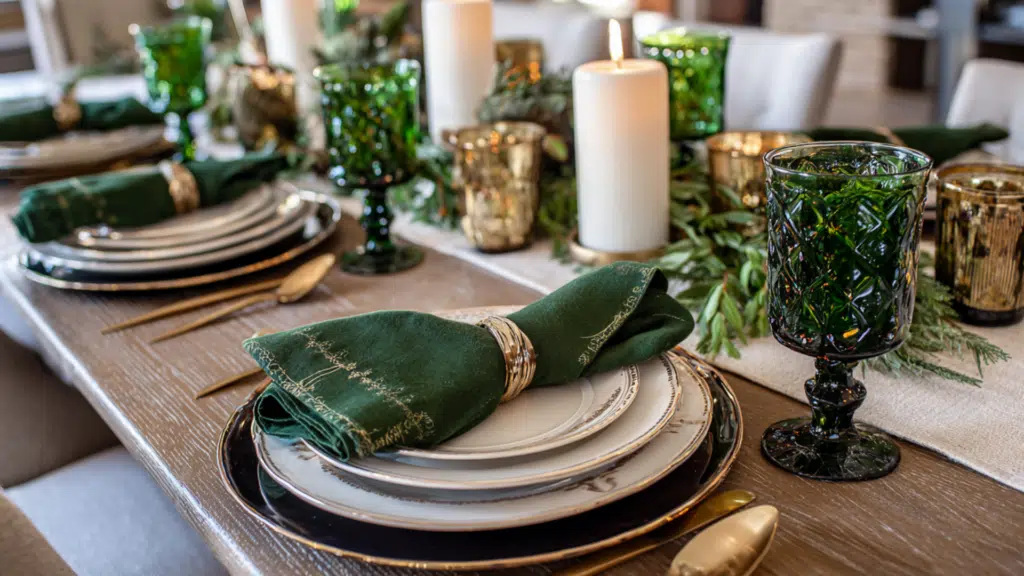
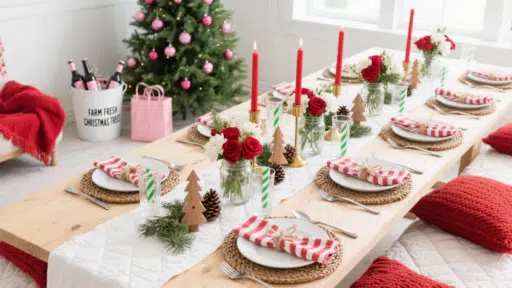
Holidays call for a slightly elevated look. Layer a charger under each dinner plate and add decorative napkin rings or festive linens. Use matching glassware and serving pieces to create a polished appearance.
This setup sets the tone for special occasions and family celebrations. It’s not about perfection but about creating a warm, inviting space that feels thoughtful and festive.
6. Formal Setting
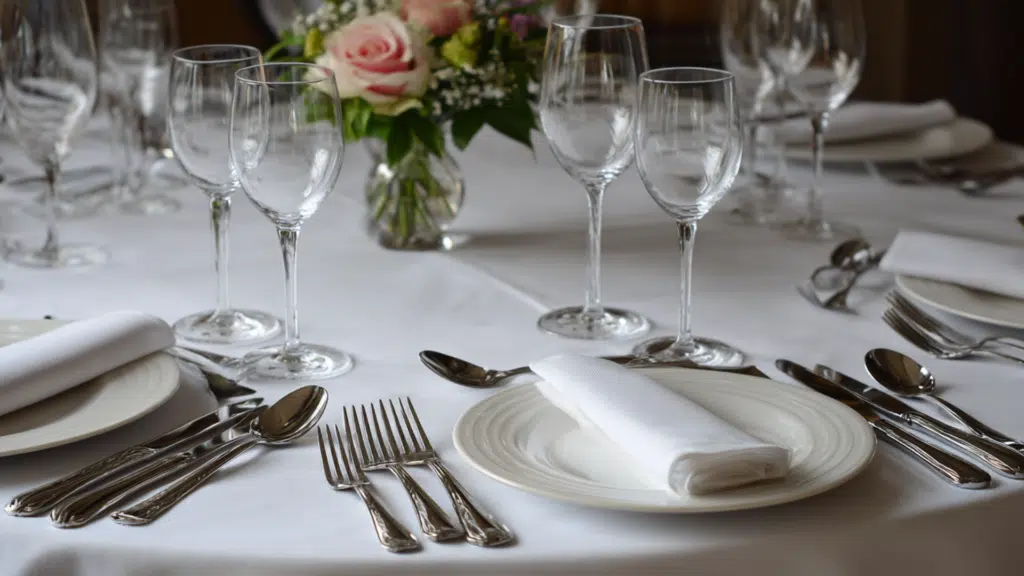
A formal setup uses multiple utensils and glasses arranged in the order they’ll be used, from the outside in. Include separate glasses for water, white wine, and red wine, and align everything evenly.
This layout works well for dinner parties or special events. It gives a sense of elegance and structure without being intimidating, creating a dining experience that feels balanced and refined.
7. Outdoor or Picnic Setting
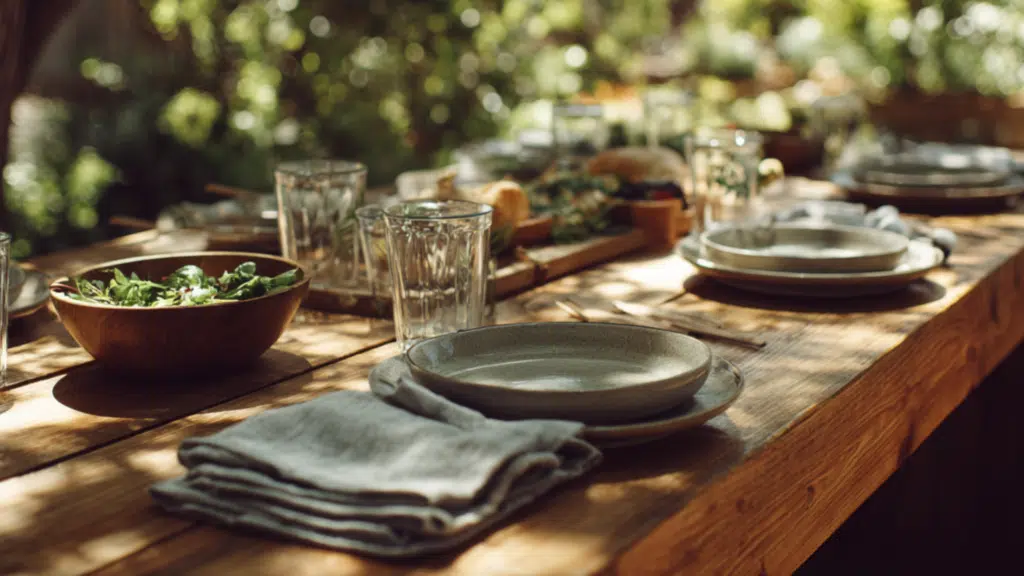
Outdoor meals call for simplicity and durability. Use lightweight, reusable, or disposable dishes and napkins. Keep the setup portable and practical so it’s easy to pack and clean.
This setup fits perfectly for picnics, barbecues, or backyard meals. It keeps things casual but organized, making outdoor dining effortless and enjoyable.
Each of these settings starts with the same foundation but adds small details to suit the occasion. Once you’ve mastered the basics, adjusting for any meal becomes quick and natural.
Common Mistakes to Avoid
Even small details can change how neat or balanced a table looks. Here are a few common mistakes to avoid when setting yours.
- Knife blade facing outward: The blade should always face the plate for safety and a tidy appearance.
- Uneven utensil alignment: Keep all utensils straight and evenly spaced to make the setting look balanced.
- Glasses placed too far from the plate: Glasses should sit just above the knife, within easy reach.
- Skipping napkins or placing them messily: Always include a neatly folded napkin to complete the setup.
- Crowding the table with decor: Keep centerpieces small and low so there’s room for plates and easy conversation.
Avoiding these small mistakes helps your table look clean, comfortable, and thoughtfully arranged.
Conclusion
A basic table setting may seem simple, but it can completely change how a meal feels. Taking a few minutes to set the table shows care, brings balance, and makes dining more enjoyable for everyone.
Whether it’s breakfast with family or dinner with friends, these small details add warmth and intention to the moment.
Start using these easy steps today and see how a neat, basic table setting can turn any ordinary meal into something special.
It’s a simple way to bring people together and make every meal feel a little more meaningful.

With a Master’s in Architecture from the University of California, Berkeley, Mitchell Green has spent over two decades dedicated to the study and practical application of home fixture design. His career started in an architectural firm, providing him a strong foundation in the structural and aesthetic aspects of home interiors. Mitchell brought his comprehensive knowledge to our platform, where he has been an influential voice in our home fixtures and fittings section. Since 2018, he has been guiding our readers through the intricacies of selecting and installing fixtures, combining technical know-how with design flair. In his spare time, Mitchell is a keen photographer, capturing architectural details and design elements, an interest that complements his professional focus.