
Light behaves differently when it meets the right surface, and walls are no exception.
Satin paint on walls has gained steady attention for its ability to balance appearance and performance without demanding constant upkeep.
Neither fully flat nor overly reflective, this finish creates a controlled sheen that changes with lighting and room function.
Choices around paint often go beyond color, extending into durability, maintenance, and visual comfort.
Understanding how satin paint interacts with interior spaces helps clarify where it works best, where caution is needed, and how it compares to other finishes commonly used on walls.
What is Satin Finish?
A satin finish is a type of paint sheen that sits between flat and glossy options, offering a soft, smooth appearance with mild light reflection.
It provides a balanced surface that feels refined without appearing shiny.
This finish creates a subtle glow that adds depth to walls while maintaining a calm visual effect.
Satin paint is formulated to offer better resistance to marks and moisture than lower-sheen paints, making it a practical option for interior spaces that need both visual appeal and surface strength.
Is Satin Paint Good for Walls?
Yes, satin paint is a good choice for walls in many indoor settings.
It provides a smooth surface with a soft sheen that adds subtle depth without appearing glossy.
This finish offers better resistance to scuffs and stains compared to flat paints, making routine cleaning easier.
Satin paint also performs well in areas exposed to light moisture, helping the surface maintain its appearance over time.
While it can reveal uneven patches or minor flaws if walls are poorly prepared, proper sanding and priming support a clean, even look across frequently used rooms.
Best Rooms to Use Satin Paint on Walls

Satin paint works best in rooms that need a balance of durability and visual softness.
Its mild sheen supports easy upkeep while maintaining a neat wall appearance across different spaces.
1. Living Rooms and Bedrooms
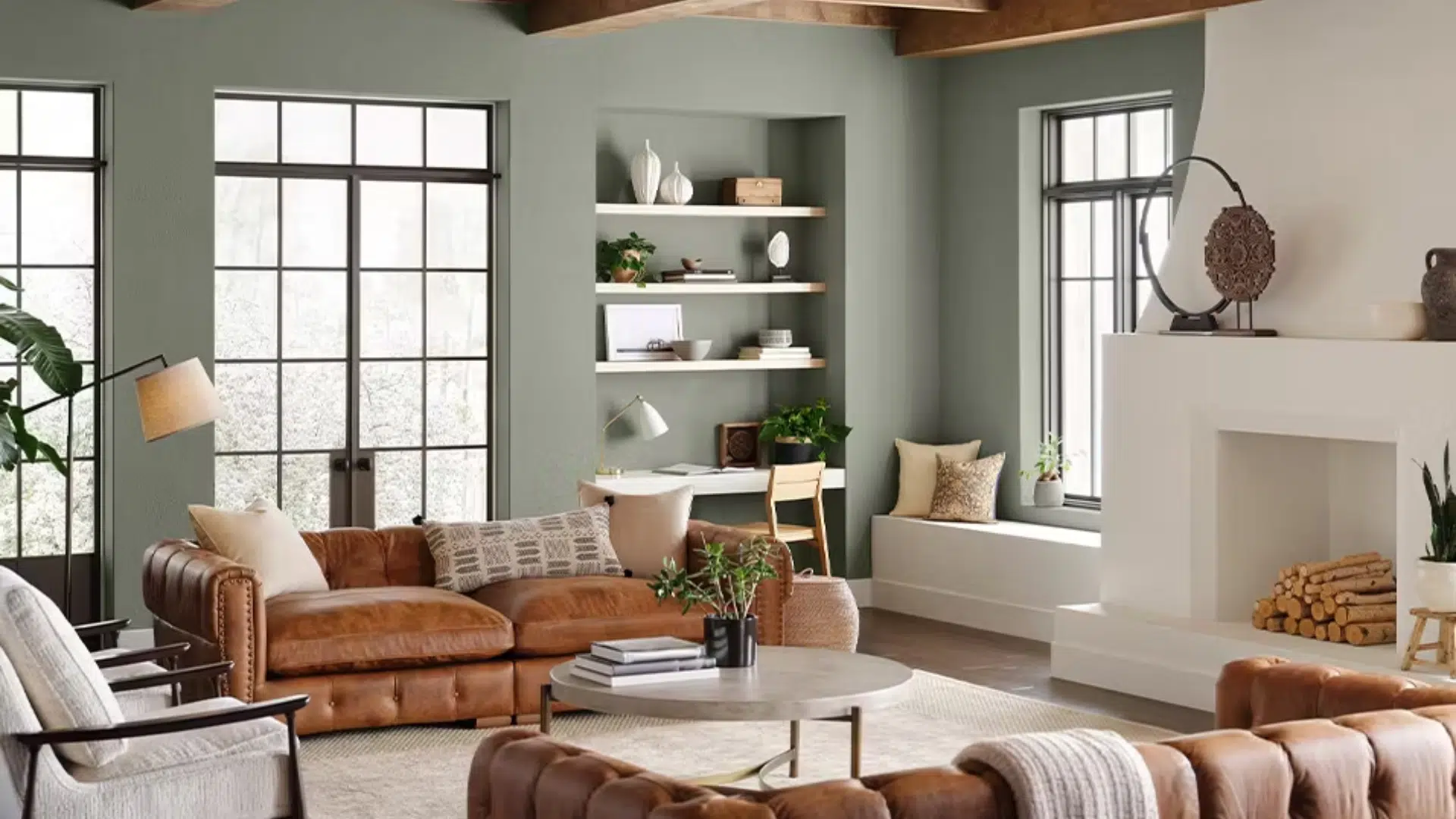
Satin paint suits living rooms and bedrooms where walls face daily use but still need a calm, finished look.
The light-reflective surface adds gentle depth without drawing attention to itself, helping walls feel polished yet relaxed.
Why satin works here:
- Supports regular cleaning
- Maintains a consistent look under varied lighting
- Holds up well against light contact
2. Kitchens and Bathrooms
In kitchens and bathrooms, satin paint performs well due to its moisture resistance.
The finish helps walls stay intact despite steam or splashes, making upkeep more manageable in these environments.
Why satin works here:
- Handles humidity better than flat finishes
- Allows easier removal of marks
- Maintains surface strength over time
3. Hallways and High-Traffic Areas
Hallways and shared passageways benefit from satin paint due to frequent movement and contact.
The finish supports durability while keeping walls visually clean between maintenance cycles.
Why satin works here:
- Resists scuffs and surface wear
- Simplifies routine wipe-downs
- Retains color consistency with use
Choosing the right room for satin paint helps achieve better results and longer-lasting walls. Matching the finish to areas that need durability and easy maintenance ensures the surface stays consistent and visually balanced over time.
Satin Paint vs Other Wall Paint Finishes
Choosing the right paint finish depends on wall condition, room use, and maintenance needs.
The comparison below shows how satin paint differs from other common wall finishes in performance and appearance:
| Paint Finish | Sheen Level | Ease of Cleaning | Durability | Best Use Areas | Notes |
|---|---|---|---|---|---|
| Satin | Soft sheen | Easy | High | Living rooms, hallways, kitchens | Balanced look with practical upkeep |
| Matte / Flat | No sheen | Low | Low | Bedrooms, low-use areas | Hides wall flaws but stains easily |
| Eggshell | Very mild sheen | Moderate | Medium | Living rooms, dining areas | Slightly softer look than satin |
| Semi-gloss | Noticeable shine | Very easy | Very high | Trim, doors, bathrooms | Highlights surface flaws |
| Gloss | High shine | Very easy | Very high | Cabinets, accents | Not ideal for large wall areas |
Tips for Applying Satin Paint on Walls
Proper application helps satin paint maintain an even finish, reduce visible marks, and support long-term wall performance across different interior spaces.
- Clean walls thoroughly to remove dust, grease, or residue before painting
- Repair cracks and uneven spots to reduce visible surface marks
- Use a high-quality roller with the correct nap length for smooth coverage
- Apply paint in consistent strokes to maintain an even sheen
- Allow sufficient drying time between coats to prevent patchiness
Tip: Testing satin paint on a small wall section first helps assess how lighting and wall texture affect the final appearance.
Satin Paint on Walls: Reddit Discussions

Across multiple Reddit threads, many painters note a gradual move away from semi-gloss toward satin for interior trim and doors.
Contributors mention that satin offers a softer look while still handling cleaning needs.
Several users point out that satin reduces the visibility of dents, uneven wood, and older trim flaws, especially in homes that have not been fully restored.
While semi-gloss is still seen as traditional, satin is often described as the more practical and visually balanced choice today.
Common reasons shared by Reddit users:
- Less emphasis on surface imperfections
- Comparable cleanability to semi-gloss
- More comfortable look in modern interiors
- Better results on older or detailed trim
Overall, Reddit opinions suggest satin has become the preferred middle ground, with final choices still guided by personal taste and paint quality rather than sheen alone.
Final Thoughts
Satin paint on walls stands out as a practical middle ground between low-sheen and high-shine finishes.
It offers visual softness while supporting easier cleaning, moisture resistance, and long-term wear across different rooms.
From living spaces to kitchens and high-traffic areas, its performance depends largely on wall condition, lighting, and preparation.
Comparisons with other finishes show why satin is often chosen for balance rather than trend alone.
Public opinions also reflect this shift, especially for spaces where flaws and upkeep matter.
Every home presents different needs, but understanding these factors helps make a more confident decision.
Share your experience or favorite wall finish in the comments below.

Millie Anderson, a graduate of Textile Design from the Fashion Institute of Technology, has carved her name in fabric and material finishes for over 16 years. Her career took flight in a renowned textile manufacturing company, where she mastered combining textures and patterns. Millie joined our team in 2018, becoming a cornerstone for readers interested in the latest trends in textiles. Since then, she has been the lead editor for our home decor fabrics section, blending her deep knowledge of materials with a flair for contemporary design. Beyond her professional achievements, Millie is an enthusiastic quilter and often participates in community arts and crafts workshops, further nurturing her passion for fabrics and design.