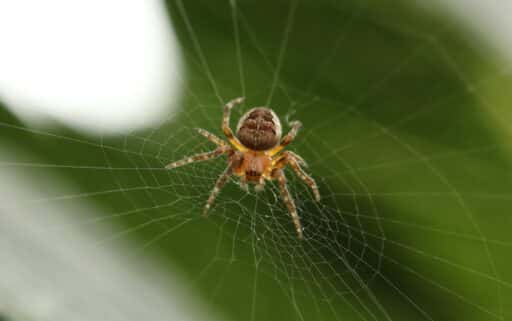
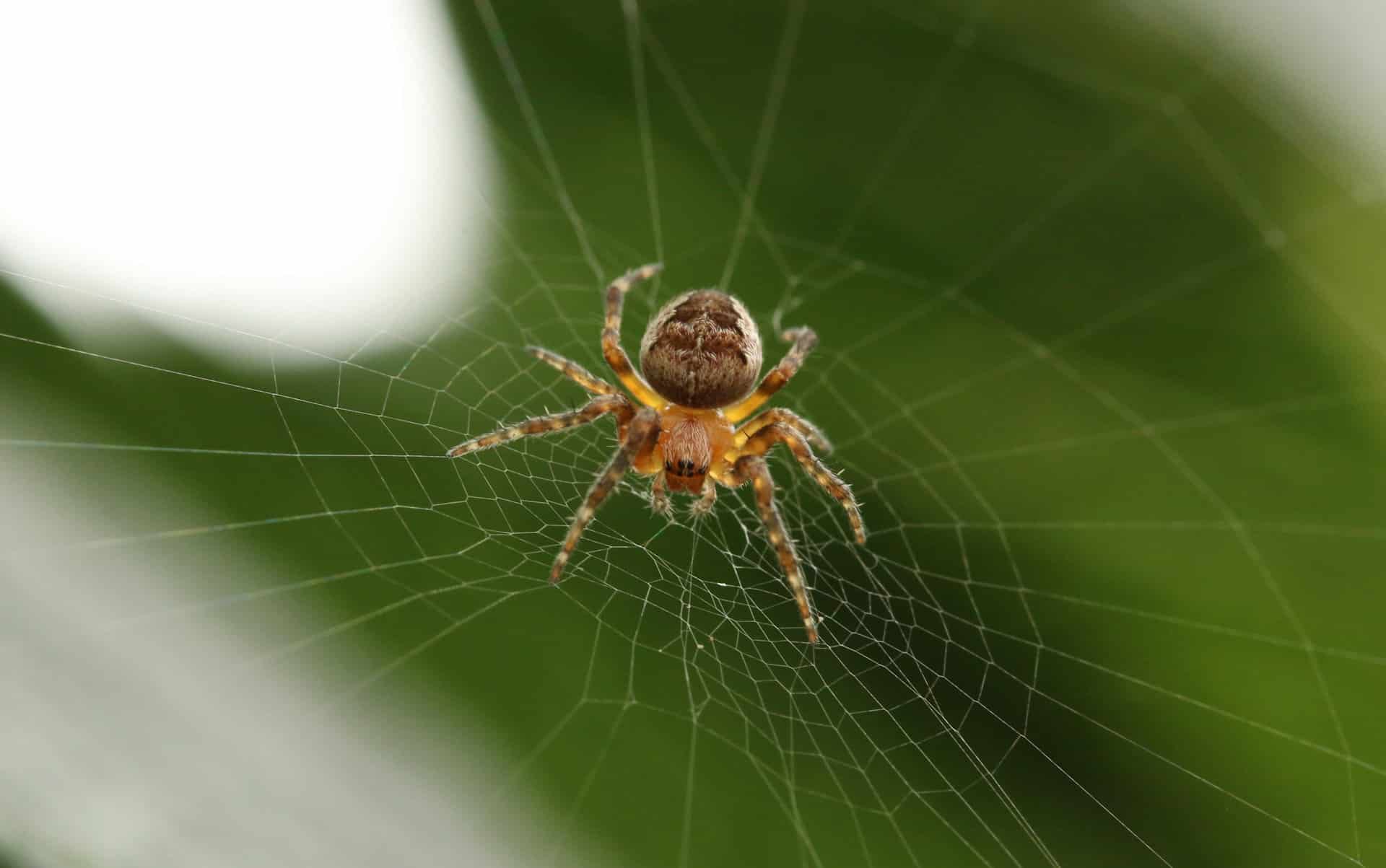

We all agree on the fact that the nursery rhyme Itsy-Bitsy Spider stops being cute when you actually face a spider.
In Texas, spiders are really common, with around 900 species found across the state. Yeah, those are lots of spiders.
Inside your house, in your garden, up in the ceiling, down to the ground, they are almost everywhere.
Spiders look mainly for shelter and food, and they usually look for undisturbed places where they can eat and live in peace.
Though most of them are not dangerous to humans, and they can help you control other bugs, there are also some dangerous spiders in Texas.
Identifying species correctly is important to know when you can handle them on your own or if you should call an expert.
That’s why professionals in spider control brought up this list of the most common types of spiders you can find in your Texas property.
Common Spiders in Texas
Jumping Spiders
At the top of the list, we find jumping spiders.
These little guys are among the most common types of spiders, and you can see them jumping here and there, moving really fast.
Jumping spiders are tiny, with different colors and stripes. These spiders have a great 360-degree sight thanks to their eight eyes all over their head, and two huge eyes in the front.
Jumping spiders bite to defend themselves, but their bites don’t harm humans, not even children. They eat caterpillars and sometimes other spiders.
Wolf Spiders
Despite their name and intimidating size, wolf spiders are not dangerous.
You can find them outside in gardens, though they might come inside your house.
If you’re looking for spiderwebs, you won’t find them because wolf spiders don’t build webs. They live and hunt on the ground.
These guys jump on their prey. Their diet mainly consists of crickets, cockroaches, and other little insects. They are not venomous but they bite.
Black Widows
Now we’re talking seriously.
Black widows are one of the most feared spiders, and yes, we have them in Texas.
You can easily identify them because of their black color, red mark on the abdomen, and long legs.
Black widows are more active in warm months, and they like small areas with tall grass, woodpiles, and sometimes they get into garages or basements, places to avoid human activity.
These spiders bite and inject a strong venom. There are around 2.200 black widow bites recorded per year, though none of them resulted in deaths. But their venom can cause reactions like:
- Vomiting
- Muscle stiffness
- Breathing problems
You should not attempt to handle black widows on your own.
American House Spider
In Texas, a common type of spider you can easily find is the American House Spider.
These guys are the famous fly-eaters. With their web, usually placed in corners, near windows or doors, they catch flies and eat them.
They are usually gray with white stripes and a round abdomen. They are harmless to humans, and they are actually great allies in pest control.
Brown Recluse
The brown recluse is a spider that typically lives inside houses, and you should be extremely careful with them.
They are brown with a violin-shaped mark, and they prefer undisturbed places, outdoors and indoors. These spiders like to hide in shoes, bed sheets, and towels.
If you’re in Texas, always make sure to check your shoes and make your bed because these guys are very common. If they feel trapped, they will bite and inject a strong venom.
Identifying Common Spiders
These are some of the most common spiders that you can find in Texas, including the venomous ones.
When it comes to spiders, it is important to know what species you’re dealing with to avoid being hurt.
For example, you can easily take out an American House spider with a glass and paper, but never, and I mean NEVER, try to handle a brown recluse or a black widow on your own.
Some species of spiders are beneficial because they eat other insects, so as long as they are controlled in numbers, they are not a problem.
But if you’re having a spider infestation problem, never hesitate to call professionals in spider control to eliminate them safely, protecting your family and pets, and addressing the root cause of the problem.
Some itsy-bitsy spiders are better outside the house.

With a Master’s in Architecture from the University of California, Berkeley, Mitchell Green has spent over two decades dedicated to the study and practical application of home fixture design. His career started in an architectural firm, providing him a strong foundation in the structural and aesthetic aspects of home interiors. Mitchell brought his comprehensive knowledge to our platform, where he has been an influential voice in our home fixtures and fittings section. Since 2018, he has been guiding our readers through the intricacies of selecting and installing fixtures, combining technical know-how with design flair. In his spare time, Mitchell is a keen photographer, capturing architectural details and design elements, an interest that complements his professional focus.