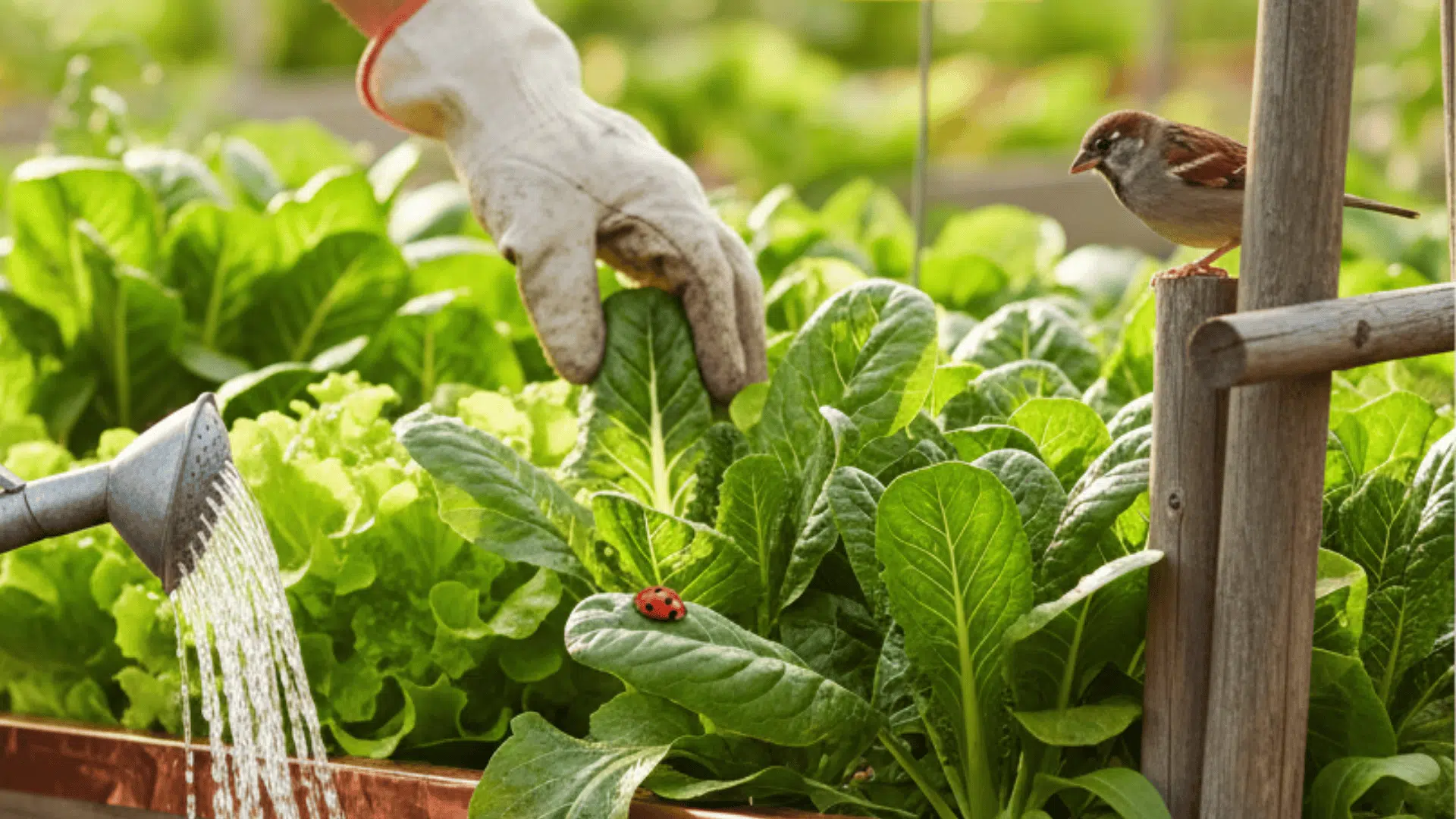

Garden pests can feel stressful, especially when leaves look chewed or new shoots start curling overnight.
Natural pest control for garden spaces focuses on working with the ecosystem instead of fighting it.
Most gardens already have helpers like birds, beetles, and beneficial insects, but they need the right conditions to keep pests in check. What you need are simple, organic methods that protect plants without relying on harsh sprays.
Understand why pests show up, how to tell when a problem is serious, and what to do for common issues like aphids, slugs, and leaf-eating bugs. The goal is steady, healthy growth.
Why Are Pests in the Garden?
Pests show up when a garden offers easy food, steady moisture, and safe hiding places. Tender new growth attracts them fast, especially when extra nitrogen creates soft leaves.
Crowded plants with low airflow, thick mulch pushed against stems, and soil that stays damp on top can also invite problems.
Early in the season, pests may arrive before predators build up, so small outbreaks are common. The situation becomes serious when plant health declines, not just when leaves look imperfect.
Seedlings and new transplants need faster help. It’s also a concern when damage spreads daily, new growth keeps getting hit, or pests appear on many plants.
Sticky leaves and curled tips suggest sap-suckers; big holes suggest chewers; slime trails suggest slugs.
Why Pesticides Aren’t the Answer
Synthetic pesticides can feel like the fastest fix, but they often create new problems in a living garden.
Broad sprays don’t just hit the pest; they can also harm pollinators and the helpful insects that keep pests from coming back.
Some pests rebound quickly after spraying because their natural predators were removed first. Repeated use can also push pests toward resistance, so the product works less over time.
Sprays can miss the real cause, too, like excess nitrogen, crowded plants, or soil that stays wet.
A calm, targeted plan usually solves the problem with fewer side effects and a healthier garden long-term.
Types of Pest Situations in a Garden
Most garden pest issues fit into a few common patterns. Spotting the pattern first helps choose a gentle fix that actually matches the problem.
- Sap-suckers (aphids, whiteflies): cluster on new growth; cause curling, sticky residue, weak tips.
- Chewers (caterpillars, beetles, earwigs): leave holes, ragged edges, missing leaf sections, or seedlings.
- Slugs and snails: feed at night; leave shredded leaves and slime trails, hit seedlings hard.
- Soil and root pests (larvae, root feeders): plants look stressed despite watering; stunting or poor vigor.
- Tiny pests (mites, thrips): stippling, bronzing, distorted new growth; often missed without close checks.
- Not pests (stress/disease): sun scorch, overwatering, nutrient issues can mimic insect damage.
Once the pattern is clear, the next step is choosing the most targeted, low-impact control.
Pest Control Using Sprays

Sprays work best when they’re used like a targeted tool, not a blanket fix. The goal is to hit the pest directly, protect beneficial insects, and stop once the problem is under control.
1. Insecticidal Soap Spray
Mix 1 quart (1 liter) of water with 1 teaspoon of pure liquid soap (castile-style, not degreasing). Spray until leaves are evenly wet, especially undersides where pests hide.
Use early morning or evening. Repeat every 3–5 days while pests remain visible.
2. Neem Oil Spray
Neem is a plant-based oil used for ongoing pressure from soft-bodied insects and some mites. Mix exactly as the product label says, so it emulsifies well.
Spray both sides of the leaves lightly but thoroughly. Use in cool hours, avoid hot sun, and stop if leaves show stress.
3. Horticultural Oil Spray
Horticultural oil controls pests by smothering them on contact, especially eggs and slow-moving insects. Mix per label, then coat stems and leaf undersides evenly.
Apply on calm days. Avoid spraying drought-stressed plants, and don’t spray right before extreme heat or a cold snap.
Pest Control With Plants

Some plants act like “natural helpers” by confusing pests with scent or attracting beneficial insects that hunt them.
- Marigold: useful around borders; helps reduce certain soil pest pressure over time.
- Basil: plant near tomatoes/peppers; strong scent can reduce pest interest.
- Chives/garlic family: plant near greens; scent can make sap-suckers settle less.
- Nasturtium: works as a trap plant; often pulls aphids away from favorites.
- Dill/cilantro (let flower): attracts beneficial insects that feed on common pests.
They don’t replace monitoring, but they can lower pressure and make outbreaks less likely.
Pest Control Against Rodents

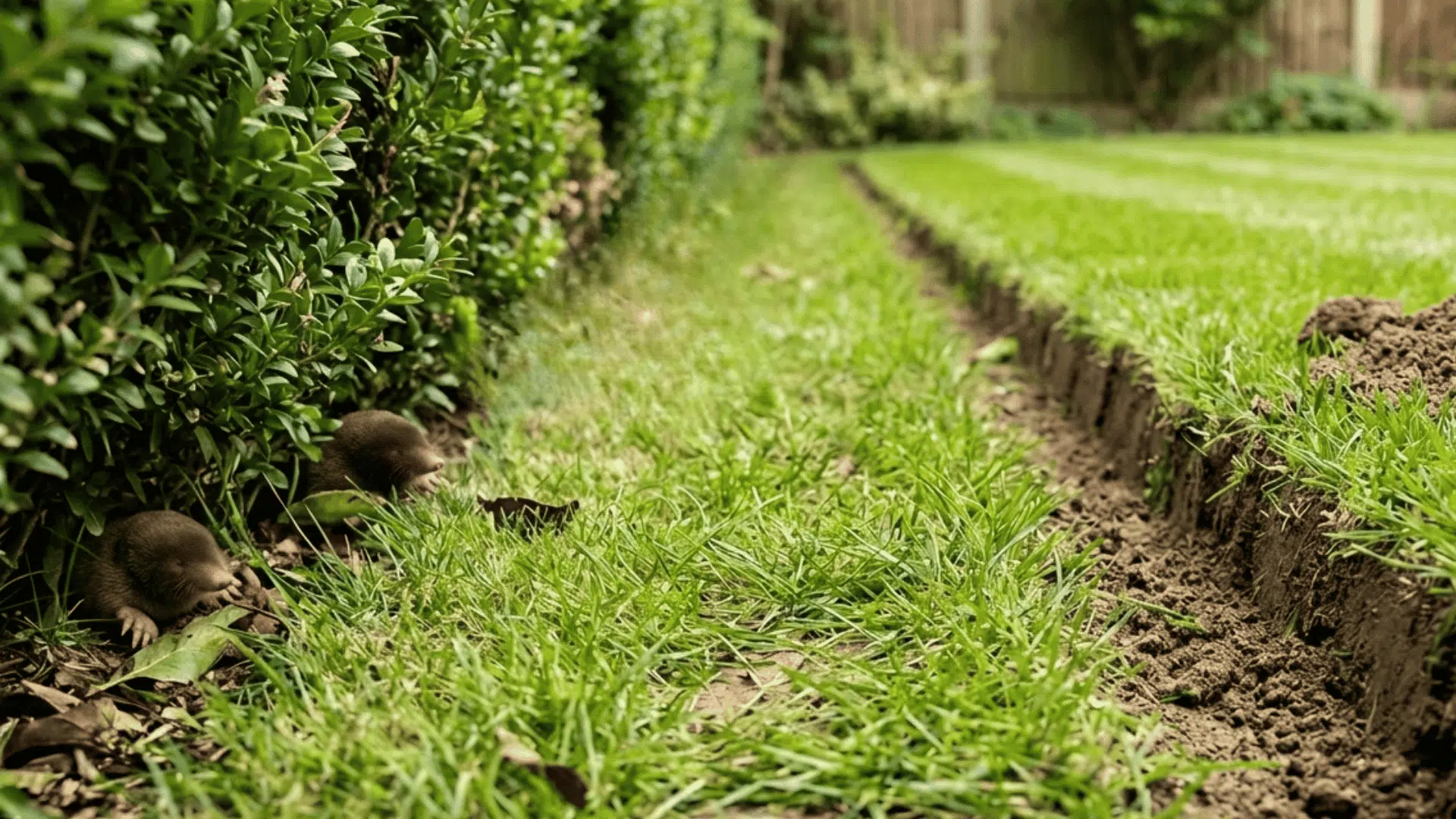
Rodents can undo weeks of growth in a single night, so prevention matters more than “after-the-fact” fixes. These methods focus on blocking access, removing hiding spots, and breaking repetitive habits without harm.
1. Fence the Bed Edges
Use a tight mesh fence and bury the bottom edge to block digging. Keep the fence snug with no gaps at corners or gates.
This works best as a first step because it prevents repeat visits instead of chasing rodents out after damage starts.
2. Protect Seedlings With Collars
Wrap young plants with hardware cloth collars so rodents can’t chew stems at the soil level. Push collars slightly into the soil and leave a few inches above ground.
This is most helpful for seedlings and tender transplants that get hit overnight.
3. Remove Hiding Spots and Food
Trim weeds, tall grass, and clutter near beds, so rodents have fewer safe paths. Clean up fallen fruit, spilled seed, and easy compost access.
When food and cover disappear together, rodents tend to move on without needing harsher controls.
4. Use Motion Sprinklers as a Deterrent
Place motion sprinklers along common entry routes and rotate their position every few days. The sudden spray interrupts routine travel patterns and discourages repeat visits without harm.
This method works best when paired with fencing so rodents can’t simply re-enter elsewhere.
Stubborn Garden Pest Problems and Simple Fixes

Some pest issues linger because the garden keeps offering the exact conditions those pests love.
This quick table matches common stubborn problems to the simplest, most gentle “next move” that usually helps.
| Stubborn problem | What usually causes it | Simple solution |
|---|---|---|
| Aphids keep coming back | Soft new growth + ants protecting aphids | Rinse with water every few days, prune the worst tips, treat ants, then use insecticidal soap only on hotspots |
| Slugs still eat seedlings | Night feeding + damp hiding spots | Water in the morning, reduce mulch touching stems, hand-pick at night for a week, protect seedlings with physical barriers |
| Whiteflies won’t clear | Underside colonies + warm still air | Increase airflow, rinse undersides, use yellow sticky traps to track adults, spot-treat with soap/oil in cool hours |
| Chewed leaves with no pest seen | Night chewers hiding in debris | Check at dusk with a flashlight, remove debris, hand-pick, and protect young plants with row cover until they toughen |
| Fungus gnats in pots/seed trays | Constantly wet topsoil | Let the top layer dry, bottom-water for a while, use sticky traps, and consider a targeted BTI drench if larvae persist |
Pro tip: If the same pest returns weekly, change one growing condition (water timing, airflow, cleanup, or barriers) before adding another spray.
How to Prevent Pest Situations?
Prevention starts with making the garden less “easy” for pests. Keep plants spaced so air moves through leaves, and prune crowded growth before it becomes a hiding zone.
Water in the morning and aim at the soil, not foliage, so surfaces dry before night. Avoid overfeeding with nitrogen, which can create soft, pest-prone new growth.
Remove damaged leaves, fallen fruit, and rotting debris that attracts insects and slugs. Rotate crop families each season so the same pests don’t build up in the same spot.
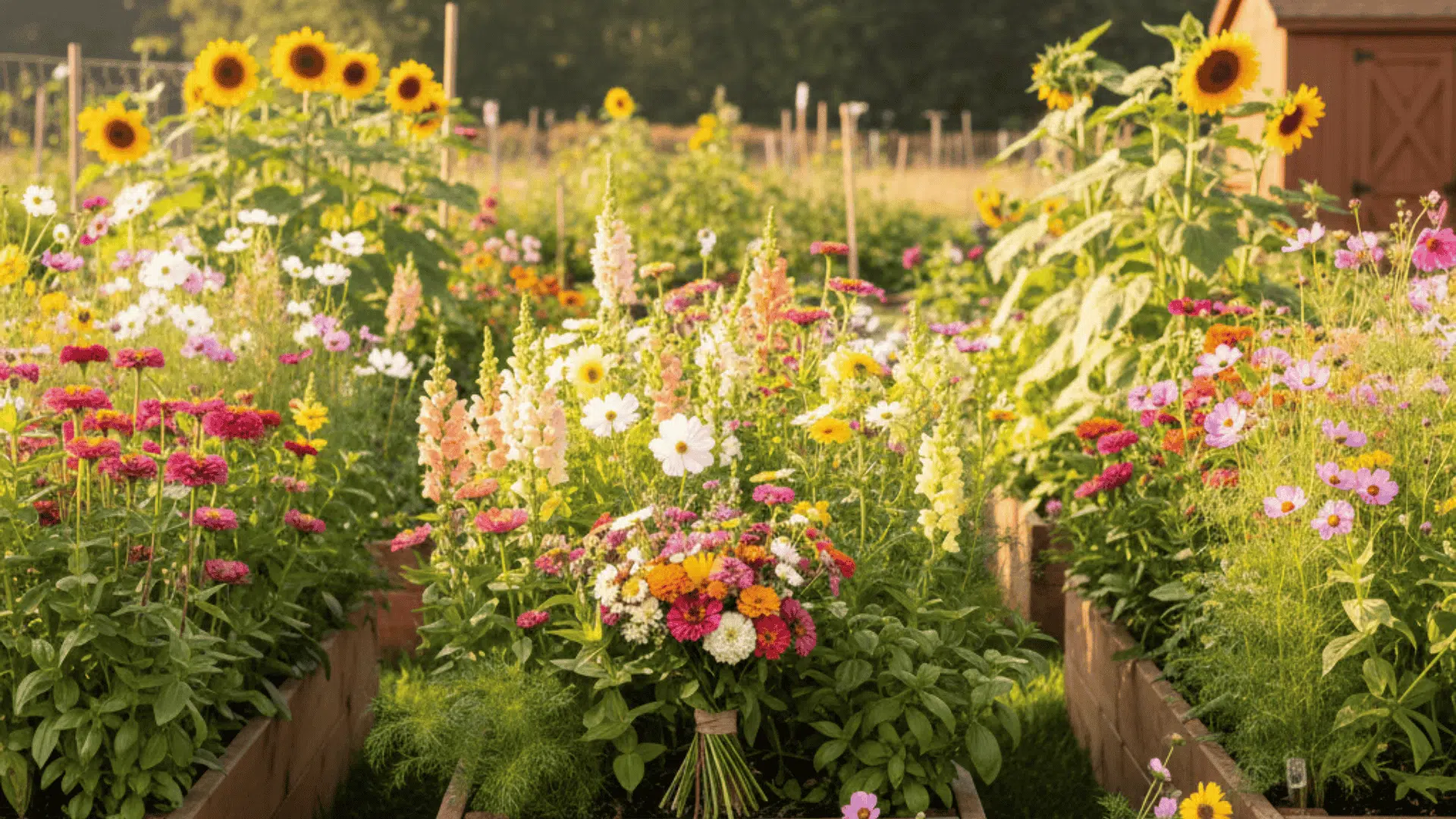
Add a mix of flowering plants near beds to support beneficial insects.
Check plants weekly, especially undersides, so small problems stay small.
Conclusion
Natural pest control works best when the garden stays balanced, and the response stays targeted.
Most pest issues improve once food, moisture, and hiding spots are reduced, and plants are given room to grow strong.
When action is needed, gentle steps like rinsing, hand-picking, barriers, and careful spot-sprays protect plants without turning the whole garden into a spray zone.
Prevention does the real heavy lifting because it keeps outbreaks from becoming routine.
If a specific pest keeps returning, adjusting one condition often matters more than adding a stronger product. Share what pests show up most and what has worked so far in the comments.

With a Master’s in Landscape Architecture from the University of Virginia, Sophia Stephenson has dedicated the last 20 years to creating and maintaining vibrant outdoor spaces. Her professional journey started in landscape design, where she gained a reputation for innovative and sustainable approaches. Sophia became a part of our editorial team as a freelancer in 2019, offering a fresh perspective on outdoor living. Since 2020, she has been the chief for our outdoor design content, blending aesthetic appeal with environmental stewardship. In her leisure time, Sophia is a keen photographer, capturing the beauty of natural landscapes, a hobby that complements her professional expertise.