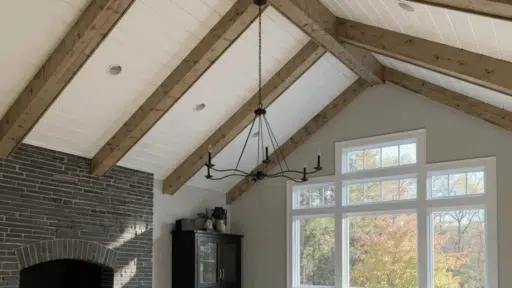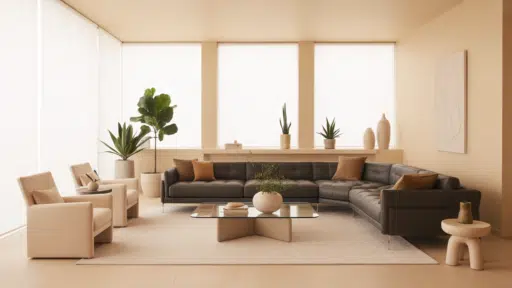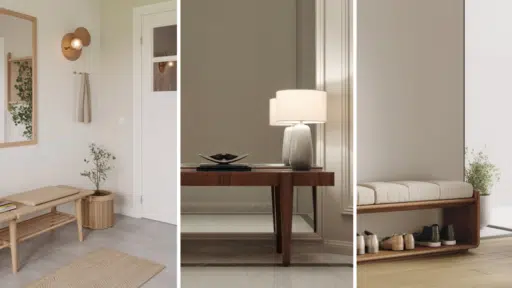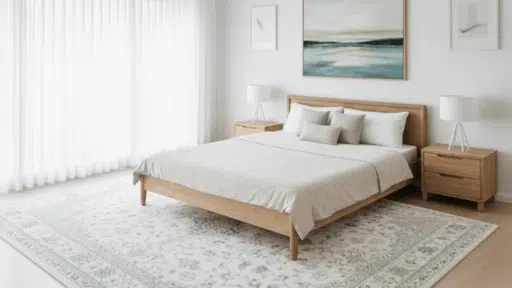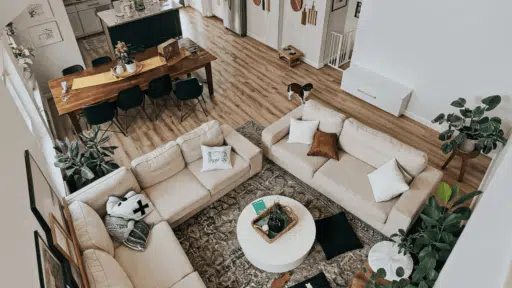
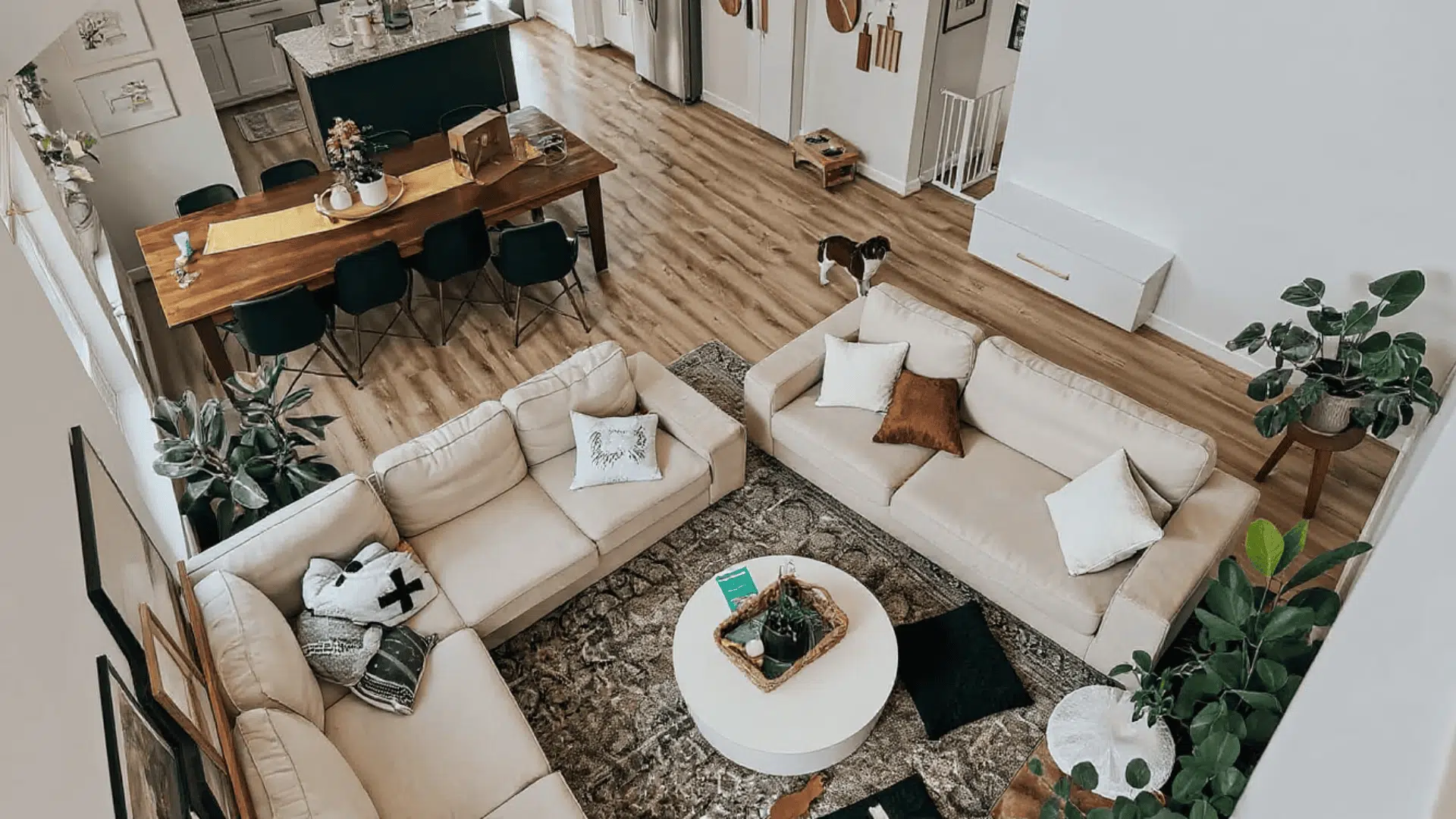

Walls once defined how homes functioned, but modern living has shifted that idea in subtle ways.
An open concept house reflects this change by reshaping how space, movement, and connection come together under one roof.
Instead of separating daily activities, the layout allows them to exist side by side, quietly changing how a home feels and operates.
Light travels further, spaces feel broader, and routines blend more naturally. Yet this design is not only about removing walls.
The choices behind layout, balance, and practicality matter just as much.
The sections ahead explain how this type of home works, why it appeals to many, and what to consider before choosing it.
What Is an Open Concept House?
An open concept house is a home layout where two or more main living areas are joined into one large, open space.
Instead of separate rooms divided by walls, spaces like the kitchen, dining area, and living room flow together.
This type of layout focuses on openness and connection. Movement between areas feels natural, and sightlines remain clear across the space. Natural light can travel more freely, making the home feel brighter and more spacious.
Open concept houses are often found in modern and updated homes, but older houses may also be remodeled to follow this layout.
While walls are reduced, the space is still organized through furniture placement, lighting, and flooring choices.
Key Features of an Open Concept House
An open concept house replaces walls with visual and functional continuity. These features work together to keep the layout open while maintaining structure, comfort, and usability:
1. Fewer Interior Walls
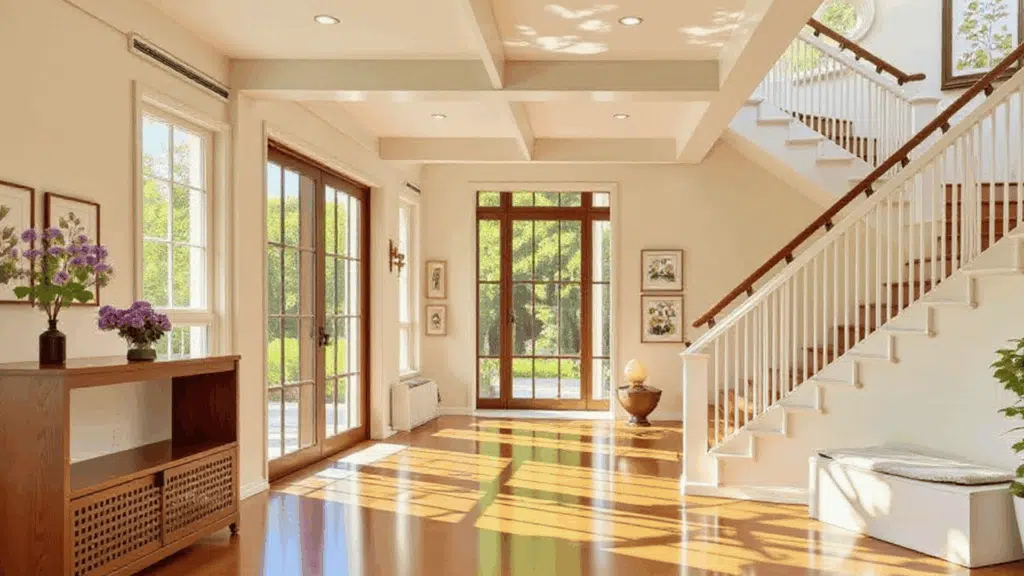
An open concept house reduces the number of interior walls to create a continuous living area.
Removing physical barriers allows spaces to feel less confined and more connected.
This layout supports easier movement between areas and improves overall visibility within the home.
Fewer walls also allow light and air to circulate more evenly.
While structural elements may still exist, the layout relies on openness rather than separation, helping the home feel larger and more adaptable to everyday living needs.
2. Consistent Color Palette
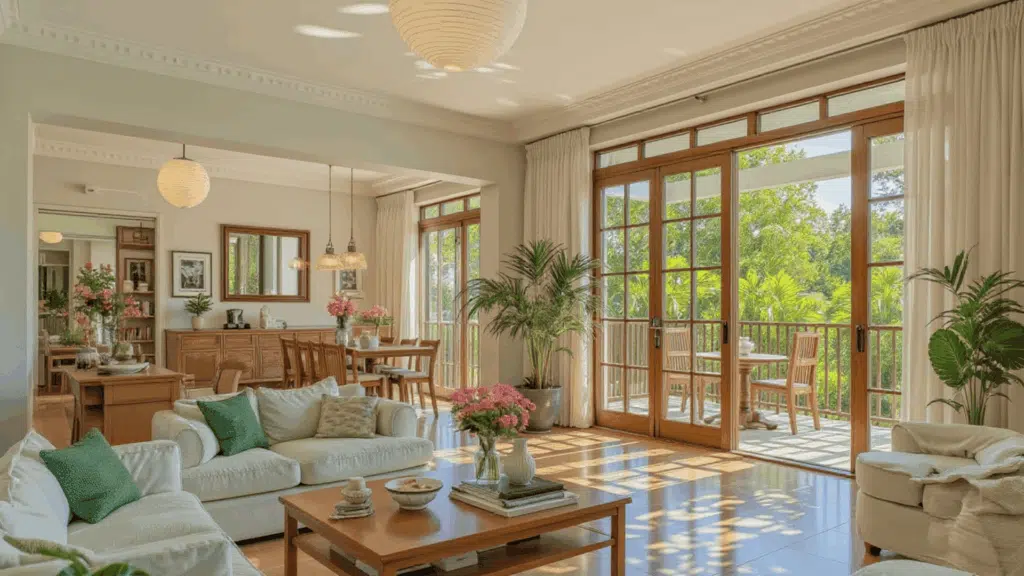
A consistent color palette helps maintain visual order across an open concept house. Using related tones on walls, floors, and finishes prevents the space from feeling fragmented.
Soft neutrals often serve as the foundation, while slightly darker or warmer shades add depth.
Color continuity allows different areas to feel connected without appearing identical.
Decorative elements introduce variation while keeping the overall look steady, supporting a smooth visual transition between functional zones.
Looking for seasonal color ideas?
See how fall tones work in modern spaces.
3. Flexible Furniture Layout
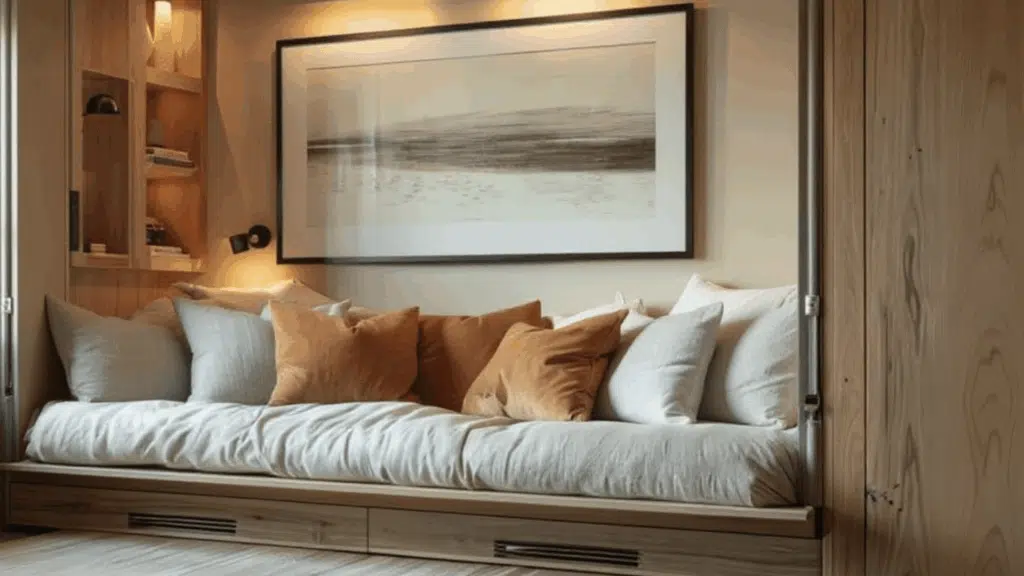
Furniture plays a central role in shaping an open concept house. Seating, tables, and storage pieces are arranged to define areas without using walls.
This allows the layout to change over time based on needs.
Furniture placement supports function while keeping the space open and accessible.
Rugs, shelving, and seating direction help signal different uses within the same area, making the layout practical without closing off sections.
Need help coordinating furniture and décor? This guide breaks it down simply.
4. Unified Flooring
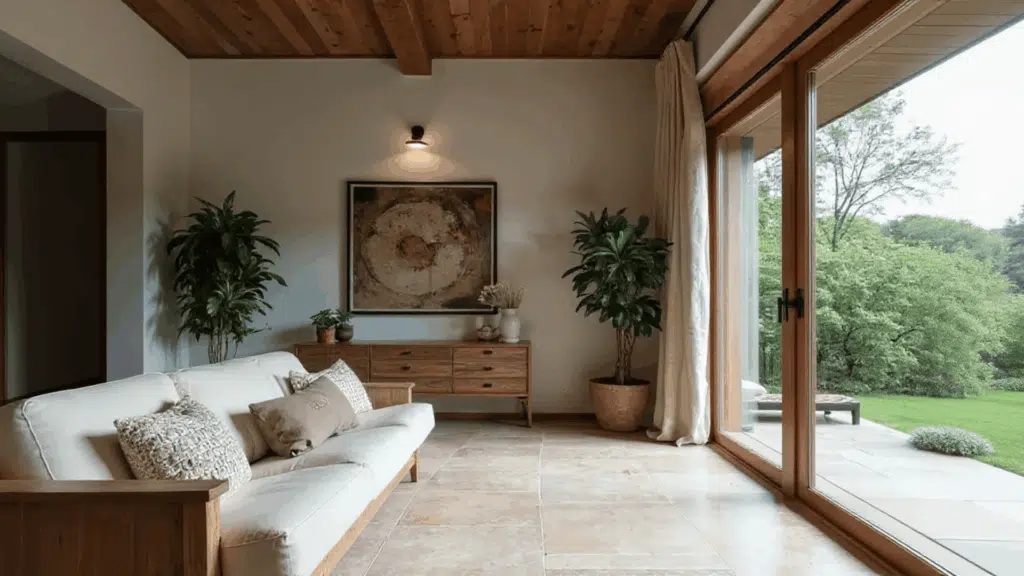
Unified flooring creates a strong sense of continuity in an open concept house.
Using the same flooring material across connected areas avoids visual breaks that can disrupt flow. This approach helps the space feel cohesive and well planned.
Flooring choices are often durable and neutral to suit multiple functions.
Consistent flooring also supports easier maintenance and reinforces the open layout by visually tying different living zones together.
5. Open Sightlines
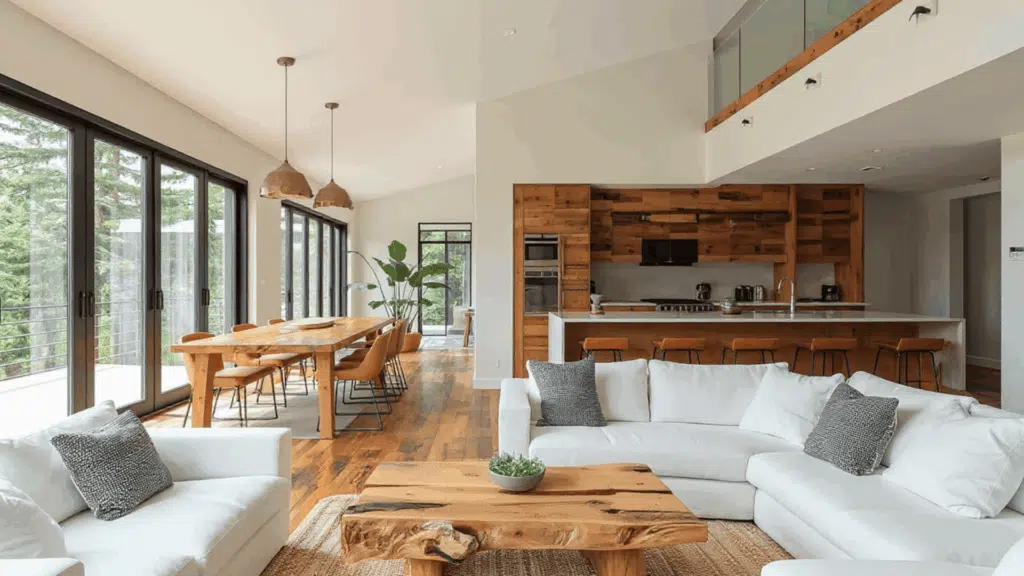
Open sightlines allow clear views across multiple areas of the home.
Without walls blocking vision, the space feels more spacious and less restrictive. This feature supports easier communication and improves awareness of activity throughout the home.
Open views also help natural light reach deeper areas, reducing the need for artificial lighting during the day.
Sightlines play a key role in maintaining openness while still allowing distinct zones to exist within the layout.
Pros and Cons of an Open Concept House
An open concept house offers a layout that emphasizes connection and openness.
While this design supports shared living and flexibility, it also introduces challenges related to privacy and control.
Reviewing both sides helps determine if this layout aligns with household needs and daily routines.
Benefits Open layouts support light, movement, and shared use of space.
|
Drawbacks Reduced separation can affect comfort and functionality.
|
Who Should Choose an Open Concept House?
An open concept house suits households that prefer shared spaces and visual openness.
This layout works well for families who spend time together and want easy interaction across living areas.
It is also a practical choice for smaller homes, where fewer walls help reduce a closed-in feel.
People who host guests often may benefit from the open flow between rooms.
However, homes that require quiet work areas or strong privacy may find this layout less suitable.
Design Tips for an Open Concept House
An open concept house works best when the space is planned to stay functional, organized, and visually balanced.
Simple design choices help define areas without breaking the open layout:
- Use furniture placement to create clear zones for cooking, dining, and relaxing
- Choose a consistent color scheme to maintain visual flow
- Add layered lighting to support different activities in each area
- Include smart storage solutions to control visible clutter
- Select materials that help reduce noise across open spaces
- Keep pathways open to support easy movement throughout the layout
Struggling with spacing?
Learn clear methods for arranging living room furniture.
Final Thoughts
An open concept house brings together design, function, and lifestyle in a way that feels intentional rather than forced.
With fewer interior walls to shared living areas, this layout focuses on connection while still requiring thoughtful planning.
Color consistency, furniture placement, and flooring choices help maintain balance, while clear advantages and limitations shape how the space performs day to day.
Not every home or household will benefit equally, but for many, the open layout supports flexibility and a sense of flow.
Have you lived in an open concept house, or do you prefer defined rooms?
Share your experience or favorite layout ideas below.

With a Master in Architectural Studies from University of Pennysylvania, Marwa Haydar has pioneered living spaces since 2005. Her expertise, initially honed in a prestigious architectural firm, is evident in her approach to creating environments. Marwa became part of our team in 2019 and has since been a driving force in our home improvement section, known for her practical yet stylish solutions. She’s been spearheading our design workshops since then, infusing her passion for teaching into her work. In her leisure time, Marwa enjoys exploring historic architecture and is an enthusiastic pottery hobbyist, further enriching her understanding of form and texture.