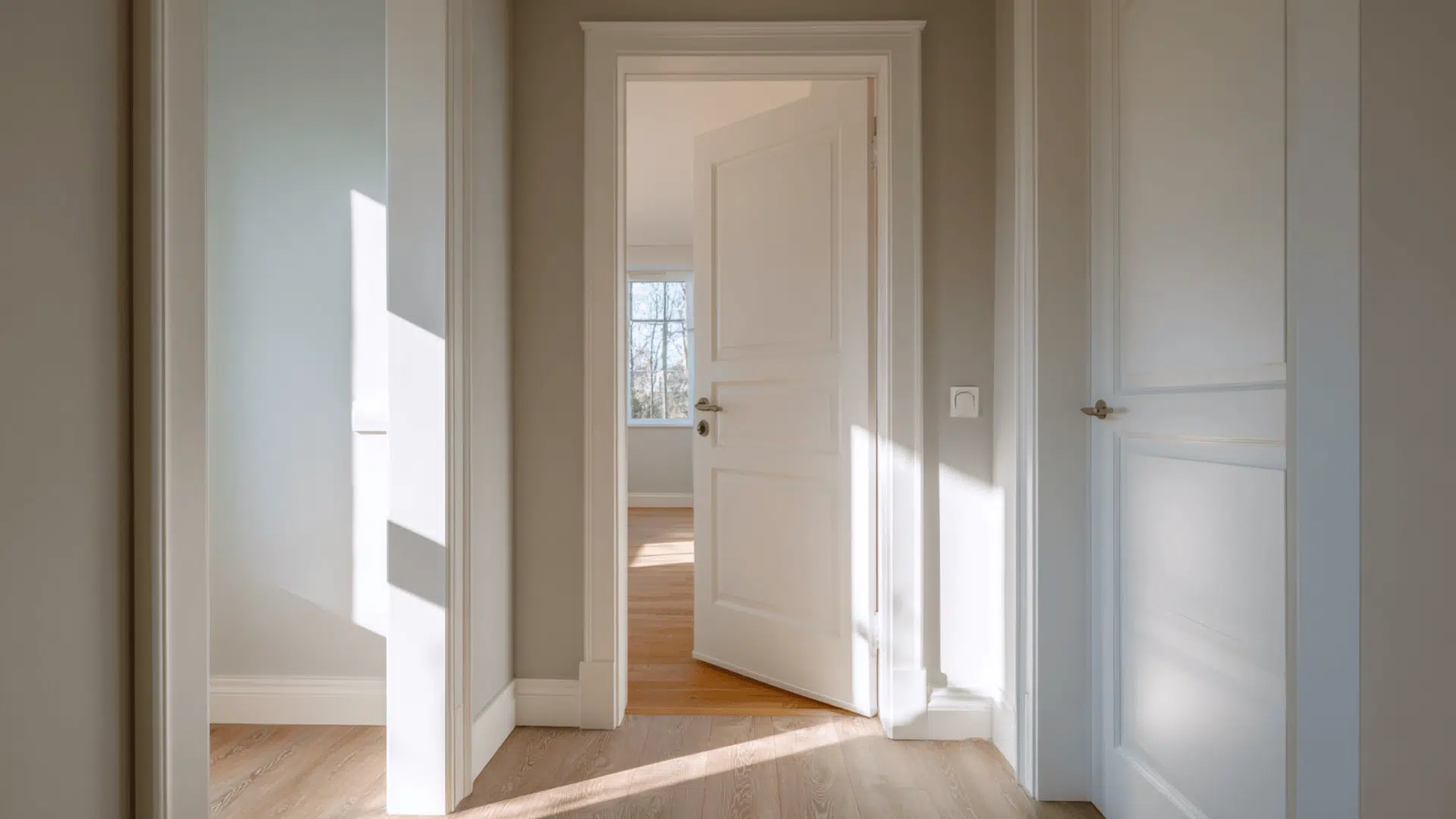

Choosing the right door size can make a big difference in how a room feels and functions. Many homes follow common measurements, but the right fit depends on how the space is used and who moves through it.
When people search for standard door width, they often find that not all doors follow the same rules, and small details, like clear openings, frame depth, and door types, can change what works best.
Today, you’ll learn how different widths are used throughout the home, how to measure accurately, and what to do if your doorway isn’t a common size. By the end, you’ll know exactly which option fits your needs.
Most Common Standard Door Widths in The U.S.A
Most homes follow a few common door widths. These sizes make it easier to replace doors, meet building rules, and keep rooms easy to access. The standard width depends on the type of door and how the space is used.
Common Door Widths by Door Type
| Door Type | Typical Widths | Notes |
|---|---|---|
| Interior doors | 28″, 30″, 32″, 36″ | 32″ is the most common in modern homes. |
| Exterior doors | 36″ | Main entry doors in most homes. |
| Closet doors | 24″, 28″, 30″ | Small rooms may use 24″. |
| Sliding glass doors | 60″, 72″, 96″ | Measured as total opening width. |
| French doors | 60″–72″ total (two 30″–36″ doors) | Each side opens for a wider entry. |
Standard Interior Door Widths

Interior door sizes can vary, but most homes use a few common widths. These sizes help rooms feel comfortable and meet basic building needs.
Most Common Interior Door Sizes
- 30 inches – Often used for bedrooms and bathrooms in older or smaller homes.
- 32 inches – The most common size in modern homes.
- 36 inches – Used for better access and more space when moving furniture.
Room-by-Room Recommendations
Here is a simple guide to help you choose the right width for each area:
| Room or Area | Recommended Width | Notes |
|---|---|---|
| Bedrooms | 30″ or 32″ | 32″ offers more room to move. |
| Bathrooms | 28″ or 30″ | Tight layouts may use 28″. |
| Hallways | 32″ | Helps keep traffic moving. |
| Laundry room | 32″ or 36″ | Wider doors fit large machines. |
| Pantry | 24″–30″ | Depends on shelf depth. |
| Closets (hinged) | 24″–30″ | Small rooms often use 24″. |
| Closets (bifold) | 24″–36″ per panel | Good for tight spaces. |
| Closets (sliding) | 60″ or wider total | Works well for long closets. |
Height and Thickness of Interior Doors
Most interior doors are 80 inches tall. Some homes use 84-inch or 96-inch doors for higher ceilings or a more open feel.
Interior door thickness is usually 1-3/8 inches. Heavier or higher-end doors may be 1-3/4 inches thick, which adds strength and reduces noise.
Standard Exterior Door Widths

Exterior doors need enough room for everyday use, safe entry, and moving large items. Most homes follow a few standard sizes, but older houses and custom builds can vary.
Entry Doors
The most common entry door size is 36 inches wide and 80 inches tall. This width works well for daily use and allows furniture to pass through without trouble.
Some older homes may have 32-inch or 34-inch entry doors. These can feel tight and may not meet modern access needs.
Oversized and Custom Options
Many newer homes include larger entry doors for a wider opening and a stronger first impression.
You’ll often see:
- 40–45 inch wide doors
- 8 to 10 foot tall doors
These doors need a stronger frame and may require special hardware because of their weight.
Front Door Material Options
The door material affects weight, strength, and sometimes the size options available.
Fiberglass doors: Light, strong, and stable. They work well in most standard and oversized sizes.
Steel doors: Heavier and very strong. They may need reinforced hinges, especially in wider sizes.
Wood doors: Heavier than fiberglass and can change with humidity. Wider or taller wood doors often need extra support to prevent warping.
Accessibility Door Width Requirements

Doorways need enough space for safe and comfortable movement. This matters most when someone uses a mobility device or plans for long-term access in the home.
ADA Rules for Residential vs. Commercial
The ADA Guidelines set clear rules for public and commercial spaces. These rules require a 32-inch minimum clear opening when the door is fully open.
Homes do not always need to follow strict ADA rules. Still, many homeowners aim for the same standard to support future needs and easier access for guests.
Best Widths for Mobility Devices
Different mobility devices need different amounts of space. Here is a simple guide to help you choose the right width:
- Wheelchairs: A minimum clear opening of 32″ works, but 34″–36″ feels more comfortable.
- Walkers: Most walkers fit through a 30″ door, but 32″ or wider makes movement easier.
- Strollers: Standard strollers pass through 30″–32″ doors. Larger models need a bit more space
When It Makes Sense to Choose a 36-Inch Door
This is a common pick when you want more space to move. It makes the home easier to use for wheelchairs, walkers, and wide items like appliances or furniture.
A 36-inch door is a good choice when you need more room for daily movement. It helps if someone uses a mobility device, if you want better long-term access, or if your hallways feel tight. It also works well during remodels when you want a wider, more open entry.
How to Measure Door Width Correctly
Measuring a door the right way helps you choose the right size and avoid fitting issues. It’s important to check the slab, the frame, and the rough opening because each one can change the final width you need.
1. Measuring the Slab
The slab is the door itself. A “36-inch door” refers to the slab size, not the full opening.
Most 36″ slabs measure close to 35-3/4″, and the frame adds extra width, which is why the full opening is larger than the slab alone.
2. Measuring the Frame
The frame holds the door in place and changes the total width.
- Frame width: Measure from the inside edge of one frame side to the other.
- Jamb width: Check the thickness of the wall the jamb must cover.
- Trim removal: Remove or lift the trim if needed to see the real frame edges.
These steps help you get an accurate measurement before buying a new door.
3 . Measuring Rough Openings
The rough opening is the space in the wall before the frame is installed. It must be larger than the door slab so the frame can fit and be adjusted.
Here is a simple guide:
| Door Slab Size | Typical Rough Opening |
|---|---|
| 30-inch door | 32-inch rough opening |
| 32-inch door | 34-inch rough opening |
| 36-inch door | 38-inch rough opening |
What If Your Home Has a Non-Standard Door Width?
Many older homes and small rooms have door widths that don’t match today’s common sizes. You can often work with what you have, but some situations call for changes to the frame or wall.
Reusing the Frame
You can keep the existing frame if the opening is in good shape and close to a common size.
A slightly narrow or wide frame can sometimes take a custom-cut slab or a small adjustment to the hinges and latch area.
When You Must Widen the Opening
You’ll need to widen the opening if the frame is too small for safe access or if it’s far from any standard size.
This often requires cutting drywall, moving studs, and installing a new frame.
Cost Considerations
Costs vary based on the work needed. Reusing a frame is the lowest cost, while widening an opening adds labor for framing, drywall, and trim. Oversized or specialty doors often cost more and may need stronger hardware.
Custom Door Options: Where to Buy
If the opening is unique, you can order a custom slab or prehung door.
Where to buy: AIT Doors USA, The Custom Door Company
Custom options match unusual widths and heights, letting you keep the current opening without major wall changes.
Wrapping Up
Choosing the right door size helps your home stay comfortable, safe, and easy to move through as your needs change.
When you understand standard door width options, it becomes simpler to update a room, plan for better access, or replace an older door with confidence.
Non-standard openings can still work well with careful measuring and the right products, including custom choices when needed. Think about how each space is used, who moves through it, and whether future updates might require a wider entry.
If you want more home improvement tips, explore the other guides on the website to learn more.

Holding a Master’s in Construction Management from Purdue University, William Ray has dedicated more than two decades to studying and applying construction principles. His professional journey includes a tenure with a prominent construction firm, where he specialized in project management and building technologies. William brought his knowledge to our team, providing in-depth insights into practical construction techniques. As the leader of our beginner’s guide to building since 2019, he has a knack for breaking down intricate processes into easily digestible content. When not involved in writing or onsite consultations, William enjoys woodworking and volunteering in community building projects, which aligns with his passion for hands-on construction and community service.