
When I started working with homeowners on exterior renovations, I quickly learned that choosing the right roof color is just as crucial as selecting the perfect paint for your siding. Your roof covers 40% of your home’s visible exterior, yet most people spend weeks agonizing over paint chips while treating their roof as an afterthought.
That’s a costly mistake. The wrong roof color can make even the most carefully chosen paint scheme look off, while the right one can elevate your entire exterior from “nice” to “magazine-worthy.”
After helping hundreds of homeowners coordinate their roofing projects with their exterior color palettes, I’ve developed a systematic approach to choosing roof shingle colors that complement your home’s architecture and boost resale value. Let me walk you through everything you need to know.
Why Your Roof Color Matters More Than You Think
I’ve seen homeowners invest $15,000 in a new roof only to realize six months later that the color clashes with their freshly painted siding. Unlike paint, which you can change for a few thousand dollars, a roof replacement is a 15-to-25-year commitment depending on the material you choose.
Your roof color affects three critical aspects of your home:
Curb Appeal and Resale Value: Real estate agents consistently report that homes with well-coordinated exteriors sell 7% to 10% faster than similar homes with mismatched color schemes. The roof is the first thing buyers notice when they drive up.
Energy Efficiency: Dark roofs absorb 80% to 90% of solar radiation, while light-colored roofs reflect 50% to 70%. In hot climates, choosing a lighter roof can reduce cooling costs by $200 to $400 annually. In colder regions, darker roofs help melt snow and ice faster.
Architectural Harmony: Traditional colonial homes look wrong with ultra-modern gray roofs. Contemporary designs clash with warm brown shingles. Getting this match right requires understanding both your home’s architectural style and color theory fundamentals.
Understanding Roof Shingle Color Families
Before we dive into specific combinations, let’s break down the main color families available in asphalt shingles. Different types of roof shingles offer varying color options and dimensional effects, so understanding the material matters as much as the color. Most manufacturers offer variations within these core groups.
Black and Charcoal Shingles
These timeless options work with almost any exterior color scheme. Charcoal creates slightly more visual interest than pure black by adding subtle gray undertones. I recommend charcoal over black for most applications because it shows less dirt and provides better dimensional depth.
Best with: White, cream, gray, blue, green, or red siding Avoid with: Dark brown or dark gray siding (too heavy) Popular options: GAF Timberline HDZ in Charcoal, CertainTeed Landmark in Moire Black
Gray Shingles (Light to Medium)
Gray has become the most requested roof color over the past decade. It reads as modern and sophisticated without the heat absorption issues of black. Light grays pair beautifully with cool-toned paint schemes, while medium grays offer more contrast.
Best with: White, light gray, blue-gray, or sage green siding Avoid with: Warm beige or tan (creates muddy look) Popular options: Owens Corning Duration in Driftwood, GAF Timberline HDZ in Weathered Wood
Brown and Earth Tone Shingles
Brown shingles range from rich chocolate to warm caramel. These work exceptionally well with traditional and rustic architectural styles. The warmth complements brick, stone, and wood-sided homes beautifully.
Best with: Cream, tan, warm gray, or natural wood siding Avoid with: Cool grays or stark white (temperature clash) Popular options: CertainTeed Landmark in Resawn Shake, Owens Corning Duration in Teak
Green and Blue-Gray Shingles
These specialty colors create unique looks but require careful coordination. I only recommend them for specific architectural styles and carefully planned color schemes. When they work, they’re stunning. When they don’t, they’re expensive mistakes.
Best with: White, cream, or complementary earth tones Avoid with: Most brick or stone (too busy) Use for: Coastal homes, craftsman styles, or homes with significant landscaping
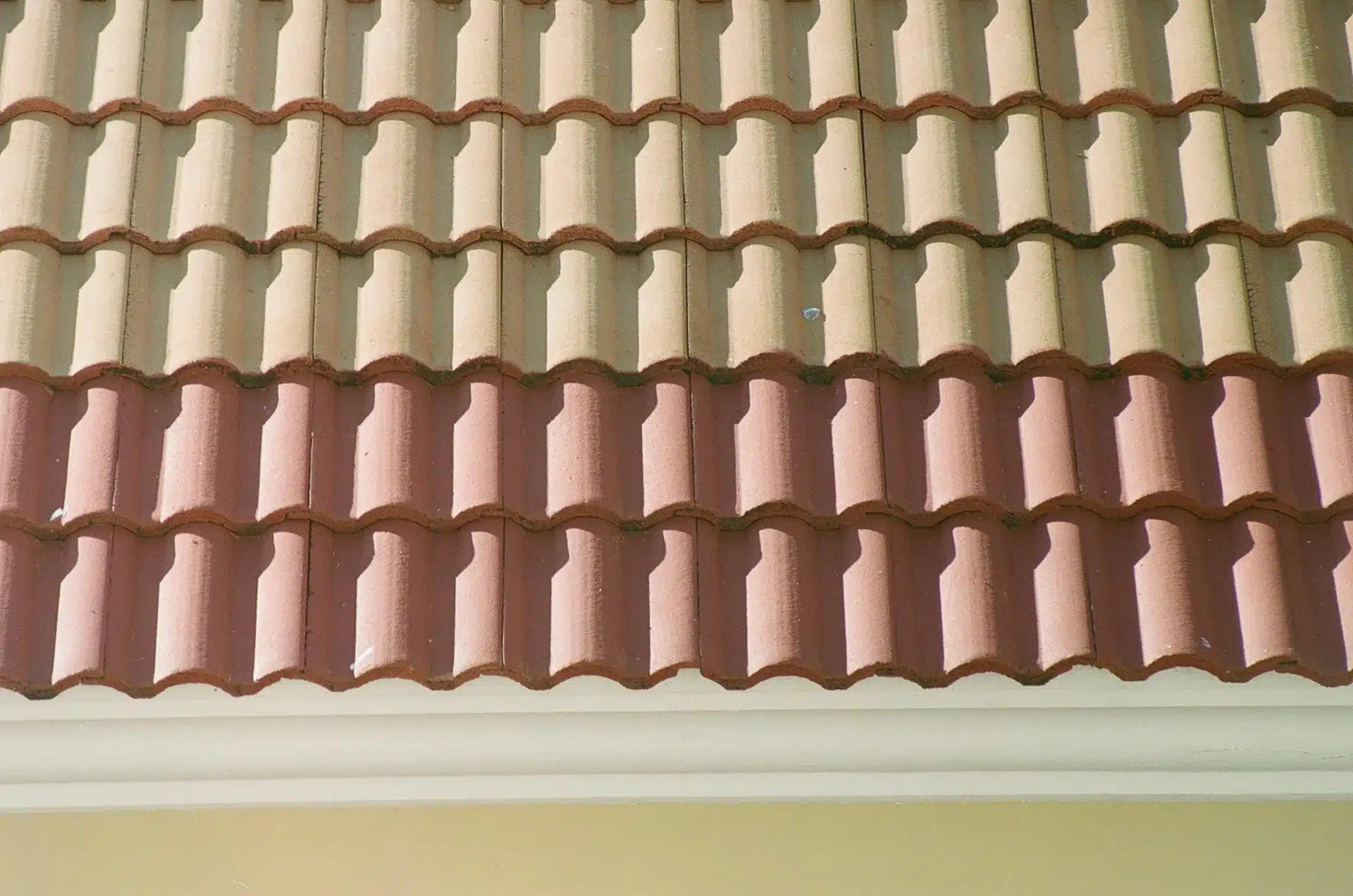
Red and Terracotta Shingles
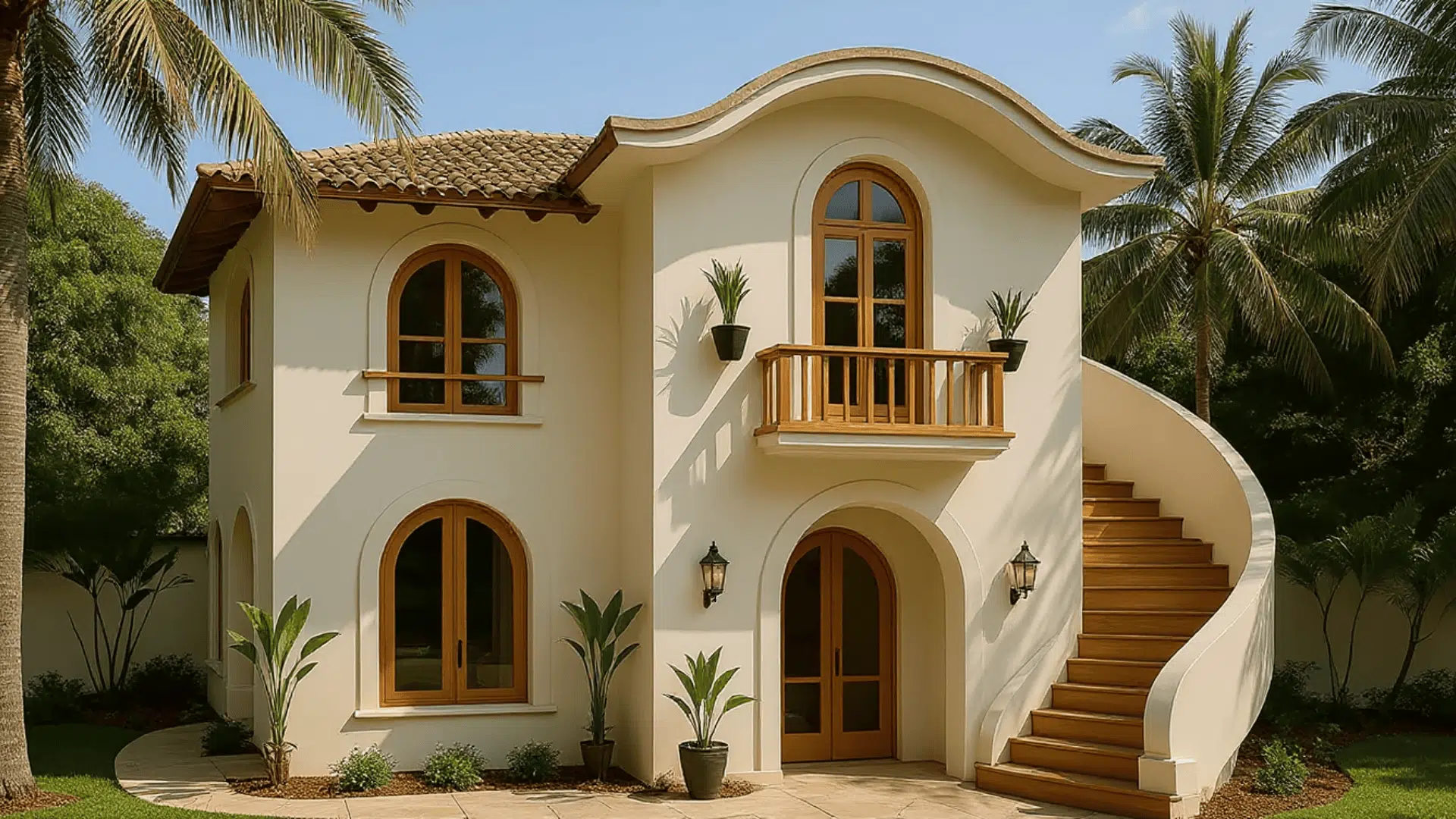
These bold choices work best on Mediterranean, Spanish, or Tuscan-style homes. They pair naturally with stucco and stone exteriors. In the right context, red roofs create dramatic curb appeal that competitors can’t match.
Best with: White, cream, or warm tan stucco Avoid with: Most siding colors outside Mediterranean styles Regional consideration: More common in Southern and Southwestern markets
Matching Roof Colors to Popular Exterior Paint Colors
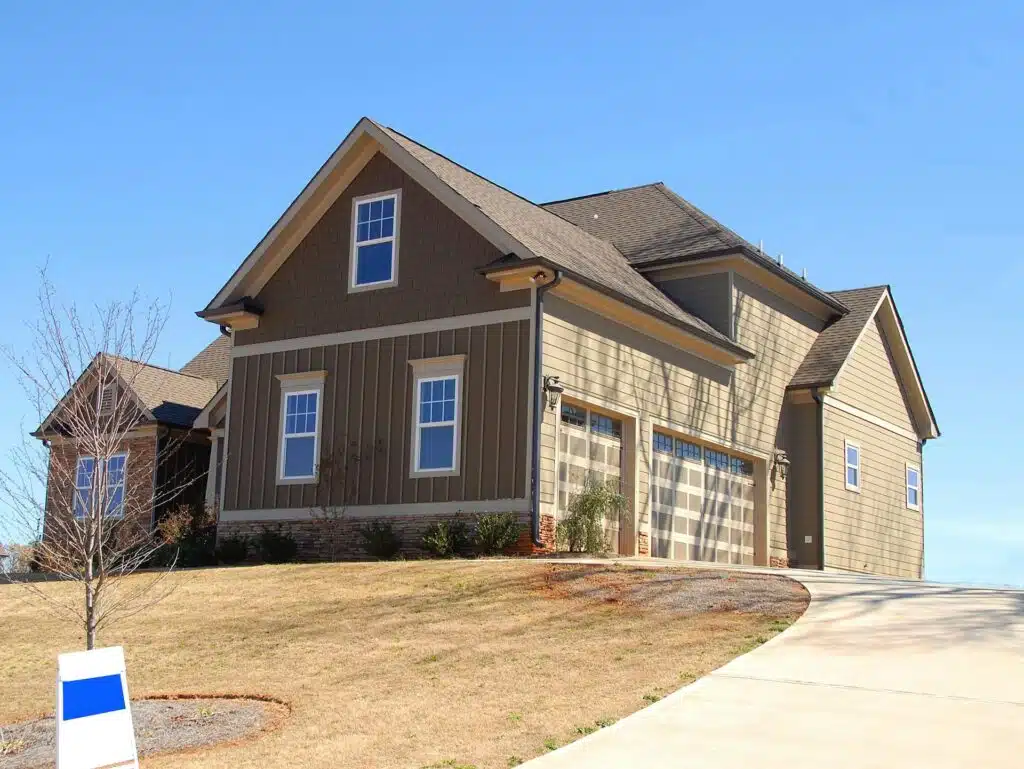
Now let’s get specific. Here are proven combinations based on some of the most popular exterior paint colors on the market.
If Your Siding is Sherwin Williams Alabaster or Pure White
White homes offer the most flexibility in roof selection. Almost any roof color works, but here’s how different choices affect the overall aesthetic:
- Charcoal or Black: Creates classic, high-contrast elegance
- Medium Gray: Offers modern sophistication with less stark contrast
- Warm Brown: Provides welcoming, traditional charm
- Avoid: Light gray (insufficient contrast, looks washed out)
I recently worked with a client who painted their colonial home in Alabaster and chose GAF Charcoal shingles. The contrast is crisp and timeless.
If Your Siding is Sherwin Williams Repose Gray or Similar Cool Gray
Cool gray exteriors have exploded in popularity, and for good reason. They pair beautifully with the right roof colors:
- Charcoal or Black: Best overall choice, provides definition
- Weathered Wood (gray-brown): Adds warmth while maintaining modern feel
- Avoid: Light gray roof (monochromatic = boring and flat)
- Avoid: Warm brown (temperature clash between cool siding and warm roof)
The key is creating enough contrast while staying within the cool color temperature family.
If Your Siding is Warm Beige, Tan, or Cream
Warm-toned homes require warm-toned roofs. This is where most homeowners make mistakes by choosing cool gray roofs that clash.
- Brown shingles (any shade): Perfect temperature match
- Weathered Wood (warm undertones): Modern while staying warm
- Charcoal with brown undertones: Adds contrast without going too cool
- Avoid: Pure gray or blue-gray shingles
Look for shingles described as “driftwood,” “weathered wood,” or “aged oak” for warm-cool balance.
If Your Siding is Brick or Stone
Natural masonry exteriors require special consideration because you’re matching manufactured shingles to organic materials with color variation.
Red Brick:
- Charcoal or black shingles (classic choice)
- Medium to dark gray (modern alternative)
- Avoid brown (competes with brick tones)
Beige or Tan Brick:
- Brown shingles in similar warmth
- Weathered wood gray-brown blends
- Avoid pure gray or black (too harsh)
Stone (Gray):
- Charcoal complements natural variation
- Weathered wood adds warmth
- Match the dominant undertone in your stone
The Undertone Trap: Why Your Roof Looks Wrong
Here’s what separates amateurs from professionals: understanding undertones in roofing materials just like you understand them in paint.
Most “gray” shingles lean either warm (brown undertones) or cool (blue undertones). If your siding has cool gray undertones and you choose a warm gray roof, the combination will always look slightly off, even if both are technically “gray.”
How to identify roof shingle undertones:
- View samples next to pure white paper in natural daylight
- The undertone will become obvious against the neutral white
- Compare to your siding sample using the same method
- Undertones should match in temperature (both warm or both cool)
I learned this lesson the hard way on my own home. I chose what I thought was a perfect medium gray roof for my Repose Gray siding. In the store, it looked great. On my roof, it looked brown. The shingles had warm undertones that clashed with my cool gray paint. Don’t make my expensive mistake.
Architectural Style Considerations
Your home’s architectural style should guide your roof color choice just as much as your paint selection.
Traditional Colonial, Farmhouse, or Cape Cod
These styles favor classic combinations that have stood the test of time:
- First choice: Charcoal or black shingles with white or cream siding
- Alternative: Medium gray with white trim and colored siding
- Avoid: Trendy colors that will date the home
Craftsman and Bungalow Styles
These homes feature natural materials and earth tones:
- First choice: Brown shingles in multiple tones for dimensional interest
- Alternative: Weathered wood gray-brown blend
- Avoid: Pure black or cool grays (too modern for the style)
Contemporary and Modern
Clean lines and bold choices define these styles:
- First choice: Sleek charcoal or matte black
- Alternative: Uniform medium gray
- Avoid: Multi-tonal or rustic-looking shingles
Ranch and Mid-Century Modern
Low-profile homes with horizontal emphasis:
- First choice: Medium to dark gray for visual weight
- Alternative: Charcoal with subtle variation
- Avoid: Light colors (make roof look top-heavy)
Regional and Climate Considerations
Where you live should influence your roof color choice beyond just aesthetic preferences.
Hot Climates (Southern and Southwestern U.S.): Light-colored roofs reflect more sunlight and can reduce attic temperatures by 20 to 30 degrees. Consider white, light gray, or terra cotta options. Many homeowners in Texas, Arizona, and Florida are switching to cool roof shingles that meet Energy Star standards for reflectivity.
Cold Climates (Northern U.S. and Canada): Dark roofs help melt snow and ice faster, reducing ice dam formation. Black and dark gray shingles also absorb heat that can slightly reduce heating costs in winter months.
Mixed Climate Zones: Medium grays and weathered wood tones offer balanced performance. They’re dark enough to aid snow melt but light enough to minimize summer heat absorption.
Coastal Areas: Salt air and intense sun require durable materials. Blues, grays, and weathered wood tones are popular and practical in coastal markets. Avoid pure white roofs in coastal areas as they show salt residue and algae growth more readily.
The Neighborhood Factor: Standing Out vs. Fitting In
Drive through your neighborhood before making a final decision. You want to stand out for the right reasons, not become the house that everyone whispers about.
The Three-House Rule: Look at the three nearest homes visible from yours. Your roof should be different enough to have individual character but not so different that it looks like a mistake. If every neighbor has black or dark gray shingles, choosing terra cotta will make you the neighborhood outlier.
The Resale Test: Ask yourself: “Will this roof color limit my buyer pool in 10 to 15 years?” Bold color choices might reflect your personal taste beautifully, but they can also eliminate buyers who can’t see past them. Charcoal, gray, and brown shingles have universal appeal. Green, blue, and red roofs divide opinions sharply.
I worked with a client who insisted on blue-gray shingles for their white farmhouse. It looked stunning, but when they sold five years later, three different buyers cited the “unusual roof color” as a concern. The home sat on the market two months longer than comparable properties.
How Lighting Conditions Change Roof Color Appearance
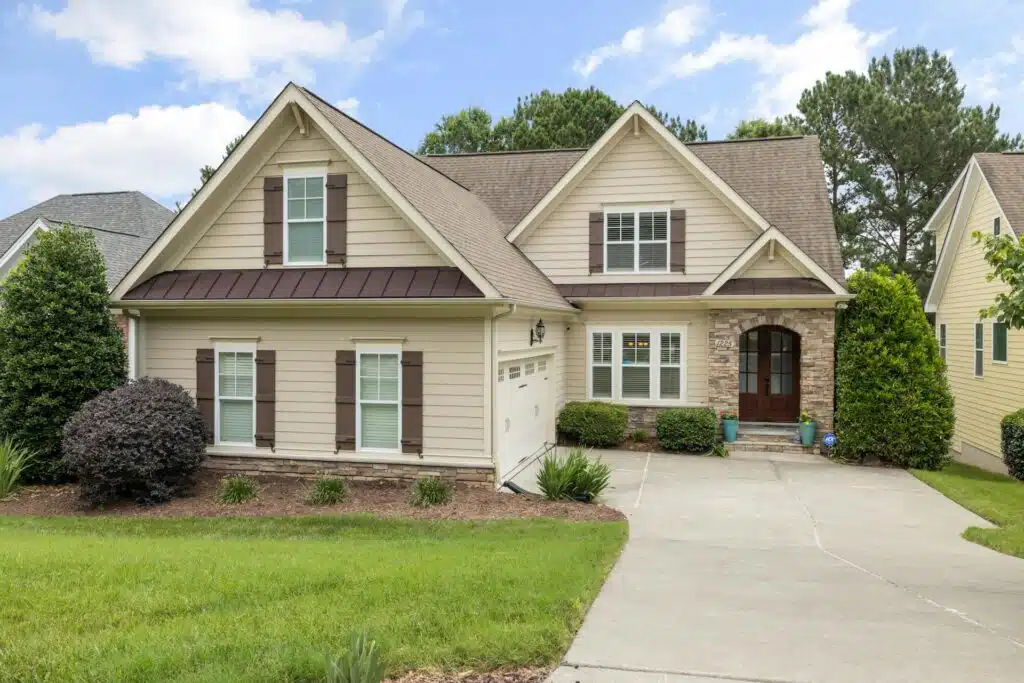
This is the factor that catches most homeowners completely off guard. Roof shingles look dramatically different in various lighting conditions.
In the Store or Showroom: Indoor fluorescent lighting makes colors appear cooler and flatter than they actually are. Browns look grayer, and grays look bluer. Never make your final decision based solely on showroom samples.
In Direct Sunlight: Colors appear 20% to 30% lighter and more vibrant. Your “medium gray” sample will look like light gray at noon. Dark brown will show warm red undertones you didn’t notice indoors.
On Overcast Days: Colors appear truest to their actual tone. This is why I always recommend viewing installed roof samples on cloudy days if possible.
From Street Level: Roofs appear darker from below than they do when you’re looking at a sample in your hand. Account for this by choosing samples one shade lighter than you think you want.
The Shadow Effect: The three-dimensional nature of shingles creates shadow lines that darken the overall appearance by 15% to 20% compared to flat samples. Architectural shingles with more depth show this effect more than flat three-tab shingles.
Comparing Top Shingle Colors from Leading Manufacturers
Different manufacturers offer similar colors with slight variations. Here’s how the most popular options compare across the major brands.
Charcoal/Black Category
GAF Timberline HDZ – Charcoal: True charcoal with subtle gray variation. This is my go-to recommendation for versatile, modern appeal. Works with 90% of exterior color schemes.
CertainTeed Landmark – Moire Black: Deeper black with hints of blue in certain lighting. More dramatic than Charcoal, better for high-contrast schemes.
Owens Corning Duration – Onyx Black: Pure black with minimal variation. Best for contemporary or ultra-modern homes. Can look harsh on traditional styles.
Gray Category
GAF Timberline HDZ – Weathered Wood: The best-selling shingle color in America. Warm gray-brown blend that works with both warm and cool paint schemes. Safe choice for resale value.
Owens Corning Duration – Driftwood: Cooler gray-brown with less warmth than Weathered Wood. Better match for cool-toned paint schemes like Repose Gray.
CertainTeed Landmark – Georgetown Gray: Medium gray with slight warm undertones. Splits the difference between cool and warm.
Brown Category
Owens Corning Duration – Teak: Warm brown with reddish undertones. Pairs beautifully with cream, tan, and warm gray siding.
GAF Timberline HDZ – Barkwood: Multi-tonal brown with gray and tan variation. Adds visual interest while maintaining earth-tone warmth.
CertainTeed Landmark – Resawn Shake: Rustic brown with significant color variation. Best for craftsman, rustic, or traditional homes.
Step-by-Step Process for Choosing Your Roof Color
Here’s the exact process I use with clients to ensure they’re thrilled with their roof color choice:
Step 1: Gather Your Existing Color Samples Collect samples of your current or planned siding color, trim color, door color, and any stone or brick. Bring these to your roofing contractor or supplier.
Step 2: Identify Your Undertones Hold each siding sample next to pure white paper in natural daylight. Note whether it leans warm (yellow, orange, or red undertones) or cool (blue, green, or purple undertones).
Step 3: Request Full-Size Samples Don’t trust the tiny chips in brochures. Request actual full-size shingle samples from your contractor. Most manufacturers provide these for free.
Step 4: Test in Multiple Lighting Conditions View your samples against your home’s exterior at three different times:
- Morning light (softer, warmer)
- Midday sun (true color representation)
- Late afternoon (shows how it will photograph)
Step 5: Check the View from Street Level Place samples on a ladder or upper-level window ledge. View them from curb distance, not up close. This is how visitors and potential buyers will see your roof.
Step 6: Photograph and Compare Take photos of the samples against your home. Phone cameras often reveal color clashes that eyes miss. Compare photos side by side.
Step 7: Get Second Opinions from the Right People Ask your painter or a color consultant, not just friends and family. They understand color theory and can identify temperature clashes you might miss.
Common Roof Color Mistakes to Avoid
Let me save you from the most frequent errors I see homeowners make.
Mistake #1: Choosing Based on Trends Instead of Architecture Gray shingles are trendy right now, but they look terrible on traditional brick colonials. Choose for your home’s style, not Instagram’s current favorite.
Mistake #2: Forgetting About Trim Color Your trim color is the bridge between your siding and roof. If you have white trim with tan siding, you need a roof color that harmonizes with both.
Mistake #3: Ignoring Existing Fixed Elements You can’t change your brick chimney or stone foundation. Your roof must work with these permanent features.
Mistake #4: Trusting Indoor Lighting Those samples look completely different outside. Always make final decisions in natural daylight.
Mistake #5: Choosing the Lightest Shade Roofs always appear lighter when installed than samples suggest. If you want medium gray, choose what looks like medium-dark gray in samples.
Mistake #6: Matching Too Closely to Siding Your roof should contrast with your siding, not match it. Matching creates a blob effect where your home loses architectural definition.
How to Use Color Psychology for Maximum Curb Appeal
Color psychology applies to exteriors just as it does to interiors. Here’s how different roof colors affect perception:
Black and Dark Charcoal: Projects strength, permanence, and sophistication. Makes homes feel grounded and substantial. Can make small homes feel heavier, so use carefully on modest-sized properties.
Gray Tones: Convey modernity, cleanliness, and neutrality. Gray roofs make homes feel current and well-maintained. They’re the safest choice for resale because they appeal to the broadest buyer demographic.
Brown Earth Tones: Create warmth, tradition, and natural harmony. Brown roofs make homes feel inviting and established. They’re particularly effective in wooded settings where they echo natural surroundings.
Lighter Colors (Tan, Light Gray): Suggest openness and airiness. Light roofs make homes feel larger and more approachable. They work best in hot climates where the practical benefits reinforce the psychological impact.
The Hidden Cost of Wrong Color Choices
Choosing the wrong roof color rarely means immediate replacement, but it creates several hidden costs:
Painting Constraints: You’ll need to paint your siding to match your roof rather than choosing your ideal color. Paint costs $8,000 to $15,000 for whole-house exterior painting.
Landscaping Adjustments: The wrong roof color may require different plant selections or hardscape materials to create visual balance. This can add $2,000 to $5,000 to landscaping budgets.
Extended Market Time: Homes with mismatched exteriors typically sit on the market 30 to 60 days longer. In competitive markets, this can mean accepting lower offers.
Lower Appraisal Values: Appraisers note exterior appeal in their reports. Poor color coordination can reduce appraised value by 2% to 3%, which might not sound like much until you realize that’s $8,000 to $12,000 on a $400,000 home.
Coordinating Roof Replacement with Exterior Painting
If you’re planning to paint your exterior within the next few years, time your roof replacement strategically.
Best Scenario: Roof First, Then Paint Choose your roof based on architecture and practical needs. Then select siding colors that complement your new roof. This gives you maximum flexibility in paint selection.
If You Must Paint First: Choose neutral, timeless siding colors (grays, whites, creams) that work with multiple roof options. Avoid trendy paint colors that might limit roof choices.
Simultaneous Projects: Ideal for whole-house renovations. You can coordinate both elements perfectly. Just make sure your painter and roofer communicate about project timing and material protection.
Special Considerations for Different Roofing Materials
While this guide focuses on asphalt shingles, the principles apply to other materials with some adjustments.
Metal Roofing: Offers more dramatic color options including deep reds, blues, and greens. Metal roofs also come in styles that mimic traditional shingles but with more color durability. The reflective nature means colors appear more vibrant than asphalt equivalents.
Architectural vs. Three-Tab Shingles: Architectural shingles have more dimensional variation, which means they show shadows and highlights more dramatically. Colors appear 10% to 15% darker overall than three-tab versions of the same color.
Designer Shingles: Premium options like GAF Grand Sequoia or CertainTeed Presidential offer more dramatic color blending within each shingle. These provide the most visual interest but require careful coordination to avoid overwhelming your exterior paint scheme.
Working with Your Contractor: What to Request
When you meet with roofing contractors, here’s what to ask for:
- Full-size shingle samples of your top three color choices
- Photos of completed installations in your chosen colors
- Samples installed on similar architectural styles to yours
- Manufacturer color visualizer access (GAF, CertainTeed, and Owens Corning all offer digital tools)
- Written confirmation of the exact color name and product code
Using Technology to Preview Your Options
Modern technology makes color selection easier than ever. Here are the tools I recommend:
GAF Virtual Home Remodeler: Upload a photo of your home and preview different shingle colors digitally. The most accurate visualization tool available.
Certainteed ColorView: Similar to GAF’s tool, with excellent rendering quality. Particularly good for comparing subtle gray variations.
Owens Corning Roofing Designer: Offers the broadest color selection preview. Best if you’re considering their Duration or Oakridge lines.
Professional Color Consultation: For homes over $500,000 or complex color schemes, hiring a color consultant for $300 to $500 can save you from a $15,000 mistake.
What to Do If You’re Stuck Between Two Colors
When you’ve narrowed it down to two finalists but can’t decide, use this decision framework:
Lean Toward the Darker Option If:
- You live in a cold climate
- Your home is small and you want it to feel more substantial
- Your neighborhood trends toward darker roofs
- You have very light siding that needs anchoring
Choose the Lighter Option If:
- You live in a hot climate
- Your home is large and you want to reduce visual mass
- You have darker siding that needs balance
- Energy efficiency is a top priority
Still Can’t Decide? Choose the option that appears more frequently in your price range in your local market. This protects resale value and ensures your home feels current for the longest period.
The Final Check: View Installed Examples
Before you sign your contract, insist on seeing installed examples of your chosen color on homes similar to yours. Not photos, actual installed roofs in your area.
Most reputable contractors can provide addresses of recent installations (with homeowner permission). Drive by at different times of day. Bring your paint samples and check the combination from street level.
This final verification step has saved my clients from wrong choices more times than I can count. What looks perfect in samples can look very different at scale on an actual roof.
Your Next Steps
Choosing the right roof shingle color requires balancing aesthetic preferences with practical considerations. Take your time, follow this systematic approach, and don’t let anyone rush you into a decision.
Start by identifying your home’s architectural style and existing color undertones. Request full-size samples of your top three choices. Test them in natural lighting at different times of day. View installed examples in your neighborhood.
Remember, your roof is a 20-year commitment. Spending an extra week on color selection is time well invested. The result will be a beautifully coordinated exterior that enhances your home’s value and your enjoyment of it for decades to come.
About the Author: This guide was created in collaboration with roofing professionals who specialize in helping homeowners make informed decisions about their exterior renovations.

With a Master’s in Architecture from the University of California, Berkeley, Alexander Martin has dedicated the last 18 years to enhancing outdoor living through thoughtful and robust structure design. His career kicked off in urban planning, giving him a unique perspective on integrating structures into diverse environments. In 2019, Alexander brought his expertise to our website, offering insights into creating versatile outdoor spaces. Since then, he has been the lead advisor for our outdoor design projects and is known for his ability to merge functionality with environmental consciousness. Alexander enjoys rock climbing outside of work and participates in community development projects, activities that reflect his passion for the outdoors and sustainable design.