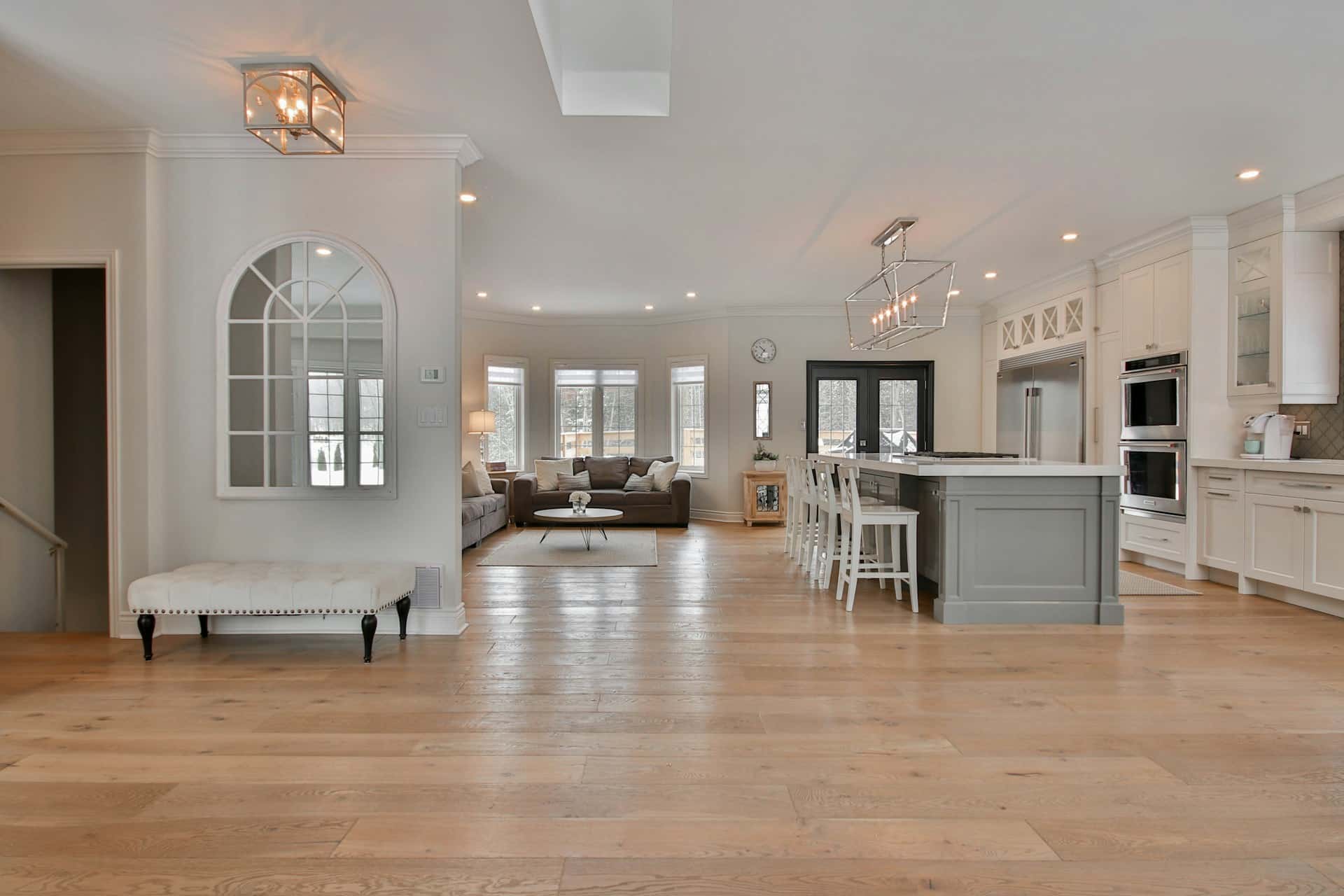

Choosing new flooring for your home is exciting, but it can also feel confusing. Flooring affects how your home looks, feels, and works each day. The right floor adds beauty, comfort, and value, while the wrong one can cause stress and extra costs.
There are many flooring options to choose from, so it is important to know what fits your needs. Every home is different, and every family lives differently. Learning about materials, prices, and durability can help you make a smart choice. This guide shares simple tips to help you choose flooring that matches your lifestyle, budget, and style.
Start With Your Lifestyle
Your daily routine should guide your flooring decision more than any trend. Think about who lives in your home and how each space is used. Busy homes with kids or pets usually need stronger and more scratch-resistant flooring.
Consider whether your home has heavy foot traffic or quieter areas. Also, think about whether people wear shoes inside or often bring in dirt and moisture. When your flooring matches your lifestyle, it stays in better shape and lasts longer.
Choosing flooring that fits your habits also makes cleaning easier. You will spend less time worrying about damage and more time enjoying your space.
Consider Each Room Separately
Not all rooms face the same conditions, so they should not all use the same flooring. Kitchens and bathrooms deal with moisture, while living rooms and bedrooms focus more on comfort. Thinking room by room leads to smarter choices.
For example, waterproof flooring works best in bathrooms and laundry areas. Softer flooring, such as carpet flooring, may feel better in bedrooms. High-traffic areas need materials that resist wear.
Matching the right floor to each room improves performance and comfort. It also helps your home look more balanced and functional.
Set a Realistic Budget
Before shopping, decide how much you are comfortable spending. Flooring costs include more than just the material itself. You also need to plan for installation, removal of old flooring, and supplies.
Some flooring options have a lower upfront cost but may need replacement sooner. Others cost more at first but last much longer. Thinking about long-term value helps you spend wisely.
A clear budget keeps your choices focused. It also reduces the chance of unexpected expenses later.
Understand Popular Flooring Types
Learning the basics of common flooring materials makes the selection process easier. Each type has advantages and disadvantages. Knowing what to expect helps you avoid disappointment.
Hardwood flooring offers a timeless and natural look. It can last for decades when cared for properly, but it is sensitive to moisture and scratches.
Laminate flooring gives the appearance of wood or stone at a lower price. It is durable and easy to install, but it cannot be refinished.
Vinyl flooring is popular for its water resistance and comfort. It works well in many rooms and comes in many styles.
Tile flooring is extremely durable and great for wet areas. It can feel cold and hard, but it lasts a long time.
Carpet provides warmth and softness. However, it needs regular cleaning and may not last as long as hard surfaces.
Think About Durability
Durability is one of the most important factors when choosing flooring because it affects how long your floors will last. Flooring should handle daily wear, foot traffic, and minor accidents without showing damage too quickly. This is especially important in busy households with kids, pets, or frequent visitors.
Look for flooring that offers strong resistance to scratches, stains, dents, and moisture. Ask about product warranties and the expected lifespan, since these details often reflect overall quality. Some floors are made with protective coatings that add extra strength.
Choosing durable flooring saves money in the long run because you will not need to replace it as often. It also keeps your home looking clean and well cared for over time.
Choose a Style That Fits Your Home
Flooring should complement your home’s overall design and layout. It should also match your personal taste and make you feel comfortable in your space. A style you love helps create a home that feels warm and inviting.
Light-colored floors can make small rooms feel more open and bright. Dark floors add depth, warmth, and a sense of richness. Neutral tones are easy to pair with furniture and allow you to change décor without replacing the floor.
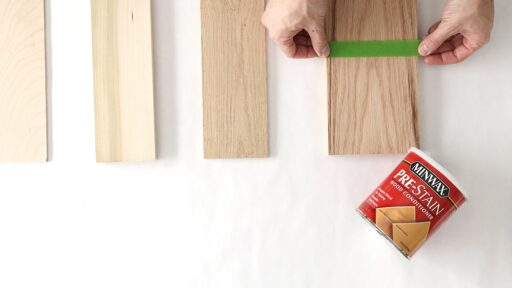
Always view samples in your home before deciding, since lighting can change how colors and textures appear. Testing samples helps ensure the flooring looks right in your space.
Pay Attention to Comfort
Comfort matters more than many people realize because flooring affects how your home feels every day. Some floors feel soft and warm underfoot, while others feel firm and cool. If you spend a lot of time standing or walking, softer surfaces such as vinyl, cork, or carpet may feel better on your feet and joints.
Bedrooms and living spaces often benefit from warmer flooring that creates a cozy feeling. Area rugs can also add comfort to hard floors while reducing noise and adding style.
Check Maintenance Needs
Every type of flooring needs care, but some require more work than others. Before choosing, think about how much time and effort you want to spend on cleaning and upkeep. Vinyl, laminate, and tile are usually easy to clean and need little maintenance.
Hardwood and carpet may need regular deep cleaning and special care. Choosing a low-maintenance option saves time and keeps your floors looking good longer.
Consider Indoor Air Quality
Some flooring materials release chemicals into the air, which can affect indoor air quality. Look for low-VOC or certified products that are safer for your home. Hard surfaces like tile and vinyl trap fewer allergens than carpet, which can help people with allergies or asthma.
Cleaner air makes your home more comfortable and healthier for everyone. Your flooring choice can play an important role in this.
Plan for Installation
Installation affects both the cost and the lifespan of your flooring. Some floors are easy for DIY projects, while others require professional installation. Poor installation can cause problems like gaps, uneven surfaces, or early wear.
Hiring a professional often ensures the floor is installed correctly and lasts longer. Always ask about installation requirements before buying so you know what to expect.
Think Long-Term
Flooring is a long-term investment, so it is important to think beyond current trends. Choose a style you will still enjoy years from now. Classic designs and neutral colors usually age better than bold patterns. Flooring that stands the test of time helps avoid regret and costly replacements later.
Test Before You Buy
Always test flooring samples before making a final decision. Walk on them, feel the texture, and check how firm or soft they feel. Look at the color in different lighting throughout the day. Testing reduces the chance of disappointment and helps you feel confident in your choice. Photos alone rarely show the true look and feel of a floor.
Compare Brands and Reviews
Not all flooring brands offer the same level of quality. Reading reviews and comparing products can reveal common issues or strengths. Good warranties often show that a company stands behind its product. Trusted brands usually perform better over time. Research helps you avoid poor-quality flooring.
Ask for Expert Advice
Flooring professionals have experience working with many materials and situations. They can suggest options that match your lifestyle, budget, and design goals. Using a trusted flooring buying guide can also help you compare features and benefits. Expert advice reduces mistakes and saves money.
Balance Beauty and Function
Great flooring should look good and perform well. Do not choose based on appearance alone. Think about how the floor will be used each day. A practical floor stays attractive longer and causes fewer problems. Balancing beauty and function leads to better satisfaction.
Think About Resale Value
Some types of flooring appeal to more buyers than others. Hardwood and high-quality vinyl are popular choices. Neutral colors and simple styles attract a wider audience. Resale-friendly flooring can increase your home’s value.
Consider Eco-Friendly Options
Eco-friendly flooring is made from renewable or recycled materials. Bamboo and cork are popular examples. These options reduce environmental impact and can be very durable. Choosing green materials supports a healthier planet.
Don’t Forget About Noise
Hard floors can create echoes, especially in large rooms. Carpet absorbs sound and helps quiet a space. Underlayment and area rugs can reduce noise on hard surfaces. Controlling noise improves comfort in busy homes.
Measure Carefully
Accurate measurements are important when buying flooring. Always double-check room sizes. Buy a little extra material to cover mistakes or future repairs. Careful planning prevents delays and stress.
Watch for Sales and Promotions
Flooring often goes on sale at certain times of the year. Watching for promotions can save a lot of money. Ask stores about discounts or clearance items. Saving money on flooring allows you to invest in better materials or other home upgrades.
Have the Best Flooring for Your Home
Choosing the perfect flooring takes patience, planning, and research. Start by thinking about your lifestyle, daily habits, and budget. Learning about different materials and how they perform will help you make a smart decision.
Take your time and do not rush the process. Test samples in your home, ask questions, and compare several options before choosing. This careful approach leads to better results and fewer regrets.
The right flooring improves comfort, beauty, and value. With careful planning, you can enjoy your floors for many years. For more related topics, check out the rest of our blog!

With a Master in Architectural Studies from University of Pennysylvania, Marwa Haydar has pioneered living spaces since 2005. Her expertise, initially honed in a prestigious architectural firm, is evident in her approach to creating environments. Marwa became part of our team in 2019 and has since been a driving force in our home improvement section, known for her practical yet stylish solutions. She’s been spearheading our design workshops since then, infusing her passion for teaching into her work. In her leisure time, Marwa enjoys exploring historic architecture and is an enthusiastic pottery hobbyist, further enriching her understanding of form and texture.