
A roof can change the feel of a home more than it seems at first glance. Small design choices often shape how space, light, and structure come together above.
Among these choices, dormers play a quiet but important role. The different types of dormers influence how an upper level looks, feels, and functions, from added headroom to subtle roof detailing.
Each style follows its own purpose, shape, and construction method. Some focus on usable space, others on balance or light.
Understanding the types of dormers helps clarify how roof design supports both appearance and everyday use, setting the stage for smarter design decisions ahead.
How to Choose the Right Dormer Type?
Choosing the right dormer type depends on several practical and design-related factors.
Each home has different roof limits, space needs, and cost considerations, so the dormer should support both function and appearance without causing structural issues.
- Budget limits: Simpler dormer styles usually cost less than larger or curved designs
- Roof structure: The slope, size, and shape of the existing roof affect what can be built
- Interior space needs: Some dormers add headroom, while others focus mainly on light
- Exterior design match: The dormer should align with the home’s overall look
- Local building rules: Planning limits and permits may restrict dormer size or placement
Types of Dormers with Pictures
Dormers come in different shapes and designs, each serving a specific purpose in roof layout and interior use.
Below are the most common dormer types, shown with pictures to help with easy identification and comparison:
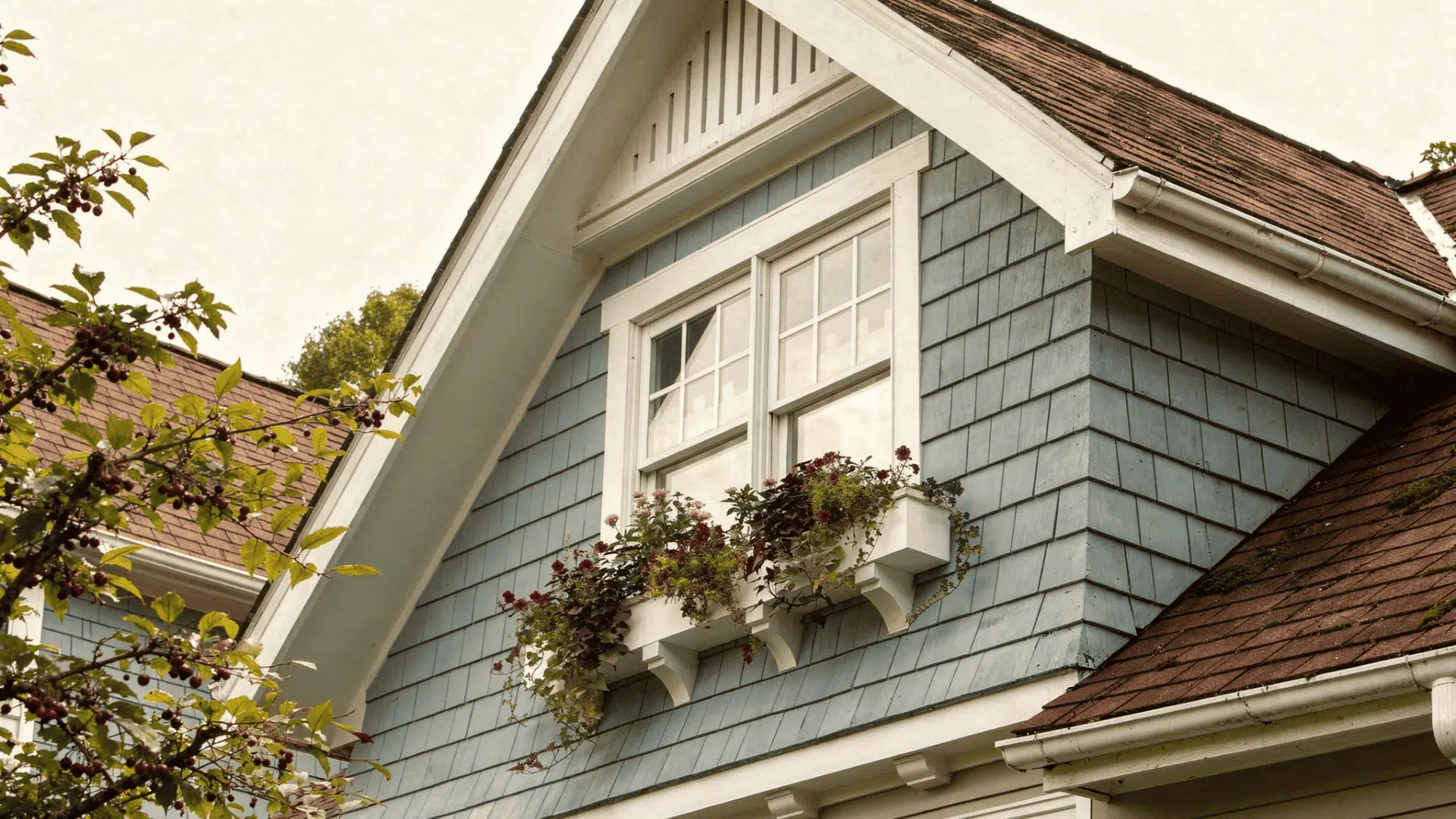
1. Gable Dormer

A gable dormer is a common roof feature with a simple triangular roof shape. It projects outward from the main roof and usually includes a vertical window.
This dormer type adds natural light and extra headroom while keeping the overall roof design balanced and familiar across many residential buildings.
Key features
- Triangular pitched roof design
- Vertical front wall with window
- Matches sloped roof structures
- Common in traditional homes
| Pros | Cons |
|---|---|
| Adds usable interior space | May require roof structure changes |
| Improves natural light | Can increase construction cost |
| Works with many roof styles | Less suitable for flat roofs |
2. Shed Dormer

A shed dormer has a single sloping roof that angles down from the main roof.
It usually stretches wider than other dormer types, making it useful for adding headroom and floor space.
This dormer is often chosen when the goal is to make an upper room feel more open and functional.
Key features
- Single sloped roof design
- Wide structure across the roof
- Adds noticeable interior space
- Simple, practical construction
| Pros | Cons |
|---|---|
| Provides maximum headroom | Can change the roof’s appearance |
| Brings in more natural light | Needs careful structural support |
| Works well for attic rooms | May not suit all home styles |
3. Hip Dormer

A hip dormer has roof slopes on three sides that connect smoothly with the main roof.
This design helps it blend in well with hipped roofs and keeps a balanced look.
It allows space for a window while offering better protection from wind and rain compared to some other dormer types.
Key features
- Three sloping roof sides
- Blends with hipped roof designs
- Compact and balanced shape
- Weather-resistant structure
| Pros | Cons |
|---|---|
| Handles wind and rain well | Adds less interior space |
| Matches hipped roofs neatly | More complex to build |
| Clean roofline appearance | Higher construction effort |
4. Flat Roof Dormer

A flat roof dormer has a level roof with straight vertical sides. It extends outward from the main roof and is often used to add usable space and light.
This dormer type is commonly seen in modern buildings and works well when a clean, simple roof shape is preferred.
Key features
- Flat roof surface
- Straight vertical walls
- Modern, simple design
- Allows larger window openings
| Pros | Cons |
|---|---|
| Adds usable interior space | Requires proper water drainage |
| Supports wide window designs | Regular maintenance needed |
| Suits modern buildings | Less common on older homes |
5. Eyebrow Dormer

An eyebrow dormer has a smooth, curved roof that gently rises from the main roof without side walls.
It is mainly used to add visual interest and allow light into the space below. This dormer does not add much headroom and is often chosen for its soft roof shape.
Key features
- Curved roof line
- No side walls
- Small window opening
- Decorative roof detail
| Pros | Cons |
|---|---|
| Adds natural light | Provides little interior space |
| Softens roof appearance | Complex to build |
| Works well on sloped roofs | Higher construction cost |
6. Wall Dormer

A wall dormer is built as an extension of the exterior wall and continues upward through the roofline.
Unlike other dormers, it does not sit fully on the roof slope.
This type is often seen on older buildings and creates strong vertical lines while allowing standard window placement.
Key features
- Extends directly from exterior wall
- Breaks through the roofline
- Vertical wall structure
- Common in historic designs
| Pros | Cons |
|---|---|
| Allows full-size windows | Alters original roof shape |
| Strong visual presence | More structural work needed |
| Good for taller spaces | Not suitable for all roofs |
7. Pedimented Dormer

A pedimented dormer looks similar to a gable dormer but includes a detailed frame at the roof peak.
This design is often used on buildings with classical or formal styling.
It adds light and structure while giving the roof a more defined and traditional appearance without changing the overall roof shape too much.
Key features
- Triangular roof with decorative framing
- Vertical front wall with window
- Common in classical architecture
- Structured and formal look
| Pros | Cons |
|---|---|
| Improves roof detail | More design detailing needed |
| Allows natural light | Higher construction cost |
| Fits traditional buildings | Not ideal for modern roofs |
8. Segmented Dormer

A segmented dormer has a rounded roof shape made of gentle curves instead of sharp angles. It projects from the main roof and usually includes a vertical window.
This dormer type is often chosen to soften the roofline and add light, while keeping the structure compact and visually balanced.
Key features
- Rounded or curved roof shape
- Smooth roof transition
- Vertical window placement
- Compact dormer structure
| Pros | Cons |
|---|---|
| Softens overall roof look | Adds limited interior space |
| Brings in natural light | Curved framing takes skill |
| Suits classic roof styles | Higher build cost |
9. Hipped Gable Dormer

A hipped gable dormer combines a gable front with small sloping roof sections on the sides.
This design keeps the familiar look of a gable dormer while adding extra roof slopes for better balance.
It fits well on larger roofs and allows space for a standard vertical window.
Key features
- Gable front with side roof slopes
- Balanced roof shape
- Vertical window opening
- Blends with complex roof designs
| Pros | Cons |
|---|---|
| More stable roof structure | More complex to build |
| Balanced exterior appearance | Higher construction cost |
| Works on large roofs | Takes more roof space |
To know more, also read: What Is a Hip Roof: Design, Types & Benefits
10. Inset Dormer

An inset dormer is built into the roof slope instead of projecting outward. It sits back from the main roof edge, keeping the original roof line mostly unchanged.
This dormer allows light through a window while maintaining a low visual profile and is often used where planning limits restrict outward extensions.
Key features
- Recessed into the roof slope
- Does not project outward
- Maintains main roof line
- Compact window placement
| Pros | Cons |
|---|---|
| Keeps roof appearance simple | Adds limited interior space |
| Less visible from street view | Smaller window size |
| May meet planning limits | Less headroom gained |
11. Blind Dormer

A blind dormer looks like a regular dormer from the outside but does not include a window or opening.
It is built mainly to keep the roof design balanced and symmetrical.
This type is often used on large or formal buildings where visual consistency is more important than interior light or space.
Key features
- No window or opening
- Matches other dormer styles
- Used for exterior balance
- Decorative roof element
| Pros | Cons |
|---|---|
| Improves roof symmetry | Adds no interior light |
| Keeps design consistent | No usable space benefit |
| Useful for visual balance | Built only for appearance |
Types of Dormers Cost
Dormer costs depend on size, roof work, materials, and labor. Simpler dormer styles usually fall on the lower end, while wider or curved designs require more structural changes, which increases the overall price.
The table below shows average cost ranges based on common residential projects:
| Dormer Type | Estimated Cost Range (USD) |
|---|---|
| Gable Dormer | $3,500 – $8,000 |
| Shed Dormer | $6,000 – $15,000 |
| Hip Dormer | $5,000 – $10,000 |
| Flat Roof Dormer | $4,000 – $9,000 |
| Eyebrow Dormer | $8,000 – $20,000 |
| Inset Dormer | $3,000 – $6,500 |
These price ranges vary depending on roof condition, window size, interior finishing, permits, and local labor rates, so final costs may be higher or lower based on project details.
Planning a roof update?
Learn the key steps involved before starting a roof replacement.
Maintenance Needs for Different Dormer Types
Dormer maintenance depends on the roof shape, materials used, and exposure to weather.
Some dormer types need more regular checks due to flat surfaces or detailed construction, while others require minimal upkeep.
Routine inspection helps prevent leaks, surface wear, and structural damage over time.
- Flat roof dormers need frequent checks for water pooling and seal condition
- Shed dormers should be inspected for flashing wear along the roof joint
- Gable and hip dormers usually require standard roof and siding checks
- Eyebrow dormers need close attention due to curved surfaces and joints
- Inset dormers should be checked for proper drainage within the roof slope
Final Thoughts
Dormers are more than roof details; they shape space, light, and structure in meaningful ways.
The types of dormers discussed highlight how design, cost, and maintenance connect with real housing needs.
Some styles focus on added headroom, while others support roof balance or visual order. Knowing how each option functions makes comparison easier and planning more practical.
With clear information, choosing a suitable dormer becomes less complicated and more intentional.
Have you added a dormer or considered one for your home? Share your experience or favorite dormer type in the comments below.

Holding a Master’s in Construction Management from Purdue University, William Ray has dedicated more than two decades to studying and applying construction principles. His professional journey includes a tenure with a prominent construction firm, where he specialized in project management and building technologies. William brought his knowledge to our team, providing in-depth insights into practical construction techniques. As the leader of our beginner’s guide to building since 2019, he has a knack for breaking down intricate processes into easily digestible content. When not involved in writing or onsite consultations, William enjoys woodworking and volunteering in community building projects, which aligns with his passion for hands-on construction and community service.