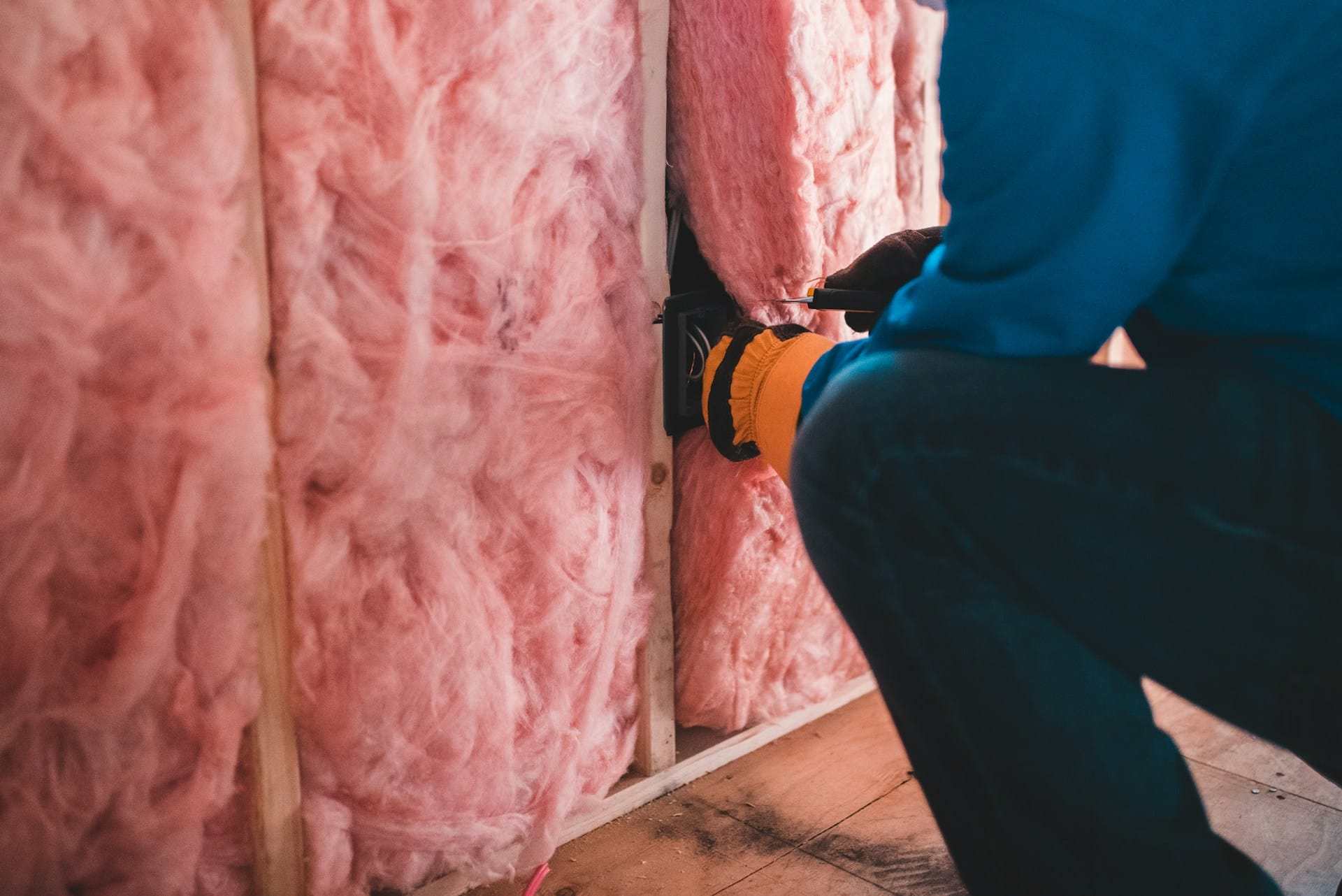

Are you looking for a better way to keep your home warm in winter and cool in summer? Spray foam insulation has become a popular choice because it helps seal gaps and reduce energy loss.
Many homeowners like it because it can lower energy bills and improve comfort. Still, choosing the right type can feel confusing at first. Different spray foams work better in different spaces. Knowing how each type works can help you make a smart choice for your home and your budget.
Open-Cell Spray Foam
Open-cell spray foam is soft and light, making it a good choice for indoor areas. It expands a lot, which helps it fill small cracks and gaps. This type is often used in walls and ceilings where sound control is important.
It also allows some air movement, which can help manage moisture. When choosing insulation, think about cost and comfort. Open-cell foam is usually less expensive and works well in mild climates.
Closed-Cell Spray Foam
Closed-cell spray foam is dense and strong, giving it high insulation value. It blocks air and moisture very well, making it great for areas that face harsh weather.
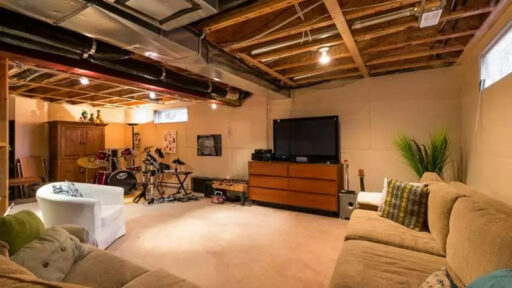
Many people use it in basements, crawl spaces, or exterior walls. It also adds strength to the building structure. If energy savings are your top goal, this type can be a smart pick. Understanding the basics of spray foam insulation helps explain why closed-cell foam performs so well.
High-Density Spray Foam
High-density spray foam is often used for roofs and outdoor areas. It is tougher than other types and can handle heavy wear over time. This foam helps reduce heat transfer and protects against water damage.
Homeowners in extreme climates may benefit from its strength. When selecting insulation, consider where it will be installed. High-density foam works best where durability and long-term performance matter most.
Low-Pressure Spray Foam
Low-pressure spray foam is usually sold in kits for small projects. It is easy to apply and works well for sealing gaps around doors, windows, and pipes. This type is ideal for quick repairs and touch-ups.
It helps stop drafts and improve comfort without a high cost. If your home only needs minor sealing, low-pressure foam may be enough. It is a simple way to boost energy efficiency.
Choosing the Right Spray Foam for Your Home
Picking the right spray foam depends on your home’s needs. Think about climate, budget, and the areas you want to insulate. Some homes need strong moisture control, while others focus on sound or cost savings.
A good choice can improve comfort all year long. Take time to compare options before deciding. The right spray foam can make a big difference in how your home feels and performs.
Explore These Insulation Solutions for Your Home Today
Spray foam insulation offers many benefits, but choosing the right type is key. Each option has strengths that suit different areas of the home.
When matched correctly, spray foam can lower energy bills and keep indoor temperatures steady. It also helps reduce drafts and noise, creating a more comfortable space. By learning about each type, you can make a confident decision.
If you want to keep learning, explore other helpful articles on this blog for more tips.

With a Master’s in Architecture from the University of California, Berkeley, Mitchell Green has spent over two decades dedicated to the study and practical application of home fixture design. His career started in an architectural firm, providing him a strong foundation in the structural and aesthetic aspects of home interiors. Mitchell brought his comprehensive knowledge to our platform, where he has been an influential voice in our home fixtures and fittings section. Since 2018, he has been guiding our readers through the intricacies of selecting and installing fixtures, combining technical know-how with design flair. In his spare time, Mitchell is a keen photographer, capturing architectural details and design elements, an interest that complements his professional focus.