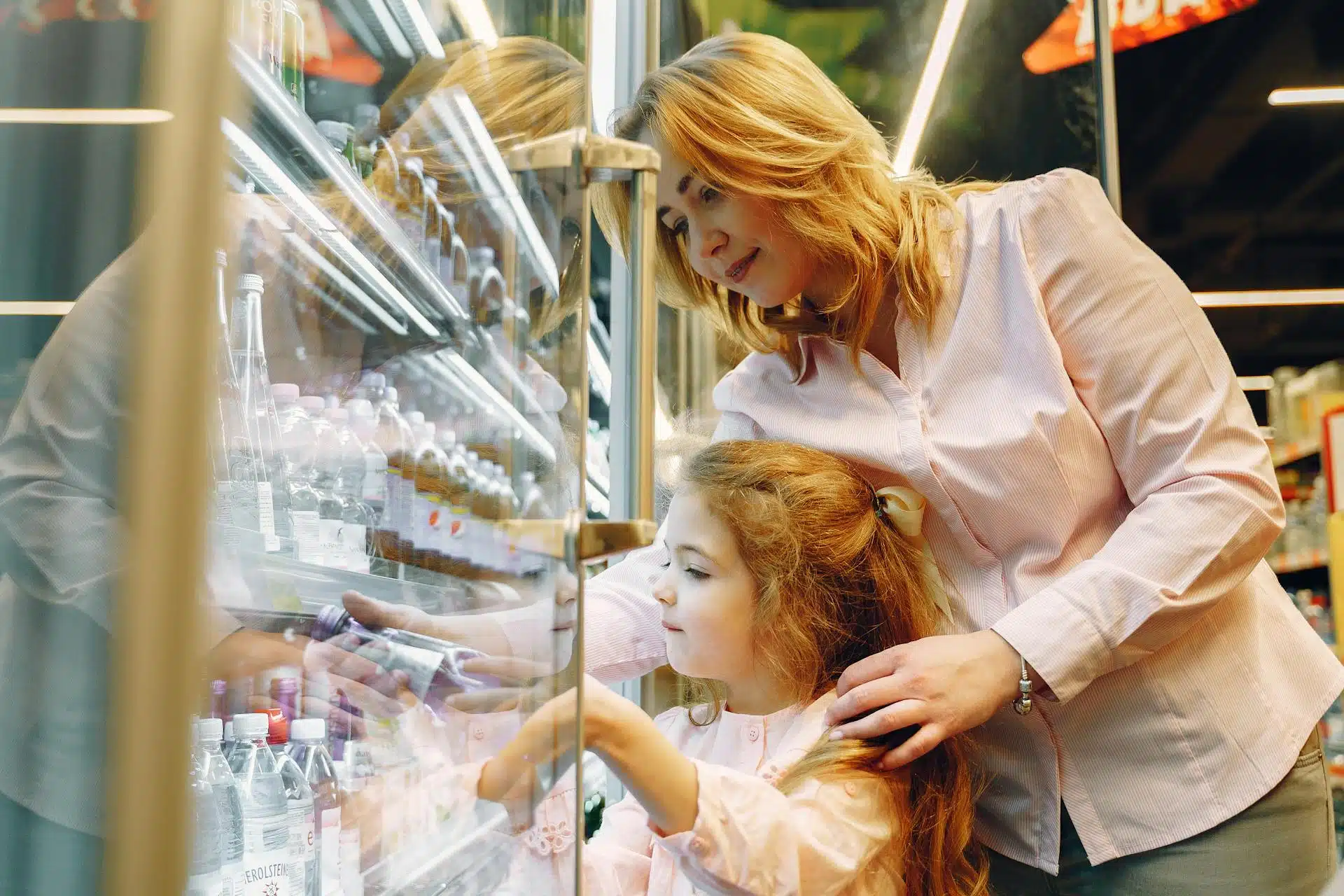
Optimizing floor plans and energy consumption in supermarkets requires a careful selection of refrigeration units, especially in the United Arab Emirates, where the high ambient temperature is less than ideal for food preservation. As such, choosing the “right” refrigerated display cabinet in the UAE is a priority for retail stores.
Refrigeration is a particular concern for any store that carries temperature-sensitive products, including:
- Fresh produce (fruits, vegetables)
- Meat
- Fish and other seafood
- Dairy (milk, cheese, butter, yogurt, ice cream)
- Fresh deli (sandwiches, cold cuts)
- Bakery products (cakes, pastries)
- Beverages
What types of refrigeration cabinets are available to supermarkets, groceries, convenience stores, and delicatessens?
Frozen Cabinets
Frozen cabinets are freezers. They’re distinct units designed to keep products frozen, specifically maintaining temperatures at -18°C (0°F) or below, the temperature the U.S. Department of Health & Human Services recommends for keeping frozen food safe.
Frozen cabinets can take different shapes. This category can refer to horizontal island freezers or “well” units found in the center of store aisles, but they can also be upright or vertical.
Horizontal or Well Freezers
Horizontal freezer cabinets are usually wide, low-profile horizontal chests with sliding glass lids. They are often arranged back-to-back to create “islands.”
The horizontal design of this type of freezer cabinet improves energy efficiency. Cold air is denser than warm air, so when a customer slides the lid open, the cold air stays settled at the bottom of the freezer instead of spilling out.
They also provide deep storage for bulky items that are hard to stack on shelves. They accommodate irregularly shaped items (e.g., whole turkey), which can be difficult to store in upright freezers.
Staff can quickly restock well freezers by dumping products in, avoiding the need to arrange inventory on freezer shelves. Their low profile also ensures they do not block the customer’s view across the store.
Horizontal freezers are primarily used for storing:
- Frozen vegetables
- Bulk meats
- Pizzas
- Ice cream tubs
Vertical or Upright Freezers
Vertical or upright freezer cabinets display products at eye level, which can attract customers more effectively than horizontal units while providing easier access to products. They provide excellent frozen storage while saving floor space, ideal for stores with high ceilings.
Energy inefficiency is the main disadvantage of this form factor. The cold air in a vertical freezer tends to spill out when its door is opened.
Vertical freezers are primarily used for storing:
- Packaged frozen foods (pizzas, ready meals, vegetables)
- Premium ice creams and desserts
- Specialty frozen items where reading the label is important (e.g., gluten-free or diet-specific frozen meals
Plug-in Cabinets
Plug-in cabinets (also known as integral cabinets) have their refrigeration motor and condenser built into the unit. They are a direct contrast to remote cabinets, which connect to a central plant in a separate machine room.
Plug-in cabinets are true plug-and-play devices. Plug them into a working standard outlet, and they’re ready to use. They are self-contained units, like your household refrigerator.
Plug-in cabinets come in vertical, semi-vertical, or horizontal forms. Supermarkets use them for promotional and seasonal items. In convenience stores, limited space makes installing remote systems costly, so plug-in units are preferred.
Plug-in refrigeration units are highly mobile. Store managers can easily relocate them to high-traffic areas to boost impulse buys. They’re true plug-and-play units, too, so they lead to zero installation downtimes.
Plug-in cabinets are particularly ideal for businesses that want to add refrigeration capacity incrementally without needing to upgrade central plant equipment.
Semi-vertical Cabinets
Semi-vertical cabinets are multi-deck display units that are lower in height than standard vertical wall refrigeration units. They are typically open-fronted, tiered shelving units that stand at roughly chest or eye level for the average adult.
Supermarkets and stores usually use them to store “grab-and-go” items like sandwiches, cheeses, pre-packed deli meats, and beverages. They are often placed in the center of the fresh food area.
Unlike vertical units, semi-vertical cabinets don’t block sightlines, making stores feel larger and more open. The top shelf is easily reachable for almost all customers, including children and those with limited reach. This can improve customer experience.
The top of the cabinet can also often be used for cross-merchandising non-refrigerated complementary goods. For instance, supermarkets can place crackers on top of a semi-vertical cabinet displaying various types of cheese.
Serve-Over Counters
Serve-over counters are for assisted service, where staff select, weigh, and wrap products. They are focal points in fresh areas of supermarkets.
Serve-over refrigeration units are usually glass-fronted horizontal cabinets with a rear workspace for staff. The display glass is often curved or angled, thus minimizing glare and maximizing the view of the food. They are often used for:
- Fresh butchery (meat)
- Fishmonger stations
- Deli counters (salads, cold cuts)
- High-end pastry or chocolate displays
Serve-over counters offer premium presentation. They highlight freshness and quality, using specialized lighting (e.g., pink hues for meat) to enhance appeal. They promote interaction, enabling direct staff-customer communication as well as upselling and custom portioning.
The food in serve-over counters is protected behind glass and handled only by trained staff. This ensures high sanitary standards for sensitive fresh proteins.
Vertical Cabinets
Vertical cabinets, often called multi-decks or wall chillers, are the refrigeration workhorses of supermarkets. They utilize vertical space to maximize the quantity of products displayed per square foot of floor space.
Vertical cabinets have the highest ratio of facing-to-floor space. They allow retailers to display many stock-keeping units (SKUs) in a compact area. The eye-level placement of products also influences purchasing decisions.
Vertical cabinets can be chillers or freezers. Chiller units may be “open front,” using an air curtain to keep the cold in. They are used to store high-turnover products like milk, yogurt, soft drinks, bottled waters, beers, and pre-packaged meals. Vertical freezer units are always fitted with glass doors for better temperature regulation. They can store boxed frozen products or in-demand frozen items.
Refrigeration Units for Supermarkets
Looking for a glass display cabinet in Dubai? You have various types of refrigeration units to choose from. There are frozen cabinets and chillers, and there are remote and plug-in types. Form factors include vertical, horizontal, semi-vertical, and serve-over.

Liam Bennett holds a degree in Computer Science from the University of Edinburgh and has over 15 years of experience in technology and digital innovation. He began his career in software development, focusing on user-friendly systems and backend architecture. Liam joined our platform in 2025 to lead our Tech section, where he simplifies complex topics—from smart home devices and AI tools to cybersecurity and troubleshooting tips. Known for his clear, practical advice, he helps readers navigate today’s fast-evolving tech landscape. Outside of work, Liam enjoys building custom PCs and contributing to open-source projects.