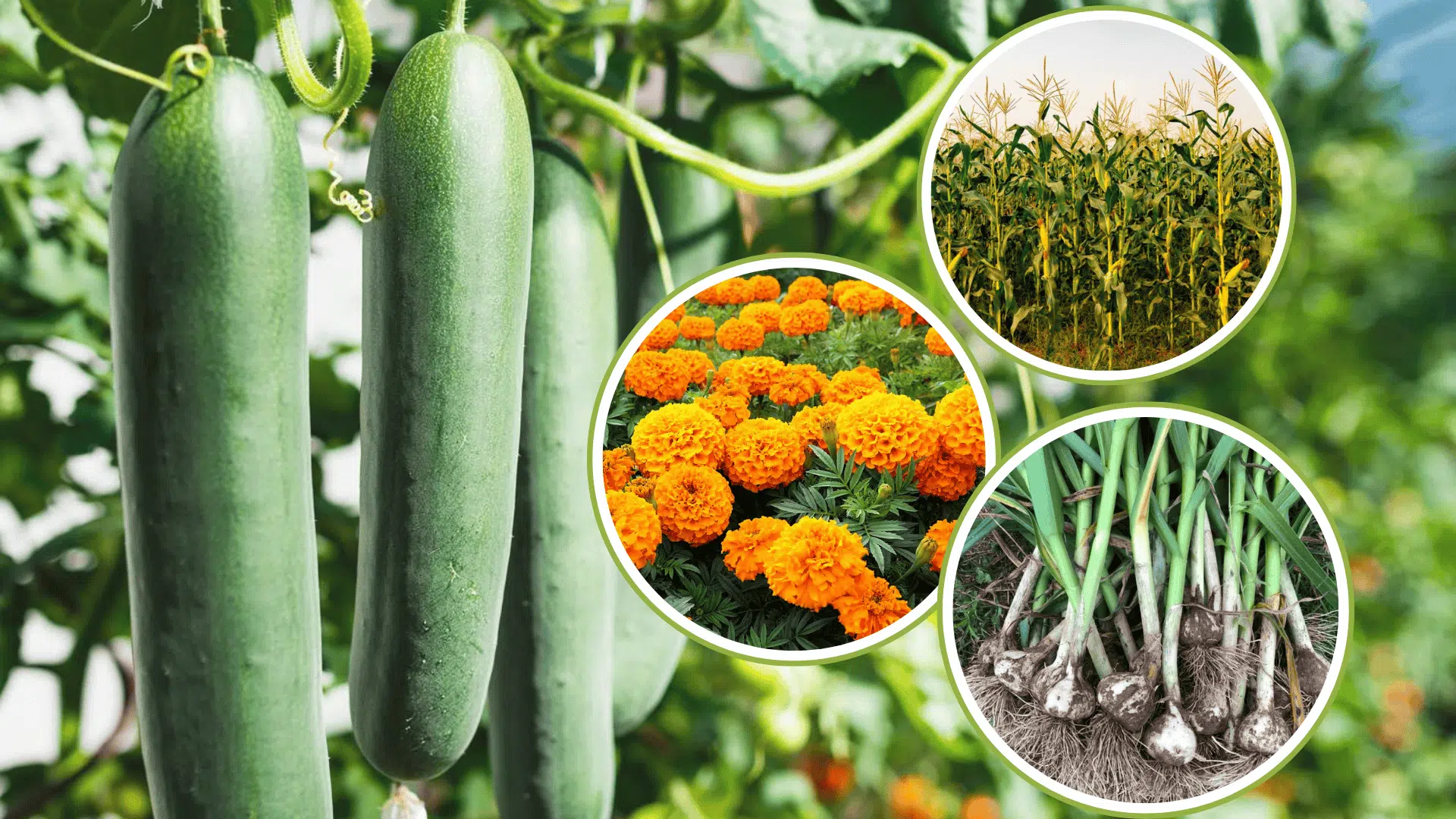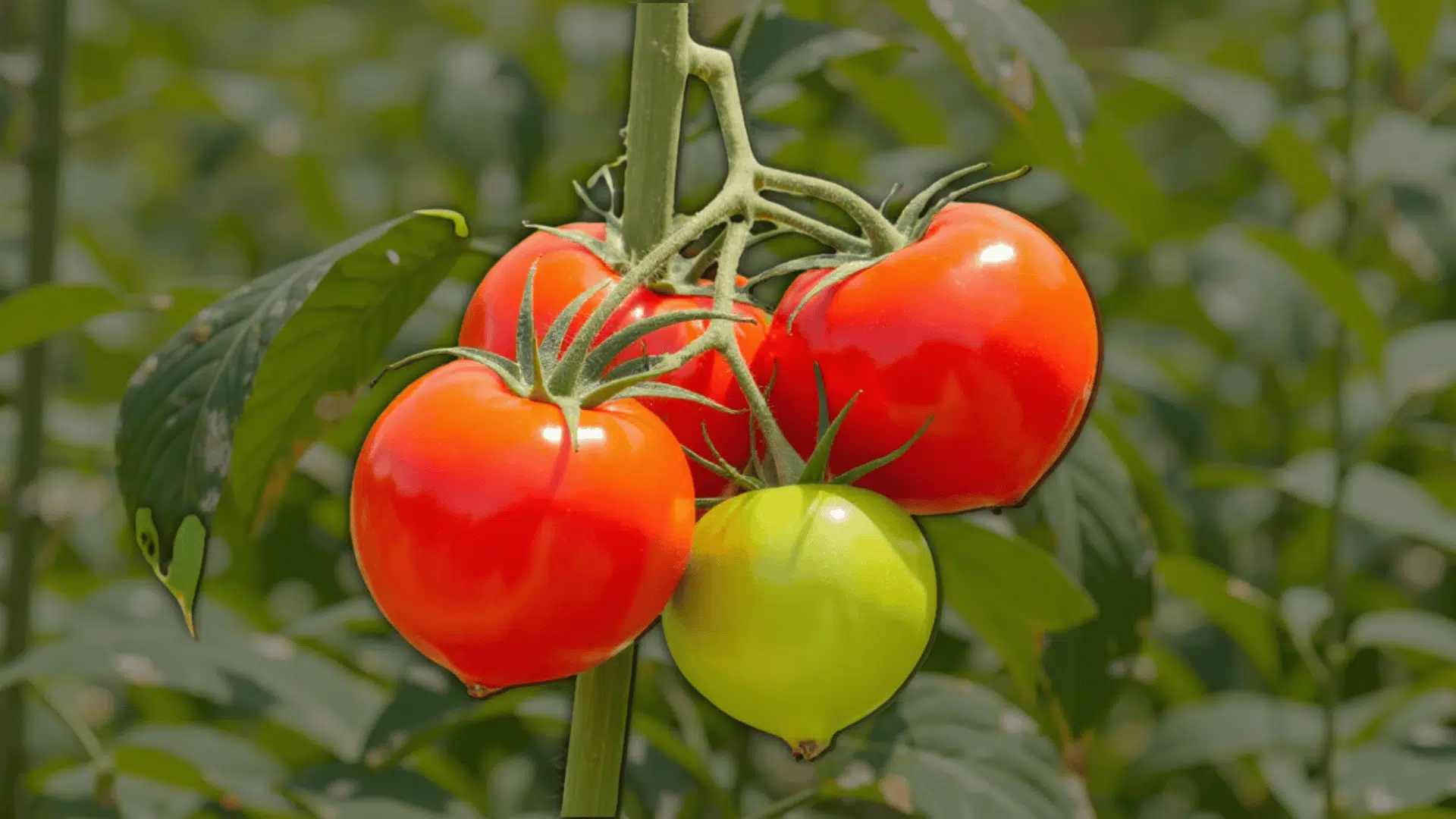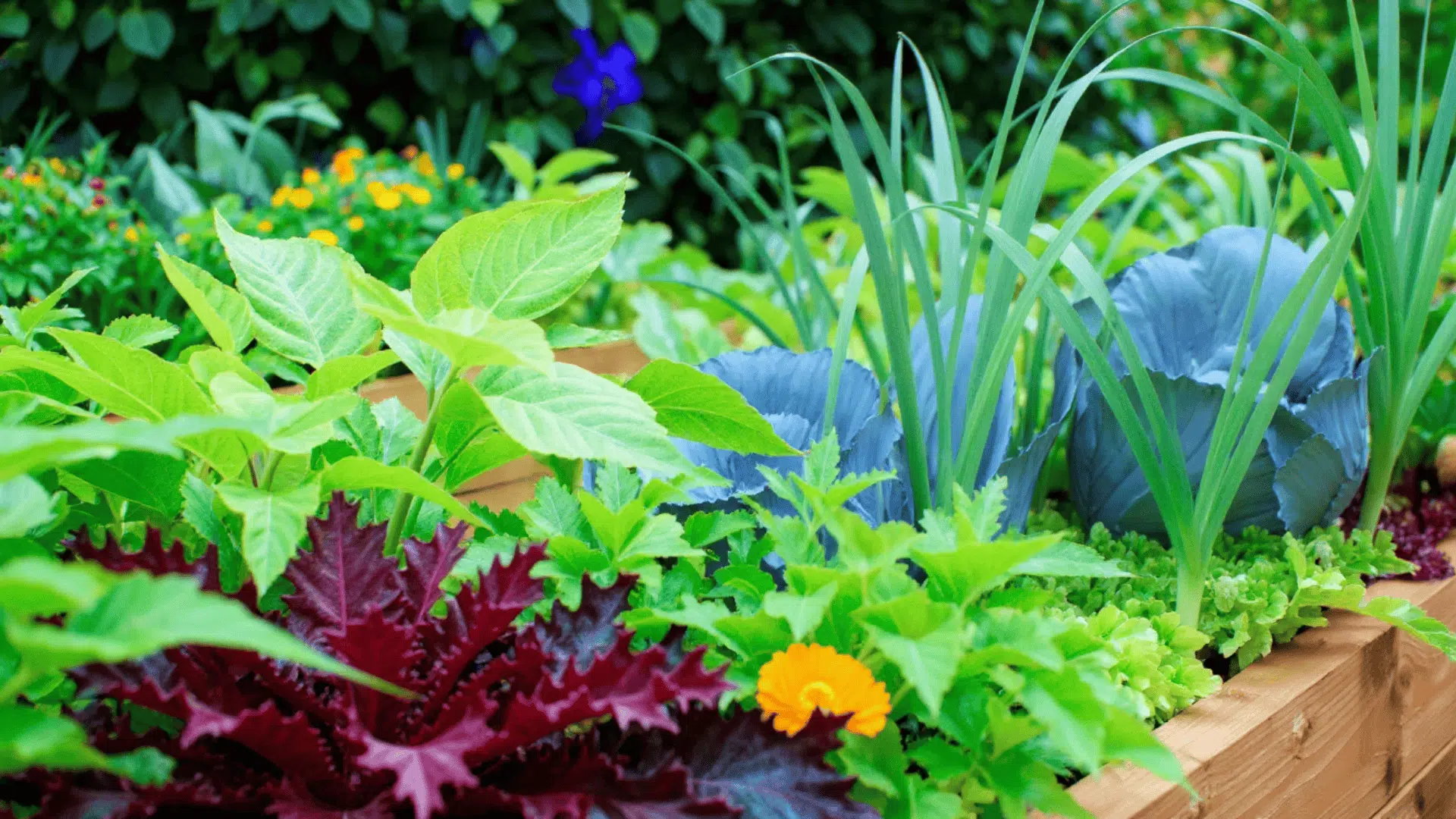

A thriving vegetable garden often depends on more than soil, water, and sunlight.
The way plants grow beside one another can quietly influence health, yield, and balance.
Vegetable garden companion planting brings attention to these natural relationships, where certain vegetables support growth while others create challenges.
This approach looks beyond individual crops and considers how planting choices affect the garden as a whole.
From helpful pairings to spacing decisions, each detail plays a role in shaping results over time.
The sections ahead break down how companion planting works, which combinations perform well, and how thoughtful planning can support a steadier, more organized growing space.
What Is Vegetable Garden Companion Planting?
Vegetable garden companion planting refers to growing certain plants close together so they can support each other naturally.
Some combinations help reduce pests, while others improve growth by sharing nutrients or providing shade.
This method is based on observing how plants interact when grown side by side.
Instead of treating each crop separately, companion planting looks at the garden as a connected system.
When planned well, it can lead to healthier plants, steadier harvests, and a more balanced growing space without extra effort.
Benefits of Vegetable Garden Companion Planting

Planting vegetable garden companion offers practical advantages that support plant health and garden balance when planned carefully.
- Natural pest control: Some plant pairings help reduce common pests by masking scents or attracting helpful insects.
- Better use of soil nutrients: Plants with different nutrient needs can share space without competing heavily.
- Improved plant growth: Supportive neighbors can provide shade, structure, or wind protection.
- Efficient use of space: Mixing compatible crops allows more to grow in limited areas.
- Lower maintenance needs: Balanced plant groupings can reduce ongoing garden upkeep.
Companion Planting Combinations for Vegetables
Companion planting in vegetable gardens is most effective when standard vegetables are paired with helpful neighboring plants.
The tables below list practical combinations that are easy to apply and help maintain healthier growth through simple, proven plant relationships:
Popular Vegetable Companion Pairings
These plant combinations are commonly used in home gardens because they are easy to follow and perform well across a range of growing conditions. Many of these pairings include vegetables chosen by new gardeners.
They support steady growth, reduce common plant issues, and suit both ground gardens and raised beds.
| Vegetable | Companion Plants | Notes |
|---|---|---|
| Tomato | Basil, marigold | Basil supports growth; marigold helps limit pests |
| Carrot | Onion, leek | Strong scents help reduce pest pressure |
| Lettuce | Carrot, radish | Shallow roots reduce competition |
| Cucumber | Radish, dill | Radish helps reduce beetle issues |
| Pepper | Onion, spinach | Compact growth works well together |
| Broccoli | Lettuce, onion | Leafy greens fit beneath taller plants |
| Spinach | Radish, strawberry | Fast growth allows efficient spacing |
| Zucchini | Nasturtium, corn | Nasturtium helps limit plant stress |
Traditional and Space-Saving Combinations
These pairings are often used in mixed planting layouts where space is limited.
They focus on vertical growth, shared soil use, and balanced spacing, making them useful for small gardens, raised beds, and compact planting areas.
| Vegetable | Companion Plants | Notes |
|---|---|---|
| Corn | Beans, squash | Beans support nitrogen balance |
| Beans | Corn, cucumber | Light climbers benefit nearby plants |
| Squash | Corn, nasturtium | Broad leaves help shade soil |
| Onion | Carrot, lettuce | Minimal root conflict |
| Cabbage | Dill, onion | Dill supports beneficial insects |
Tip: When using companion planting, avoid overcrowding. Even compatible plants need enough space for roots and airflow, so always follow spacing guidelines to help each vegetable grow steadily and stay healthy.
Garlic is often included in companion planting plans, but placement matters.
For gardeners planning to grow garlic, proper planting depth, timing, and spacing play an essential role in long-term results.
Vegetables That Should Not Be Planted Together
Some vegetables should not be planted together because they compete for nutrients, attract the same pests, or affect each other’s growth.
Avoiding these combinations helps maintain healthier plants and steadier yields:
- Tomatoes and brassicas: They compete heavily for nutrients, which can limit growth.
- Onions and beans: Onions can slow bean growth and reduce productivity.
- Potatoes and tomatoes: Both attract similar pests and diseases.
- Fennel and most vegetables: Fennel can interfere with nearby plant development.
- Carrots and dill: Mature dill may affect carrot root formation.
- Cucumbers and potatoes: Both compete for nutrients and can increase disease risk.
- Peppers and fennel: Fennel may affect pepper growth when planted nearby.
- Beans and garlic: Garlic can slow bean development.
- Cabbage and strawberries: They attract similar pests, increasing plant stress.
- Radishes and hyssop: Hyssop may limit radish growth when planted close together.
Vegetable Garden Companion Planting Layout
Companion planting layouts in vegetable gardens vary based on space, plant size, and growing methods.
Using the correct layout helps compatible plants grow together without crowding, supports steady development, and makes watering and maintenance easier across different garden setups.
Row-based layout → Vegetables are planted in straight lines, with supportive plants positioned alongside for balance. Block or grid layout → Plants are grouped closely in sections, making efficient use of raised beds. Interplanting layout → Quick-growing crops fill gaps between slower vegetables, reducing unused soil. Vertical layout → Climbing plants grow upward, allowing smaller companions to grow below. Container layout → Compatible plants share pots or nearby containers with similar care needs. |
Selecting the right planting layout supports balanced growth, proper spacing, and easier care throughout the season.
A well-planned arrangement helps plants receive adequate light, water, and airflow while making the garden more organized and manageable as crops mature.
How to Design a Companion Garden Layout?
Designing a companion garden layout helps vegetables grow alongside supportive plants without competing for space or resources.
A thoughtful plan improves spacing, light access, and overall garden balance.
With a few clear steps, companion planting can be organized in a way that supports steady growth and easier maintenance:
Steps to design a companion garden layout:
Assess the space: Measure the garden area and note sunlight exposure.
Group compatible plants: Place vegetables with similar needs close together.
Plan height and spacing: Position taller plants where they will not block light.
Allow airflow and access: Leave gaps for air movement and walking paths.
Sketch before planting: A simple layout helps avoid overcrowding.
A well-designed companion garden layout supports plant health, reduces planting issues, and allows the garden to function smoothly throughout the growing season.
Conclusion
Vegetable garden companion planting helps bring clarity to how vegetables interact within the same growing space.
By choosing supportive pairings, avoiding problematic combinations, and planning layouts with care, gardens can remain more balanced and productive.
Each section, from plant selection to spacing, contributes to smoother growth and easier upkeep throughout the season.
Companion planting works best when treated as a flexible approach rather than a fixed system, allowing adjustments based on results over time.
Have you tried companion planting in a vegetable garden before, or do you have a pairing that works especially well? Share your experience or favorite combinations below.

With a Master’s in Landscape Architecture from the University of Virginia, Sophia Stephenson has dedicated the last 20 years to creating and maintaining vibrant outdoor spaces. Her professional journey started in landscape design, where she gained a reputation for innovative and sustainable approaches. Sophia became a part of our editorial team as a freelancer in 2019, offering a fresh perspective on outdoor living. Since 2020, she has been the chief for our outdoor design content, blending aesthetic appeal with environmental stewardship. In her leisure time, Sophia is a keen photographer, capturing the beauty of natural landscapes, a hobby that complements her professional expertise.