
Many homes today feel rushed, polished, and overfilled, which can make everyday spaces feel tiring instead of calming.
Wabi sabi style offers a quieter approach by focusing on simplicity, natural change, and comfort.
Rather than chasing perfect finishes or matching décor, it values materials that age naturally and spaces that feel lived in.
This approach appeals to those looking for balance without excess.
In this article, the wabi sabi style is explained clearly, starting with its meaning and principles, followed by interior design traits, everyday applications, common mistakes, and how it differs from boho style.
What is Wabi Sabi Style?
Wabi sabi style comes from a Japanese way of thinking that values simplicity and acceptance. It focuses on things that are incomplete, weathered, or shaped by time.
Instead of hiding cracks, marks, or uneven surfaces, this style allows them to remain visible.
In design, wabi sabi style avoids shine and perfection. It prefers natural materials, soft colors, and objects that feel calm rather than bold. Nothing needs to match exactly. Items are chosen because they feel right, not because they follow a rule.
This style is not about looking old or rustic on purpose. It is about letting materials age naturally and allowing spaces to feel lived in. Over time, a wabi sabi home grows more personal, not less.
The 7 Principles of Wabi Sabi
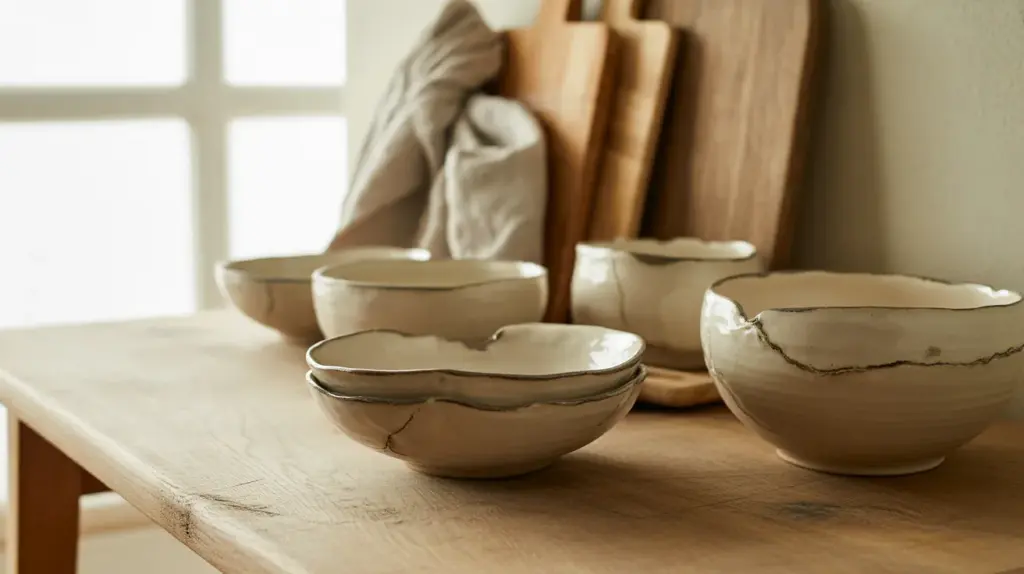
Wabi sabi style is built on ideas rather than rules. These seven principles help explain how it works in daily life and design.
Acceptance of imperfection: Marks, chips, and uneven edges are not flaws. They show use and time.
Respect for aging: Materials change over the years. Fading wood or worn fabric is welcome.
Simplicity: Spaces are not crowded. Each item has a purpose.
Asymmetry: Balance does not require matching pairs or straight lines.
Connection to nature: Natural textures and materials help create calm spaces.
Quiet beauty: Nothing needs to stand out. The room feels settled, not styled.
Mindful living: Items are chosen with care and kept for long periods.
Interior Design Characteristics of Wabi Sabi Style
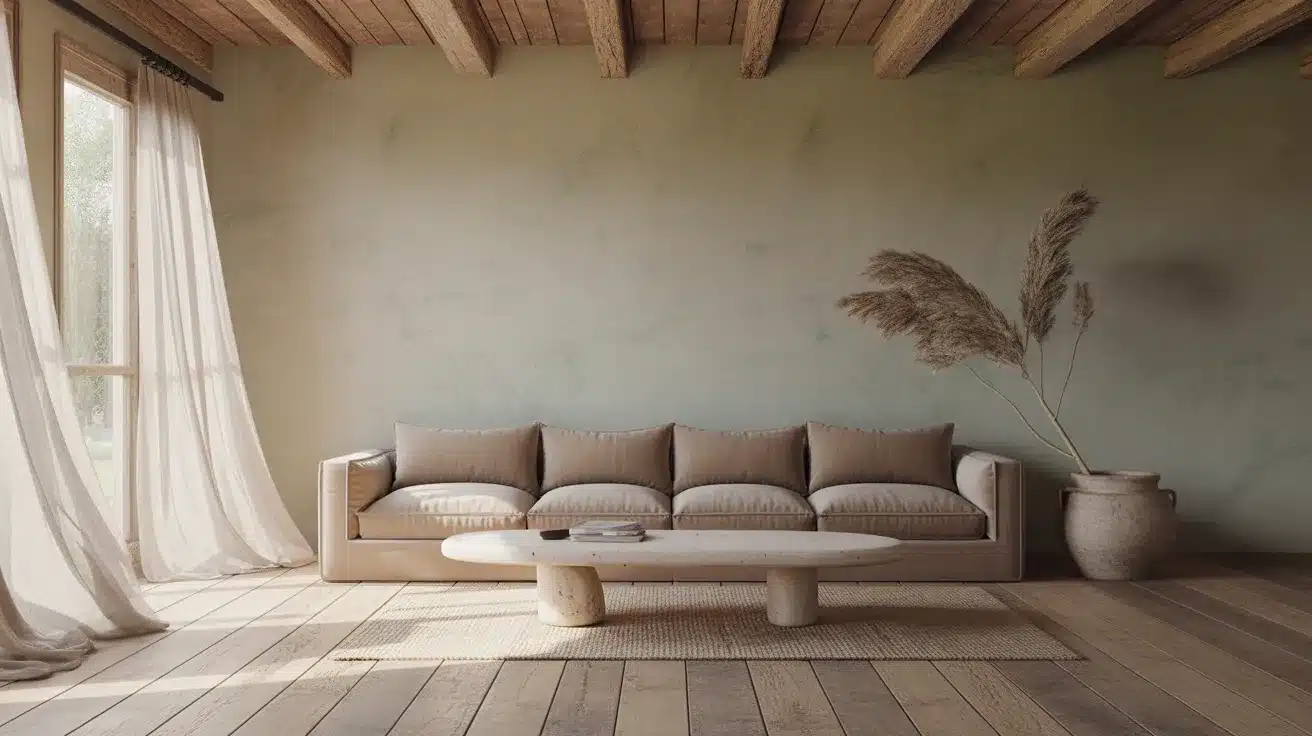
Wabi sabi interiors feel calm, grounded, and honest. They do not rely on decoration for impact. Instead, they use materials, light, and space to set the mood.
Walls often have soft textures, limewash finishes, or subtle color variation. Floors may show wear or natural grain. Furniture is solid and simple, often handmade or lightly finished.
Color palettes stay muted. Think warm whites, soft browns, clay tones, and gentle gray shades. Lighting is soft rather than bright. Natural light is allowed to change throughout the day.
Empty space is important. Rooms are not filled wall to wall. This allows each object to breathe and be noticed without effort.
Wabi Sabi Style in Everyday Elements
Wabi sabi style is not limited to interiors. It appears in clothing, furniture, and daily items as well.
1. Clothing
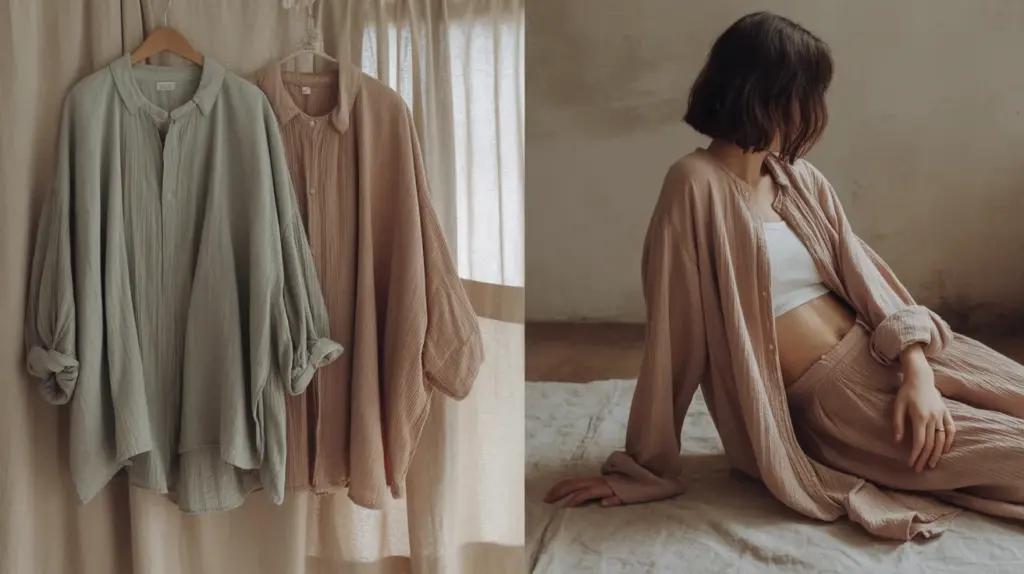
Wabi sabi clothing focuses on comfort and natural wear. Fabrics like cotton, linen, and wool are common. Colors stay soft and earthy. Loose fits allow ease of movement.
Clothes may show fading or gentle wear over time. This is part of their character. The goal is comfort and longevity, not fast change.
2. Dining Tables and Furniture
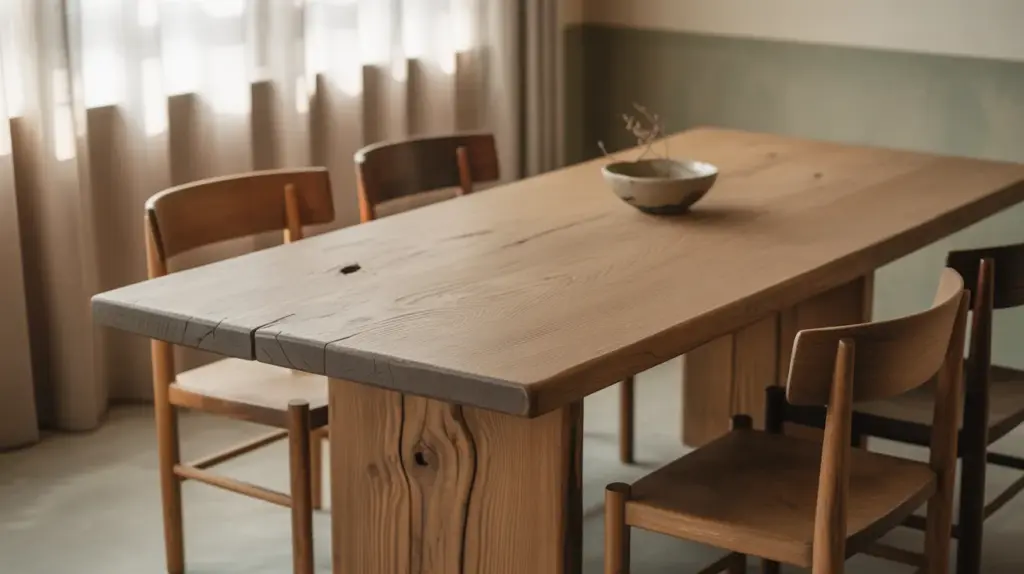
Furniture in wabi sabi homes is solid and simple. Dining tables often use real wood with visible grain and knots. Edges may be uneven or softly shaped.
Chairs and storage pieces focus on use rather than decoration. Over time, scratches and marks add history.
3. Rugs
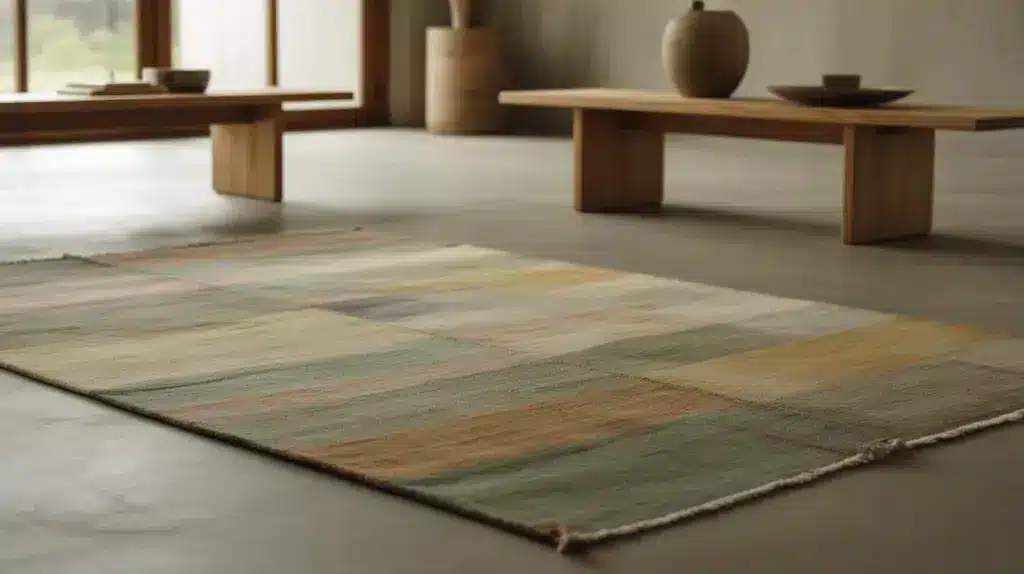
Rugs tend to be low-pile or flat-woven. Natural fibers work best. Colors remain muted, and patterns are subtle or faded.
Irregular edges or gentle wear are welcome. Rugs help ground a space without becoming the focus.
4. Sofas
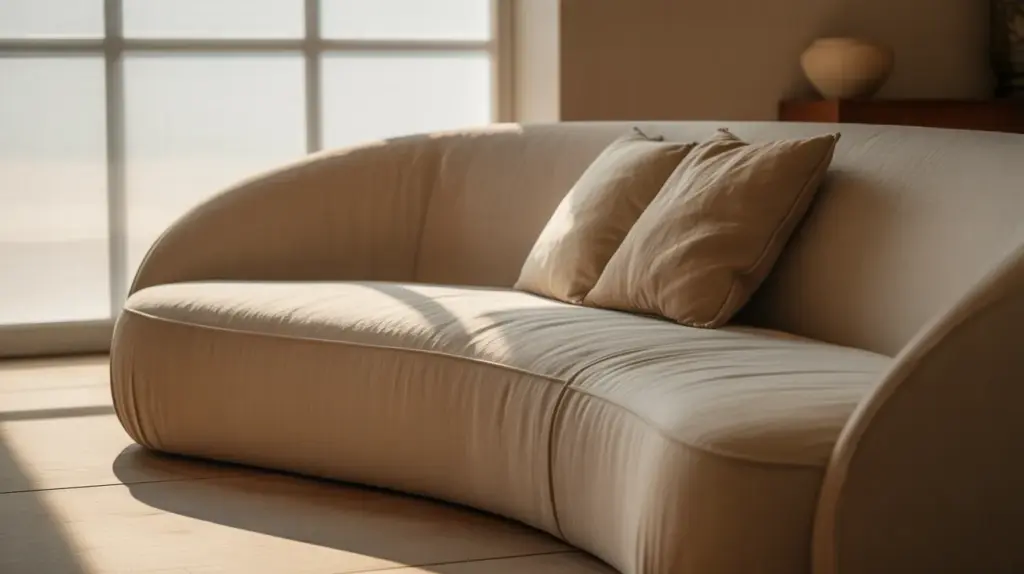
Sofas in wabi sabi spaces feel relaxed. Shapes are soft, not rigid. Fabrics like linen or cotton blends age well and remain comfortable.
Neutral shades allow sofas to blend into the room. The goal is rest, not display.
Common Wabi Sabi Design Mistakes
Wabi sabi style is often misunderstood, which can lead to spaces that feel staged or unbalanced rather than calm and natural.
Forcing an aged appearance: Artificial distressing and fake wear can look intentional and out of place. Wabi sabi values natural aging that happens over time.
Overcrowding the space: Too many objects remove the sense of openness. Wabi sabi relies on fewer items with room to breathe.
Using glossy or polished finishes: Shiny surfaces clash with the soft, natural textures central to this style.
Treating it as a short-term look: Wabi sabi works best when items are chosen for long-term use, not frequent replacement.
Mixing too many materials: Using many textures at once creates visual noise. A limited material palette keeps the space calm.
Difference Between Boho and Wabi Sabi Style
While both styles value comfort and individuality, their approach to color, layout, and materials is very different.
| Aspect | Boho Style | Wabi Sabi Style |
|---|---|---|
| Overall feel | Expressive and layered | Calm and restrained |
| Color use | Warm tones, bold accents | Muted, earth-based shades |
| Patterns | Mixed prints and textures | Minimal or subtle textures |
| Decoration | Many decorative objects | Few intentional items |
| Materials | Mix of natural and decorative | Natural materials with visible wear |
| Furniture | Lightweight and decorative | Solid and functional |
| Space use | Filled and cozy | Open with intentional spacing |
| Visual focus | Artistic expression | Material honesty and balance |
Conclusion
Wabi sabi style is not about decoration or trends. It is about choosing calm over clutter and honesty over perfection.
By focusing on natural materials, simple forms, and long-term use, this style creates spaces that feel lived in and steady.
Whether used in interiors, clothing, or furniture, wabi sabi style encourages care, patience, and comfort. Over time, these spaces become more personal, not outdated.
If you are considering this style, start small. Choose one piece that feels natural and useful. Let the rest grow slowly.
Have thoughts or experiences with wabi sabi style? Share them in the comments.
Frequently Asked Questions
Can Wabi Sabi Style Be Mixed With Modern Homes?
Yes. Modern layouts pair well with wabi sabi elements like natural textures, muted colors, and simple forms, creating spaces that feel balanced, calm, and practical rather than cold or overly styled.
Is Wabi Sabi Style Expensive to Create?
Not always. Wabi sabi favors fewer, long-lasting pieces and natural materials, which often lowers costs over time by reducing frequent replacements and unnecessary decorative spending.
Does Wabi Sabi Style Require Handmade Items?
Handmade items fit naturally, but they are not required. Well-crafted, simple pieces with natural finishes and visible character can reflect wabi sabi values just as effectively.
How Does Wabi Sabi Style Change Over Time?
Wabi sabi spaces improve with use. Materials develop wear, color shifts, and texture changes, adding depth and meaning rather than looking outdated or worn out.

Holding a Master’s in Library and Information Science from the University of Illinois, Josh Clarke has dedicated more than 15 years to managing and disseminating information across various platforms. His professional journey includes significant experience as a research librarian, where he developed an expertise in sourcing and providing accurate and comprehensive answers to diverse questions. In 2018, Josh brought his rich experience to our platform, quickly establishing himself as a reliable source for general FAQs. He has been overseeing our information curation since then, combining his research skills with a flair for engaging content delivery. When not involved in information management, Josh enjoys exploring digital photography and participating in local quiz competitions, hobbies that complement his inquisitive nature and love for learning.