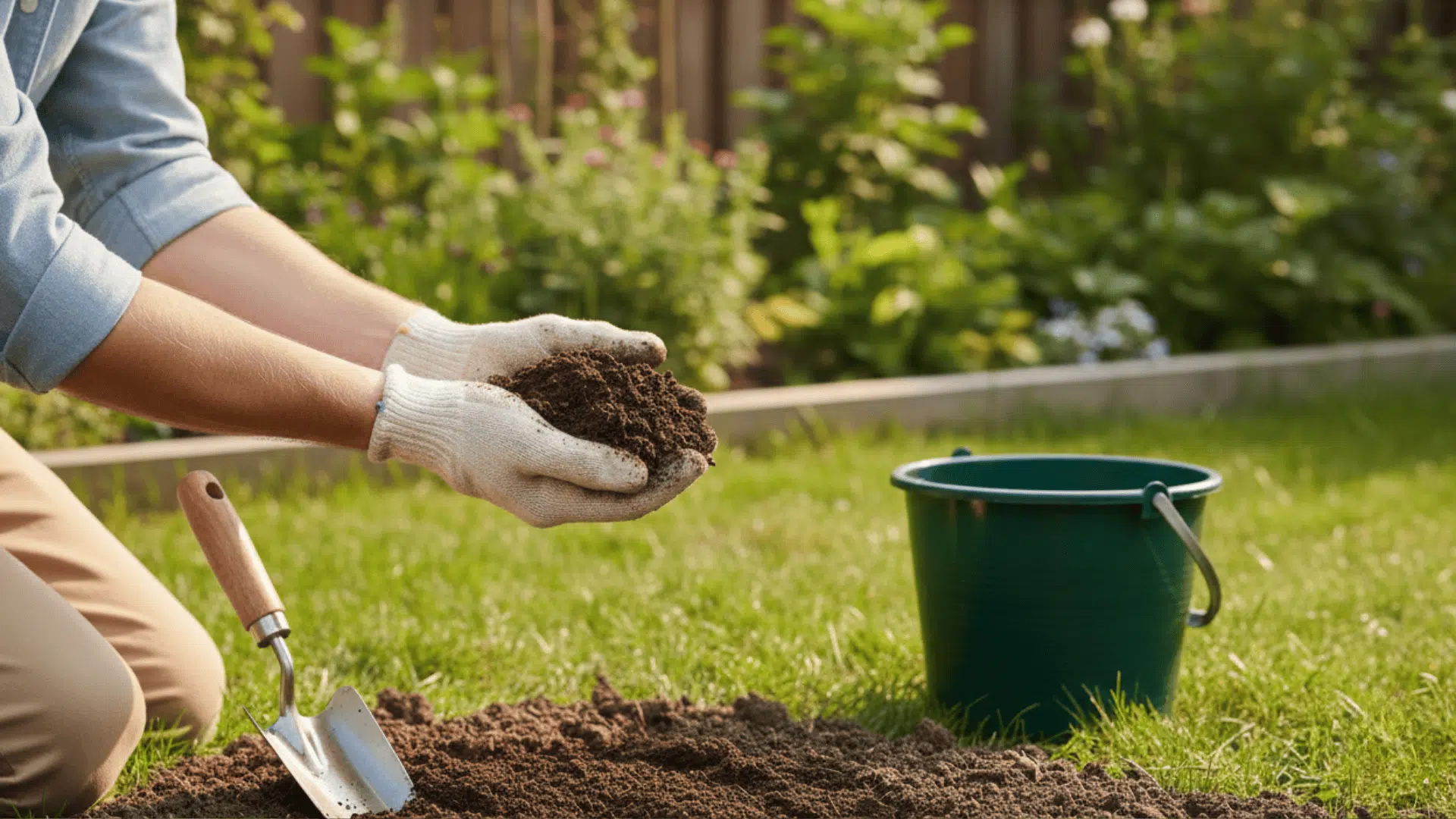

Many gardens struggle with soil that is too hard, too sandy, or constantly soggy. Loam sits in the sweet spot between all of those.
It is a mix of sand, silt, clay, and organic matter that gives roots what they need: air, water, and food.
Most soils lean heavily toward one particle type. A sandy soil is mostly sand, and a clay soil is mostly clay. Loam stands out because it has enough of all three types to get the best qualities of each one.
Gardeners and farmers often call loam the “ideal” soil texture because it works well for so many plants.
Let me show you, my fellow gardeners, in simple steps what loamy soil is precisely, and when and why it can be your best bet.
Composition Of Loamy Soil
A typical loamy soil contains these 3 soils in the following ratio: about 40% sand, 40% silt, and 20% clay by weight.
These numbers can shift a bit, maybe 35% sand and 45% silt, or 25% clay instead of 20%, and the soil can still be called loam.
Too much sand and the soil drains too fast. Too much clay and it gets sticky and slow to drain. Loam sits right in the middle.
Adding some organic matter makes the loamy soil more suitable for gardening and thus organic matter is very often a part of this mix.
1. Sand

Sand particles are the largest of the three. They feel gritty when rubbed between fingers and don’t stick together well.
Because sand particles are big, water flows through the spaces between them quickly.
In loam, sand prevents waterlogging. It keeps air moving through the soil so roots can breathe. It also makes the soil easier to dig and less likely to clump into hard blocks.
2. Silt

Silt particles are medium-sized, smaller than sand but larger than clay. Dry silt feels smooth or even floury to the touch. When wet, it can feel a bit slippery but not as sticky as clay.
Silt in loam helps the soil hold onto water longer than pure sand would. It also holds nutrients better, so plant roots have more time to absorb what they need before water carries it away.
3. Clay

Clay particles are the smallest. They pack together tightly and feel sticky when wet. Clay soils can be hard to work with because they drain slowly and form hard clumps when they dry out.
But in the small amounts found in loam, clay is helpful. It stores nutrients like a sponge and gives the soil some structure. A little clay helps loam hold its shape without turning into a sticky mess.
4. Organic Matter

Organic matter is most often also included in the mix; it comes from broken-down plant and animal material. In soil, it’s often called humus. This dark, crumbly material feeds earthworms, fungi, and bacteria that keep the soil healthy.
Organic matter also improves the structure of loam. It helps clumps of soil stick together loosely, so water and air can move through while the soil still holds its shape.
Types Of Loamy Soil
Not all loam is exactly the same. Depending on which particle type dominates slightly, loam can be classified into a few different types that each work better for certain plants.
| Type | What It Feels Like | Best For | Watch Out For |
|---|---|---|---|
| Sandy Loam | Gritty but forms a loose ball when squeezed | Root crops (carrots, radishes), Mediterranean herbs (rosemary, lavender) | Can dry out faster than other loams |
| Silty Loam | Soft and silky, almost like flour | Leafy greens, flowers, moisture-loving plants | Compacts easily when walked on, especially when wet |
| Clay Loam | Heavier, holds together more firmly, but is still workable | Nutrient-hungry crops (tomatoes, squash) | Needs high organic matter to prevent waterlogging |
For most home gardeners, knowing whether the soil is sandy loam, silty loam, or clay loam is enough to make good planting decisions.
Benefits Of Loamy Soil
Loamy soil offers several practical advantages that make gardening easier and more successful. Here’s why so many gardeners consider it the gold standard for growing most plants.
- Balanced drainage and moisture retention: Loam drains better than heavy clay, so roots don’t sit in water and rot. But it also holds more water than pure sand, so plants don’t dry out as quickly between waterings.
- Strong nutrient-holding capacity: The clay and organic matter in loam act like a nutrient bank. They hold onto minerals such as nitrogen, phosphorus, and potassium so that plant roots can take them up as needed.
- Easy to work, easy on roots: Loamy soil is usually crumbly and friable, which means it breaks apart easily when dug. This makes planting, weeding, and harvesting much simpler.
- Supports rich soil life: Good structure and organic matter create a healthy home for earthworms, fungi, and beneficial bacteria. These organisms break down organic material, improve soil structure, and help plants absorb nutrients.
How To Tell If Soil Is Loamy
A gardener doesn’t need lab equipment to figure out whether the soil is loamy. A few simple tests can reveal the texture and give a good sense of what’s in the ground.
1. Quick Squeeze Test

Take a handful of moist (not soaking wet) soil and squeeze it into a ball. If it holds together but crumbles easily when poked, it’s likely loam.
If it falls apart right away, it’s too sandy, and if it stays in a tight ball and feels sticky, it has too much clay.
2. Simple Jar Test

For a more detailed look, try the jar test:
- Fill a clear jar about one-third full with soil.
- Add water until the jar is almost full.
- Screw on the lid and shake hard for a few minutes.
- Let the jar sit undisturbed for at least 24 hours.
- Measure the height of each settled layer.
The soil will settle into layers. Sand sinks first and forms the bottom layer. Silt settles on top of the sand.
Clay particles are the smallest and settle last, forming the top layer. If the layers look roughly equal in height, the soil is loamy.
3. Visual Clues In The Garden

Loamy soil often shows itself through how plants grow. If plants grow well without needing constant watering or heavy doses of fertilizer, the soil is probably loam.
The soil shouldn’t crack badly in dry weather or stay soggy for days after rain. It should look dark and crumbly when turned over with a spade.
Can You Buy Loamy Soil?
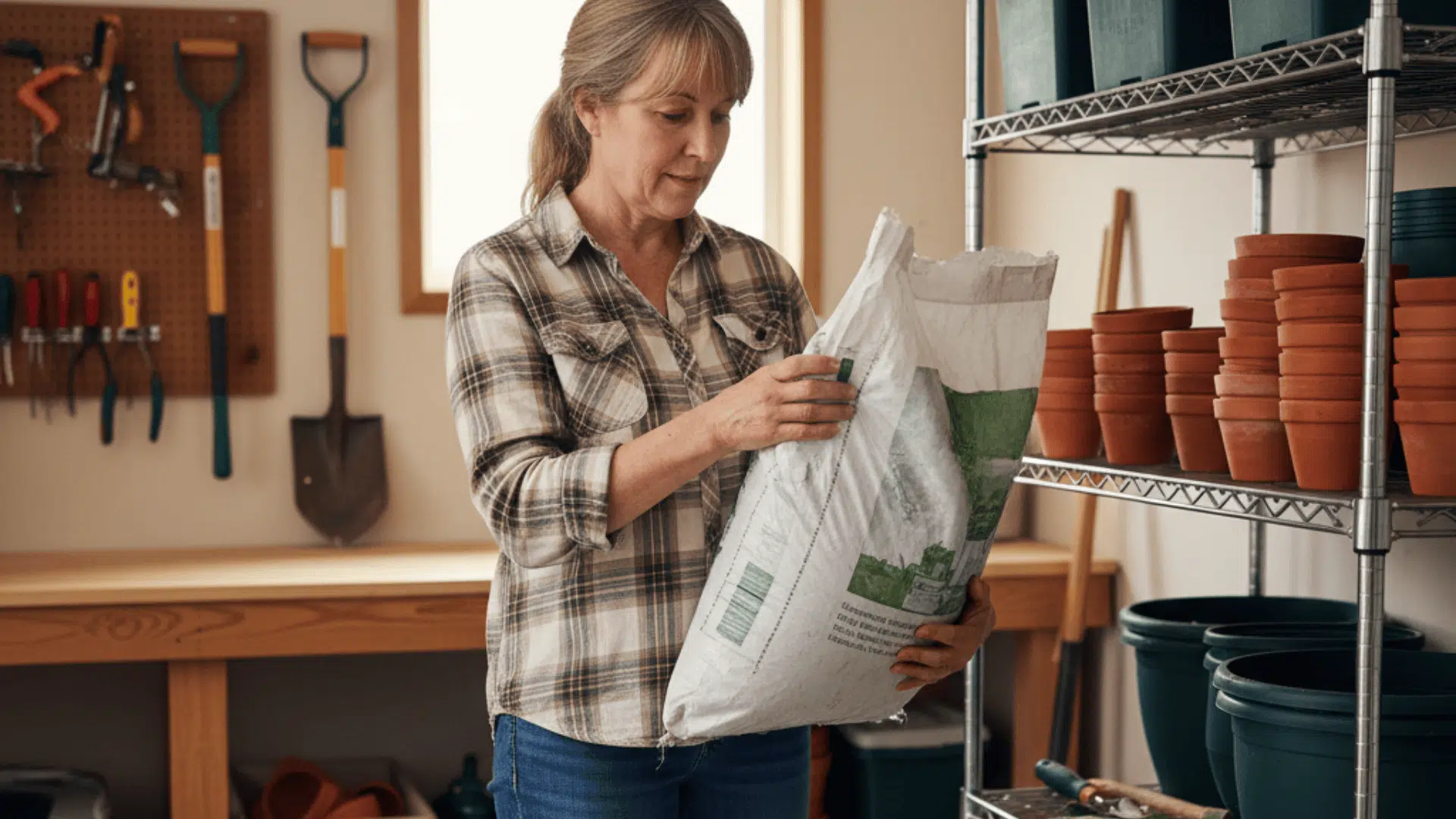
Many garden centers sell bagged soils labeled “loam,” “garden soil,” or “planting mix.” These are usually loamy blends mixed with compost or peat.
Bagged soil is convenient but can get expensive for large projects.
For bigger jobs, buying loamy topsoil or “screened loam” by the cubic yard from a landscape supply yard, garden center, or local farm makes more sense. The truckload delivers bulk soil and costs much less per cubic yard than bagged products.
Most landscape yards screen their soil to remove rocks and debris. A gardener should ask to see and feel a sample before ordering to make sure it matches what they need.
Where To Buy Loamy Soil?
Big-box stores like Home Depot, Lowe’s, and Walmart carry bagged loam, topsoil, and garden soil. Local nurseries and garden centers often have higher-quality mixes made for specific plant needs.
Landscape supply yards and bulk soil yards offer screened loam, garden blends, and delivery services. Many will also load a pickup truck for smaller orders.
Tips For Using And Maintaining Loamy Soil
Even loamy soil needs care to stay in good condition. Here are a few simple practices that keep the loam healthy and productive for years.
- Avoid over-tilling and compaction: Too much digging damages soil structure. Avoid walking on beds when wet, and use paths or stepping stones to protect the soil.
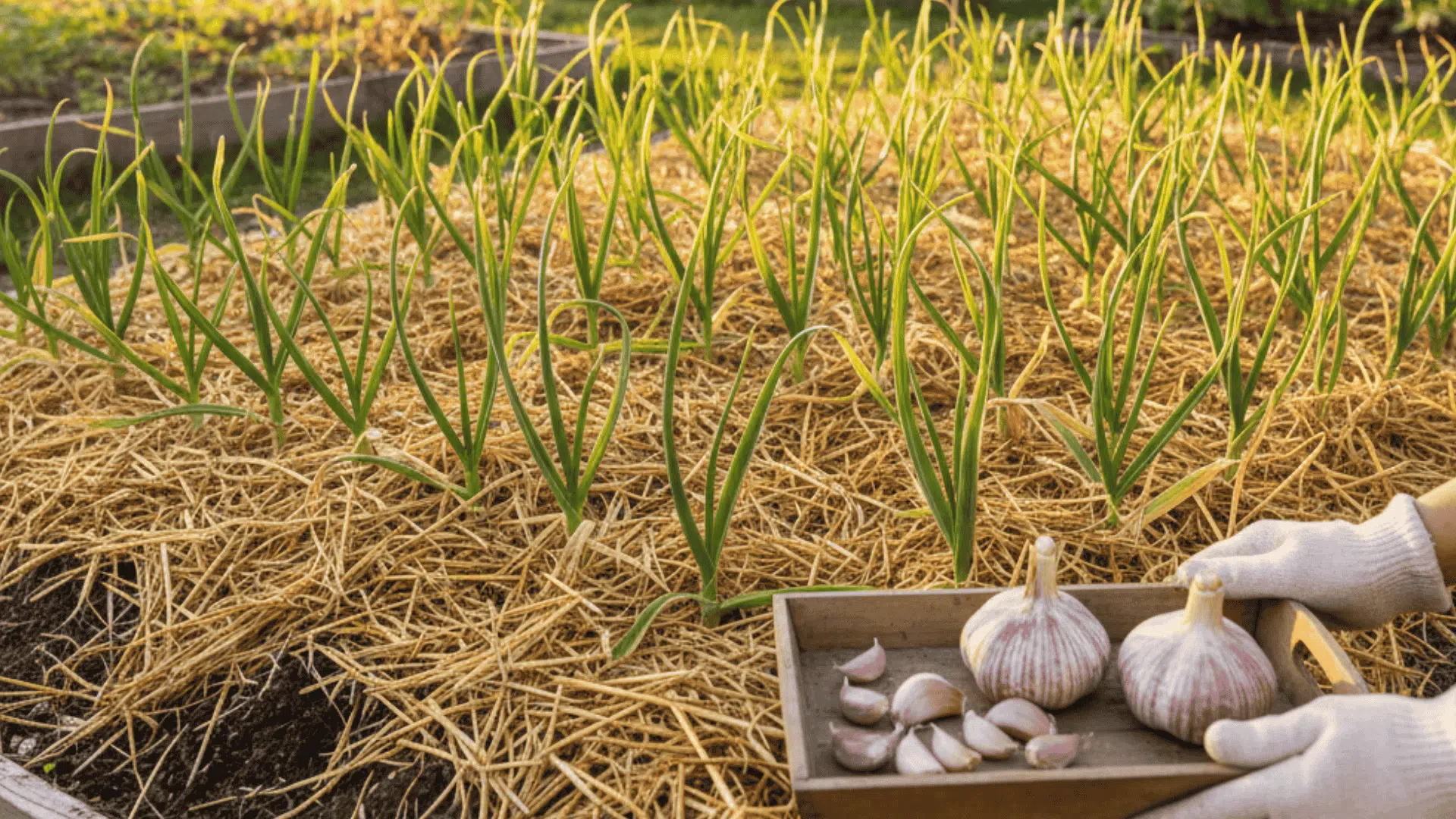
- Keep organic matter levels up: Mulch with compost, shredded leaves, or straw. Top-dress beds with compost each season to maintain fertility and structure.
- Test and adjust fertility as needed: A soil test shows whether the soil needs lime, sulfur, or extra nutrients. Loam holds amendments well, so adjustments last longer.
- Rotate crops and plant cover crops: Growing different plants in different spots each year balances nutrient use. Cover crops add organic matter and prevent erosion.
- Protect the soil surface: Keep soil covered with mulch, living plants, or cover crops to prevent erosion and maintain the loam’s structure.
Final Thoughts
Loamy soil isn’t magic, but it comes close for most gardening needs. Its balanced mix of sand, silt, and clay creates conditions where plants can thrive with less fussing over drainage, watering, and fertilizing.
Whether a gardener is starting with loam or working toward it by improving sandy or clay soil, the effort pays off in healthier plants and easier maintenance.
Adding organic matter regularly is the most critical step for creating and keeping loamy soil. With patience and consistent care, almost any soil can move closer to that ideal loamy texture.
What’s the soil like in the garden? Has anyone tried the jar test or been working to improve their soil texture?
Leave a comment below; other gardeners would love to hear about successes, challenges, or tips.

With a Master’s in Landscape Architecture from the University of Virginia, Sophia Stephenson has dedicated the last 20 years to creating and maintaining vibrant outdoor spaces. Her professional journey started in landscape design, where she gained a reputation for innovative and sustainable approaches. Sophia became a part of our editorial team as a freelancer in 2019, offering a fresh perspective on outdoor living. Since 2020, she has been the chief for our outdoor design content, blending aesthetic appeal with environmental stewardship. In her leisure time, Sophia is a keen photographer, capturing the beauty of natural landscapes, a hobby that complements her professional expertise.