
Measurements quietly influence everyday choices, yet their meaning often fades into the background.
A familiar term appears in property details, room layouts, and material estimates, but clarity is not always present.
What is square foot answers how surface area is measured and why it matters across many spaces and uses.
This blog clearly explains:
- The meaning of a square foot
- How square feet are calculated for different shapes
- Real-life examples of square footage
- Combined shape calculations
- Common area conversions
Each section builds understanding step by step, turning a widely used measurement into a clear and practical concept that supports accurate planning and comparison.
What Is a Square Foot?
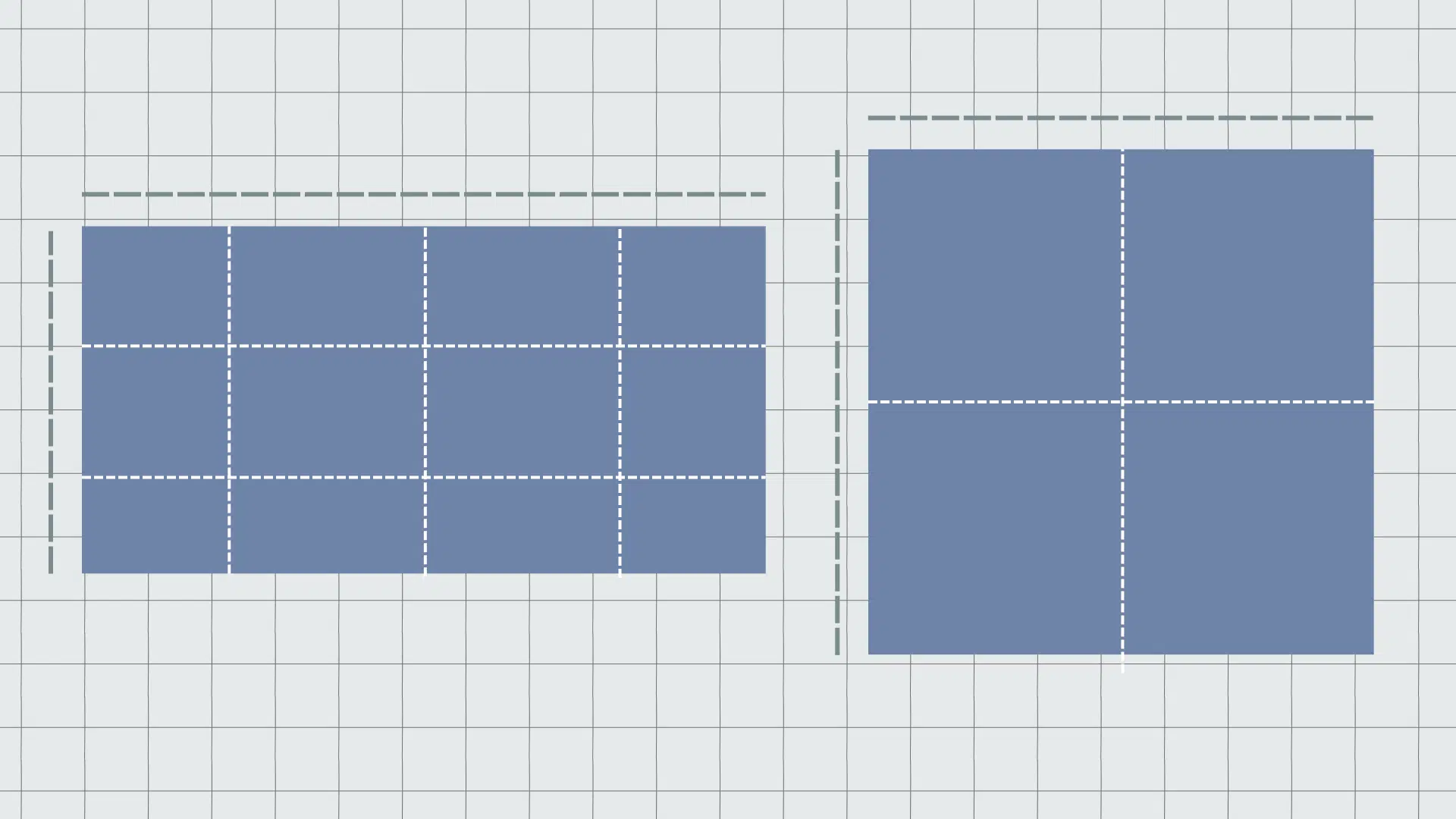
A square foot is a unit used to measure area, not length.
It represents the space inside a square where each side measures one foot. In simple terms, a square foot equals 1 foot × 1 foot.
This unit is commonly used in the United States for measuring the size of rooms, homes, floors, land, and other flat surfaces.
When an area is described in square feet, it refers to how much surface space is covered, rather than how long or wide something is.
To put it clearly:
- One square foot covers a flat area with equal length and width
- It is written as sq ft or ft²
- It measures surface size, not distance
Understanding what a square foot represents helps with reading floor plans, estimating materials, and comparing space sizes accurately.
How to Calculate a Square Foot?

Calculating square feet means finding the total surface area of a space using measurements in feet. The method depends on the shape of the area.
1. Square Shape
A square is a shape with four equal sides and four right angles.
It is commonly found in tiles, small rooms, patios, and evenly shaped areas where length and width remain the same.
Formula: Measure one side of the square in feet. Multiply the side by itself to get the total area.
| Length × Length = Square Feet |
Example: Suppose each side of the square measures 5 feet.
- Side length = 5 feet
- Calculation: 5 × 5 = 25 square feet
2. Rectangle Shape
A rectangle is a shape with four sides and four right angles, but the length and width are not equal.
It is commonly used for rooms, walls, floors, and outdoor spaces where one side is longer than the other.
Formula: Measure the length and width in feet. Multiply both values to find the total area.
| Length × Width = Square Feet |
Example: Suppose the rectangle measures 8 feet in length and 6 feet in width.
- Length = 8 feet
- Width = 6 feet
- Calculation: 8 × 6 = 48 square feet
3. Circle Shape
A circle is a round shape with no corners, measured using a radius from the center to the edge.
It is commonly seen in round tables, garden areas, rugs, and curved spaces.
Formula: Measure the radius in feet and apply the standard circle area formula.
π × radius × radius
(π is approximately 3.14)
| 3.14 × Radius × Radius = Square Feet |
Example: Suppose the radius of the circle measures 4 feet.
- Radius = 4 feet
- Calculation: 3.14 × 4 × 4 = 50.24 square feet
Square Foot vs Other Area Measurements
Different units are used to measure area depending on location, purpose, and space size.
The table below shows how a square foot compares with other commonly used area measurements in a clear and easy-to-scan format:
| Measurement Unit | Equals in Square Feet | What It Measures | Common Usage |
|---|---|---|---|
| Square Inch | 1 sq ft = 144 sq in | Very small areas | Small objects, detailed surface checks |
| Square Foot | Base unit | Medium areas | Rooms, homes, flooring, walls |
| Square Yard | 1 sq yd = 9 sq ft | Larger areas | Carpets, lawns, outdoor spaces |
| Square Meter | 1 sq m ≈ 10.76 sq ft | Metric area size | Property listings outside the U.S. |
| Acre | 1 acre = 43,560 sq ft | Very large land | Plots, farms, land measurement |
This comparison makes it easier to read size descriptions, convert measurements, and choose the correct unit based on the space being measured.
Square Foot Conversion Chart and Examples
Square foot conversions are useful when measurements are given in different units.
Knowing how to convert square feet helps with reading plans, estimating materials, and comparing space sizes accurately.
| From Square Feet | Convert To | Conversion Formula |
|---|---|---|
| Square Inches | sq in | sq ft × 144 |
| Square Yards | sq yd | sq ft ÷ 9 |
| Square Meters | sq m | sq ft ÷ 10.76 |
| Acres | acres | sq ft ÷ 43,560 |
Conversion Examples:
Example 1: Square Feet to Square Inches
- Given area: 10 sq ft
- Calculation: 10 × 144 = 1,440 sq in
Example 2: Square Feet to Square Yards
- Given area: 90 sq ft
- Calculation: 90 ÷ 9 = 10 sq yd
Example 3: Square Feet to Square Meters
- Given area: 215 sq ft
- Calculation: 215 ÷ 10.76 ≈ 19.98 sq m
Example 4: Square Feet to Acres
- Given area: 21,780 sq ft
- Calculation: 21,780 ÷ 43,560 = 0.5 acres
💡 Simple Tip
Always convert square feet using multiplication or division based on the target unit. Keeping a basic conversion chart handy reduces errors and saves time during measurements and planning.
Common Uses of Square Feet
Square feet are widely used to measure surface area in everyday and professional settings.
This unit helps describe space size clearly and supports accurate planning, pricing, and material estimates.
- Real estate listings: Used to describe the size of homes, apartments, offices, and commercial spaces.
- Flooring and carpeting: Helps calculate the amount of tiles, wood, laminate, or carpet needed for a room.
- Construction and renovation work: Supports material estimation for paint, drywall, roofing, and insulation.
- Interior layout planning: Assists in arranging furniture and planning usable space in rooms.
- Land and outdoor spaces: Used for patios, decks, sheds, and small plots of land.
Square Foot Basics Recap
Understanding what is square feet helps bring structure to how space is measured and used.
From learning the basic meaning to calculating different shapes, working with connected layouts, and handling conversions, each part adds practical clarity.
These fundamentals make space planning, material estimates, and comparisons easier to manage.
When area measurements are clear, decisions feel more reliable and less confusing. Square feet may appear simple at first, but correct use has real value.
Share experiences, common use cases, or preferred calculation methods in the comments below.

Holding a Master’s in Library and Information Science from the University of Illinois, Josh Clarke has dedicated more than 15 years to managing and disseminating information across various platforms. His professional journey includes significant experience as a research librarian, where he developed an expertise in sourcing and providing accurate and comprehensive answers to diverse questions. In 2018, Josh brought his rich experience to our platform, quickly establishing himself as a reliable source for general FAQs. He has been overseeing our information curation since then, combining his research skills with a flair for engaging content delivery. When not involved in information management, Josh enjoys exploring digital photography and participating in local quiz competitions, hobbies that complement his inquisitive nature and love for learning.