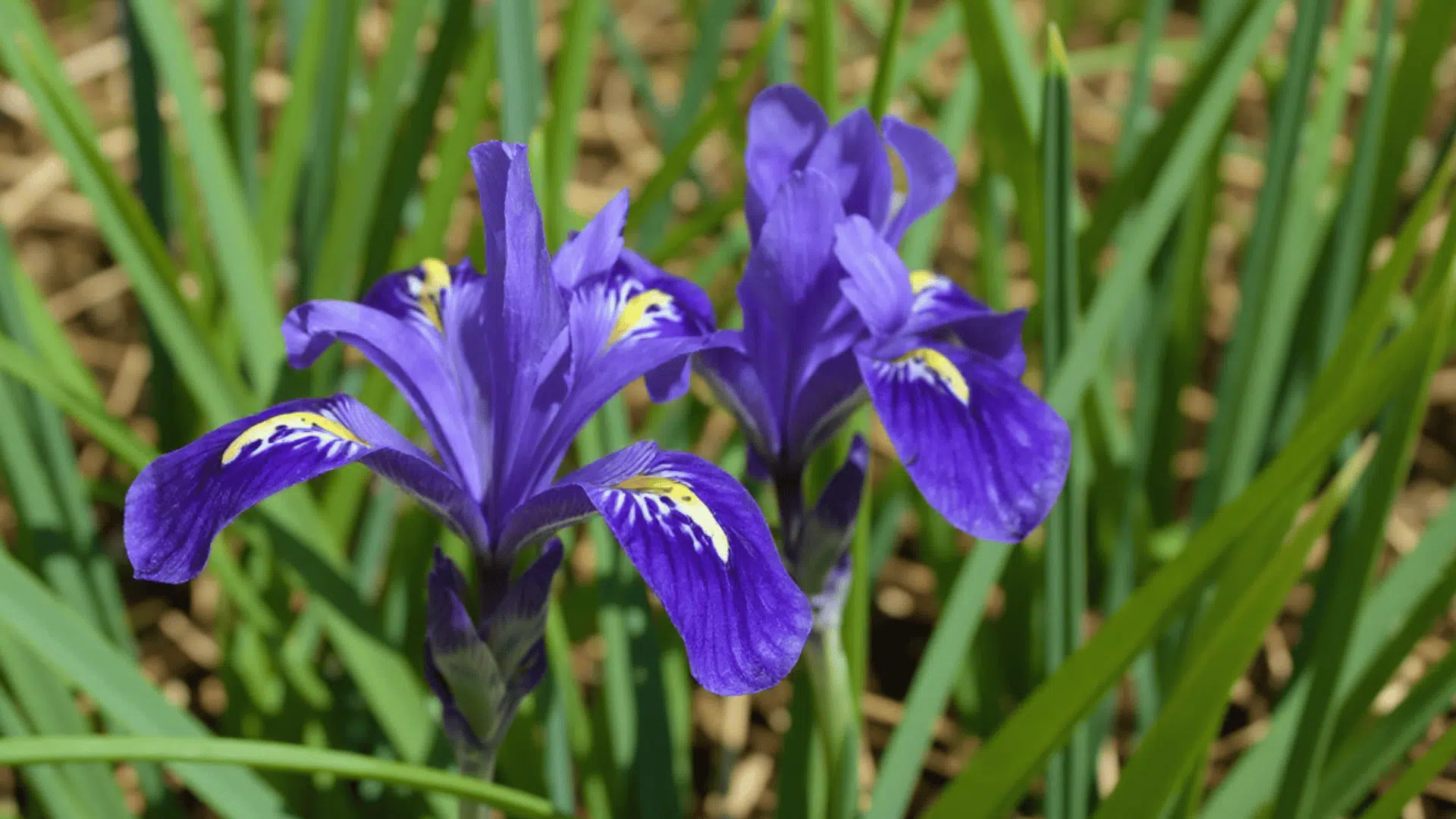

Irises often appear suddenly, filling gardens with color for a short but memorable stretch of the year.
Their blooms seem predictable at first, yet timing can shift in ways that surprise even experienced gardeners.
This leads to a common question: when do irises bloom, and why do they sometimes change? The answer depends on more than just the calendar.
Variety, climate, planting conditions, and plant maturity all play a role in determining bloom time.
Some irises flower early, others much later, and a few may even bloom outside the expected season.
The sections ahead break down bloom timing by type, growing conditions, and common reasons blooms may arrive early, late, or not at all.
Iris Plant Overview
Irises are perennial flowering plants grown for their seasonal blooms and long-lasting foliage.
They belong to the Iris genus and are commonly planted in gardens, borders, and landscaped areas.
Depending on the variety, irises grow from rhizomes or bulbs, which affects their growth and flowering pattern.
Bloom timing varies by type, climate, and basic care, making irises suitable for many regions.
| Category | General Information |
|---|---|
| Botanical name | Iris spp. |
| Plant type | Flowering perennial |
| Sun exposure | Full sun to partial sun |
| Soil pH | Slightly acidic to neutral |
| Bloom time | Spring to summer |
| Flower colors | Blue, multicolor, orange, pink, purple, red, white, yellow |
| Hardiness zones | USDA zones 3–9 |
| Growth form | Rhizome or bulb, depending on variety |
| Special features | Perennial growth, seasonal flowering, suitable for garden beds and borders |
When Do Irises Bloom?
Irises generally bloom from spring through early summer, with flowering time varying by variety and local growing conditions.
In many regions, blooms begin in early to mid-spring and continue into late spring or early summer.
Some types of flowers bloom earlier in the season, while others bloom later, creating a staggered display.
Temperature patterns, sunlight exposure, and soil quality can influence when flowers appear.
Warmer climates often see earlier blooms, while cooler regions experience later flowering. Plant maturity also plays a role, as newly planted irises may take an extra season to flower.
This range in bloom timing allows irises to fit nicely into many garden settings.
Iris Bloom Time by Location
Bloom timing for irises varies by climate and seasonal temperature patterns. Regions with warmer springs tend to see earlier blooms, while cooler areas experience later flowering.
The table below shows typical bloom periods across different locations:
| Location | Typical Bloom Time |
|---|---|
| United Kingdom | May to June |
| Texas | March to April |
| Michigan | May to June |
| Florida | February to March |
| Missouri | April to May |
| Oklahoma | April to May |
| Illinois | May to June |
| South Africa | September to October |
These timeframes reflect common growing conditions and may shift slightly based on weather patterns, local temperatures, and iris variety.
Bloom Time by Iris Type

Different iris types bloom at various points in the season, which affects when flowers appear in the garden.
Bearded Irises
Bearded irises are widely grown for their structured blooms and upright foliage.
They are often used as focal plants in garden beds and borders.
Their flowering sequence depends on cultivar grouping, allowing gardeners to plan for extended seasonal color with proper selection.
- Bloom start: Early to mid-spring
- Sun needs: Full sun
- Growth type: Rhizome
Siberian Irises
Siberian irises are valued for their narrow leaves and reliable flowering habit.
They maintain a neat appearance even after blooming, making them suitable for mixed plantings.
These irises tolerate cooler temperatures and heavier soils better than many other types.
- Bloom start: Late spring
- Cold tolerance: High
- Soil preference: Moist, well-drained
Japanese Irises
Japanese irises are known for large, flat blooms and strong stems.
They perform best in locations with steady moisture and open spacing.
Their later flowering period helps extend garden interest once most spring plants have finished blooming.
- Bloom start: Early summer
- Water needs: Consistent moisture
- Planting areas: Low-lying beds
Dutch Irises
Dutch irises are commonly grown for cut flowers and formal garden displays.
Their compact growth and upright stems make them suitable for structured layouts.
Because they grow from bulbs, they are often planted alongside other spring-flowering bulbs.
- Bloom start: Mid-spring
- Growth form: Bulb
- Common use: Garden beds and arrangements
What Affects Iris Bloom Time?
Iris bloom time is not fixed and can shift based on several growing and environmental conditions. Even the same iris variety may flower earlier or later depending on how and where it is grown.
Below are the main factors that influence when irises bloom:
1. Climate and Temperature
Local climate plays a major role in bloom timing. Warmer regions tend to see earlier flowering, while cooler areas experience delayed blooms.
Sudden temperature changes during the growing season can also affect bud development.
2. Sunlight Exposure
Irises need adequate sunlight to flower properly.
Plants grown in full sun usually bloom on schedule, while those in shaded areas may flower later or produce fewer blooms.
3. Soil Conditions
Well-drained soil supports healthy root or rhizome development.
Poor drainage or compacted soil can slow growth, which may delay flowering or reduce bloom quality.
4. Plant Age and Health
Newly planted irises often take time to establish and may not bloom right away.
Mature, healthy plants are more likely to flower consistently during their expected season.
How to Get Irises to Bloom on Time?
Irises bloom on schedule when basic growing conditions are consistent. Small adjustments in planting and care can help prevent delayed or missed flowering.
Below are simple practices that support timely blooms:
- Plant at the Correct Depth: Rhizomes planted too deep often fail to flower. Keep them near the soil surface, while bulb types should be planted at an appropriate depth for their size.
- Provide Enough Sunlight: Irises need full sun for steady flower development. Limited light can delay blooming or reduce the number of flowers.
- Use Well-Drained Soil: Soil that drains well supports healthy growth. Poor drainage can slow development and affect flowering time.
- Divide Crowded Plants: Crowded irises compete for nutrients. Dividing plants every few years helps restore regular blooming.
Planning flowers for longer seasonal interest?
A cut flower garden focuses on layout, plant selection, and harvest timing for steady blooms.
Reasons Why Your Irises Didn’t Bloom
Sometimes irises produce strong foliage but fail to develop flowers. This usually points to an issue with how the plant is positioned, cared for, or established over time, rather than a serious plant problem.
Understanding the most common cause can help correct the issue before the next growing season:
1. Planted Too Deep
Irises that are planted too deep often direct energy into leaf growth instead of flower production.
Rhizomes need some exposure to light and air to trigger blooming.
When buried under thick soil or mulch, flower buds may not form at all, even if the plant appears healthy.
Solution: Lift the plant and replant the rhizome closer to the soil surface. Ensure the top is slightly visible and avoid heavy mulching around the base.
2. Not Enough Sunlight
Irises rely on consistent sunlight to form flower buds.
When planted in shaded areas or near taller plants, they may grow leaves without blooming.
Even partial shade for several hours a day can reduce flower development, especially during the active growth phase in spring.
Solution: Move irises to a location that receives at least six hours of direct sunlight daily. Trim back nearby plants that block light if relocation is not possible.
3. Overcrowded Clumps
Over time, iris clumps can become crowded as rhizomes multiply.
When space is limited, plants compete for nutrients and airflow, which reduces flowering.
Dense growth may also limit light exposure at the base, affecting bud formation.
Solution: Divide iris clumps every three to four years. Replant healthy sections with enough spacing to support proper growth and flowering.
4. Excess Nitrogen in Soil
High nitrogen levels encourage leafy growth at the expense of flowers.
This often happens when general-purpose fertilizers are used regularly.
While plants may look lush and green, flower buds may fail to develop.
Solution: Use a low-nitrogen fertilizer designed for flowering plants. Avoid frequent feeding and stop fertilizing once the blooming season approaches.
5. Newly Planted Irises
Irises planted recently may not bloom right away.
During the first season, plants often focus on establishing roots or rhizomes rather than producing flowers. This is common and usually temporary.
Solution: Allow time for the plant to settle. Maintain proper sun exposure, soil conditions, and spacing, and expect blooms in the following growing season.
Can Irises Bloom Outside Their Usual Season: Reddit

Reddit gardening discussions often highlight that irises can bloom outside their usual season, including in fall.
Many gardeners report first-time blooms appearing one to two years after planting, especially once the plants finish settling into their space.
These shared experiences suggest that delayed or off-season blooming is fairly common rather than unusual.
According to Reddit users, extended warm weather, mild fall temperatures, or recent changes to garden beds can shift bloom timing.
Some also mention reblooming iris varieties that flower again under suitable conditions.
In most cases, late blooms shared in Reddit threads are seen as a normal response to environmental factors and do not signal long-term issues with plant health.
Curious about another seasonal bloomer?
Learn when the Christmas cactus typically flowers and what affects its bloom timing.
Closing Notes
Irises bring structure and color to gardens, but their bloom timing depends on several factors working together.
Variety, climate, sunlight, soil conditions, and plant maturity all influence when flowers appear.
Some irises bloom early, others later, and occasional off-season blooms are often linked to weather patterns or plant establishment.
Proper planting depth, spacing, and basic care help encourage consistent flowering each year, while common issues like shade or overcrowding can delay blooms.
Have irises bloomed unexpectedly in your garden, or do you have a favorite type? Share your experience in the comments below.

With a Master’s in Landscape Architecture from the University of Virginia, Sophia Stephenson has dedicated the last 20 years to creating and maintaining vibrant outdoor spaces. Her professional journey started in landscape design, where she gained a reputation for innovative and sustainable approaches. Sophia became a part of our editorial team as a freelancer in 2019, offering a fresh perspective on outdoor living. Since 2020, she has been the chief for our outdoor design content, blending aesthetic appeal with environmental stewardship. In her leisure time, Sophia is a keen photographer, capturing the beauty of natural landscapes, a hobby that complements her professional expertise.