
Families rarely stay the same for long. A new baby arrives. A spare room becomes a home office. Your teenager suddenly needs a quiet space for studying. These changes shift how your household uses each room. And that shift creates new demands on your heating and cooling system.
You might notice the living room stays too warm while the bedrooms feel chilly. Your energy bills climb. No matter where you set the thermostat, someone ends up uncomfortable. The issue isn’t your family. It’s that your HVAC system was designed for a different version of your life.
A single-zone system treats every room the same. But your family doesn’t use every room the same way anymore. Some spaces stay busy all day. Others sit empty for hours. People have different schedules and different comfort needs. This mismatch leads to daily frustration—and wasted energy on rooms no one occupies.
What Is a Ductless Mini Split and How It Works
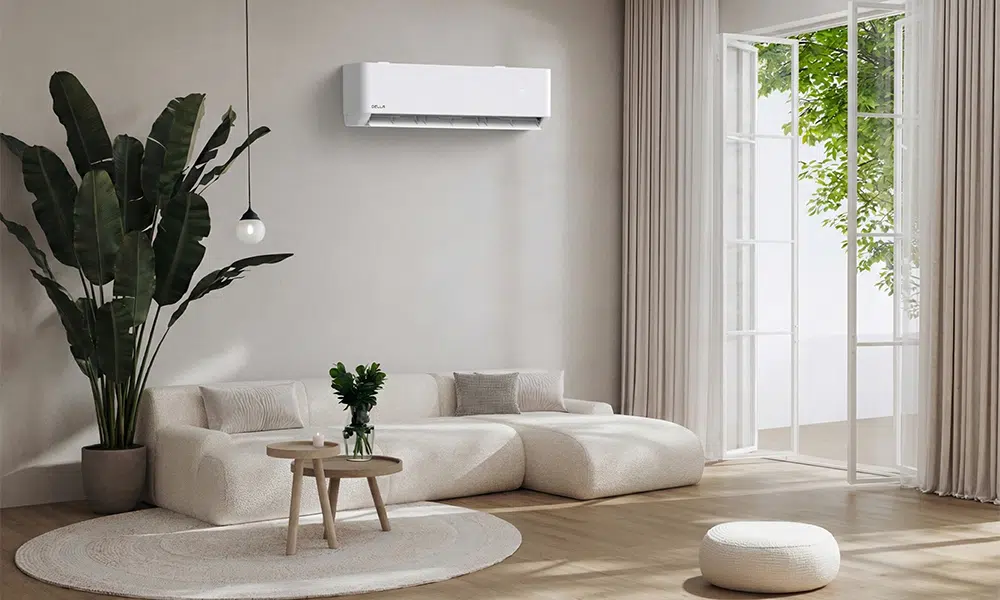
A ductless mini split delivers heating and cooling without traditional ductwork. The system has two main components. An outdoor unit handles the heavy lifting. Indoor units mount on walls in the rooms you want to condition. A small conduit connects them, carrying refrigerant and power. Each indoor unit sends conditioned air directly into its room. No ducts running through ceilings. No air traveling long distances before reaching you.
For families, this setup offers real advantages. Installation doesn’t require opening up walls or major construction. Adding comfort to a specific room becomes straightforward. And each indoor unit operates with its own controls, so you can set different temperatures for different spaces.
Traditional central systems take a different approach. One thermostat governs the entire house. Adjust it, and every room responds together. That works fine if everyone wants identical conditions. In a growing household, that’s rarely the situation.
Why One-Temperature Homes Stop Working for Families
Picture a typical evening at home. Your children occupy their bedrooms—one doing homework, the other playing games. Both rooms generate heat from computers and lamps. You’re relaxing in the living room. The kitchen still holds warmth from cooking dinner. The guest room hasn’t been used in weeks.
Every space has different conditions. Yet your thermostat reads the temperature from just one location. You set it to 72°F. The hallway feels fine. But the one bedroom runs too warm. Another stays too cold. And you’re conditioning an empty guest room for no reason.
This problem intensifies as families expand. People keep different schedules. Kids wake early. Parents stay up late. Someone works from home while others leave for the day. Comfort preferences also vary—a toddler might need extra warmth while a teenager prefers cooler air. Your home’s layout hasn’t changed. But your family’s patterns have shifted entirely. A single thermostat simply cannot address this complexity.
Provide Independent Control for Multiple Rooms
Households with varied needs often require more than one zone. A mini split system for multiple rooms addresses this directly. These systems connect one outdoor unit to several indoor units. Each indoor unit serves a separate room or area. The key difference? Each zone operates on its own.
You can cool the home office during work hours without affecting bedrooms. You can warm a nursery at night without heating unused spaces. Empty rooms stay off entirely.
This setup handles situations that come up regularly in busy households:
- A child naps in one room while adults use the living room
- One person works from home and needs consistent comfort in their office
- Bedrooms need cooling at night, but daytime activity centers on common areas
Independent control delivers comfort where people actually are. Energy isn’t wasted on spaces sitting empty.
Adapt the System as Your Family Grows
Family growth happens gradually. Your HVAC approach can follow the same path. Today, you might only need climate control in two rooms—a nursery and a home office make a reasonable starting point. Next year, plans could change. You might convert the garage into a playroom. Add a guest suite for visiting relatives. Or your teenager might claim the basement as their own space.
Ductless systems accommodate these shifts. Adding indoor units to new spaces doesn’t require replacing the entire system. Traditional ducted setups demand early decisions. You predict future needs before installation begins. Guessing wrong means expensive corrections later. Ductless offers a different approach. You don’t have to plan everything perfectly from day one. Expansion happens as your life expands—room by room, step by step.
Balance Energy Use with Everyday Costs
Larger families naturally use more energy. More people mean more activity, more devices, and more rooms in use. But higher usage doesn’t have to mean higher waste. Ductless systems with zone control let you direct energy precisely. You condition the rooms people occupy. Empty spaces don’t receive heating or cooling they don’t need.
The difference becomes clear when you compare the two approaches:
- Central systems push air through every vent regardless of occupancy. Every room gets treated equally, whether someone is there or not.
- Zoned ductless systems run only where you direct them. The nursery warms up at naptime. The office cools down during work hours. The guest room stays idle until visitors arrive.
This targeted approach naturally reduces waste. You’re simply using less energy to achieve the same comfort level. Over time, those savings accumulate—not through complicated technology, but through smarter energy use.
Identify Homes That Benefit Most
Certain household situations make ductless systems especially valuable:
- Families with young children. Nurseries and playrooms have specific temperature requirements that differ from adult spaces.
- Remote workers. A home office in use for eight hours daily needs reliable comfort. Conditioning the whole house for one room doesn’t make sense.
- Homes with additions or converted spaces. Finished attics, converted garages, and basement living areas often lack existing ductwork.
- Multi-story homes. Heat naturally rises, making upper floors warmer than lower levels. Independent zone control helps address these differences.
The common factor is complexity. The more varied your household’s needs, the more flexibility delivers real value.
Conclusion: Match the System to Your Life
Families evolve in ways you can’t always predict. Rooms change purpose. Schedules shift. Needs develop over time. A heating and cooling system that can’t adapt becomes a daily source of friction. It wastes energy. It creates conflicts over comfort. It limits how you use your own home.
Ductless mini splits with multi-zone capability take a different approach. They don’t force uniform conditions on every room. They allow you to control each space according to its actual use.
The goal isn’t to buy the biggest system or chase the latest features. It’s aligning your home’s climate control with how your family really lives. The right system comes from understanding your household—not from a spec sheet.

With a Master’s in Architecture from the University of California, Berkeley, Mitchell Green has spent over two decades dedicated to the study and practical application of home fixture design. His career started in an architectural firm, providing him a strong foundation in the structural and aesthetic aspects of home interiors. Mitchell brought his comprehensive knowledge to our platform, where he has been an influential voice in our home fixtures and fittings section. Since 2018, he has been guiding our readers through the intricacies of selecting and installing fixtures, combining technical know-how with design flair. In his spare time, Mitchell is a keen photographer, capturing architectural details and design elements, an interest that complements his professional focus.