



A home is a financial engine that gains or loses momentum based on how you care for it month after month. Regular inspection and timely upkeep keep small flaws from growing into expensive headaches, and they send a clear signal to buyers and appraisers that your property has been protected. That confidence shows up in offers, loan terms, and insurance conversations.
Think of maintenance as a steady rhythm that preserves comfort, prevents emergencies, and compounds equity. With a checklist, a calendar, and a few strategic partnerships, you can turn routine care into long-term value that holds through market swings and storm seasons.
Prevent Small Issues from Becoming High Costs
Tiny problems rarely stay tiny when water, heat, and time get involved. A loose shingle becomes a wet underlayment, and a stained ceiling later. A hairline crack at a window becomes a draft that raises energy bills and invites moisture. These changes creep in quietly, and by the time you notice the symptoms indoors, several layers of material may be compromised.
Early action is almost always cheaper than late action. Tightening a clean fastener, resealing a seam, or replacing a $10 washer can prevent a string of follow-on repairs that require scaffolding, specialty labor, or mold remediation. You are buying back time with every small intervention, and you are protecting the invisible systems that keep comfort stable during hot afternoons and cold snaps.
Build a simple routine that you can repeat without thinking. Check the perimeter after storms, look under sinks each month, test fans and GFCIs at the start of a season, and keep notes. If something looks, sounds, or smells different, put it on a short list and act this week. That cadence transforms maintenance from a burden into a habit that protects value.
The Compounding Effect on Property Value
Buyers notice whether doors close quietly, HVAC cycles smoothly, and surfaces are sealed. When they sense deferred maintenance, they discount for risk because they cannot predict how deep the problems run. When they see crisp caulk lines, clean attic ventilation, and a tidy service log, they bid with confidence.
A respected consumer finance outlet highlighted a useful rule of thumb about deferred maintenance and value. Falling behind year after year can erode a home’s value, and steady upkeep can nudge it upward as systems stay reliable and inspections go smoothly. Over five or ten years, those small annual swings add up, much like interest in a savings account, except you control the rate by choosing consistent care.
Upkeep should be a smart investment that protects principal and grows return. Set aside a modest monthly reserve, document what you do, and favor durable fixes over temporary patches. Appraisers respond to evidence, and so do lenders and insurers.
Weather Risk Is Rising, and Repairs Cost More
Extreme weather tests the weak link in every system. Heavy rain exposes grading problems that seemed harmless last season. Even if you avoid catastrophe, repeated stress shortens the service life of roofs, sealants, paint films, and exterior caulks.
Industry analysis projected that property damage payouts have climbed toward multi-year highs, a clue to exposure and costs across the system. With the rise of claims, premiums tend to follow, and trades get busier, which can stretch schedules and lift repair prices. A small preemptive fix has more leverage than it used to.
Build a habit of post-storm triage. Inspect the roofline from the ground with binoculars, check attic sheathing for fresh stains, and confirm that downspouts discharge far from the foundation. If you see granules in gutters, lifted edges, or popped nails, schedule a focused repair while crews are still available.
Roof Health Sets the Tone for the Whole Home
The roof is your primary shield against water, and water is the enemy of value when it moves where it should not. Sound shingles, intact flashing, and sealed penetrations keep everything below dry, which protects insulation performance, indoor air quality, and the appearance of ceilings and walls.
Schedule a professional roof check at least once a year to catch loose flashing, sealant cracks, and nail pops before they let water migrate. For steep pitches or multi-story access, working with a local specialist like Acute Roofing & Exteriors can document issues with photos and prioritize low-cost fixes. Ask for a simple report that lists materials and remaining service life so you can plan budgets.
Keep records of every visit, including before-and-after photos. That documentation helps with insurance if hail strikes, and it helps buyers understand what has been done and why. A roof that looks tidy from the street and clean in the attic calms inspectors, appraisers, and lenders, which protects your price.
Gutters, Grading, and Water Control
Water wants the shortest path, so you must give it one that moves away from the house. Clean gutters prevent overflow that can soak fascia and siding. Clear downspouts and extensions carry runoff past foundations where it cannot pool and creep through hairline cracks. If the soil slopes away, rainfall moves along the grade instead of back toward your slab or basement wall.
Check performance during an actual storm. Watch for waterfalls over the front edge of gutters, drips at seams, and weak discharge at the bottom of downspouts. Those symptoms point to clogs or misalignment that a ladder, a hose, and a few screws can usually solve. If water hugs the foundation or collects near steps, adjust the grade with soil or add a drain to redirect the flow before it finds a way in.
Screens and guards can be helpful. Twice a year is a good baseline for cleaning, and more often if big trees shadow your roof. Pair gutter care with a quick inspection of splash blocks, trenching, and the first few feet of your yard’s slope. Each of these small tasks protects the materials you cannot see inside your walls.
HVAC Tune-Ups Save Money And Comfort
Heating and cooling systems lose efficiency when filters clog, and coils collect dust. That leads to longer runtimes, louder operation, and uneven temperatures from room to room. Components can wear out sooner, which means surprise breakdowns and hasty decisions when you are hot or cold and need help fast. A little attention keeps the system quiet, steady, and affordable to run.
Book service ahead of peak seasons. Technicians can check refrigerant levels, inspect capacitors and contactors, clean condensate lines, and verify that safety switches work. Replacing a tired part during a routine visit is cheap compared with an emergency call on the first heat wave weekend. Your comfort improves, and so does air quality when airflow and filtration are healthy.
Seal and insulate ducts in attics or crawl spaces to keep conditioned air from leaking into the wrong places. Calibrate thermostats and confirm that returns are not blocked by furniture. Those basics translate directly into lower bills, fewer hot or cold spots, and longer equipment life. Energy savings protect your budget, and predictable comfort supports value.
Exterior Paint and Sealants Protect Structure
Paint sheds water, blocks UV, and slows the movement of moisture in and out of wood and some masonry. Edges wick water and swell, fasteners rust, and trim cups or separates at joints. The longer bare wood stays exposed, the greater the chance that rot starts beneath the surface, which multiplies labor and material costs later.
Look for hairline cracks, chalking, or lifted edges on boards and trim. Use the right caulk for each material transition, and work in short sections so you can tool joints before skins form.
A clean, sealed exterior is proof that water routes properly and materials are protected.
Buyers and inspectors will note the condition of sills, thresholds, and lower trim. Fresh, well-detailed paint and sealants show discipline and care, which supports a stronger price when you sell.
Windows, Doors, and Air Leaks
Gaps around windows and doors are small energy leaks that add up over a season. Drafts carry dust and moisture, which can lead to condensation on cool surfaces. Moisture can stain drywall, swell sashes, and encourage mold in hidden corners. Tightening the envelope makes rooms feel calmer, quieter, and easier to heat or cool.
Use a simple smoke pencil or an incense stick on a breezy day to find movement around casings and locks. Install weatherstripping, adjust strikes and hinges, and add low-expansion foam in accessible voids. Replace worn sweeps at thresholds and check that sashes seat evenly on their stops without racking. These small fixes deliver outsized comfort and energy savings.
Maintenance beats forcing hardware. If a latch sticks or a sash hesitates, take it apart, clean it, lubricate it, and realign it. Confirm that weep holes in window frames are open so water can escape. Fewer leaks and smoother operation remove friction from daily life and from inspection reports, both of which protect value.
Plumbing Checks Prevent Hidden Damage
Water under pressure wants out, and the longer it escapes unnoticed, the larger the repair. Slow leaks behind sinks and around toilets can stain ceilings, warp subfloors, and invite mold growth. Supply hoses at washing machines, dishwashers, and refrigerators are common failure points, and they age quietly until they fail loudly. A few minutes of inspection each month can save thousands.
Look for mineral trails, corrosion at shutoff valves, and moisture in cabinets. Run hands along P traps and flex lines to feel for dampness. Replace brittle or bulging hoses with braided stainless versions, and label the main shutoff valve so anyone in the house can act quickly if a line bursts. Seconds matter when water is flowing where it should not.
Test your water heater’s temperature and pressure relief valve and inspect the pan for signs of overflow. Flushing sediment improves efficiency and extends service life. Simple, repeatable checks keep damage from traveling unseen, and they show a future buyer that your wet areas have been managed with care.
Electrical safety and modern loads
Modern homes power more devices than ever, which means older panels and tired outlets can be stressed beyond their original design. Heat and arcing are the enemies here. Loose connections and worn receptacles can spark under load, especially when large appliances cycle on. Prevention starts with testing critical protection devices and watching for early warning signs.
Check and reset GFCI outlets in kitchens, baths, garages, and exterior locations. Replace any that fail to trip or reset properly. Where code and safety guidance call for it, upgrade to AFCI protection to reduce the risk of arc-related fires. Listen for buzzing at panels or switches, and note lights that dim when big motors start.
Tidy cables, add properly rated surge protection, and avoid daisy chaining power strips. Label circuits in the panel clearly so shutdowns are fast if something fails. Clean, organized electrical systems reassure buyers and insurers, and they safeguard the equipment you rely on daily.
Pests, Vegetation, and Drainage
Overhanging branches can scrape roofing, slow drying after rain, and provide bridges for squirrels or ants to reach the attic. Dense shrubs trap moisture against siding and hide insect activity at foundations. Wood mulch piled high against the house can wick water into sill plates and attract pests that prefer damp, dark conditions.
Trim trees and shrubs back to allow airflow and sun to do their work. Keep mulch a few inches below siding and consider stone near drip lines to discourage termites. Look for mud tubes, frass, or sawdust that signal active colonies. Early detection and a quick call to a licensed pest professional costs less than structural repairs later.
Watch how stormwater moves across the yard. If downspout water erodes soil or forms ruts, add splash blocks, rock pads, or drains to dissipate flow. Good vegetation management and drainage are inexpensive compared with repairing rot, replacing fascia, or remediating an infested wall.
Smart Budgeting and Project Timing
Money goes farther when you plan. If you are repainting, schedule caulking and small trim repairs first. If you are addressing drainage, pair gutter extensions with regrading so water has a continuous path away from the house. Thoughtful sequencing prevents rework and protects finishes you just paid for.
Most homeowners still intend to take on projects this year, even though total spending dipped recently. That mindset favors maintenance first because it protects equity while larger remodels wait for better timing. Framing your plan this way keeps pressure low and progress steady across quarters.
Build a modest reserve to handle surprises without borrowing under stress. When something fails, you can act quickly and prevent secondary damage. Budgeting for maintenance is budgeting for stability.
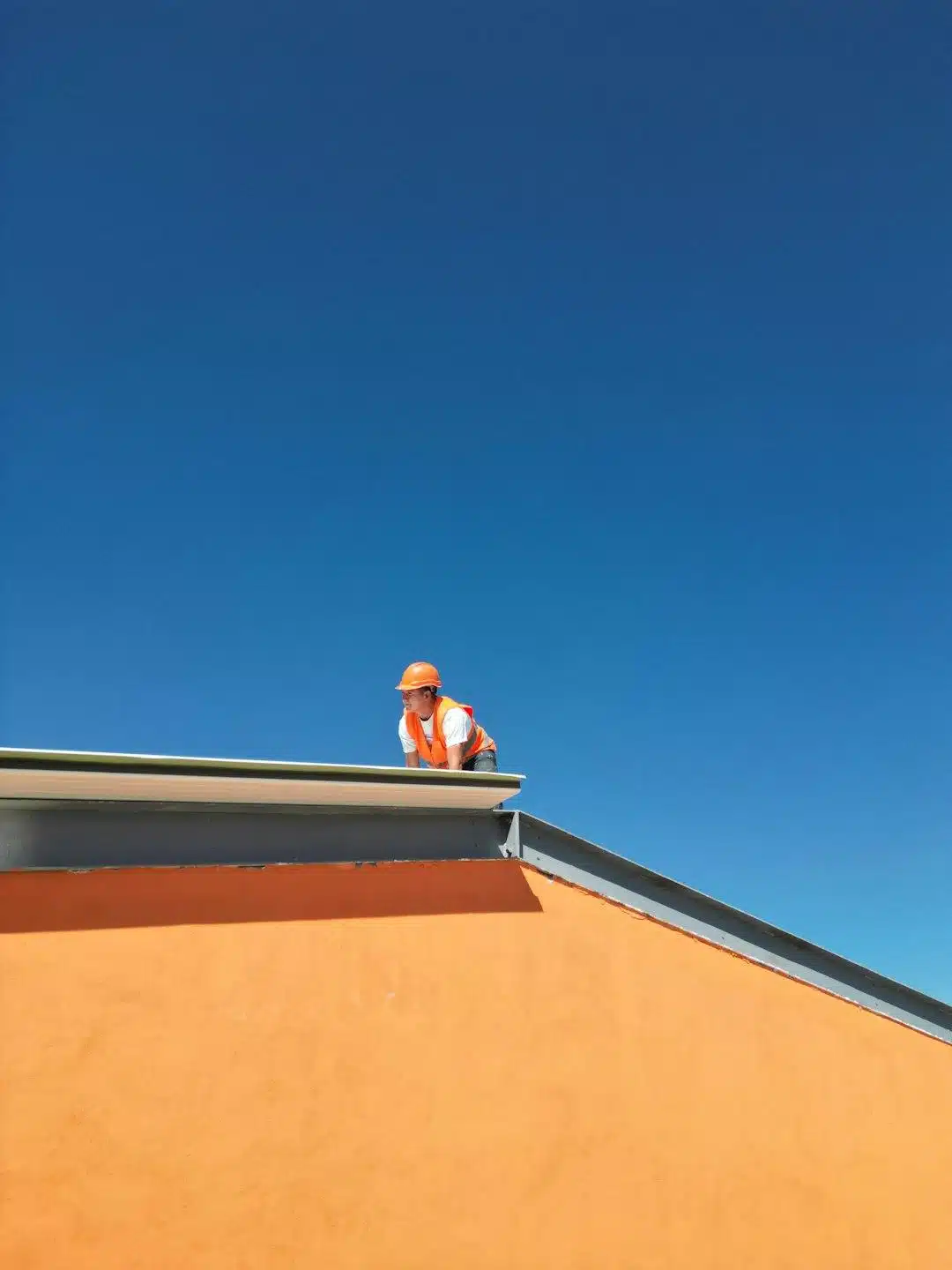
Over the years, these habits have protected comfort and equity. You will sleep better through storms, spend less on emergencies, and negotiate from strength when it is time to sell. Regular inspection and timely upkeep are the simplest, most reliable ways to safeguard the value inside your walls and the life you are building there.

Licensed broker Logan Patel holds an MBA in Urban Economics from UCLA and has steered buyers and investors through market swings for a decade. He joined us in 2024 to demystify listings, financing, and neighborhood data with clear, chart-backed advice. When he isn’t scanning comps, Logan coaches youth basketball and scouts mid-century districts for hidden architectural gems on weekend walks.