
Short cycling may seem like a minor annoyance, but it has ripple effects. For one, the repeated starts and stops increase wear on critical components like the blower motor, ignitor, and control board.
In addition, energy efficiency suffers. Every time a furnace starts up, it draws more power and if the cycle is cut short, you pay for that full startup without getting meaningful heat output. Over time, this raises utility bills and stresses the system.
There’s also a safety component. If the root cause is a cracked heat exchanger or a malfunctioning flame sensor, ignoring short cycling could lead to dangerous issues.
How to Fix Furnace Short Cycling
Fortunately, many of the common causes of short cycling can be addressed either by the homeowner or by calling in professional furnace repair services in Derry, NH.
Here are effective solutions to explore:
- Replace or Clean the Air Filter
One of the first steps is to check the air filter. If it’s dirty, replace it or clean it according to the manufacturer’s instructions. Regular maintenance every 1–3 months helps ensure good airflow and prevents overheating. - Inspect the Thermostat
Check whether the thermostat is correctly placed, properly calibrated, and functioning. If batteries are low or wiring is faulty, replace them or have a technician evaluate the unit. - Clean or Replace the Flame Sensor
If the flame sensor is dirty, carefully clean it with a fine abrasive material (like emery cloth). If it’s corroded or damaged, a professional should replace it. - Ensure Proper Airflow
Make sure all vents and return grilles are open and unobstructed. Consider having your ductwork professionally inspected for leaks or poor design. - Check Safety Switches
The high-limit switch or pressure switch may need testing or replacement if they are faulty. A trained HVAC technician can diagnose and fix these components. - Evaluate Furnace Sizing
If the furnace is cycling too quickly and frequently, it might be oversized. An HVAC pro can perform a Manual J load calculation to determine whether the system is correctly sized for your home. - Inspect Venting Systems
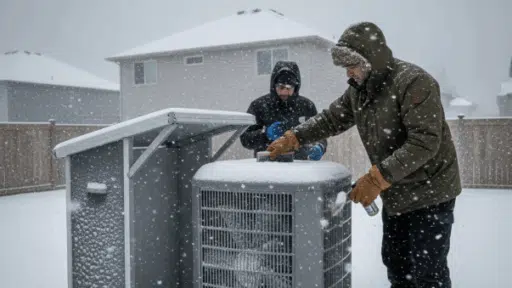
For high-efficiency furnaces, the professional should check that intake and exhaust vents are free of snow, frost, or other blockages that can disrupt pressure balance. - Check the Heat Exchanger
If a cracked heat exchanger is suspected, it’s critical to call a licensed technician for a thorough inspection. Repair or replacement might be necessary.
Preventing Short Cycling Long-Term
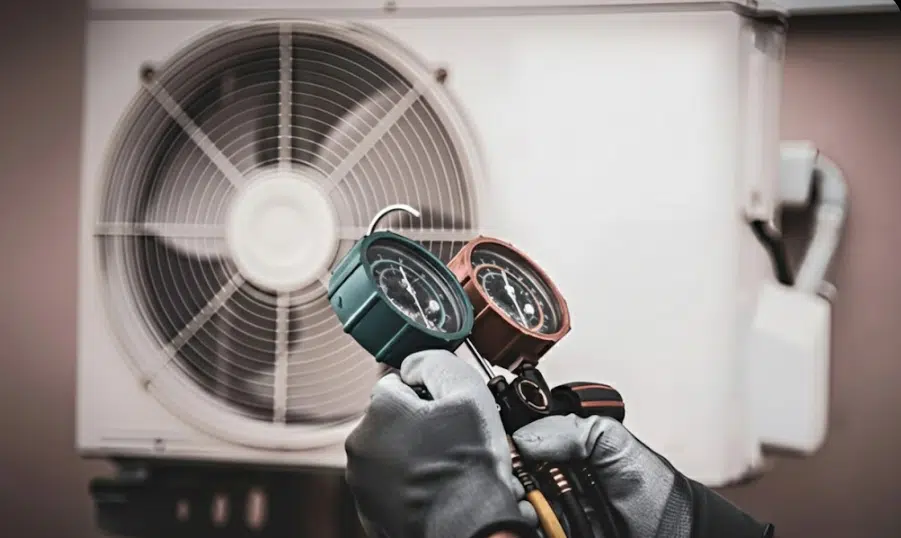
Short cycling can often be prevented through proactive maintenance. Homeowners should schedule annual tune-ups before the heating season begins. During a professional service, technicians typically inspect burners, clean the flame sensor, check the heat exchanger, and verify all safety switches.
Keeping the performance of your HVAC system in top shape not only prevents short cycling but also helps prolong the life of the furnace, reduce energy costs, and sustain a safer heating environment.
Frequently Asked Questions (FAQs)
1. What exactly is furnace short cycling?
Furnace short cycling refers to a heating cycle that starts but stops prematurely, often before the thermostat’s set temperature is reached. As a result, the furnace repeatedly restarts too quickly, leading to inefficiency and strain.
2. How can I tell if my furnace is short cycling?
Common signs include very frequent on-off cycles (often many within an hour), inconsistent home temperature, poor airflow from vents, and unusually high energy bills.
3. Is short cycling dangerous?
While short cycling itself doesn’t always pose immediate danger, it can lead to increased wear on system parts. More importantly, if the cause is a cracked heat exchanger or a failing flame sensor, it could present safety risks.
4. Can I fix short cycling on my own?
Yes, for some issues like a dirty air filter or thermostat misconfiguration. However, problems involving pressure switches, limit switches, or a damaged heat exchanger should be addressed by a trained technician.
5. How do I prevent short cycling in the future?
Routine maintenance is essential. Homeowners should replace or clean air filters regularly, ensure vents are open, and have a professional perform an annual inspection of critical components such as the flame sensor, heat exchanger, and safety switches.
Conclusion
Short cycling is more than just an annoyance, it is an indicator that a furnace may be under stress, functioning inefficiently, or even operating unsafely. For homeowners in Derry, NH, recognizing the signs of short cycling and acting promptly can save on energy bills, reduce wear on equipment, and prevent costly repairs.
If a furnace repeatedly short-cycles despite basic maintenance, it’s wise to enlist furnace repair services in Derry, NH. Trusting a reputable local company ensures experienced diagnosis and reliable repair.
Daigle Plumbing offers expert furnace repair service in Derry, NH, backed by decades of HVAC experience. Whether it’s diagnosing an oversized unit, replacing a flame sensor, or tuning up your system for peak performance, Daigle Plumbing has the knowledge and skill to restore comfort and efficiency to your home.
Contact Daigle Plumbing today to address persistent short cycling and keep your heating system running smoothly all season long.

Holding a Master’s in Construction Management from Purdue University, William Ray has dedicated more than two decades to studying and applying construction principles. His professional journey includes a tenure with a prominent construction firm, where he specialized in project management and building technologies. William brought his knowledge to our team, providing in-depth insights into practical construction techniques. As the leader of our beginner’s guide to building since 2019, he has a knack for breaking down intricate processes into easily digestible content. When not involved in writing or onsite consultations, William enjoys woodworking and volunteering in community building projects, which aligns with his passion for hands-on construction and community service.