
The relationship between protection and style in home furnishing has undergone a remarkable evolution. What began as purely practical covering solutions has transformed into sophisticated design opportunities that merge aesthetics with functionality.
Modern households increasingly recognize that preserving furniture investments need not compromise visual appeal or personal expression.
Contemporary living presents unique challenges for furniture maintenance. Active families navigate daily wear from children’s activities, pet interactions, and general use patterns that accelerate deterioration.
Urban dwellers seek flexible solutions that adapt spaces for multiple purposes without requiring major purchases. This convergence of practical needs and design aspirations has driven remarkable innovations in furniture protection approaches.
The Strategic Value of Furniture Protection
Quality upholstered furniture represents a substantial financial investment requiring thoughtful preservation strategies. Traditional protection methods often created visual conflicts, introducing bulky throws or generic covers that disrupted carefully curated interior schemes.
Modern solutions address this limitation by offering seamless integration with existing design while providing genuine defense against common household threats.
The emergence of custom slipcovers for IKEA sofas exemplifies this evolution toward personalized protection. Rather than accepting one-size-fits-all alternatives, homeowners now access tailored options matching specific dimensional requirements and aesthetic preferences.
This customization extends beyond surface appearance to encompass functional considerations, including machine washability, stain resistance, and seasonal adaptability.
Material Science and Performance Characteristics
Fabric selection fundamentally determines both protective capability and aesthetic contribution. Natural fibers like cotton and linen deliver breathability and tactile comfort, particularly valued in warmer environments.
These materials develop appealing patina over time while maintaining relatively simple care requirements. Linen, especially has experienced renewed popularity due to its characteristic relaxed texture and favorable environmental profile.
Synthetic blends introduce different performance advantages. Polyester combinations resist wrinkling and maintain structural integrity through repeated laundering cycles.
Advanced performance fabrics incorporate molecular-level treatments that repel liquids without sacrificing natural feel or appearance. These technological developments eliminate historical trade-offs between protection and comfort.
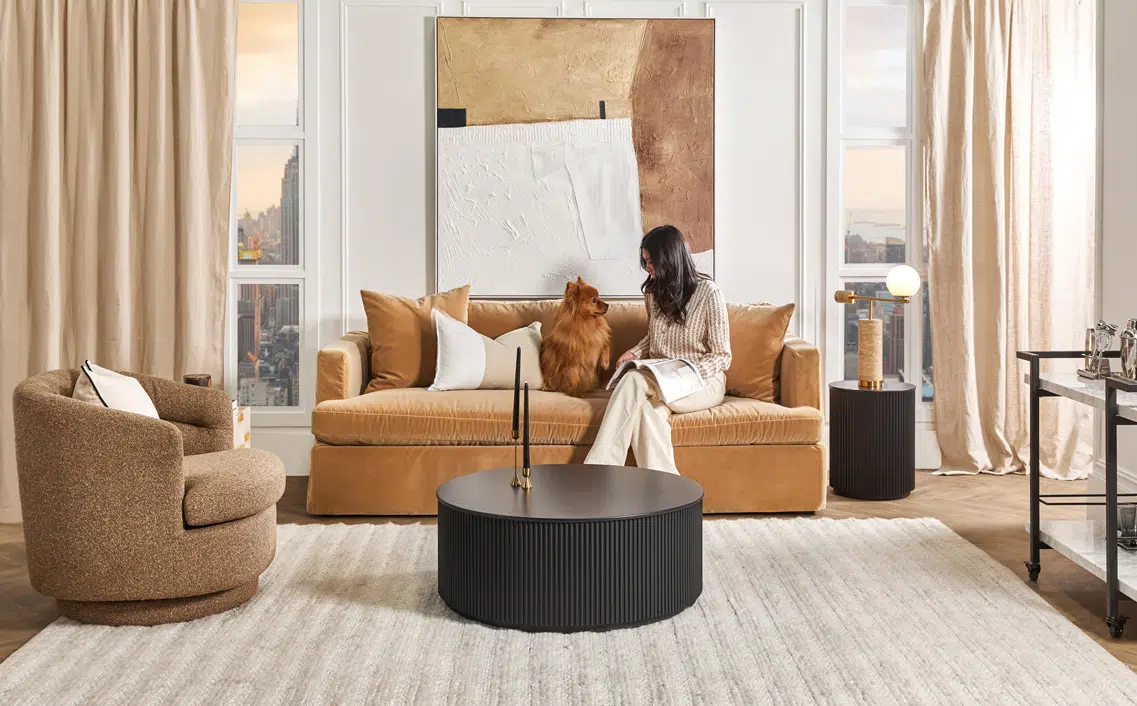
Textured materials like velvet create visual depth while concealing minor surface imperfections and normal wear patterns. Quality velvet adds luxurious richness to neutral color schemes or provides dramatic contrast in eclectic compositions.
Understanding how different materials perform under actual use conditions enables informed selections, balancing aesthetic desires with practical requirements.
Color Theory and Psychological Impact
Color selection influences spatial perception and emotional response in subtle yet meaningful ways. Light neutral palettes expand perceived room dimensions and maximize natural light reflection, creating airy, open atmospheres.
Deeper saturated tones introduce coziness and visual weight, particularly effective in larger volumes with substantial ceiling heights. Seasonal rotation capabilities enable dramatic environmental transformations without furniture replacement expenses.
Summer months naturally suggest crisp whites, soft grays, and coastal blues, evoking freshness and coolness. Winter invites warm burgundies, forest greens, and rich chocolate tones, creating inviting retreats against cold weather. This temporal flexibility extendsthe core furniture piece utility while maintaining the current, intentional interior character.
Pattern combination has become increasingly accessible as design confidence grows. Geometric prints pair surprisingly harmoniously with organic florals when unified through common color foundations.
Stripe and solid combinations generate visual rhythm without overwhelming compact spaces. Success lies in varying scale and intensity rather than pursuing perfect coordination.
Family Living Practicalities
Households with active children derive enormous benefit from washable, replaceable slipcovers. Inevitable juice spills, errant art projects, and muddy encounters transform from furniture-destroying catastrophes into manageable cleaning episodes.
The psychological freedom this provides should not be underestimated. Parents can genuinely relax and enjoy living spaces rather than constantly monitoring behavior around expensive upholstery.
Pet ownership introduces specific challenges that protective solutions effectively address. Cat scratching tendencies, dog shedding patterns, and general animal activity exact tolls on unprotected surfaces. Removable covers surviving frequent washing while maintaining appearance deliver practical answers to these widespread concerns.
Guest-ready homes benefit from rapid transformation capabilities. Formal occasions might demand sophisticated neutral presentations, while casual gatherings permit relaxed, personality-driven selections. The ability to refresh environments in minutes rather than hours reduces entertainment-related stress and increases hosting enjoyment.
Installation and Maintenance Protocols
Proper fitting ensures slipcovers appear intentional rather than improvised. Precise measurements matter significantly more than approximate dimensions. Investing time to measure depth, width, and height accurately prevents sagging, bunching, or gaps, compromising both appearance and function. Contemporary covers frequently include elastic edges, securing ties, or tucking flaps that anchor fabric invisibly.
Washing frequency depends on usage intensity and household composition. High-traffic family spaces might require weekly or biweekly laundering, while formal areas need less frequent attention.
Following manufacturer specifications preserves fabric integrity and color vibrancy across extended timelines. Immediate stain pretreatment prevents permanent setting and significantly extends usable lifespan.
Storage solutions for seasonal covers protect investments and maintain organization. Breathable fabric containers prevent moisture accumulation and musty odor development. Clear labeling systems make rotation effortless rather than confusing. Dedicating specific storage space treats covers as valuable design implements they genuinely represent.
Environmental and Economic Advantages
Extending furniture longevity through protective covering reduces consumption and waste generation. Manufacturing new furniture demands substantial resource inputs and energy expenditure.
Maintaining existing pieces functional and attractive for additional years represents authentic environmental stewardship. This aligns with broader movements toward sustainable living practices and conscious consumption patterns.
Economic benefits extend beyond the obvious replacement cost avoidance. Quality slipcovers cost considerably less than professional reupholstering or new furniture purchases. Appearance update flexibility without major expenditure enables budget reallocation toward other household priorities.
Rental situations particularly benefit, as covers provide personalization without landlord property modification, protecting security deposits while creating genuine homes.
Trend experimentation without permanent commitment encourages creative risk acceptance. Uncertain about bold patterns or saturated colors? Testing these choices through temporary covering provides low-stakes exploration opportunities. Discovering authentic resonance leads to more confident, satisfying long-term design decisions.
Professional Conservation Insights
Textile preservation expertise offers valuable guidance for home furnishing care. The Smithsonian Museum Conservation Institute emphasizes that proper handling and storage significantly extend textile lifespan.
Their conservation work with carpets, tapestries, clothing, and upholstered furniture demonstrates that preventive care proves far more effective than reactive treatment. Clean handling practices, appropriate environmental conditions, and regular maintenance create foundations for long-term preservation.
Professional conservators stress the importance of protecting textiles from direct sunlight, maintaining stable humidity levels, and avoiding contact with acidic materials. These principles apply equally to museum collections and home furnishings.
Understanding professional conservation standards helps homeowners make informed decisions about protecting their furniture investments through appropriate covering solutions and maintenance routines.
Design Narrative Development
Thoughtful slipcover selection contributes meaningfully to comprehensive design storytelling. Coastal themes benefit from natural textures and ocean-inspired color palettes. Mid-century modern aesthetics demand clean lines and period-appropriate color selections.
Scandinavian minimalism emphasizes functionality and restrained elegance. Understanding these broader contextual frameworks helps covers enhance rather than conflict with intended atmospheric qualities.
Texture layering creates dimensional depth and visual interest without spatial clutter. Smooth cotton covers might pair with nubby wool throws and sleek leather accent pieces.
Contrasting tactile experiences invite physical interaction and environmental engagement. This multisensory design approach creates memorable, comfortable environments feeling genuinely inhabited rather than artificially staged.
Slipcover evolution reflects broader attitudinal shifts regarding home design philosophy. Practicality and beauty need not compete or compromise.
Through thoughtful selection and proper maintenance, protective slipcovers become integral design elements preserving investments while expressing personal aesthetic vision.
Modern homes successfully balance durability with visual appeal, creating welcoming spaces accommodating real life while maintaining attractive appearances. The convergence of protection and personalization represents not temporary trend but fundamental transformation in how we approach furniture care and interior design.
With a Master in Architectural Studies from University of Pennysylvania, Marwa Haydar has pioneered living spaces since 2005. Her expertise, initially honed in a prestigious architectural firm, is evident in her approach to creating environments. Marwa became part of our team in 2019 and has since been a driving force in our home improvement section, known for her practical yet stylish solutions. She’s been spearheading our design workshops since then, infusing her passion for teaching into her work. In her leisure time, Marwa enjoys exploring historic architecture and is an enthusiastic pottery hobbyist, further enriching her understanding of form and texture.