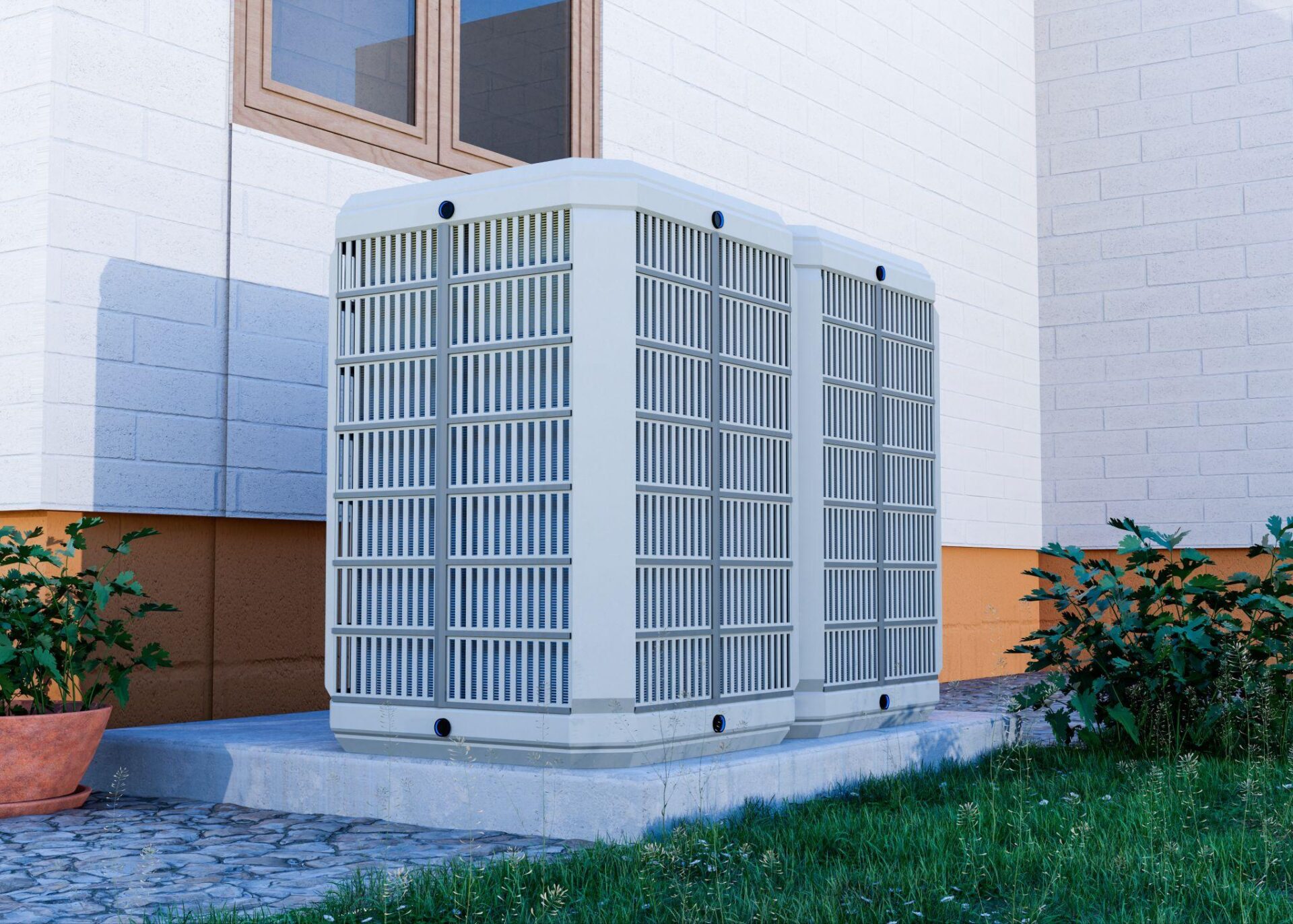

Homeowners in Palatka depend on their HVAC systems more than most people in the country. In places like Midland, Odessa, Monahans, Pecos, Andrews, Crane, Gardendale, Greenwood, Big Spring, Stanton, Kermit, and across the entire Permian Basin, heating and cooling systems struggle daily against extreme heat, long cooling seasons, sudden temperature shifts, and some of the worst dust conditions in the United States. That’s why heating services and HVAC installation in Palatka need to be handled by professionals who understand the unique challenges of this climate, ensuring that the system installed can withstand these harsh conditions year-round.
Because of this, routine HVAC tune-ups aren’t optional—they’re essential. Homes in Palatka simply can’t afford to run HVAC systems without regular maintenance. Dust storms clog filters, heat strains compressors, dry air damages system components, and constant cooling cycles speed up wear. If homeowners want consistent comfort and longer equipment life, tune-ups must become part of their yearly routine.
This guide explains exactly why HVAC tune-ups matter so much in Palatka, how the local climate affects performance, what a tune-up includes, and how proper maintenance reduces breakdowns and energy costs.
The Impact of the Palatka Climate on HVAC Systems
Palatka isn’t like humid east Texas or coastal climates. The environment here is dry, hot, dusty, windy, and unpredictable. Every part of the weather plays a role in how well your HVAC system functions.
Let’s break down the biggest environmental stress factors.
1. Extreme Heat and Triple-Digit Summers
Summers in Palatka often push temperatures above 100°F for weeks at a time. During these months:
- AC systems run almost nonstop.
- Compressors work harder to keep indoor air cool.
- Refrigerant pressure rises.
- Exterior units overheat.
- Coils clog faster.
Constant heat accelerates wear and shortens component lifespan. Systems that might last 15–20 years in mild climates often only last 8–12 years in Palatka.
A furnace repair service ensures the system can handle high temperatures without burning out.
2. Dust Storms and Heavy Particle Pollution
Dust storms are one of the toughest challenges for HVAC systems in Palatka.
Palatka dust:
- Clogs filters
- Coats condenser coils
- Sticks to blower fans
- Infiltrates duct leaks
- Reduces airflow
- Causes overheating
- Forces the AC to run longer
One major dust storm can clog a filter in a few hours.
A furnace maintenance service addresses dust buildup and restores airflow before damage spreads.
3. Dry Air That Damages Components
Dry air accelerates wear on:
- Rubber seals
- Wiring insulation
- Bearings
- Plastic components
- Ductwork joints
Moisture helps protect many HVAC parts in humid regions. In Palatka, the dry climate removes that protective effect.
Furnace services help spot early signs of dry-air damage.
4. Temperature Swings Between Day and Night
It’s normal for Palatka temperatures to:
- Hit 100°F during the day.
- Drop to 65°F at night.
These swings cause metal components to expand and contract frequently, which affects:
- Duct joints
- Refrigerant lines
- Coil integrity
- Electrical connections
Furnace maintenance services catch loose parts before they become major failures.
5. Long Cooling Seasons
Many states use AC for 3–5 months. In Palatka, homeowners use AC 7–10 months a year.
A longer cooling season means:
- More wear
- More dust exposure
- More energy consumption
- More need for furnace maintenance services
That’s why tune-ups are crucial in this region.
How Dust and Heat Increase Wear and Tear
Dust and heat are the two biggest threats to HVAC systems in Palatka. When combined, they can cause severe damage.
Here’s what they do:
Dust Problems
Dust storms push fine dirt into:
- Outdoor condenser units
- Ductwork
- Blower motors
- Evaporator coils
- Return air pathways
Dust buildup causes:
- Reduced airflow
- Clogged filters
- Overheated components
- Poor cooling
- Early motor failure
- Poor indoor air quality
Dust alone can reduce system efficiency by 20–40%.
Heat Problems
Heat causes:
- High refrigerant pressure
- Compressor strain
- Coil overheating
- Blower overuse
- Short cycling
High heat also dries out seals and wiring, leading to more breakdowns.
Dust + Heat = Shorter HVAC Lifespan
This combination forces systems to work harder than their design intended. Without regular HVAC tune-ups, most systems won’t survive long.
Benefits of Regular HVAC Tune-Ups
Tune-ups provide more than basic cleaning. They protect your system from major breakdowns and help it perform better in tough Palatka conditions.
Here’s what homeowners gain from annual or seasonal maintenance.
1. Improved System Efficiency
Tune-ups clean and adjust parts that affect airflow and cooling power. Clean coils, clear filters, and lubricated motors help your system deliver stronger cooling at a lower cost.
Efficient systems:
- Cool faster
- Run quieter
- Consume less energy
- Experience less stress
In Palatka, improving HVAC efficiency directly reduces your electric bill, especially during long summer months.
2. Lower Energy Bills
A well-maintained HVAC system uses up to 20–30% less energy than a neglected one.
Furnace maintenance reduces cooling time by:
- Fixing airflow restrictions
- Cleaning outdoor coils
- Calibrating thermostats
- Checking refrigerant levels
Since AC units run constantly in Palatka summers, even small improvements create significant savings.
3. Reduced Risk of Breakdowns
Most breakdowns happen because of:
- Clogged filters
- Dirty coils
- Low refrigerant
- Loose wiring
- Blocked drains
- Overheating
Tune-ups identify these problems early and fix them before the system fails—especially on 100°F days when technicians are already booked for HVAC emergency repair calls.
4. Better Indoor Air Quality
Dust storms push dirt into your home. Older duct systems leak, and dirty coils spread bad odors.
Tune-ups help by:
- Replacing dirty filters
- Cleaning evaporator coils
- Inspecting ductwork
- Clearing drain lines
Cleaner air means fewer allergies, less dust on furniture, and a healthier home environment.
5. Longer HVAC Lifespan
With regular maintenance, systems in Palatka can last:
- 12–15 years for standard AC units
- 15–20 years for high-efficiency systems
Without maintenance, many units fail in 6–8 years due to extreme weather conditions.
Tune-ups protect the compressor—the most expensive part of the system—and keep all components running smoothly.
6. More Consistent Cooling Throughout the Home
If some rooms feel hotter or colder than others, the system likely has:
- Airflow problems
- Dirty coils
- Duct leaks
- Bad thermostat sensors
Tune-ups fix these issues and help the entire home stay evenly cool.
7. Early Detection of Costly Problems
Tune-ups catch early signs of:
- Refrigerant leaks
- Failing motors
- Damaged capacitors
- Loose electrical connections
- Blocked drains
- Overheating compressors
Fixing these early prevents expensive repairs or full system replacement.
What a Professional Tune-Up Includes
A proper HVAC tune-up in Palatka includes more than a quick check. It must address dust, airflow, coil health, refrigerant levels, and more.
Here’s what a complete tune-up should include:
1. Full System Inspection
Technicians check:
- Compressor
- Contactors
- Capacitors
- Blower motor
- Electrical wiring
- Refrigerant lines
- Safety controls
This prevents major failures.
2. Coil Cleaning
Dust storms coat your condenser coil in dirt, reducing its ability to release heat.
Clean coils help:
- Reduce energy use
- Improve cooling speed
- Prevent overheating
Evaporator coils inside your home are also cleaned to prevent airflow blockages.
3. Filter Replacement
Filters are replaced or upgraded to better handle Palatka dust.
4. Thermostat Calibration
A misreading thermostat increases run times and energy costs. Calibration ensures accurate temperature control.
5. Airflow and Duct Pressure Testing
Duct leaks are extremely common in Palatka homes.
Technicians test:
- Return airflow
- Static pressure
- Supply duct health
- Attic infiltration
This helps identify hidden issues.
6. Drain Line and Pan Cleaning
Dust and moisture create mud in drain lines. This causes system shutdowns or water damage.
Tune-ups flush drain lines and clean pans to prevent clogs.
7. Refrigerant Level Checks
Low or high refrigerant reduces cooling and strains the compressor.
Technicians:
- Check levels
- Test for leaks
- Correct pressure
This keeps the system cooling efficiently.
8. Motor Lubrication & Cleaning
Dust clogs fans and motors. Technicians clean these areas and lubricate moving parts to extend system life.
How Often to Schedule Tune-Ups in Palatka
Because of the climate, Palatka homes need tune-ups more frequently than homes in milder regions. The extreme heat during the summer, combined with dust storms, rapid temperature swings, and dry air, puts additional strain on HVAC systems. Without regular upkeep, these systems can suffer from poor airflow, clogged filters, and reduced efficiency, leading to costly repairs and even premature system failure. Heating services and regular HVAC maintenance services are essential in Palatka to ensure that your system runs efficiently, reduces energy consumption, and provides consistent comfort year-round.
- Minimum: Twice a year
- Recommended: Spring + Fall + Mid-Summer Check (for dusty areas)
- Dust-heavy neighborhoods: Quarterly maintenance is best
If you live near oilfield routes, open land, construction areas, or undeveloped neighborhoods, your system collects dust faster.
Final Thoughts
Keeping your HVAC system healthy in Palatka’s hot and humid weather doesn’t require complicated work. Simple tasks like filter changes, airflow improvements, and outdoor unit cleaning make a noticeable difference. Pair that with professional tune-ups twice a year, and you’ll enjoy reliable cooling, better energy efficiency, and fewer emergency repairs.
If you want your system to run smoothly through the summer heat, schedule your local HVAC tune-up today. Staying ahead of maintenance is the easiest way to keep your home comfortable all year.
FAQs
How often should you service your HVAC in Palatka?
Twice a year—once in the spring and once in the fall—for the best performance in hot, humid weather.
Why does humidity reduce AC efficiency?
High humidity makes your AC work harder because it must remove moisture and heat at the same time.
What maintenance tasks improve AC cooling in Palatka homes?
Filter changes, coil cleaning, refrigerant checks, airflow improvements, and regular tune-ups help the most.
Do HVAC systems wear out faster in humid climates?
Yes. Constant moisture, long run times, and higher cooling loads cause faster wear on major components.

Holding a Master’s in Construction Management from Purdue University, William Ray has dedicated more than two decades to studying and applying construction principles. His professional journey includes a tenure with a prominent construction firm, where he specialized in project management and building technologies. William brought his knowledge to our team, providing in-depth insights into practical construction techniques. As the leader of our beginner’s guide to building since 2019, he has a knack for breaking down intricate processes into easily digestible content. When not involved in writing or onsite consultations, William enjoys woodworking and volunteering in community building projects, which aligns with his passion for hands-on construction and community service.