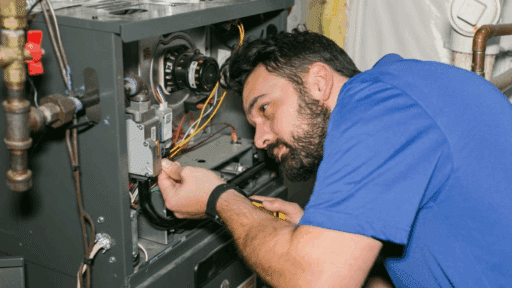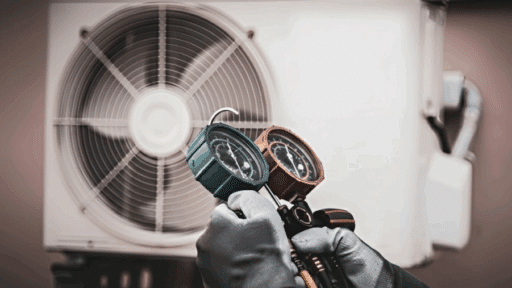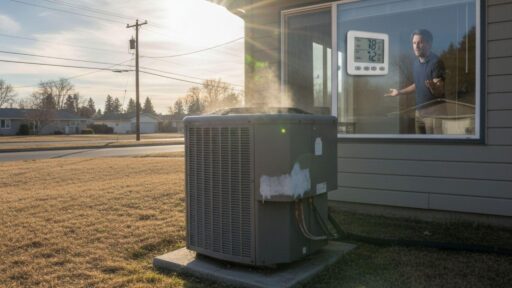
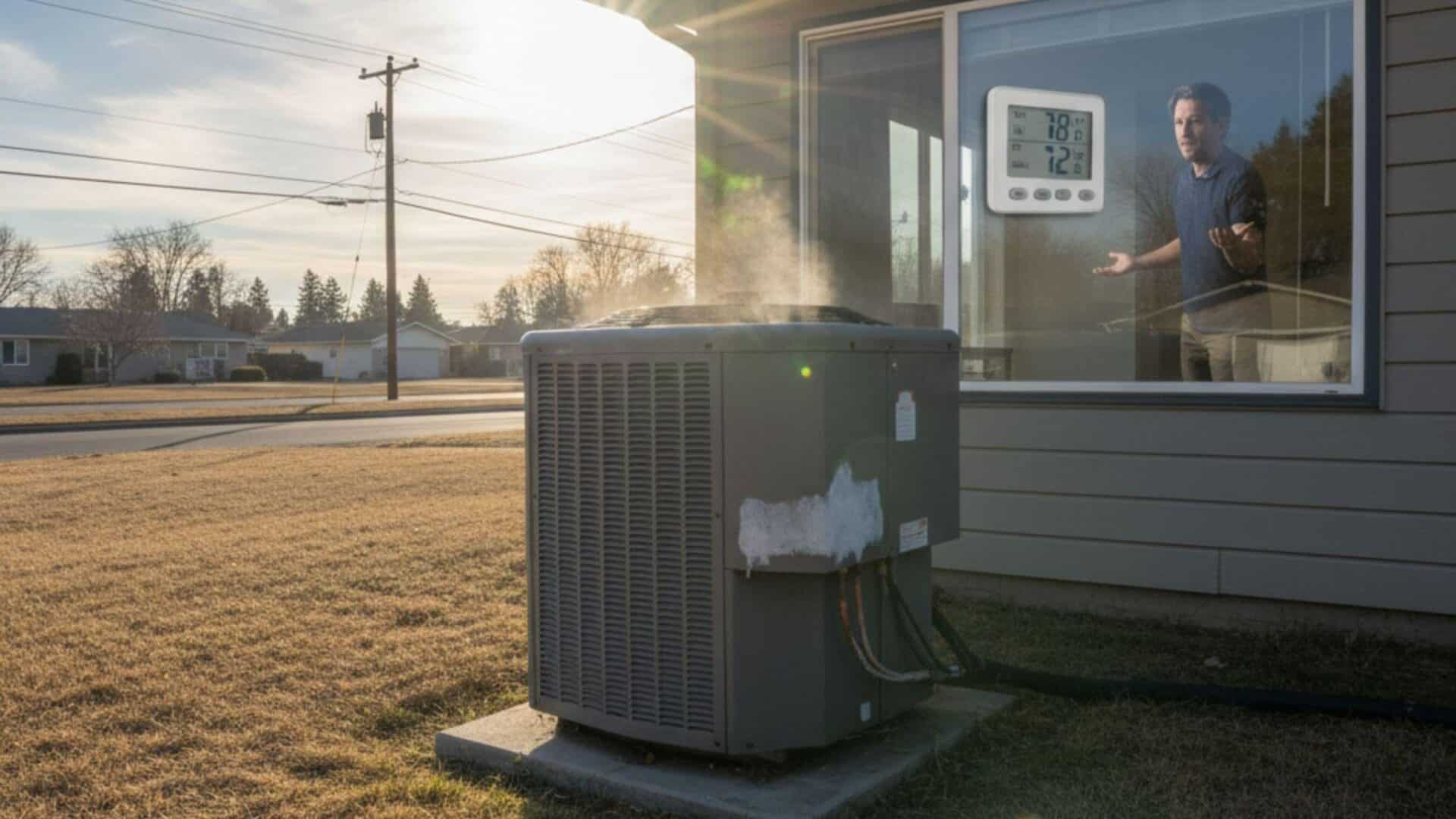

HVAC temperature problems often stem from a combination of mechanical faults and environmental factors. A clogged air filter restricts airflow, making it harder for the system to distribute conditioned air evenly. Thermostat malfunctions can also miscommunicate desired settings, leading to inconsistent heating or cooling. In some cases, refrigerant leaks or dirty condenser coils prevent proper heat transfer, leaving the system unable to reach the target temperature.
What Causes Uneven Home Temperature Issues?
Uneven home temperature issues are among the most common complaints from homeowners. Poor insulation, leaky ductwork, or blocked vents can cause certain rooms to receive more conditioned air than others. Drafts around windows and doors further exacerbate the imbalance, forcing the HVAC system to work harder. This imbalance not only creates discomfort but also signals inefficiencies that increase utility costs.
How Can HVAC Performance Troubleshooting Help?
HVAC performance troubleshooting begins with simple checks such as replacing dirty filters, inspecting thermostat settings, and ensuring vents are unobstructed. More advanced diagnostics may involve checking refrigerant levels, testing blower motors, or evaluating ductwork for leaks. Homeowners can often resolve minor issues themselves, but persistent problems require professional expertise to prevent costly breakdowns.
Is Poor Insulation Affecting My HVAC System?
Insulation plays a critical role in maintaining indoor temperatures. When walls, attics, or crawl spaces lack proper insulation, conditioned air escapes, forcing the HVAC system to cycle more frequently. This not only accelerates wear and tear but also contributes to HVAC not maintaining temperature consistently. Sealing air leaks and upgrading insulation can dramatically improve system performance.
Can Regular Maintenance Prevent HVAC Temperature Problems?
Routine maintenance is the most effective way to prevent HVAC temperature problems. Seasonal tune-ups, duct inspections, and thermostat calibrations ensure that the system operates at peak efficiency. Preventive care also helps identify small issues before they escalate into major repairs. Homeowners seeking reliable upkeep often turn to professional providers offering HVAC services in San Antonio, TX, ensuring their systems remain dependable year-round.
Conclusion
HVAC systems are complex machines that require proper maintenance, insulation, and troubleshooting to deliver consistent comfort. Whether the issue is dirty filters, thermostat malfunctions, or ductwork inefficiencies, addressing these problems early prevents costly repairs and ensures reliable performance. For homeowners facing persistent HVAC temperature problems, professional support from trusted providers like Sigma Air LLC offers peace of mind and long-term efficiency.
FAQs (Frequently Asked Questions)
1. Why does my HVAC system run but not cool the house?
This often occurs due to refrigerant leaks, dirty condenser coils, or blocked airflow restricting cooling capacity.
2. Why are some rooms colder or hotter than others?
Uneven airflow caused by duct leaks, poor insulation, or blocked vents leads to inconsistent room temperatures.
3. How often should HVAC filters be replaced?
Filters should typically be replaced every 1–3 months depending on usage, household size, and air quality.
4. Can thermostat placement affect HVAC performance?
Yes, thermostats placed near heat sources or drafty areas can misread temperatures, causing the system to cycle incorrectly.
5. When should I call a professional for HVAC troubleshooting?
If basic maintenance doesn’t resolve the issue, or if you notice refrigerant leaks, unusual noises, or persistent uneven temperatures, professional service is recommended.

Holding a Master’s in Construction Management from Purdue University, William Ray has dedicated more than two decades to studying and applying construction principles. His professional journey includes a tenure with a prominent construction firm, where he specialized in project management and building technologies. William brought his knowledge to our team, providing in-depth insights into practical construction techniques. As the leader of our beginner’s guide to building since 2019, he has a knack for breaking down intricate processes into easily digestible content. When not involved in writing or onsite consultations, William enjoys woodworking and volunteering in community building projects, which aligns with his passion for hands-on construction and community service.