

Getting started in the garden is easier when you build a simple kit and a few safe habits. Focus on comfort, safety, and tasks that give quick wins, and you will enjoy the work as much as the results.
Dress for the Job
Comfortable clothes help you move, lift, and kneel without fuss. Choose breathable layers, sturdy long sleeves, and trousers that you do not mind staining with soil.
Footwear that can handle mud
Your shoes should keep out water, grip on wet grass, and support your ankles. Many gardeners rely on Wellingtons for waterproof protection and easy hose-off cleaning. Add thick socks for warmth, and check the tread so you do not slide on clay or slick leaves.
Gloves, eye protection, and skin care
Good gloves prevent blisters and keep thorns from ruining your day. Pick snug cuffs so soil stays out, and keep a backup pair for wet tasks. A health column in a national newspaper explained that using enough sunscreen matters as much as SPF, noting about 1.5 ounces per full-body application and roughly half a teaspoon total for face and neck.
Quick self-care checks
- Keep a small mirror in your kit to check for debris in your eyes after trimming shrubs.
- Rinse your hands before breaks so you do not rub grit into your skin.
- Store sunscreen and lip balm in a zip bag so caps do not pop off in your tote.
Keep Vaccinations Current
Gardening means cuts and scrapes happen, even when you are careful. Public health guidance notes that tetanus vaccination should stay up to date for routine protection and for wound care decisions after injuries. Ask your doctor about your schedule, particularly if you handle wire, nails, or old fencing.
Your Core Hand Tools
Start with a compact set you will use every session. Skip bulky gadgets until you know your routine.
- Hand trowel for planting small starts and scooping soil.
- Hand fork for loosening tight ground and teasing out weeds.
- Pruners for stems up to thumb width.
- Long-handled hoe for quick weed control between rows.
- Rake for smoothing beds and gathering leaves.
Care and storage basics
Wipe sap from pruner blades after every session, and dry metal before you hang tools. A simple bucket with sand helps keep edges clean when you dip and twist blades after use.
Soil, Compost, and Simple Amendments
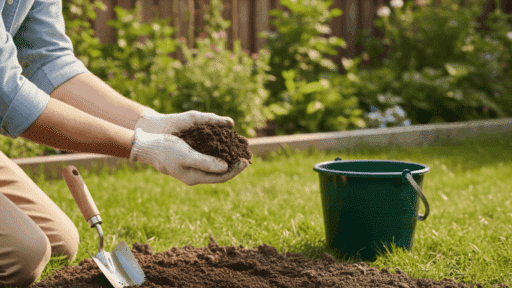
Healthy soil is your quiet partner. Blend finished compost into planting holes for moisture holding and a slow stream of nutrients. If your soil is heavy clay, add coarse organic matter like shredded leaves to improve texture. Sandy beds benefit from compost too, since it helps keep water around roots longer.
Potting mix for containers
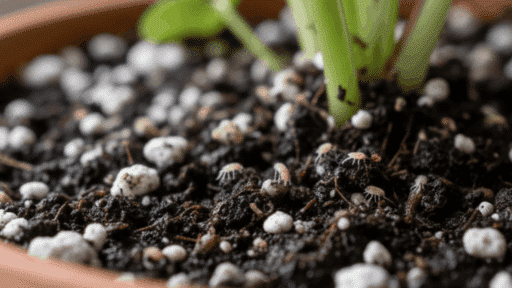
Use a quality potting mix for pots, not garden soil. Potting mix drains well and resists compaction, which helps roots breathe. Refresh the top inches each season and replace the mix fully when it becomes tired or waterlogged.
Watering Tools That Save Effort
A lightweight hose with a shutoff valve makes watering precise and less messy. Add a watering can for seedlings and indoor plants so you can control the flow. Early morning watering reduces evaporation and gives leaves time to dry.
Make the most of moisture
- Use mulch around plants to slow evaporation and regulate soil temperature.
- Group thirsty plants together so you are not dragging the hose across the whole yard.
- Consider a simple soaker hose for beds so water goes straight to the roots.
Planting Starts, Seeds, and Timing
Begin with a few reliable plants you love to eat or look at. Salad greens, herbs, and marigolds are forgiving and quick to reward you. Read seed packets for spacing and days to maturity so you do not crowd beds. Planting too close invites mildew, slugs, and weak growth.
Transplant tips
Harden off seedlings by setting trays outdoors in shade for a few hours daily, adding time and light each day. Plant on a calm, overcast afternoon so roots settle without stress. Water in gently to firm soil around stems.
Simple Supports and Protection
Plants often need a little help staying upright or safe from nibblers. Keep a coil of soft plant tie in your kit and a handful of bamboo canes. Use cloches, mesh covers, or upturned baskets to protect young lettuces from birds and cats. For tomatoes, set stakes or cages at planting time so you do not disturb the roots later.
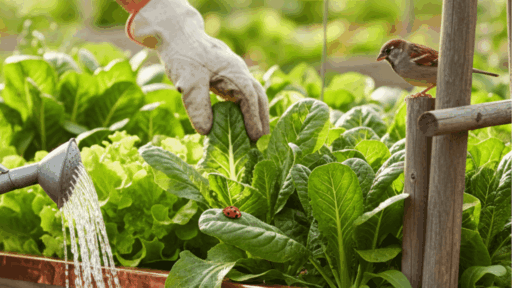
Check leaves every few days so you catch problems early. Knock aphids off with a firm spray of water, and hand-pick slugs in the evening. Encourage helpers like ladybirds and birds by planting diverse flowers and leaving a shallow water dish.
Comfort Gear That Spares Your Back
Kneeling pads and low stools protect joints and make weeding less of a chore. Choose a pad thick enough that you do not feel stones through it, and sweep it clean so grit does not grind into fabric. Consider a lightweight trug or bucket to carry tools, weeds, and snacks in one trip.
One handy comfort list
- Kneeling pad or foldable seat
- Light trug or bucket
- Reusable garden bags
- Spare gloves and socks
- Microfiber towel for quick cleanups
Safety Habits That Stick
Set a simple routine for starting and finishing each session. Before you begin, scan the area for broken glass, nails, or hidden hose loops that could trip you. After you finish, put sharp tools away, coil the hose, and sweep paths so tomorrow’s work starts smoothly.
Wear safety glasses when trimming branches or using string trimmers. If you run power tools, add ear protection. On ladders, keep your belt buckle between the rails, and move the ladder instead of leaning.
A Starter Session You Can Try This Weekend
Keep it simple and satisfying. Rake leaves from one bed, spread a 2 to 3 inch layer of compost, and water to settle it. Plant a row of herbs like chives and parsley near the door, then mulch around them to keep the soil moist and tidy.
Pick one fast job each day so the garden never feels heavy. Monday could be path sweeping, Tuesday light weeding, Wednesday deadheading, and Thursday a longer watering check. Small habits stack into healthy beds.
What Not to Overthink
You do not need every tool on the shelf. Skip specialized gear until your plants tell you what you lack. Most new gardeners thrive with a short list, a steady rhythm, and the patience to learn by doing.
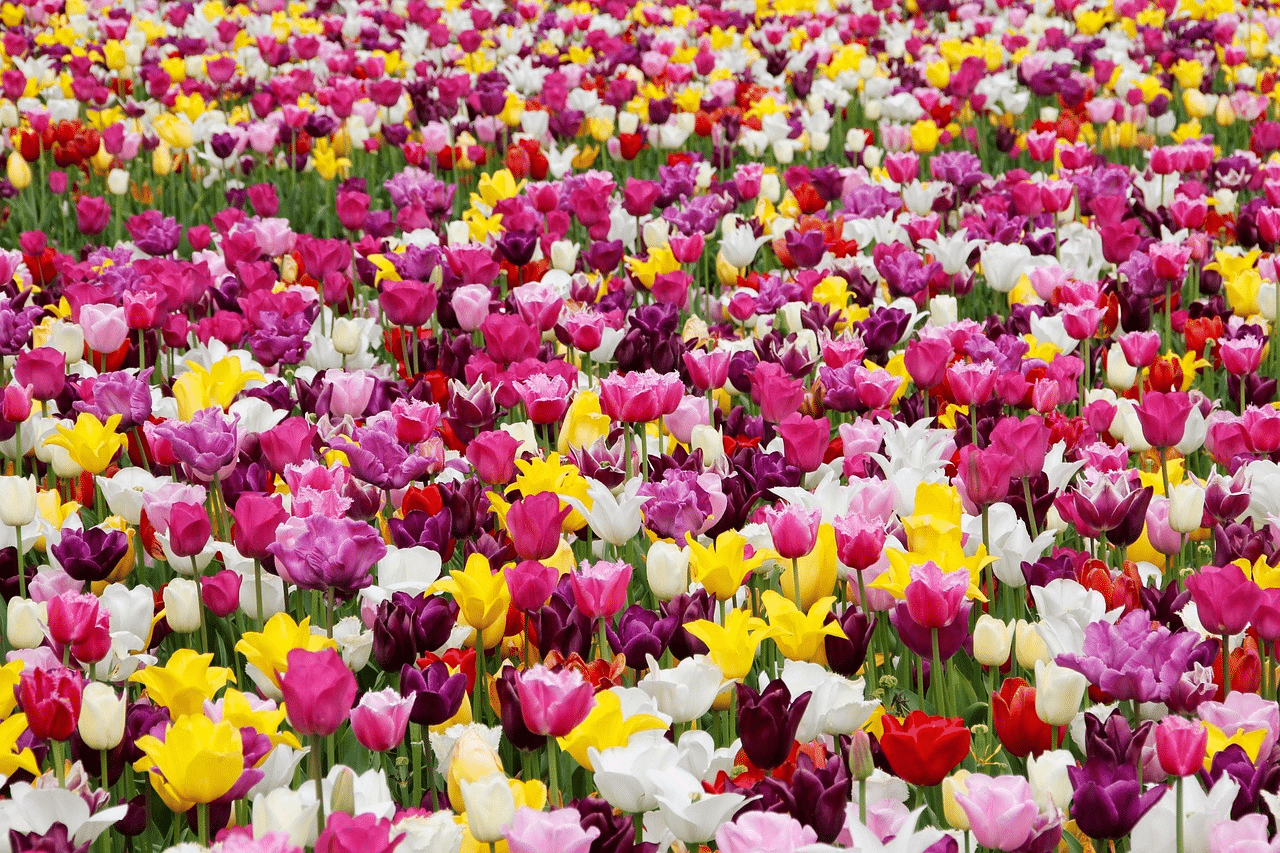
Starting a garden is about comfort, care, and small steps that add up. Build a kit that fits your space, protect your skin and hands, and give yourself room to experiment. With a few essentials and a calm pace, you will grow skills and harvest together.

Stephanie Grace, a graduate with a degree in Fine Arts from the Savannah College of Art and Design, has been inspiring DIY enthusiasts with her creative and practical guidance for over 14 years. Her career in design and crafting began in a small artisan workshop, where she developed a passion for transforming everyday materials into beautiful and functional items. Stephanie joined our website in 2018, rapidly gaining popularity for her easy-to-follow DIY tutorials and innovative project ideas. Since then, she has been the creative mind behind our DIY section, helping readers bring their artistic visions to life. Outside her professional pursuits, Stephanie enjoys pottery and urban gardening, hobbies that showcase her love for hands-on creativity and nature.