
The roofing industry in 2025 is being shaped by several key trends that affect both materials and technology. Builders and homeowners are increasingly focused on sustainability, energy efficiency, and durability, driving a shift toward eco-friendly roofing solutions.
Advancements in materials like solar-integrated shingles and improved insulation are transforming how roofs perform and contribute to energy savings. At the same time, technology such as drones and AI-powered inspections are streamlining maintenance and improving safety standards.
Understanding these trends is crucial for anyone involved in the roofing market, from contractors to property owners. It allows them to make informed decisions that align with evolving industry standards and customer expectations.
Emerging Technologies Reshaping Roofing
Innovations in materials, inspection methods, and roofing systems are changing how contractors approach roofing projects. These technologies improve efficiency, accuracy, and sustainability for roof replacement and repair specialists in Indianapolis and beyond.
Advancements in Roofing Materials
New materials are enhancing durability and energy efficiency. Polymer-modified asphalt and cool roofing membranes help reduce heat absorption, lowering cooling costs. These materials also extend roof lifespan, reducing maintenance needs.
Recycled and sustainable materials are becoming standard in many projects. Contractors in Indianapolis increasingly use eco-friendly shingles and tiles, meeting client demand for green solutions without compromising performance.
Improved fire resistance and wind uplift ratings in newer roofing products address challenges specific to Midwestern climate conditions. This assists roof repair contractors in Indianapolis in providing safer, more reliable roofing systems to their clients.
Adoption of Drones and AI for Roof Inspections
Drones provide high-resolution aerial images, enabling precise damage assessment without physical risk. Indianapolis roof replacement and repair contractors use drones to access hard-to-reach areas quickly.
Artificial intelligence software analyzes drone data, spotting issues like leaks, cracks, or wear patterns automatically. This reduces human error and speeds up inspections, allowing faster project turnaround.
Combined, drones and AI lower inspection costs and improve accuracy. These tools help contractors create detailed reports and estimates, improving transparency with customers in Indianapolis’s roofing market.
Impact of Smart Roofing Solutions
Smart roofing integrates sensors that monitor structural integrity, moisture levels, and temperature. Indianapolis contractors installing these systems can detect problems before they escalate, minimizing costly repairs.
Some smart roofs incorporate solar technology, providing renewable energy alongside traditional roofing functions. This dual purpose appeals to homeowners seeking energy savings and sustainability.
Data from these systems can be accessed remotely, aiding roof repair contractors in Indianapolis with real-time monitoring and timely maintenance scheduling. The technology supports proactive roof management aligned with modern construction standards.
Sustainability and Eco-Friendly Practices
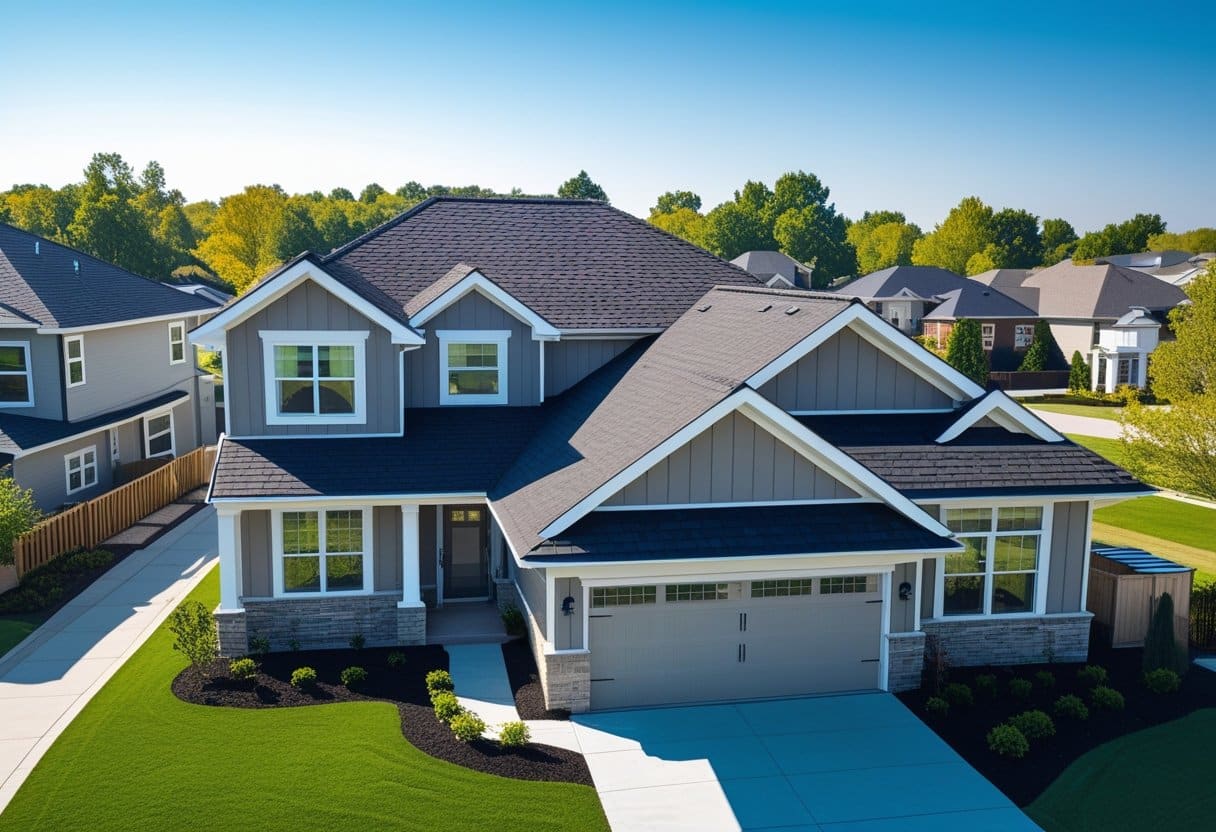
Sustainability in roofing now focuses on materials and techniques that reduce environmental impact and lower energy costs. Contractors in Indianapolis are increasingly adopting these methods to meet client demands and regulatory standards.
Growth of Green Roofing Systems
Green roofs, which integrate vegetation layers on rooftops, are gaining traction in urban areas like Indianapolis. These systems provide insulation, reduce stormwater runoff, and improve air quality.
They require specific structural support and waterproofing methods. Roof replacement and repair contractors now often assess building load capacity before installation.
Maintenance involves regular watering and plant care, which homeowners and property managers should consider. The growing preference for green roofs aligns with city efforts to combat urban heat islands and improve sustainability.
Energy-Efficient Roof Installations
Energy-efficient roofing materials, such as cool roofs and reflective shingles, are becoming standard in Indianapolis roofing projects. These materials reflect more sunlight, reducing heat absorption and cooling costs.
Contractors focus on combining insulation with energy-efficient membranes to enhance thermal performance. Proper installation minimizes gaps and leaks, crucial for energy savings.
Advances include solar shingles, which generate electricity without bulky panels. Indianapolis roof replacement and repair contractors increasingly offer these options to homeowners seeking long-term energy benefits and reduced utility bills.
Market Dynamics and Regulatory Shifts
The roofing industry in 2025 is being shaped by tighter regulations and shifting buyer expectations. Contractors must adapt to new standards while addressing demands for sustainability and technology integration.
Changes in Roofing Industry Standards
New regulatory measures emphasize energy efficiency and environmental impact. Roof repair contractors in Indianapolis now face stricter codes that favor materials meeting higher insulation and fire-resistance ratings.
Local governments increasingly require compliance with climate resilience standards, such as stormwater management and wind load resistance. These rules impact project timelines and material choices. Insurance providers also update policies to reflect these standards, influencing contractor liability.
Eco-friendly certifications, like ENERGY STAR, are becoming prerequisites for many projects. Contractors not aligning with these regulations risk losing business or facing penalties.
Evolving Customer Preferences
Customers in 2025 prioritize durability, energy savings, and low maintenance. Homeowners and businesses seek roofing solutions that reduce utility costs and environmental impact.
There is a clear increase in demand for solar-ready roofs and sustainable materials. Contractors must offer options such as cool roofing membranes and recycled composites to remain competitive.
Transparency and service quality also guide customer choices. Many clients prefer contractors who provide detailed project estimates and adhere to agreed deadlines.
Roof repair contractors in Indianapolis note growing interest in smart roof technologies, including sensors for damage detection and predictive maintenance. This trend indicates a shift towards proactive roof management.
Conclusions
In 2025, the roofing industry is increasingly shaped by sustainability and eco-friendly practices, driven by growing environmental awareness and stringent regulations. Manufacturers and contractors are adopting green roofing materials such as recycled metal, cool roofs, and solar-integrated systems to reduce carbon footprints and enhance energy efficiency. These innovations not only meet consumer demand for sustainable homes but also comply with evolving building codes emphasizing energy conservation.
Market dynamics reflect a surge in demand for renewable energy solutions, with solar roofing installations becoming more mainstream due to declining costs and government incentives. Additionally, regulatory shifts, including stricter emissions standards and incentives for sustainable construction, are compelling industry players to innovate and adapt. The integration of smart technologies for energy management and durability monitoring further supports sustainability goals.
Overall, the roofing sector in 2025 is defined by a transition towards eco-conscious materials and practices, responding to both market pressures and regulatory frameworks that prioritize environmental responsibility and long-term resilience.

Holding a Master’s in Construction Management from Purdue University, William Ray has dedicated more than two decades to studying and applying construction principles. His professional journey includes a tenure with a prominent construction firm, where he specialized in project management and building technologies. William brought his knowledge to our team, providing in-depth insights into practical construction techniques. As the leader of our beginner’s guide to building since 2019, he has a knack for breaking down intricate processes into easily digestible content. When not involved in writing or onsite consultations, William enjoys woodworking and volunteering in community building projects, which aligns with his passion for hands-on construction and community service.