


Handling small household repairs yourself can save time, money, and stress. With a little confidence and the right approach, many everyday issues can be fixed without calling a professional. This guide shares practical, beginner-friendly advice that suits UK homes and common repair problems. Each tip focuses on safety, preparation, and smart decision-making, so you know when to act and when to pause. Whether you live in a flat or a house, these DIY tips will help you stay organised, calm, and capable when things go wrong.
Check Your Finances Before Beginning
Before starting any household repair, it helps to review your finances and plan your spending. Set a clear budget for tools, materials, and any unexpected costs that may arise. Small repairs can quickly become expensive without planning. If you already have outstanding debts like short term loans, credit card bills, alternative to payday loans, etc., consider prioritising early repayment to reduce interest and free up monthly cash.
Saving even modest amounts over time can make DIY projects easier to manage. Careful financial planning ensures repairs stay affordable and prevents unnecessary pressure on your household budget.
1. Start With Simple Fixes First
Begin your DIY journey by tackling small, low-risk jobs. These could include tightening loose handles, replacing a washer, or fixing a squeaky door. Many homeowners spend money or even take out loans for issues that only need basic tools and patience. Starting small helps you build confidence and understand how your home works.
Always read instructions carefully and work slowly. When you succeed with easy repairs, you gain skills that make larger tasks feel far less intimidating later on.
2. Build a Basic Tool Kit
A well-stocked tool kit makes household repairs quicker and less stressful. Essentials include a hammer, screwdrivers, adjustable spanner, tape measure, spirit level, and pliers. Add wall plugs, screws, and a utility knife for everyday tasks. Keep everything in one box so tools are easy to find when needed. You do not need expensive equipment to get started.
Good quality basic tools will last for years and cover most simple repairs around the home.
3. Learn How to Turn Off Utilities
Knowing how to turn off your water, gas, and electricity is vital. In an emergency, this knowledge can prevent serious damage or danger. Locate your stopcock, fuse box, and gas shut-off valve before a problem arises. Take a moment to label them clearly.
This simple preparation helps you act fast if a pipe leaks or electrics fail. It also makes DIY work safer, as you can isolate services before starting any repair task.
4. Fix Minor Plumbing Issues Early
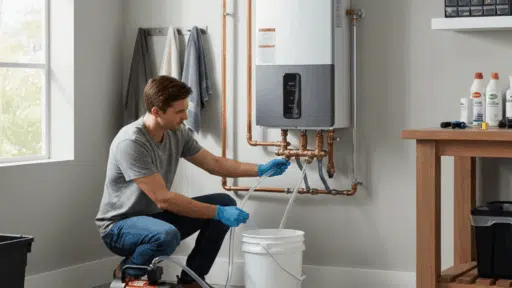
Dripping taps and slow drains may seem harmless, but they often worsen if ignored. Learning to replace a washer or clear a blocked trap can prevent bigger plumbing problems later. Use basic tools and follow step-by-step guides.
Always turn off the water supply before starting. Tackling small plumbing jobs early saves water and reduces damage to fittings. It also builds useful skills that come in handy across many areas of home maintenance.
5. Patch and Repair Walls Properly
Small holes and cracks in walls are common, especially around shelves and door frames. Repairing them is straightforward with filler, a putty knife, and sandpaper. Clean the area first, apply filler smoothly, and allow it to dry fully. Sand lightly before painting for a neat finish.
Taking time with wall repairs improves the look of your home and prevents damage from spreading. Even beginners can achieve professional-looking results with care.
6. Handle Basic Electrical Tasks Safely
Simple electrical jobs, such as changing a light fitting or replacing a socket faceplate, can be manageable if done carefully. Always switch off power at the fuse box before starting. Use insulated tools and double-check that the circuit is dead.
If wires look damaged or you feel unsure, stop immediately. Safety should always come first. For complex electrical work, it is best to call a qualified electrician rather than take risks.
7. Maintain Doors and Windows Regularly
Sticking doors and draughty windows are common in UK homes, especially older ones. Often, the fix is simple. Tighten hinges, adjust catches, or apply lubricant where needed. For draughts, use weather stripping or sealant to block gaps.
Regular maintenance improves comfort and energy efficiency. These small tasks help your home feel warmer and quieter, and they reduce wear that could lead to costly repairs in the future.
8. Use Online Guides and Videos Wisely
The internet offers countless DIY tutorials, but not all advice is reliable. Choose guides from trusted UK sources and watch or read more than one explanation before starting. Pay attention to safety notes and required tools. Pause videos and take notes if needed. Using online resources wisely can boost your confidence and skills.
They are a helpful support, but always apply common sense and stop if something does not feel right.
9. Know When to Call a Professional
DIY is empowering, but not every repair should be done alone. Structural issues, major plumbing faults, or complex electrics often require expert help. Recognising your limits protects your safety and your property. A good rule is to stop if a job feels overwhelming or unclear. Calling a professional at the right time can prevent further damage and expense. Smart DIY includes knowing when to step back.
Conclusion
Handling household repairs yourself can be both practical and rewarding. By starting small, staying safe, and using the right tools, you can solve many everyday problems with confidence. These DIY tips help you care for your home while avoiding unnecessary stress. With preparation and patience, you will know which tasks you can manage and when expert help is the wiser choice.
FAQs
Can beginners really handle DIY household repairs?
Yes, beginners can manage many simple repairs by starting small, using clear guides, and working carefully. Building confidence gradually makes future tasks easier and safer.
What tools are most important for basic home repairs?
A hammer, screwdrivers, adjustable spanner, tape measure, and pliers cover most basic tasks. These tools are affordable and suitable for common household repairs.
Is DIY always cheaper than hiring a professional?
DIY often saves money for small jobs, but complex repairs can cost more if mistakes happen. Knowing when to call a professional is important.
How can I stay safe while doing DIY repairs?
Always turn off utilities before work, use proper tools, and stop if unsure. Safety checks and patience reduce the risk of injury or damage.

Holding a Master’s in Architecture from the University of Texas at Austin, Emily Rodriguez has dedicated more than two decades to the art and science of building renovation. Starting her journey in historic preservation, she developed a profound respect for blending old with new in building design. Emily became a vital part of our team in 2019, renowned for her insightful and innovative renovation tips. She has been leading our DIY home improvement series since ever since, where she shares her wealth of knowledge in turning outdated spaces into modern havens. When not engaged in writing or consulting, Emily is a passionate advocate for heritage conservation and enjoys exploring vintage architecture, a hobby that complements her professional expertise.