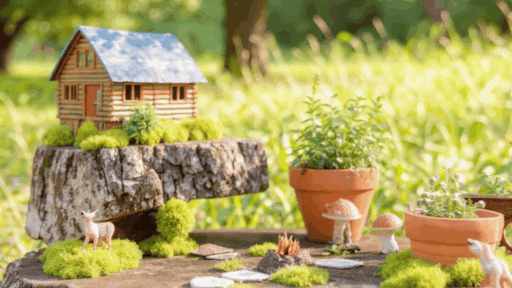


Small details have a way of changing how a space feels.
A quiet corner, an unused pot, or a simple container can turn into something unexpected with the right arrangement of plants and miniature elements.
Fairy garden ideas bring together creativity, balance, and thoughtful placement to create scenes that feel calm, playful, or story-like without needing much space.
Each setup carries its own mood, shaped by textures, materials, and scale.
These ideas provide diverse options for designing miniature settings, from outdoor nooks to indoor surfaces, that attract attention and ignite curiosity.
What follows highlights different approaches, layouts, and inspirations waiting to be shaped by hand.
How to Make a Fairy Garden?
Making a fairy garden starts with choosing a suitable space, such as a pot, garden corner, or indoor container.
Select a shallow container with drainage and add a layer of soil suited to the plants being used. Small, slow-growing plants work well and help maintain scale.
Next, arrange miniature items like houses, pathways, and stones before planting. This helps create balance and spacing.
Once placed, plant greenery around the accessories and gently firm the soil.
Finish by watering lightly and positioning the fairy garden in a spot with appropriate light.
Regular trimming and light cleaning help keep the setup tidy over time.
What to Include in a Fairy Garden?
A well-planned fairy garden combines plants, decorative pieces, and natural materials that fit the scale and space.
- A suitable container or garden area with proper drainage
- Potting soil appropriate for small or slow-growing plants
- Compact plants such as ground covers or small foliage plants
- Miniature structures like fairy houses or cottages
- Small accessories such as benches, fences, or bridges
- Natural materials, including stones, pebbles, bark, and moss
- Pathways made with gravel or mini stepping stones
- Light decorative details that add interest without crowding
DIY Fairy Garden Ideas
DIY fairy garden ideas offer a creative way to design miniature outdoor or indoor scenes using plants, containers, and small decorative elements.
The ideas below focus on varied layouts, materials, and placements to suit different environments while keeping maintenance simple and visual balance intact.
These setups suit different spaces, from tabletops to balconies, and allow flexible design choices:
1. Woodland Fairy Garden with Moss and Small Stones
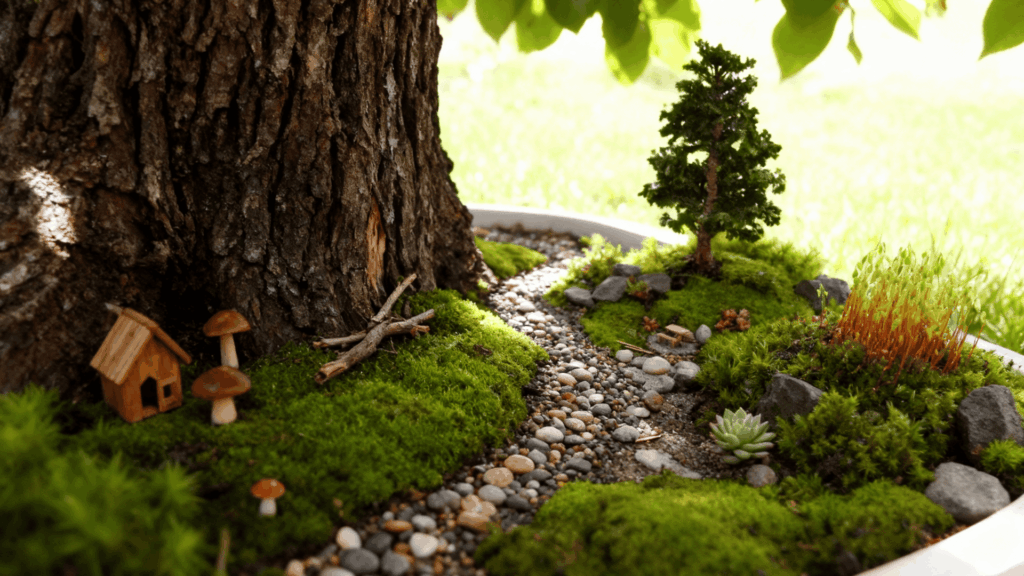
This setup uses moss as a soft ground layer combined with rounded stones to form natural-looking paths.
Small tree figurines or bark pieces help create depth without overcrowding the space.
The arrangement works well in shallow containers and shaded outdoor areas.
Moisture-loving plants fit naturally into this design, making it suitable for low-light corners while keeping the scene grounded and cohesive.
2. Mini Cottage Fairy Garden Using Clay Houses
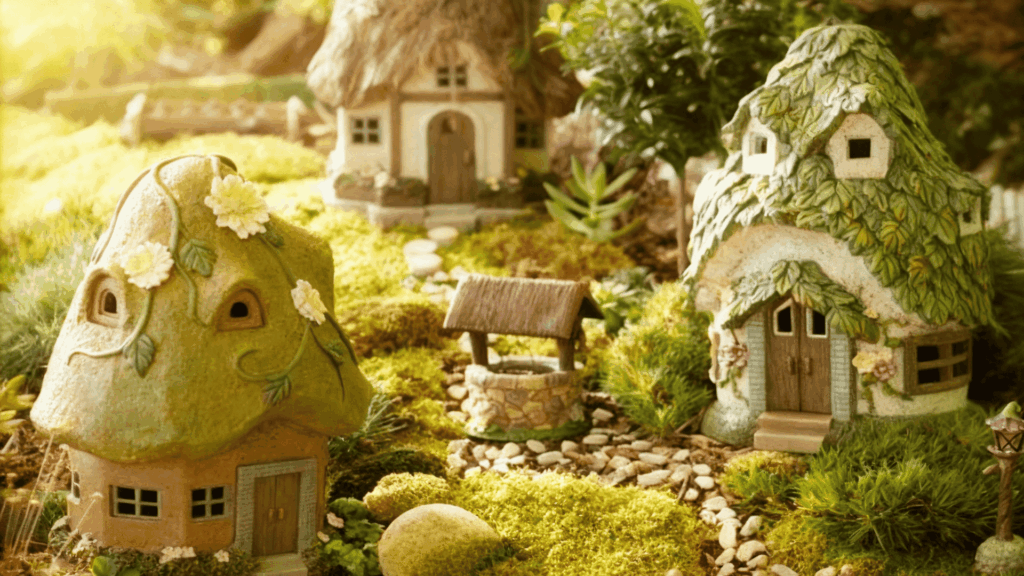
Clay cottages serve as the focal point in this garden style, offering structure and visual weight.
Compact plants frame the houses without blocking details, while gravel paths guide attention through the layout.
Earth-toned materials maintain balance and prevent the scene from feeling busy.
This idea works well in medium-sized containers and allows easy rearrangement when seasonal updates are needed.
3. Fairy Garden Under a Tree Base
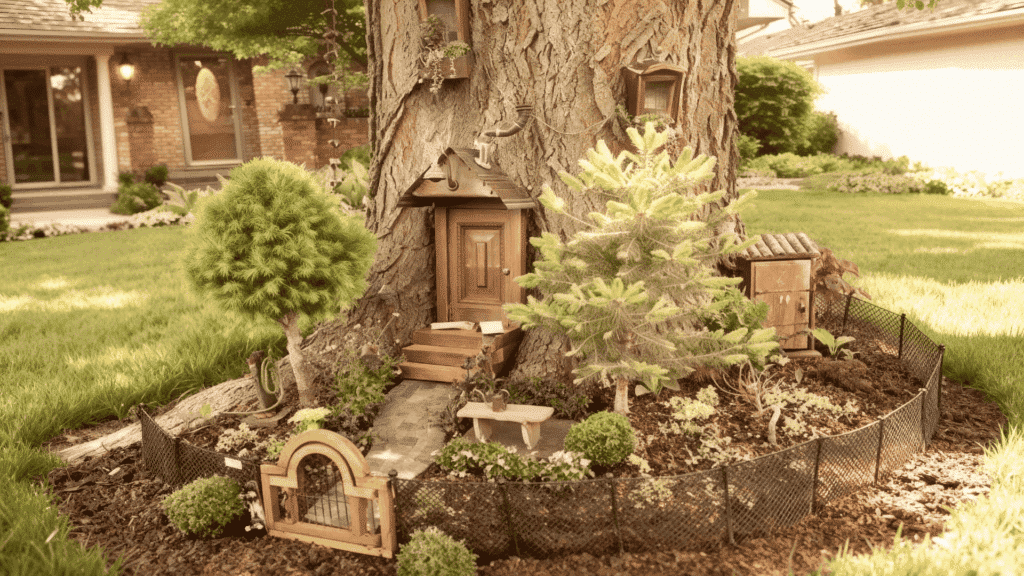
Using the base of an existing tree provides natural shelter and scale.
The trunk becomes a backdrop, while small doors, benches, or pathways fit neatly around the roots.
Ground cover plants blend the miniature elements into the surrounding soil.
This design requires minimal containers and feels naturally integrated, making it ideal for outdoor spaces that already have mature trees.
4. Container Fairy Garden in a Ceramic Pot
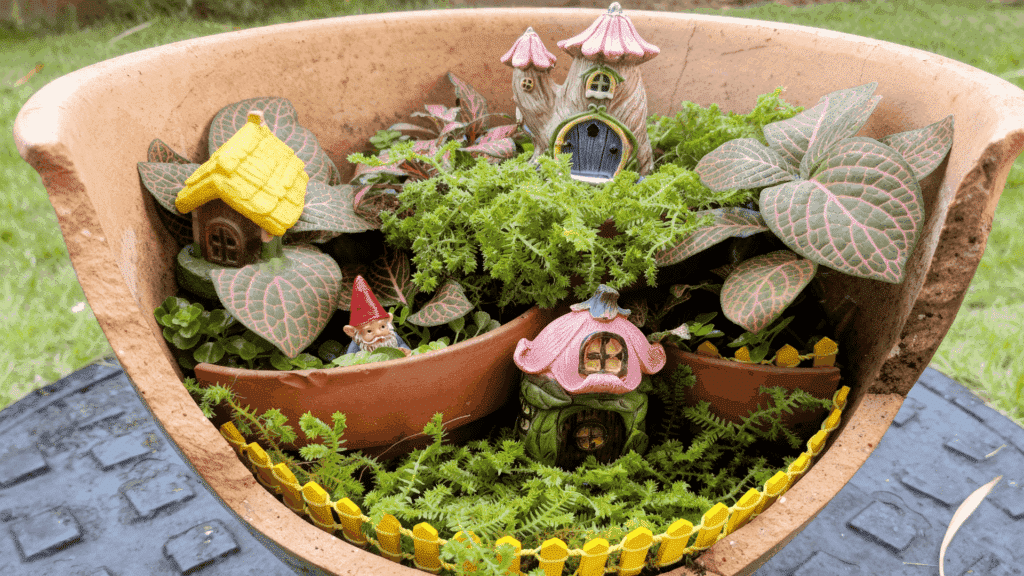
A ceramic pot offers durability and a clean boundary for design.
Layered soil supports small foliage plants, while miniature houses sit slightly elevated for visibility.
Stones or bark chips help define sections within the pot.
This idea suits patios or balconies and allows easy relocation when light conditions change, keeping the setup practical and contained.
5. Teacup Fairy Garden for Indoor Shelves

A teacup fairy garden uses limited space efficiently while adding detail.
Fine gravel, compact plants, and a single miniature structure prevent overcrowding.
The shallow depth works best with slow-growing greenery.
Placed on shelves or desks, this design functions as indoor décor and requires careful watering to maintain plant health without affecting surrounding surfaces.
6. Beach-Style Fairy Garden with Sand and Shells

This design replaces soil surfaces with fine sand, creating a coastal-inspired layout.
Shells, small chairs, and pebble borders define zones within the container.
Hardy plants suited to drier conditions complete the scene.
Drainage is important to prevent moisture buildup.
This idea works best outdoors or near bright indoor spaces with consistent light.
7. Herb Fairy Garden Using Small Edible Plants
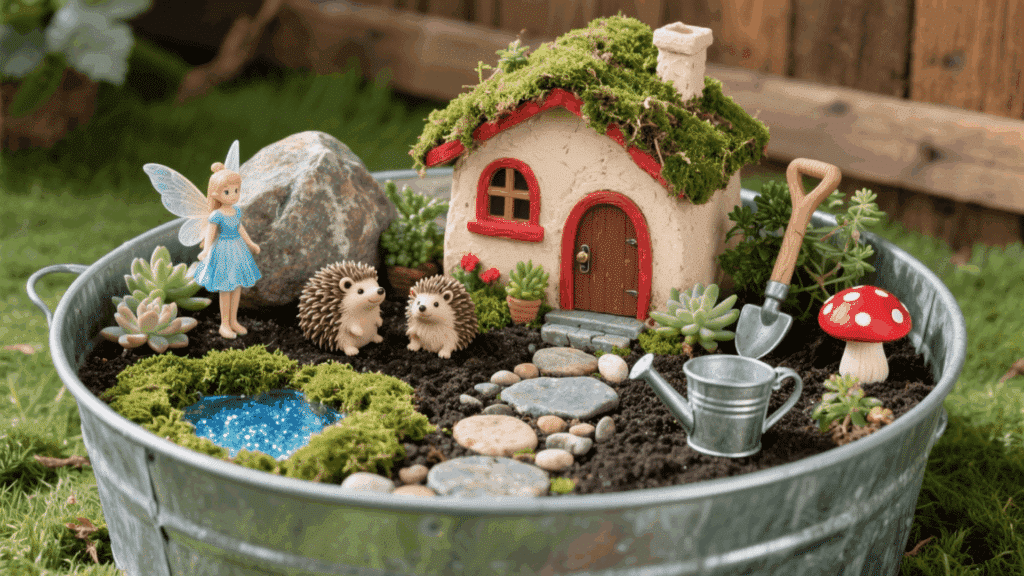
Small herbs such as thyme or basil form the greenery in this practical layout.
Miniature structures are kept minimal to avoid interfering with growth.
Stones separate plant areas while maintaining access for trimming.
This setup combines decorative interest with everyday use, making it suitable for kitchen windowsills or balconies where light and airflow are available.
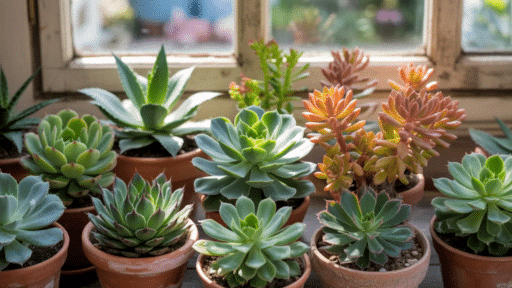
8. Succulent Fairy Garden for Low Water Care

Succulents provide structure and color variation without frequent watering.
Gravel or sand layers improve drainage and define paths between plants.
Small decorative items are placed sparingly to avoid clutter.
This design suits indoor settings with bright light and works well in glass or shallow containers, keeping upkeep manageable and predictable.
9. Fairy Garden in a Broken Pot Design

Broken pots are arranged in tiers to create height and depth.
Each level holds soil and small plants, while miniature elements sit along edges or ledges.
The layered structure adds visual interest without expanding the footprint.
This idea suits outdoor spaces and allows creative reuse of damaged containers while maintaining stability and drainage.
10. Balcony Fairy Garden with Railing Planters
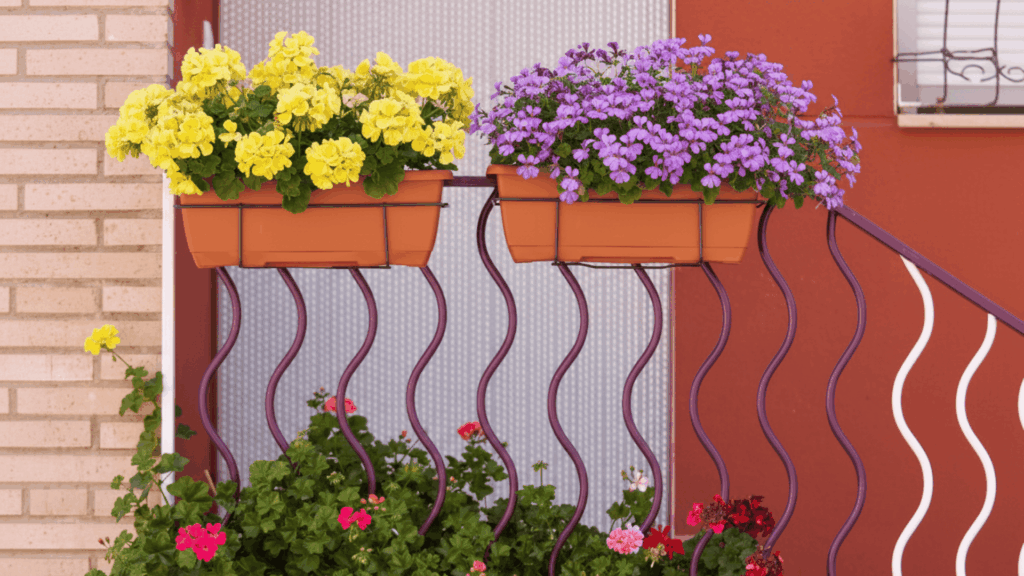
Railing planters provide vertical placement, freeing floor space.
Compact plants and lightweight decorative items prevent strain on fixtures. The layout benefits from consistent sunlight and airflow.
This idea suits apartments and small balconies, offering a contained design that remains visible without interfering with daily movement or furniture placement.
11. Fairy Garden in a Wooden Crate
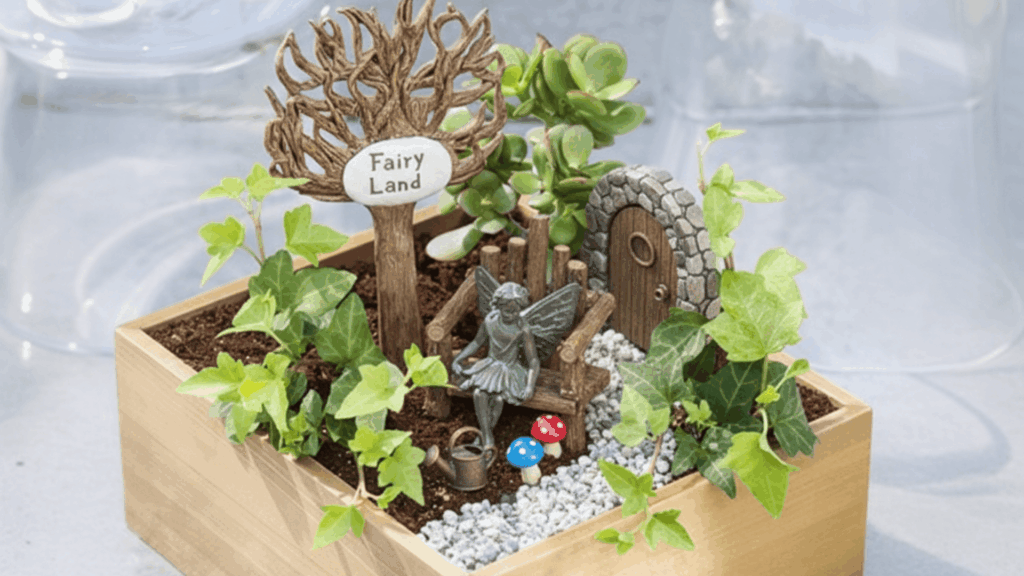
A wooden crate offers a rustic base with enough depth for soil layering.
Sections can be divided using stones or wood strips to separate plants and features.
The crate format allows easy movement and seasonal adjustments.
This setup works well outdoors or near entryways, providing structure while remaining adaptable.
12. Zen-Style Fairy Garden with Pebbles and Rakes

Fine sand and smooth pebbles define this calm layout. Simple plant placement keeps the focus on texture and spacing.
Mini rakes or stone features add detail without overwhelming the design.
This idea suits tabletop displays and indoor areas, requiring minimal watering and maintenance while emphasizing order and balance.
13. Fairy Garden Using Recycled Items
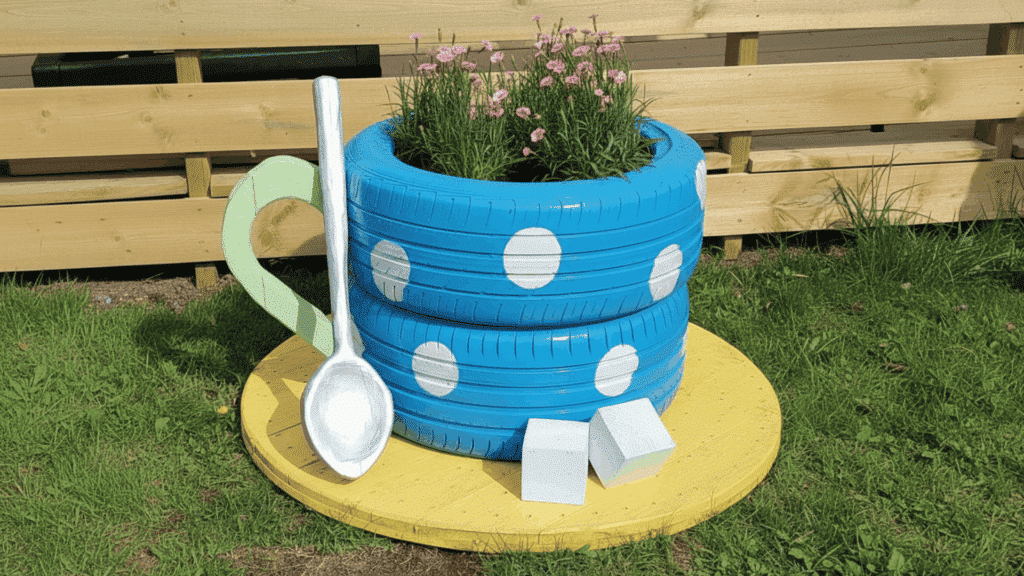
Recycled containers, lids, or small boxes become planters or structures in this setup.
Items are cleaned and modified to fit the scale of the garden. Plants help soften hard edges, creating cohesion.
This idea encourages creative reuse while keeping costs low and offers flexibility in shape and layout.
14. Fairy Garden Around a Small Water Bowl
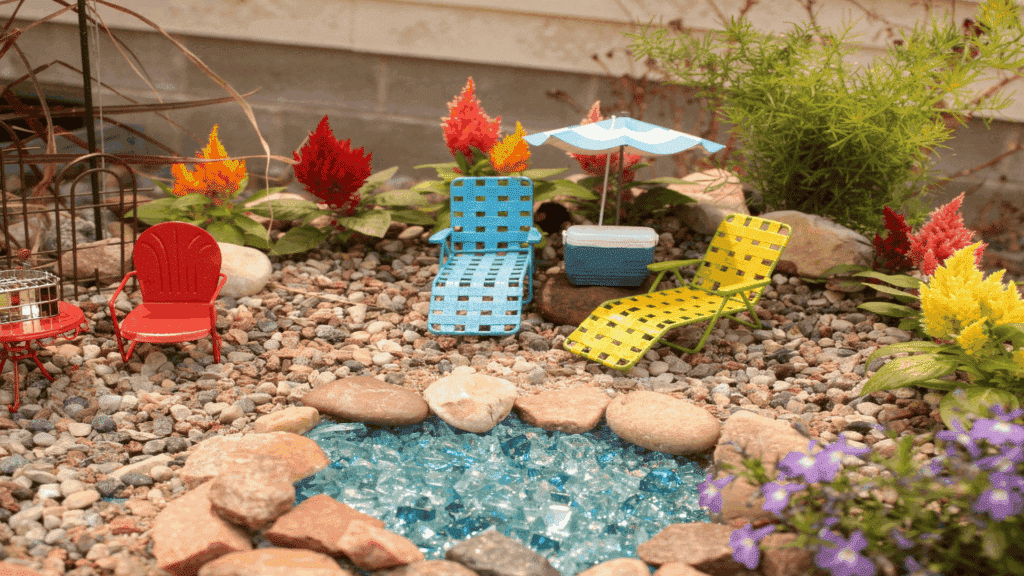
A shallow water bowl acts as the centerpiece, surrounded by stones and moisture-tolerant plants.
Decorative bridges or seating elements add interest near the water edge.
Proper drainage and regular cleaning keep the setup functional. This idea suits outdoor spaces where water features can be monitored easily.
15. Tabletop Fairy Garden for Indoor Decor

Designed for flat surfaces, this layout uses low-profile containers and compact elements.
Plants are spaced to avoid overgrowth, while miniature features remain visible from above.
The setup fits living rooms or offices and requires controlled watering. It provides decorative value without demanding large space or frequent adjustments.
16. Fairy Garden in a Hanging Planter
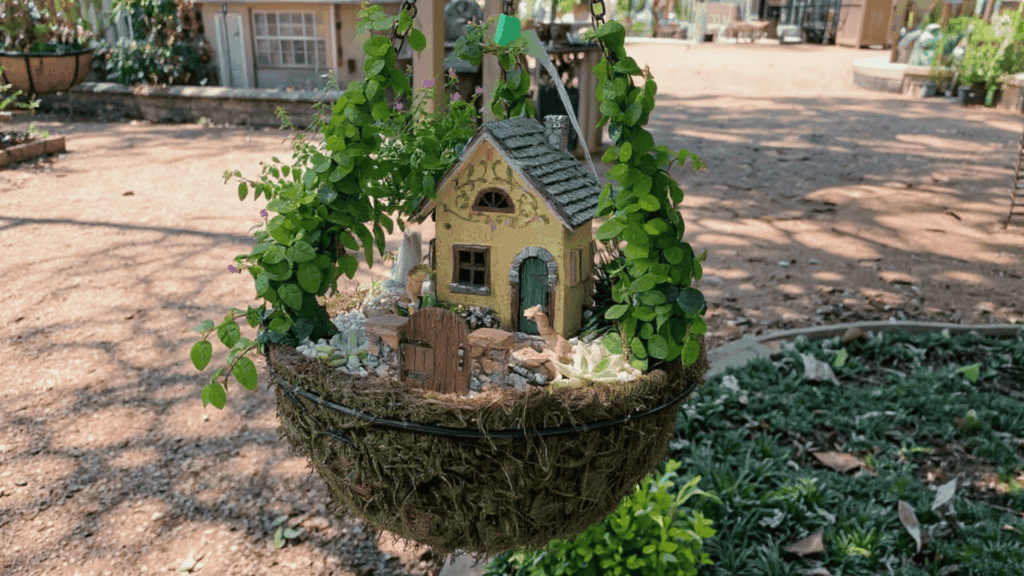
A hanging planter creates vertical interest while keeping surfaces clear.
Lightweight soil and small plants reduce strain on hooks. Miniature elements are secured firmly to prevent movement.
This design suits patios or indoor areas near windows and adds variety through elevation without expanding the garden’s footprint.
17. Kids-Friendly Fairy Garden with Colorful Figures
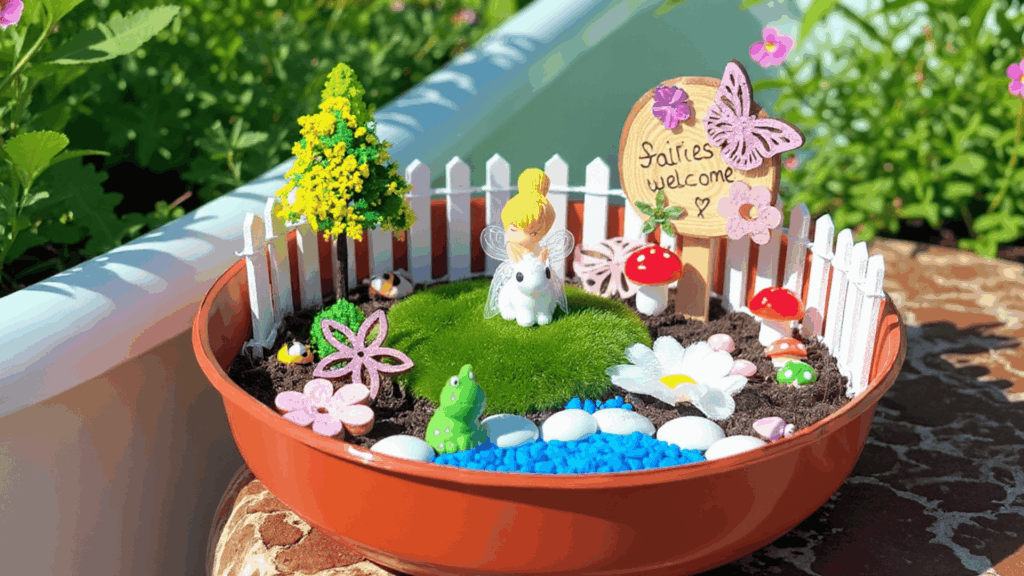
Bright figures and sturdy accessories make this setup suitable for shared spaces.
Plants are chosen for durability, while pathways are clearly defined to keep the layout organized.
Containers with wider bases reduce tipping risks.
This idea balances visual interest with practicality, allowing interaction without frequent repairs.
18. Fairy Garden Pathway Using Mini Stepping Stones

Mini stepping stones create a clear route through the garden, guiding placement of plants and features.
Moss or low-growing greenery fills gaps between stones for cohesion.
This layout works well in narrow containers or trays and emphasizes movement and structure without requiring additional decorative elements.
Conclusion
Fairy garden ideas offer more than decorative value; they bring structure, creativity, and quiet charm into small spaces.
From containers and recycled setups to themed layouts and indoor displays, each approach highlights how thoughtful design and simple materials can shape a miniature scene.
These ideas show that size never limits imagination, only direction.
With careful choices and a bit of patience, any space can hold a story of its own.
Which of these fairy garden ideas stood out the most? Share your favorite or personal experience in the comments below.

With a Master’s in Landscape Architecture from the University of Virginia, Sophia Stephenson has dedicated the last 20 years to creating and maintaining vibrant outdoor spaces. Her professional journey started in landscape design, where she gained a reputation for innovative and sustainable approaches. Sophia became a part of our editorial team as a freelancer in 2019, offering a fresh perspective on outdoor living. Since 2020, she has been the chief for our outdoor design content, blending aesthetic appeal with environmental stewardship. In her leisure time, Sophia is a keen photographer, capturing the beauty of natural landscapes, a hobby that complements her professional expertise.