
Backyards and side yards in Salt Lake City often tell a story. Over the years, sheds get added for storage, pergolas go up for shade, fences shift as property lines change, and playsets outgrow the families that once used them. Eventually, many of these outdoor structures stop serving a purpose and start taking up space.
Removing them sounds simple, but outdoor structure demolition often turns out to be more involved than homeowners expect. Planning ahead makes the difference between a smooth cleanup and a project that drags on longer than it should.
Outdoor Structures That Commonly Get Removed
Outdoor demolition projects come in many forms, especially as homeowners rethink how they use their space.
Some of the most common structures homeowners remove include:
- Old storage sheds
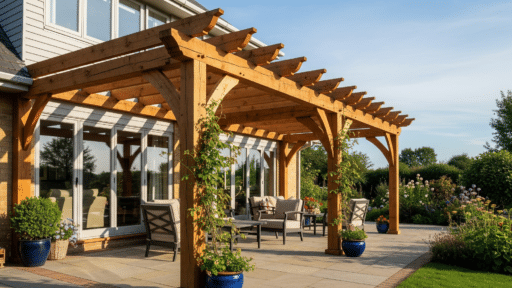
- Pergolas or shade structures
- Fences and gate systems
- Swing sets and play equipment
- Small gazebos or garden structures
- Partial enclosures or DIY builds
These structures are often built over time using mixed materials, which can complicate removal once demolition begins.
Why Outdoor Demolition Creates More Mess Than Expected
Outdoor structures may look small, but they are usually built with heavier materials than homeowners realize. Lumber, fasteners, concrete anchors, and roofing components add up quickly.
During demolition, homeowners often end up dealing with:
- Long, awkward pieces of lumber
- Rusted metal hardware
- Broken panels or roofing sections
- Concrete footings or buried anchors
- Debris spread across grass or gravel
Without a plan, materials end up scattered across the yard, making cleanup harder and less efficient.
Planning the Tear-Down Before You Start
One of the biggest mistakes homeowners make is starting demolition without thinking through the cleanup process. Outdoor structures are usually dismantled in stages, and each stage produces waste.
A basic approach might include:
- Removing panels, roofing, or siding
- Taking down framing or support posts
- Cutting larger pieces into manageable sections
- Addressing anchors or footings
- Clearing the area once demolition is complete
When debris is not removed as work progresses, it often needs to be moved multiple times, slowing everything down.
Keeping the Yard Usable During the Project
Outdoor demolition affects more than just the structure being removed. Yards often double as play areas, walkways, or shared space for pets and family members.
Allowing debris to pile up can:
- Block access to parts of the yard
- Damage grass or landscaping
- Create tripping hazards
- Spread nails or sharp materials
- Make the space unusable for days or weeks
Keeping materials contained helps maintain some level of normal use during the project.
Where Dumpster Rentals Fit In
For outdoor structure demolition, having a designated disposal solution makes the process far more manageable. Dumpster rentals provide a central place for debris so materials can be removed steadily instead of piling up around the property.
Using a dumpster allows homeowners to:
- Dispose of wood and metal immediately
- Keep sharp or heavy materials contained
- Avoid hauling debris off-site repeatedly
- Maintain a cleaner yard during demolition
- Finish the project more efficiently
Rather than treating cleanup as a final step, dumpsters make waste removal part of the demolition workflow.
Salt Lake City–Specific Considerations
Salt Lake City properties vary widely. Some yards are compact and enclosed, while others are open and exposed. Weather, wind, and elevation can all affect how debris behaves once demolition starts.
Local factors to consider include:
- Wind spreading lightweight debris
- Limited side-yard access
- Shared fences or close property lines
- Mixed surfaces like grass, gravel, and concrete
Local providers understand these conditions and can help homeowners plan cleanup in a way that minimizes disruption.
Timing Outdoor Demolition Projects
Outdoor structure removal often depends on weather and daylight. Planning the project around favorable conditions helps avoid unnecessary delays.
Good timing allows homeowners to:
- Work in safer conditions
- Prevent debris from sitting exposed
- Coordinate removal with landscaping plans
- Transition quickly to the next phase of the yard
Even small timing adjustments can make a noticeable difference in how smoothly the project goes.
Preparing the Space for What’s Next
Once an old structure is removed, homeowners often move quickly into the next phase. That might be new landscaping, a replacement structure, or simply open space.
A clean, cleared area makes it easier to:
- Regrade or reseed
- Install new features
- Redesign how the yard is used
- Enjoy the space immediately
Cleanup is what allows that transition to happen without delays.
Final Thoughts
Outdoor structure demolition in Salt Lake City is often the first step toward reclaiming usable space. While tearing something down may seem straightforward, the cleanup involved can quickly become the most time-consuming part of the project.
By planning for debris removal early and keeping waste contained throughout the process, homeowners can avoid unnecessary frustration and keep their yards functional.
Need a dumpster rental Salt Lake City UT for tearing down an old outdoor structure? Having a reliable cleanup plan in place helps keep demolition projects organized from start to finish.

With a Master’s in Architecture from the University of California, Berkeley, Alexander Martin has dedicated the last 18 years to enhancing outdoor living through thoughtful and robust structure design. His career kicked off in urban planning, giving him a unique perspective on integrating structures into diverse environments. In 2019, Alexander brought his expertise to our website, offering insights into creating versatile outdoor spaces. Since then, he has been the lead advisor for our outdoor design projects and is known for his ability to merge functionality with environmental consciousness. Alexander enjoys rock climbing outside of work and participates in community development projects, activities that reflect his passion for the outdoors and sustainable design.