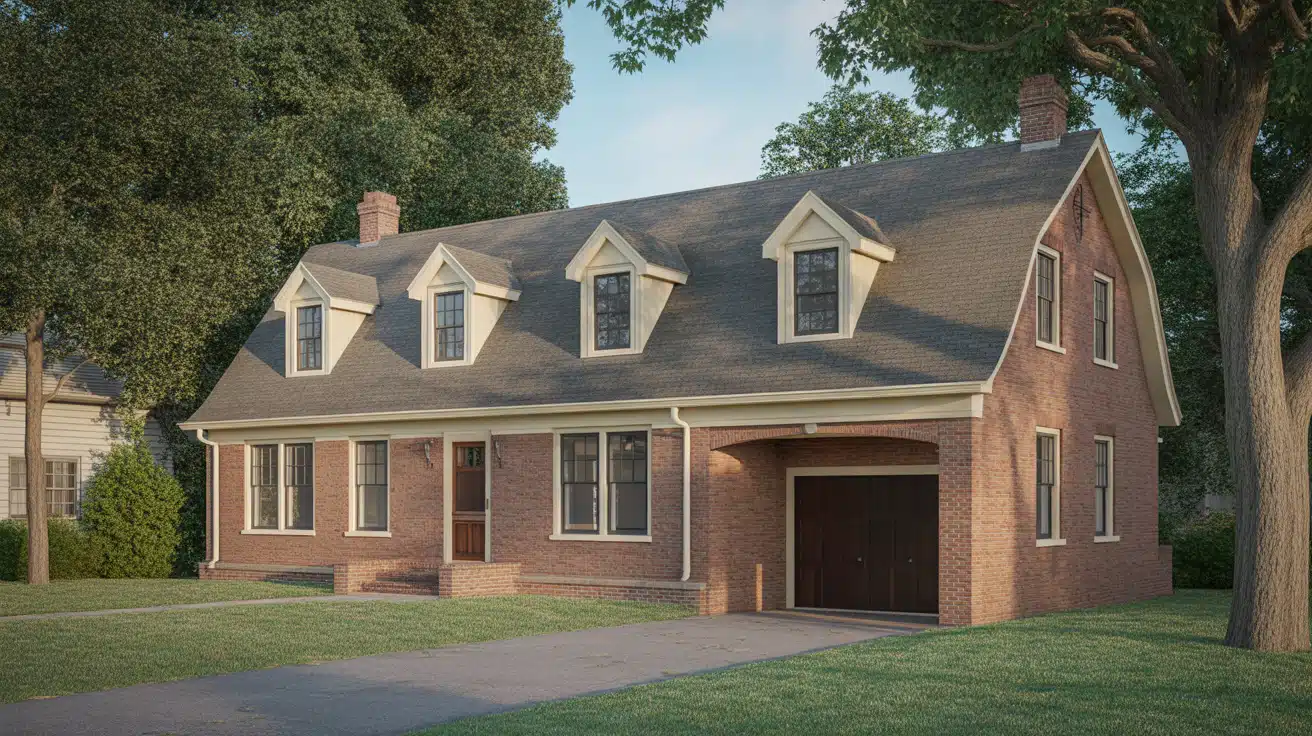

You’re house hunting and keep seeing homes with those barn-like roofs that somehow look both historic and inviting.
They’re called Dutch Colonial houses, and they’ve been around for over 300 years.
What makes them interesting is that the unique roof isn’t just for looks; it creates way more space upstairs than a regular peaked roof.
But most people can’t tell a real Dutch Colonial from a regular farmhouse with dormers.
This guide shows you exactly what makes these homes special, how they got here, what to look for inside and out, and whether they’re worth considering today.
By the end, you’ll spot one from three blocks away.
What is a Dutch Colonial House?
A Dutch Colonial house is an American home style that started in the 1600s when Dutch settlers built in what’s now New York, New Jersey, and Pennsylvania.
These weren’t fancy homes; they were built to survive cold winters and use whatever materials were nearby.
The easiest way to recognize one? Look at the roof.
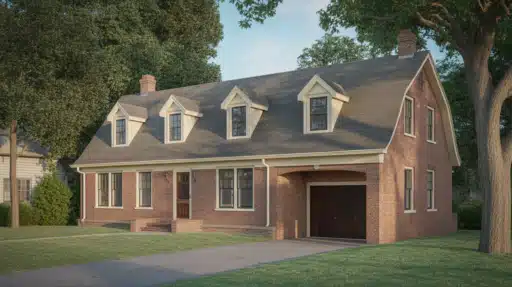
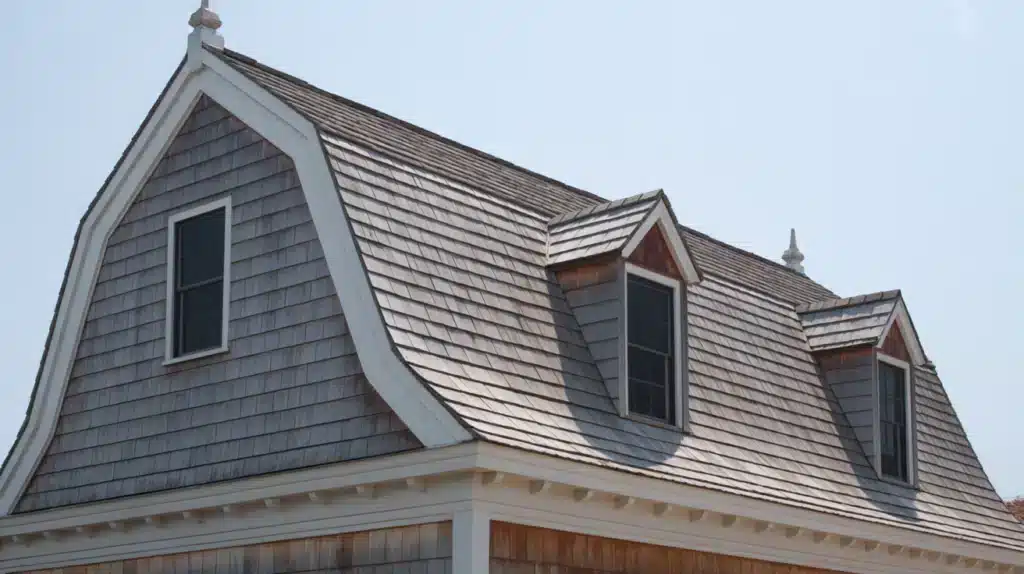
It has two different slopes on each side. The bottom part drops down steeply, while the top flattens out.
This shape is called a gambrel roof, and it’s the signature feature that separates Dutch Colonial from every other old house style.
These homes typically stand one-and-a-half to two stories tall. The upper floor tucks under that distinctive roofline instead of sticking up as a full second story.
Where Dutch Colonial Homes Come From?
Dutch settlers arrived in America in the early 1600s. They brought European building skills but had to adapt fast. American winters were brutal, local materials were different, and building codes (when they existed) were strange.
What shaped how these homes were built?
Cold weather: Steep roofs shed snow before it crushes the structure.
Tax rules: Some areas tax homes based on stories. A tucked-under second floor sometimes counted differently than a full story.
Local materials: Settlers used whatever was around, mostly stone, brick, and wood.
The style faded by the mid-1800s as other architectural trends took over. Then something weird happened.
In the early 1900s, people got nostalgic and started building “Dutch Colonial Revival” homes. These weren’t exact copies, but they borrowed the gambrel roof and symmetrical look.
Key Features That Define the Style
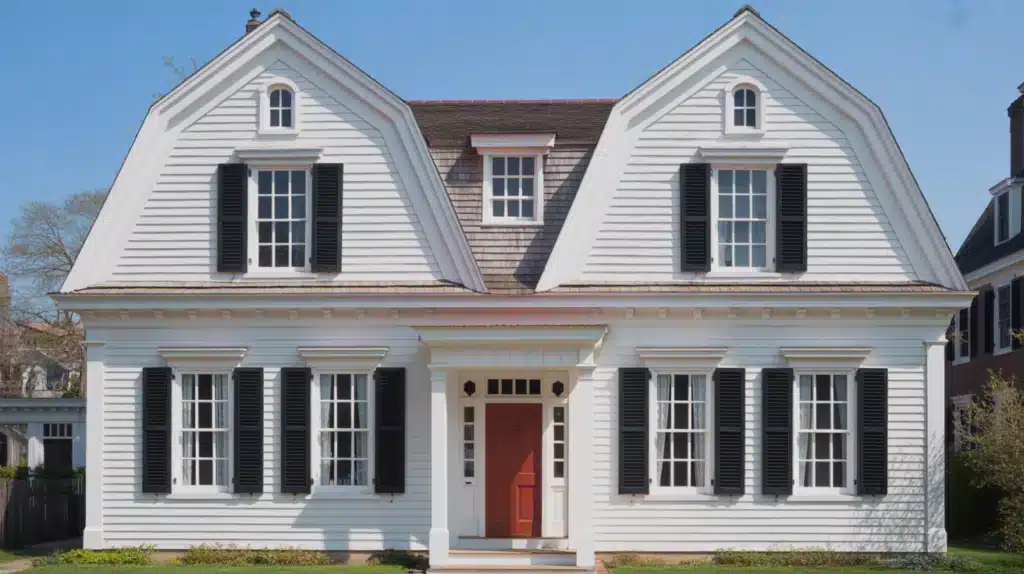
A Dutch colonial house includes several recognizable architectural elements that have remained consistent across centuries.
1. Gambrel Roof: The gambrel roof features two slopes on each side, with the lower slope steeper than the upper. This design increases interior headroom on the upper floor and remains the most defining feature of the style.
2. One and a half to two stories: Traditional Dutch Colonial homes typically include a partial or full second level tucked beneath the roofline rather than a full vertical second story.
3. Symmetry and facade design: Many examples show a balanced front elevation, often with a centered entrance. Some homes include side entrances while still maintaining visual balance.
4. Dormer windows: Dormers extend from the roof to provide light and ventilation to the upper floor. Shed, gable, and hip dormers are common.
5. Porches under the eaves: Many of these homes have wide front porches that tuck right under the overhanging roofline. This protects the entrance from rain and snow while adding usable outdoor space.
Dutch Colonial House: Interior and Exterior Features
The following table compares the key interior and exterior characteristics of Dutch Colonial homes.
| Exterior Features | Interior Features |
|---|---|
| Gambrel Roof: Two-sloped roof on each side, steep lower slope, gentler upper slope. | Sloped Ceilings: Upper floor follows the roofline, creating angled ceilings with character. |
| Dormer Windows: Shed, gable, or hip dormers add light and ventilation to upper floors. | Dormer Spaces: Areas under dormers become reading nooks, desks, or window seats. |
| Symmetrical Facade: Centered door with evenly spaced windows creates a balanced appearance. | Central Entry: Ground floor features a central hallway dividing living spaces. |
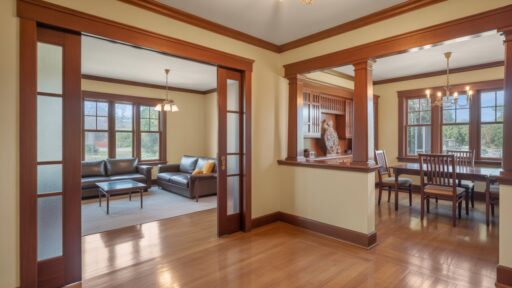
| Brick, Stone, or Wood Siding: Traditional materials in neutral, earthy colors. | Wood Floors and Trim: Wide-plank hardwood, exposed beams, simple trim throughout. |
| Front Porch Under Eaves: Wide covered porch tucked beneath the roofline. | Compact Rooms: Defined spaces on both floors; modern versions open up the ground level. |
| Multi-Pane Windows: Windows divided into smaller panes (6-over-6 or 9-over-9). | Central Staircase: Stairs rise from the main hall to the tucked-under second floor. |
Different Types of Dutch Colonial Homes
1. Original Stone Dutch Colonials
Built in the 1600s and 1700s, these are the real deal. Thick stone walls, small windows, low ceilings, massive fireplaces. Most survivors are in New York’s Hudson Valley and parts of New Jersey. They’re historic landmarks now.
2. Dutch Colonial Revival (Early 1900s)
This is what most people see today. Built between 1900 and 1940, these homes borrowed the gambrel roof and symmetry but used modern (for that time) materials and larger room sizes. They’re more comfortable than originals but still recognizable.
3. Modern Interpretations
New construction that mimics the style. These homes have the signature roof and balanced facade but include attached garages, open floor plans, and contemporary finishes. Technically, not true Dutch Colonial, more like “inspired by.”
Why People Still Build Dutch Colonial Houses?
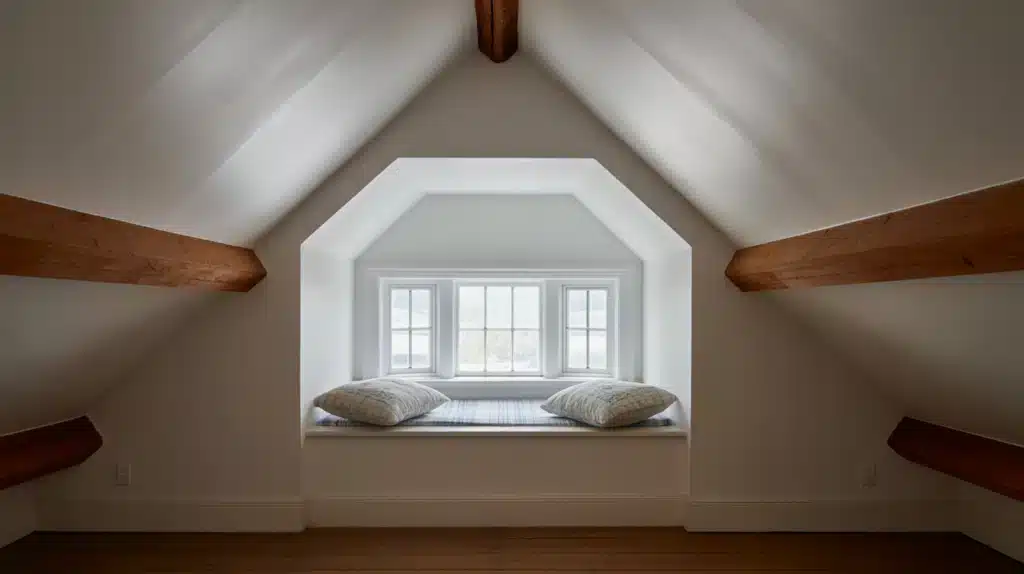
1. Extra Space Upstairs: That gambrel roof isn’t just decorative. It creates nearly a full second story of usable space without the boxy look of a two-story house.
You get more square footage without the home feeling too tall or out of proportion.
2. Timeless Curb Appeal: The style fits almost anywhere. It works in historic neighborhoods, suburban streets, and even rural settings.
The clean lines and balanced design don’t scream any particular decade, so they don’t look dated.
3. Solid Construction: Original versions were built to last. Thick walls, quality materials, and simple designs mean fewer weak points.
Modern versions inherit that straightforward construction approach, which often translates to fewer maintenance headaches.
4. Flexible Interiors: The basic structure adapts easily. You can modernize the inside completely while keeping the outside traditional. This flexibility appeals to buyers who want character without sacrificing comfort.
Common Mistakes People Make
Thinking every barn-shaped roof is Dutch colonial. Gambrel roofs show up on barns, garages, and other home styles. Just having that roof doesn’t make it Dutch Colonial.
Look for the full package: symmetry, dormers, proportions, materials.
Confusing it with the colonial revival. Colonial Revival is a different style that mimics British Colonial homes.
Dutch Colonial is specifically tied to Dutch settlers and that distinctive roof shape.
Assuming they’re all old. Plenty of Dutch Colonial-style homes were built in the last 20 years.
The style never completely disappeared, and builders keep returning to it because it sells.
Is This Style Right for You?
Dutch Colonial homes work well if you:
- Want more upstairs space without a tall, boxy house
- Like traditional exteriors, but need modern interiors
- Prefer defined architectural character over generic builds
- Live in areas where the style is common and appreciated
They might not be the best fit if you:
- Need a completely open floor plan (the roof shape limits some layouts)
- Want an ultra-modern minimalist design
- Prefer single-story living (though some exist, they’re rare)
Maintenance Considerations
Like any home with character, Dutch Colonial houses need regular attention in a few key areas. Understanding these maintenance points helps you plan for long-term ownership costs.
1. Roof Complexity
Gambrel roofs have more seams and angles than simple peaked roofs. This means more potential spots for leaks if maintenance slips. Regular inspections matter.
2. Dormer Upkeep
Dormers add character but also create more roof penetrations. Flashing around dormers needs attention to prevent water damage.
3. Wood Exteriors
If your home has wood siding or shingles, expect to repaint or restain every 5-10 years, depending on the climate. Brick and stone need less upkeep.
Conclusion
Dutch Colonial homes aren’t just surviving; they’re still being built for good reasons.
That gambrel roof solved a space problem 400 years ago, and it still solves it today.
You get a second floor without building a giant box. You get character without constant upkeep.
You get a home that fits historic streets and brand-new subdivisions equally well.
The style stuck around because it works, not because it’s trendy.
If you want a house that looks like it belongs somewhere and gives you actual usable space upstairs, this style delivers.
Real Dutch Colonial houses prove that good design doesn’t need an expiration date. It just needs to make sense.

With a Master in Architectural Studies from University of Pennysylvania, Marwa Haydar has pioneered living spaces since 2005. Her expertise, initially honed in a prestigious architectural firm, is evident in her approach to creating environments. Marwa became part of our team in 2019 and has since been a driving force in our home improvement section, known for her practical yet stylish solutions. She’s been spearheading our design workshops since then, infusing her passion for teaching into her work. In her leisure time, Marwa enjoys exploring historic architecture and is an enthusiastic pottery hobbyist, further enriching her understanding of form and texture.