
A coffee table is often the first surface noticed in a living room, yet it is one of the most misunderstood.
After years of styling interiors, I have seen how a poorly arranged coffee table can disrupt an otherwise well-designed space.
When styled correctly, it brings balance, purpose, and quiet confidence to the room.
Many struggle with how to style a coffee table without cluttering it or making it feel staged.
The key lies in understanding structure, restraint, and function.
This article shares my preferred method, practical guidance, and adaptable ideas to decorate a coffee table in a way that looks intentional and works for everyday living.
How do I Style a Coffee Table?
After years of styling living spaces, one thing has become clear: a coffee table works best when it feels intentional but easy to live with.
My favorite way to approach how to style a coffee table is by following a simple six-step process that creates balance without clutter.
A well-styled table should support daily use while quietly holding the room together.
This method explains how to decorate a coffee table using practical decisions rather than trends.
These coffee table decor ideas are flexible, repeatable, and work across different layouts, table shapes, and interior styles.
Step 1: Start With a Completely Clear Surface
The first step in how to style a coffee table is clearing everything off, even items that seem decorative.
Seeing the table empty helps reset the eye and removes the urge to simply rearrange what is already there.
This step also makes it easier to understand the table’s size, shape, and how much space should remain open.
A clear surface sets the tone for the rest of the styling process. Skipping this step often leads to overcrowding, which is the most common mistake in coffee table styling.
Step 2: Build the Base With Books
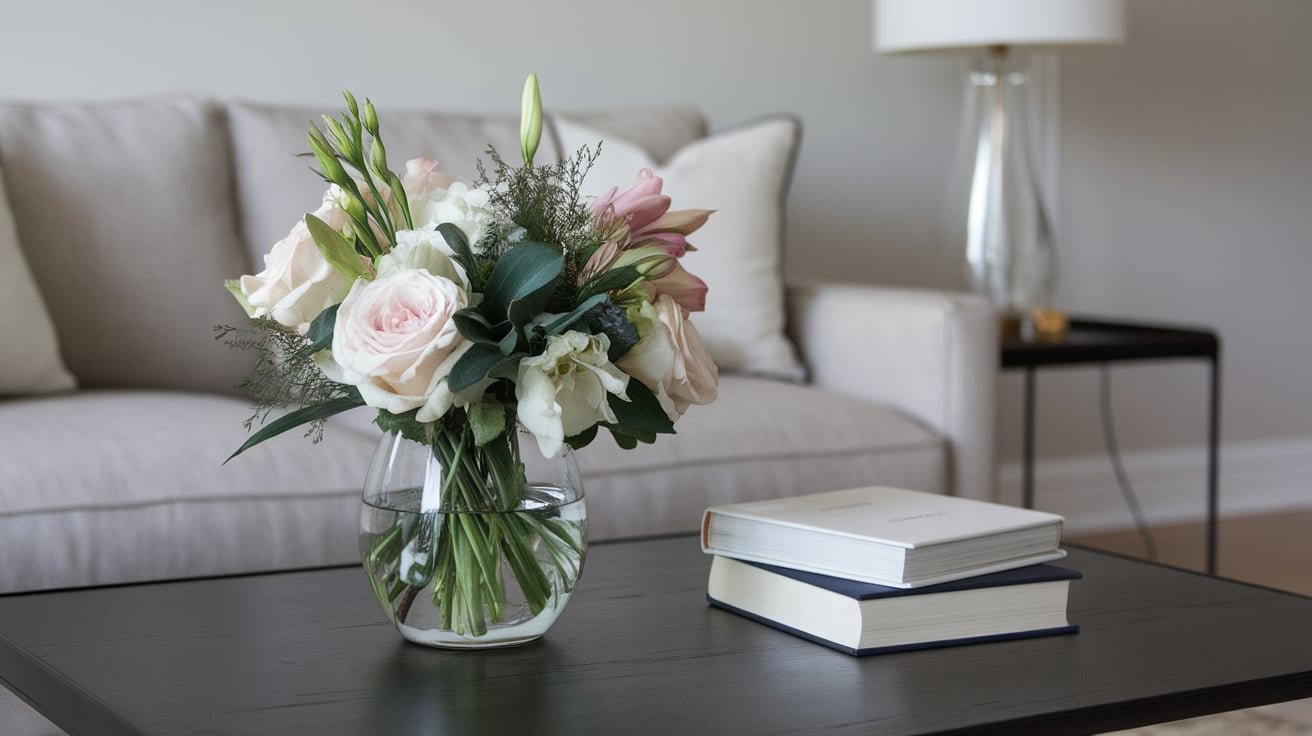
Books are always the starting point when thinking about how to decorate a coffee table.
They provide structure and make the rest of the decor feel intentional instead of scattered.
A small stack helps guide placement and gives other objects a visual anchor. This step also introduces scale. Books sit low, add weight, and keep taller pieces from feeling disconnected.
Among all coffee table decor ideas, this one consistently brings order to the surface.
Step 3: Add One Statement Piece for Height
Once the base is set, height is introduced to keep the arrangement from feeling flat.
In my approach to how to style a coffee table, this is the piece that quietly draws attention without dominating the table.
The height should feel proportional to the table and surrounding furniture. When chosen carefully, this one item gives the entire setup direction and keeps the eye moving upward, creating visual balance across the surface.
Step 4: Balance the Setup With a Grounded Object
After adding height, the arrangement needs something that visually settles it.
This step is about grounding the setup so it does not feel top-heavy. A lower, solid object adds stability and keeps the styling from feeling delicate or unfinished.
When learning how to decorate a coffee table, this step often gets overlooked, but it plays a key role in making the layout feel complete.
Many long-lasting coffee table decor ideas rely on this balance between height and weight.
Step 5: Soften Everything With a Natural Element
A natural element changes the entire mood of the table. When styling a coffee table, this step introduces warmth and softness that structured items alone cannot provide.
Even a small natural accent can make the arrangement feel more relaxed.
This step is especially useful in spaces with clean lines or hard materials. It helps the table feel more connected to the room rather than standing apart from it.
Step 6: Edit Until the Table Feels Easy to Use
The final step in how to style a coffee table is editing.
This means stepping back and removing anything that makes the surface feel crowded or difficult to use. A coffee table should support daily life, not compete with it.
If the table feels full, something should be taken away. The strongest coffee table decor ideas always leave breathing room. Function and comfort should guide the final decision.
Coffee Table Decor Ideas That Always Work
Once the basic structure is in place, the same styling approach can be adapted for different moments, settings, and needs.
1. Everyday Living
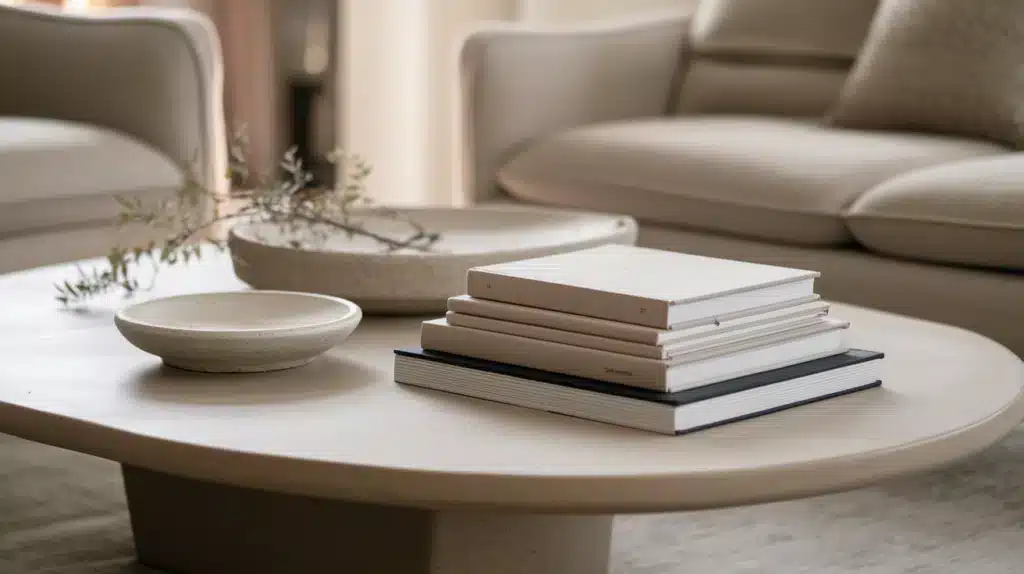
For everyday living, a coffee table should feel calm and practical rather than styled for display.
A simple arrangement built around books, one grounded object, and a subtle natural element keeps the surface usable throughout the day.
This approach supports daily routines while maintaining a tidy and intentional look.
2. Hosting Guests
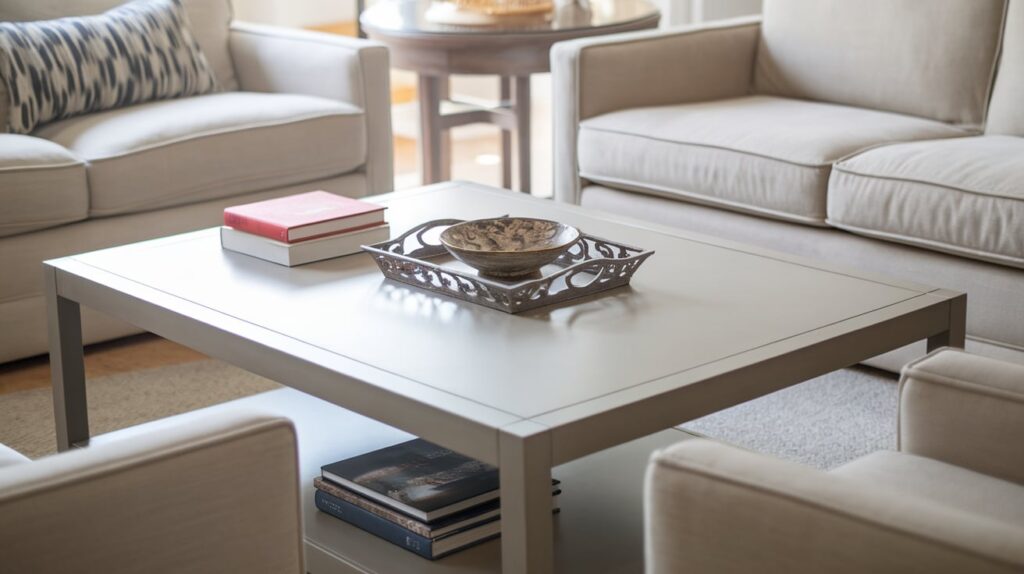
When guests are expected, the coffee table benefits from a slightly more defined focal point.
A centered arrangement helps the table feel welcoming without blocking movement or conversation.
This setup makes it easier to decorate a coffee table for gatherings while keeping the surface open and approachable.
3. Festive Occasions
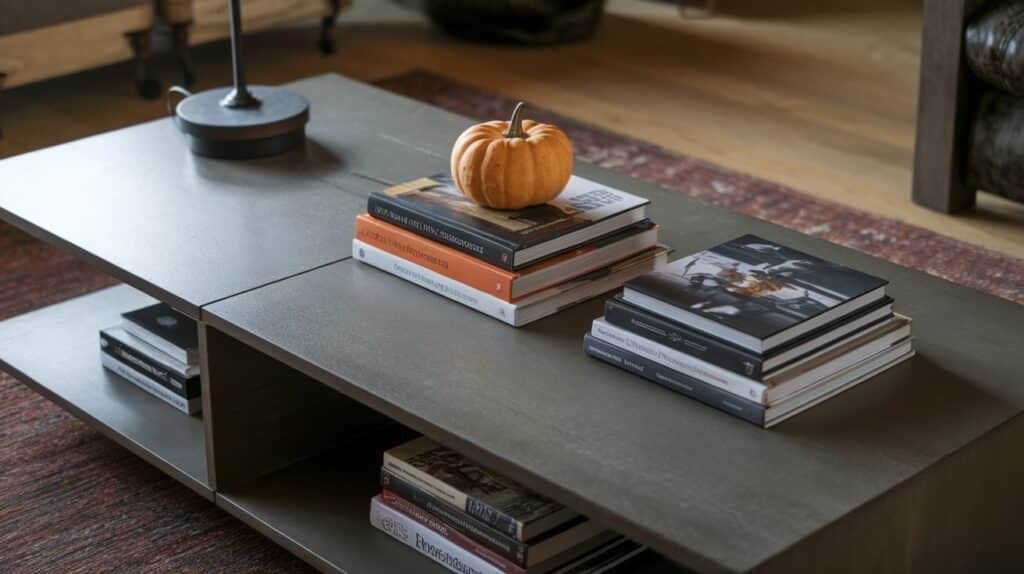
Festive occasions call for small but noticeable changes rather than a full restyle.
Introducing a seasonal accent or adjusting textures can refresh the table while keeping the original structure intact.
This method allows coffee table decor ideas to feel timely without becoming overwhelming.
4. Quiet Evenings at Home

For quieter moments, a softer and more restrained setup works best. Lower-profile items and fewer layers help the coffee table blend into the room rather than stand out.
This approach creates a settled atmosphere that supports rest without sacrificing visual order.
5. Special Celebrations
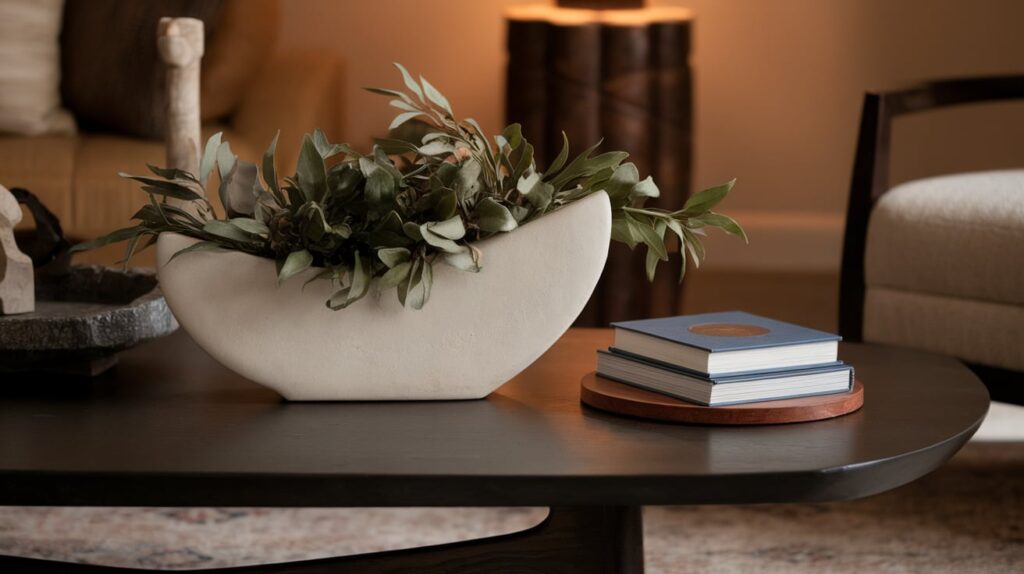
Special celebrations benefit from a composed and slightly refined arrangement.
A statement piece paired with neatly stacked books creates a purposeful look without excess. This is one of the most reliable ways to decorate a coffee table when the occasion calls for extra attention without clutter.
Conclusion
Styling a coffee table becomes easier when the focus stays on balance, purpose, and simplicity.
The most effective approach is not about filling the surface but about making thoughtful choices that support daily use.
Understanding how to style a coffee table comes down to structure, variation in height, and leaving enough open space to keep the table functional.
When these principles are applied, it becomes easier to decorate a coffee table in a way that feels settled rather than overdone.
Coffee table decor ideas work best when they adapt to different occasions without constant restyling.
Small edits often make a bigger impact than major changes. Share thoughts, preferences, or styling approaches in the comments to continue the discussion.

With a Master in Architectural Studies from University of Pennysylvania, Marwa Haydar has pioneered living spaces since 2005. Her expertise, initially honed in a prestigious architectural firm, is evident in her approach to creating environments. Marwa became part of our team in 2019 and has since been a driving force in our home improvement section, known for her practical yet stylish solutions. She’s been spearheading our design workshops since then, infusing her passion for teaching into her work. In her leisure time, Marwa enjoys exploring historic architecture and is an enthusiastic pottery hobbyist, further enriching her understanding of form and texture.