
Access control sounds technical, but it boils down to a simple idea: deciding who can enter your space, and when.
For retail stores and studios, this decision matters because these environments handle high‑value gear, sensitive work, and a steady flow of people.
A modern access system helps protect assets while keeping daily operations running smoothly.
Why Access Control Matters in Modern Retail and Studio Spaces
Retail stores and studios can balance employee schedules, customer visits, contractors, and late‑night sessions. Without structured access rules, it becomes easy for unauthorized people to enter restricted zones or for after‑hours activity to go unnoticed.
Updated systems offer visibility and control that keys simply cannot provide.
According to research by Technavio, retailers are increasingly investing in integrated physical‑security tools due to rising concerns about shrinkage and internal theft.
Studios face similar pressures as they safeguard production gear, creative assets, and client‑related materials.
Here are some key benefits of access control solutions for everyday operations:
- Easier control of who can enter storage rooms, studios, and private workspaces.
- Better visibility across multiple entry points.
- Simple changes when adding or removing user permissions.
The Building Blocks of Access Control
Every access control system includes a way to authenticate users, hardware that secures the door, and software that manages permissions.
Cloud‑based and AI‑supported systems are shaping the next generation of physical security.
Authentication Methods
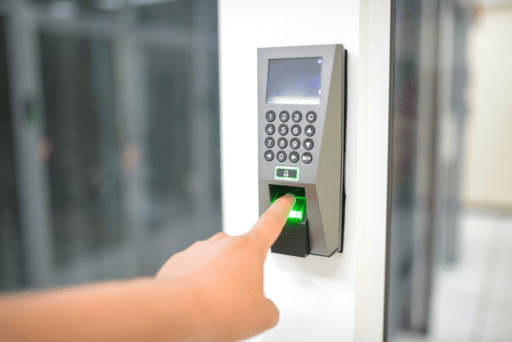
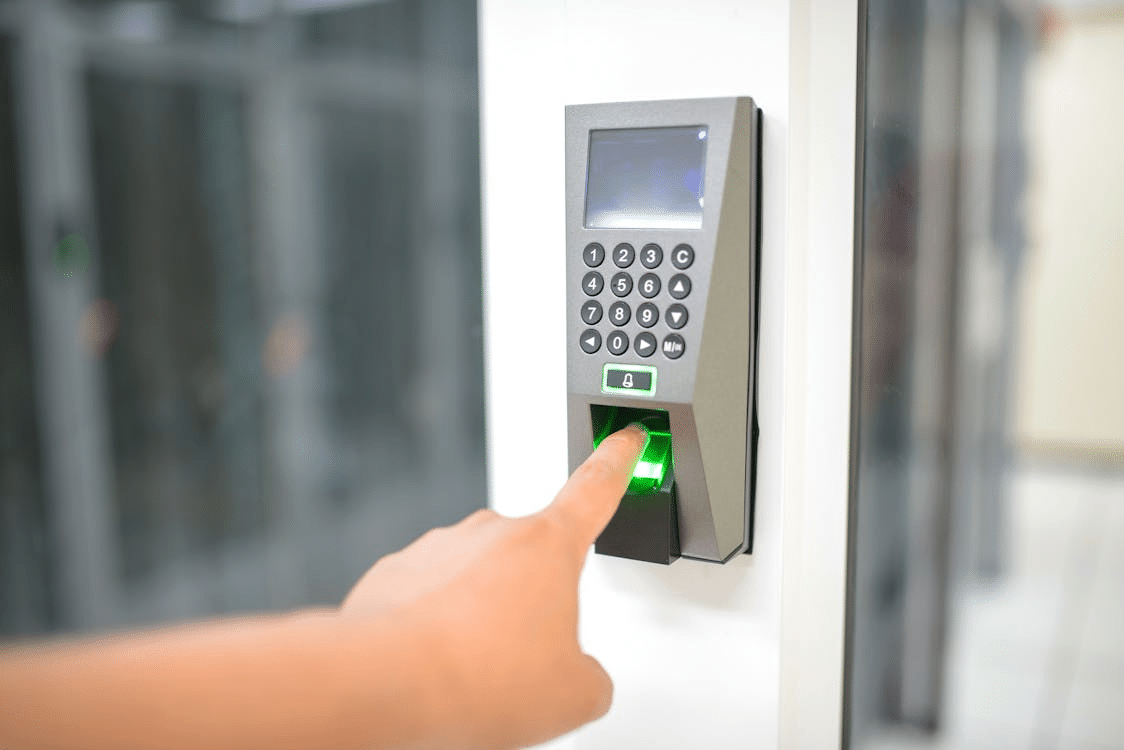
Authentication determines whether someone is allowed in. Options now include mobile credentials, keycards, biometrics (such as facial recognition), and PIN‑based access.
These choices make it easier to match the method to the environment, whether it is a busy retail location or a small production studio.
Smart Readers and Door Hardware
These components physically secure the entrance and collect entry data.
Retail and studio managers often select hardware that can grow with their needs, especially if their spaces change layouts or staffing levels over time.
Unified Software Management
Software ties all the pieces together and gives managers the ability to adjust permissions or review activity logs remotely.
Integrating With Supporting Security Tools
Complementary devices can make a big difference. For instance, many businesses pair access control with commercial-grade camera installations for optimal security.
When video and access events sync together, it becomes much easier to understand what happened during an attempted entry or after‑hours visit.
How Access Control Helps Retail Stores
Retail environments have steady foot traffic and multiple zones that need protection.
Access control helps keep customer‑facing areas open while securing stockrooms, receiving docks, and cash‑handling zones.
Reducing Loss and Protecting Inventory
Assigning access permissions by staff role helps minimize internal shrinkage and ensures only approved employees can enter sensitive areas.
Supporting a Safer Customer Experience
Clear separation between public and private areas prevents customers from accidentally entering employee‑only spaces.
Why Studios Benefit Even More From Controlled Access
Studios often have expensive equipment, sensitive client projects, and unpredictable schedules.
Access control helps them stay organized and secure, even when people come and go at odd hours.
Protecting Creative Work and Gear
Controlled entry helps secure recording equipment, props, instruments, and digital creative materials.
Only the right people are able to access these resources.
Handling Frequent Visitors and Contractors
Temporary digital passes make managing short‑term guests easier and reduce issues caused by lost keys or unauthorized copies.
Integrating Access Control With Other Security Tools
Mobile IDs, biometrics, and open‑standard systems are all becoming common, making it easier to connect access control with alarms, cameras, and other security tools.
When these systems work together, they provide a more complete picture of activity.
Choosing the Right System for Your Space
Every retail store and studio has unique needs.
Managers often start by considering:
- How many doors and zones need coverage.
- Whether cloud‑based control is needed.
- How often visitors require temporary access.
Working with a knowledgeable installer helps match the right tools to your workflow.
Final Thoughts
Access control gives retail stores and studios a smarter way to protect their people, equipment, and work.
Instead of dealing with keys and guesswork, modern systems offer visibility, flexibility, and greater peace of mind.
Exploring access‑control options is a valuable step toward building a stronger overall security foundation.
And as these spaces continue to evolve, adopting thoughtful access‑control measures ensures they stay secure, efficient, and ready for whatever comes next.

Holding a Master’s in Library and Information Science from the University of Illinois, Josh Clarke has dedicated more than 15 years to managing and disseminating information across various platforms. His professional journey includes significant experience as a research librarian, where he developed an expertise in sourcing and providing accurate and comprehensive answers to diverse questions. In 2018, Josh brought his rich experience to our platform, quickly establishing himself as a reliable source for general FAQs. He has been overseeing our information curation since then, combining his research skills with a flair for engaging content delivery. When not involved in information management, Josh enjoys exploring digital photography and participating in local quiz competitions, hobbies that complement his inquisitive nature and love for learning.