
Let’s Talk About Storm Damage
Storms don’t give you a heads-up. They just hit. And when they’re done, you’re left staring at the mess wondering where to even start.
Here’s the thing: jumping into repairs too quickly is actually one of the worst things you can do. I know it’s tempting. Your roof’s got a hole, water’s dripping in, and you want it fixed yesterday. But rushing in without understanding what you’re dealing with? That’s how people end up spending way more money than they needed to. Or worse, creating dangerous situations.
That’s where professionals like Spaulding Decon come in. They’ve seen it all, and they know how to navigate the whole restoration process without you tearing your hair out.
What Actually Counts as Storm Damage?
It’s not just broken windows and missing shingles. Storm damage covers a whole range of destruction that comes from severe weather.
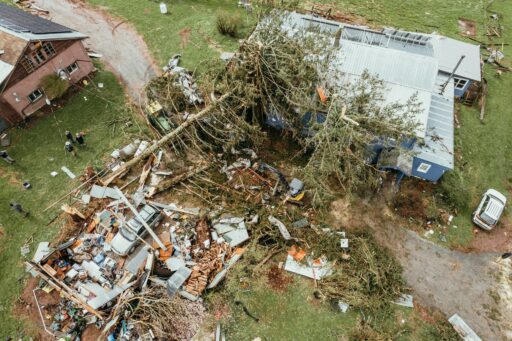
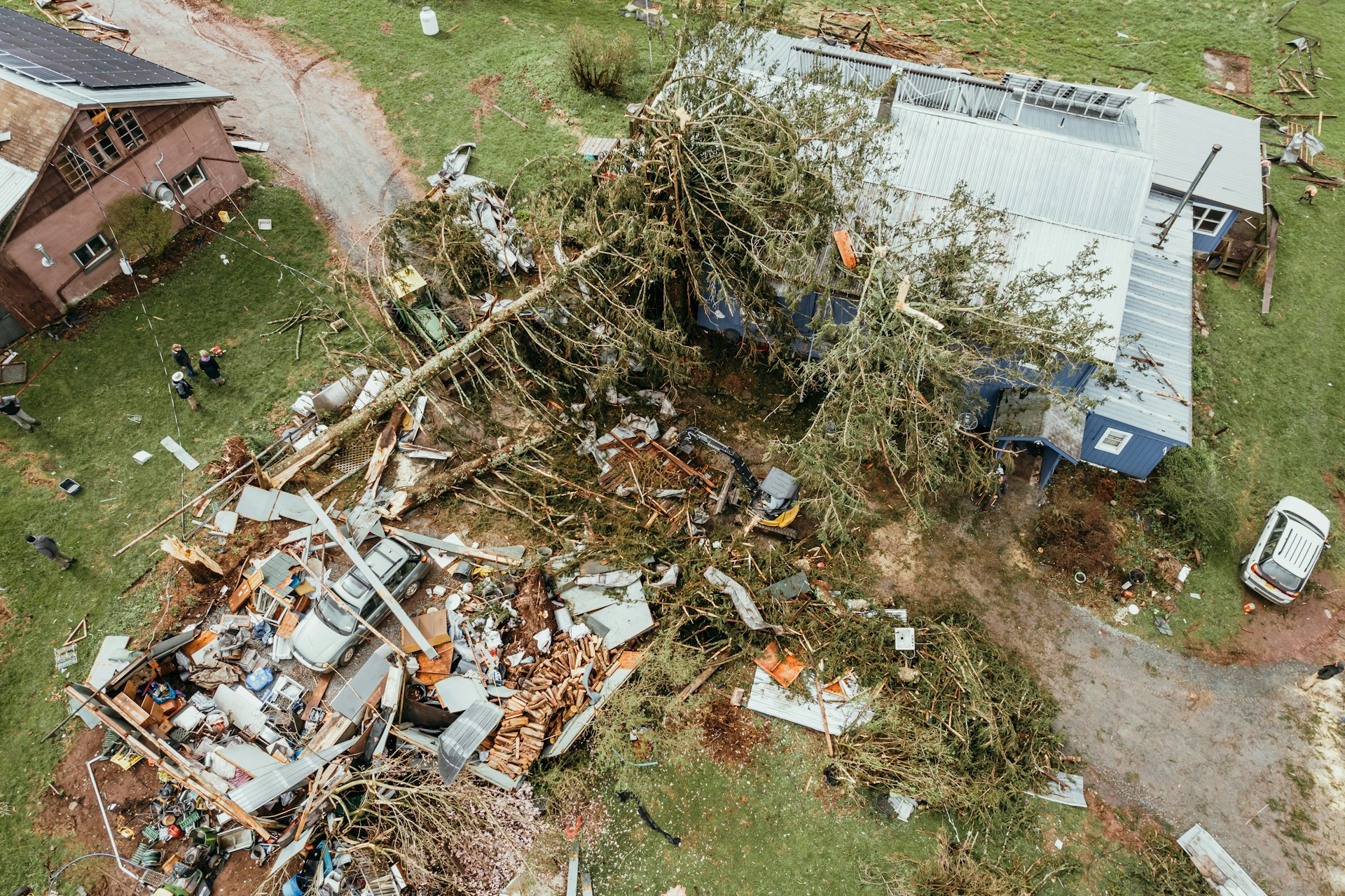
Wind damage can rip your roof clean off, snap fences like toothpicks, and uproot trees that leave your property completely exposed. Water damage is sneaky. Whether it’s from flooding or leaks, it weakens everything it touches and creates long-term headaches like mold. Then, there’s debris. Flying objects during a storm can wreck your siding, total your car, or destroy outdoor equipment.
And structural damage? That’s the scary one. Compromised foundations or walls often hide until they become a serious safety issue.
Understanding the different types of damage is essential. It’s the first step to actually fixing things the right way.
Why You Can’t Skip the Assessment
Look, I get it. The storm just passed, and you want to fix everything right now. But hold up.
A proper assessment isn’t just busywork. It’s what keeps you from making things worse. Water doesn’t just sit on the surface. It seeps into walls, floors, and ceilings. And mold? That can start growing in just one or two days.
Laura Spaulding, who’s been professionally doing storm damage restoration for years, puts it this way, “A thorough inspection saves homeowners thousands of dollars in hidden repair costs. Every single time.”
DIY or Call the Pros?
Small repairs might seem doable. You’re handy, you’ve got tools, you can YouTube it. Right?
Wrong. Storm damage restoration isn’t a weekend project.
Here’s what happens with DIY repairs: you miss structural weaknesses. You don’t properly deal with water intrusion. You create safety hazards without even realizing it. And then you’re calling professionals anyway, except now they’re fixing your mistakes on top of the original damage.
Professional restoration services bring experience, specialized equipment, and knowledge that you just don’t have. Companies like Spaulding Decon handle everything from water extraction and mold remediation to structural repairs. They’ve done this hundreds of times.
The Damage You Can’t See
Not all storm damage waves a red flag at you. Some of it hides. Structural weaknesses in walls or roofs might not show themselves until something collapses. Water trapped inside walls, under floors, or in your attic? That leads to mold growth, which is both a health hazard and expensive to fix. And electrical systems can get compromised, especially if water’s reached your wiring or outlets.
Professionals are trained to find this hidden stuff. They know where to look and what to look for. That’s the difference between a complete repair and a disaster waiting to happen.
What Storm Damage Restoration Actually Means
Storm damage restoration is a comprehensive process. It starts with a detailed inspection. They document everything, visible and hidden. Next comes mitigation. That’s things like water removal or putting up temporary tarps to prevent more damage. Then you get into permanent repairs: roofing, siding, structural fixes, interior work.
Finally, there’s a thorough assessment to make sure everything’s safe and fully restored.
Laura Spaulding explains it like this, “A structured restoration process reduces the chances you’ll be doing repairs again. And it gives you confidence that your home or business is actually secure.”
The Recovery Process, Step by Step
Recovery starts with inspection and documentation. You and the restoration team record every affected area. This helps with insurance claims and figuring out what needs fixing.
Then comes mitigation. Removing water, securing loose structures, boarding up broken windows. Whatever stops things from getting worse.
The repair phase is where the real work happens. Replacing damaged roofing. Fixing walls. Treating mold. Restoring electrical systems. All the permanent fixes.
And the final assessment makes sure everything’s done and the property’s safe for you to live in again.
This structured approach prevents nasty surprises. You know exactly what’s happening at each stage.
Dealing with Insurance
Insurance claims are usually a huge part of storm recovery. And they can be a pain. You need to document everything. Photos, videos, all of it. Notify your insurance company as soon as you can. Keep receipts for any emergency repairs you had to do right away.
But here’s what’s very important: hold off on major repairs until after an inspection. Unless it’s absolutely necessary for safety, it’s better to wait.
Professional restoration companies provide detailed reports that back up your insurance claims. They help make sure the compensation actually covers all the damage. Understanding how this process works saves you time, money, and a ton of stress.
What Storm Repairs Actually Cost
The cost depends on several things.
Materials are a big one. Roofing, siding, windows. Prices vary based on quality and what’s available. Labor costs differ depending on who you hire and where you live. And hidden damage? That’s the kicker. Water intrusion behind walls, mold growth, stuff you didn’t know was there. That can drive costs way up if you don’t catch it early.
Being aware of these factors helps you set realistic expectations. And here’s the thing: investing in professional restoration upfront usually prevents way more expensive problems down the road.
Safety Isn’t Optional
Storm damage creates real hazards. You need to wear protective gear like gloves, boots, and helmets. When you’re inspecting or working on damaged areas, this stuff matters. Standing water near outlets or appliances? That’s an electrical hazard waiting to happen. Unstable structures like partially collapsed roofs or walls can injure you seriously.
Prioritizing safety protects you and prevents more damage to your property. Professional restoration companies are trained to manage these hazards. They know what they’re doing.
Water Damage: The Quiet Killer
Water damage doesn’t announce itself. But it’s one of the most destructive things that happens after a storm.
Even small leaks or minor flooding compromise structural integrity. They lead to mold growth. And the signs aren’t always obvious at first. Warped floors, stained ceilings, a musty smell. Those are your warnings.
Ignore them? You’re looking at expensive repairs and health risks.
Laura Spaulding emphasizes acting fast when you suspect water damage. Early intervention is critical. It’s the difference between effective remediation and a long-term disaster.
Understanding Structural Damage
Storms weaken critical parts of your property. Roofs, walls, windows, foundations. You need regular inspections after severe weather. Catch problems before they get worse. Roofs lose shingles or develop leaks. Walls crack or bow. Broken windows leave your interior exposed to more damage.
Sometimes you need engineers or construction experts to assess severe structural damage. They make sure the property’s actually safe.
Addressing structural issues promptly prevents small problems from becoming costly emergencies. That’s not dramatic. That’s just how it works.
Mold Growth Is No Joke
Mold is a common result of water damage. And it poses serious health risks. Respiratory problems, allergic reactions, the whole deal.
Mold loves damp, hidden areas. Behind walls, under floors, inside attics. Professional mold remediation involves proper containment, safe removal, and prevention measures to stop it from coming back.
Ignoring mold growth escalates repair costs and creates long-term health concerns. Professional assessment and remediation after storm events isn’t optional. It’s essential.
Picking the Right Restoration Company
Choosing a reliable restoration company matters more than you think.
Look for experienced professionals with proper certifications. Check reviews. Look at documented case studies. Full-service providers like Spaulding Decon simplify everything by handling water, fire, mold, and structural repairs all in one place.
A trusted restoration partner ensures your property gets restored efficiently, safely, and without adding to your stress.
Here’s what to look for:
- Experience and certification in storm damage restoration
- Comprehensive services covering water, mold, fire, and structural damage
- Strong customer reviews and real case studies you can verify
- Rapid response times and clear communication
- Professional equipment and industry best practices
Don’t settle for less.
Here’s What You Need to Remember
Storm damage is overwhelming. But understanding the process and taking measured steps makes recovery smoother.
From assessing damage to final repairs, every stage matters. Prioritize safety. Rely on experienced professionals. Get thorough inspections.
Prompt action, professional support, and careful planning protect your property, your health, and your peace of mind. Working with experts like Spaulding Decon ensures recovery is complete, safe, and actually lasts.
You don’t have to do this alone. And honestly? You shouldn’t.

Holding a Master’s in Library and Information Science from the University of Illinois, Josh Clarke has dedicated more than 15 years to managing and disseminating information across various platforms. His professional journey includes significant experience as a research librarian, where he developed an expertise in sourcing and providing accurate and comprehensive answers to diverse questions. In 2018, Josh brought his rich experience to our platform, quickly establishing himself as a reliable source for general FAQs. He has been overseeing our information curation since then, combining his research skills with a flair for engaging content delivery. When not involved in information management, Josh enjoys exploring digital photography and participating in local quiz competitions, hobbies that complement his inquisitive nature and love for learning.