
Most homes do not need a major remodel to feel better. The frustration usually comes from smaller things that pile up. A room that feels fine at 9 a.m. feels harsh by 3 p.m. A couch ends up in the only spot that does not get hit by glare. A bedroom stays brighter than anyone expected. None of this is dramatic, but it gets old fast.
It is easy to blame the layout or the age of the house. It is also easy to blame the climate, especially in places with strong sun. In many cases, the real issue is simpler. The home is not controlling light, heat, and visibility very well, so the people inside end up doing it manually.
The Room Is Not “Bad,” the Light Just Lands Wrong
Natural light is great until it is not. Sunlight shifts across the room and changes what feels usable. The dining table looks perfect in the morning. Later, the same table becomes too bright to sit at. A home office is comfortable for a few hours, but then the screen becomes hard to see, which is why managing natural light indoors often has more impact than changing furniture or layout.
People adapt without thinking. They turn the chair. They move the laptop. They close the curtains earlier than they want. After a while, the room develops a reputation. “Do not sit there in the afternoon.” That is not a design preference. That is a comfort workaround.
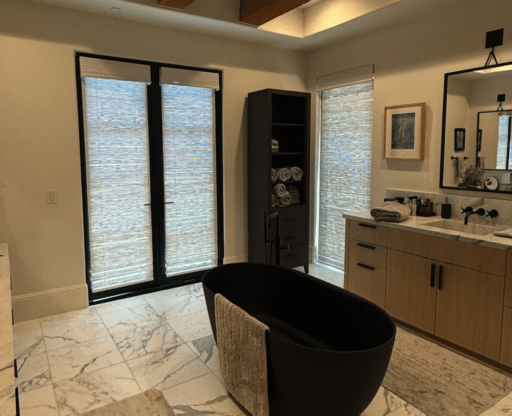
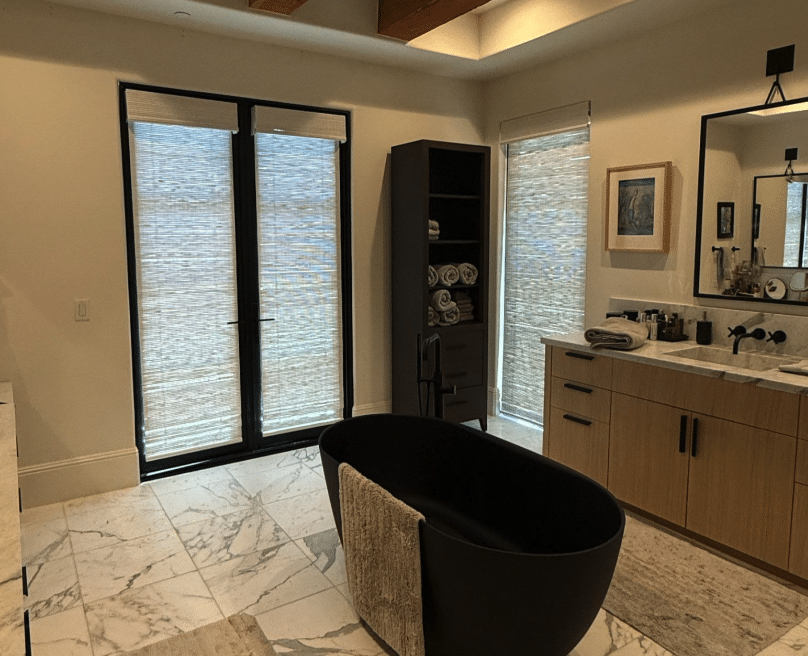
A small fix is often enough. The goal is not darkness. The goal is softer light and fewer sharp angles. One practical step is choosing window shades in Phoenix that cut glare and soften contrast while keeping the room bright.
Comfort Problems Show Up in Habits First
Comfort issues rarely arrive all at once. They show up as habits. The lights go on early because the curtains are closed. Certain rooms stop being used at specific hours. The thermostat gets adjusted more often than it should.
Those habits are useful clues. They show where the house is asking for correction. When the same correction happens every day, the solution should not be willpower. It should be a change to the space.
For homes that get strong sun daily, window shades phoenix can restore comfort in high-use rooms.
Privacy Feels Different at Night
Privacy is usually fine in daylight. Then night arrives. Interior lights turn on, and the glass starts behaving like a display case. A living room can suddenly feel exposed. A bedroom can feel unsettled, even with the same furniture and layout.
The usual response is total shutdown. Curtains close. The room gets darker than anyone wants. People lose the soft evening light they actually enjoy, just to feel less visible.
Better privacy control is not about blocking everything. It is about having an in-between setting. Something that keeps the room usable and still feels private enough to relax.
Heat Builds Near Windows Long Before Anyone Notices
Heat is not always obvious. It builds quietly. The glass warms first, and solar heat gain through glazing helps explain why rooms near windows drift out of comfort before anyone touches the thermostat.
This is why some rooms feel hotter than others in the same house. It is also why cooling can feel like it is chasing the problem instead of preventing it.
Small changes help when they slow down that heat buildup. It does not need to be perfect. It just needs to stop the daily spike that makes a room hard to use.
The Easy Win Is Reducing Glare, Not Chasing Perfection
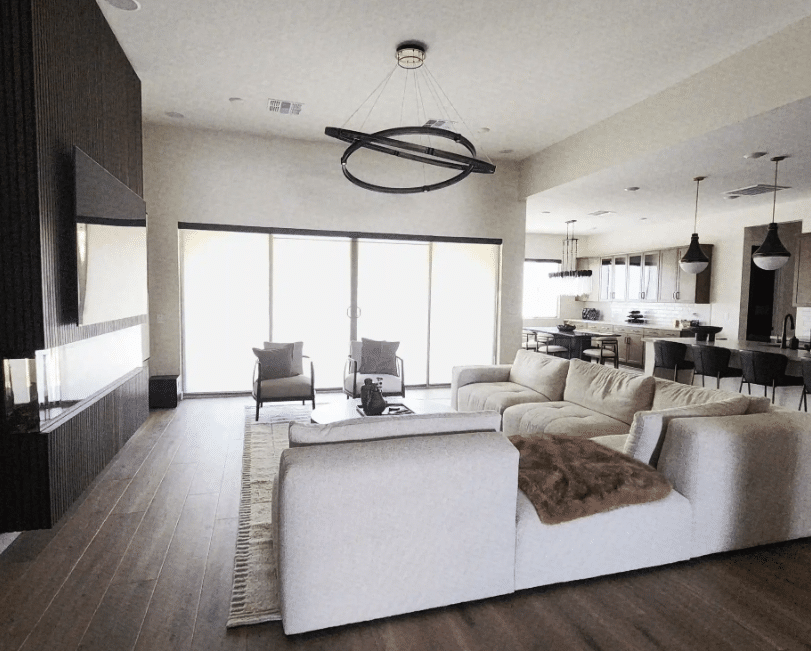
Glare is one of the quickest ways to ruin a room. It also creates weird side effects. People squint. They tense their shoulders. They stop using a space for reading or work. They blame the furniture or the paint color when the real issue is the angle of the sun.
Reducing glare is often the fastest comfort upgrade. It changes how long a room stays usable. It also changes how calm the space feels, even when nothing else changes.
This is one reason light control improvements feel “bigger” than they are. The effect shows up immediately.
Materials Quietly Change the Mood of a Space
Hard surfaces reflect more than sound. They reflect light too. Glossy flooring and shiny counters can bounce sunlight into places it does not belong. That is when a room starts feeling sharp, even when it is clean and modern.
Softer materials tend to calm this down. Textures help. They break up the light instead of throwing it back at the eyes. They also soften the sound in a way people notice later, not right away.
It is not about making the home look cozy. It is about removing the harsh edges that build fatigue.
Not Every Room Needs the Same Fix
Some rooms are morning rooms. Some are afternoon rooms. Some are used for work, others for rest. Trying to treat every window the same way usually fails because the house does not behave uniformly.
A bedroom needs different controls than a kitchen. A street-facing living room needs different privacy than a back office. This is normal.
Comfort improves faster when solutions are chosen based on how the room is used, not how the floor plan labels it.
The Best Changes Reduce Daily “Micro-Adjustments”
The biggest comfort sign is simple. Less fiddling. Less constant adjustment. When a home works, people stop thinking about it.
That means fewer curtains being opened and closed all day. Fewer chair moves. Fewer “do not sit there” rules. Fewer thermostat battles.
Small changes have a big impact because they remove daily friction. The room stops requiring management.
Comfort Is Built in the Background
Comfort is not a moment. It is what the house feels like on ordinary days. It is the difference between a room that looks good and a room that stays usable from morning to night.
Most of that difference comes from small interior decisions. Light control. Privacy control. Heat control. The boring stuff.
Once those are handled, the rest of the home feels easier. And that is usually the real goal.

With a Master in Architectural Studies from University of Pennysylvania, Marwa Haydar has pioneered living spaces since 2005. Her expertise, initially honed in a prestigious architectural firm, is evident in her approach to creating environments. Marwa became part of our team in 2019 and has since been a driving force in our home improvement section, known for her practical yet stylish solutions. She’s been spearheading our design workshops since then, infusing her passion for teaching into her work. In her leisure time, Marwa enjoys exploring historic architecture and is an enthusiastic pottery hobbyist, further enriching her understanding of form and texture.