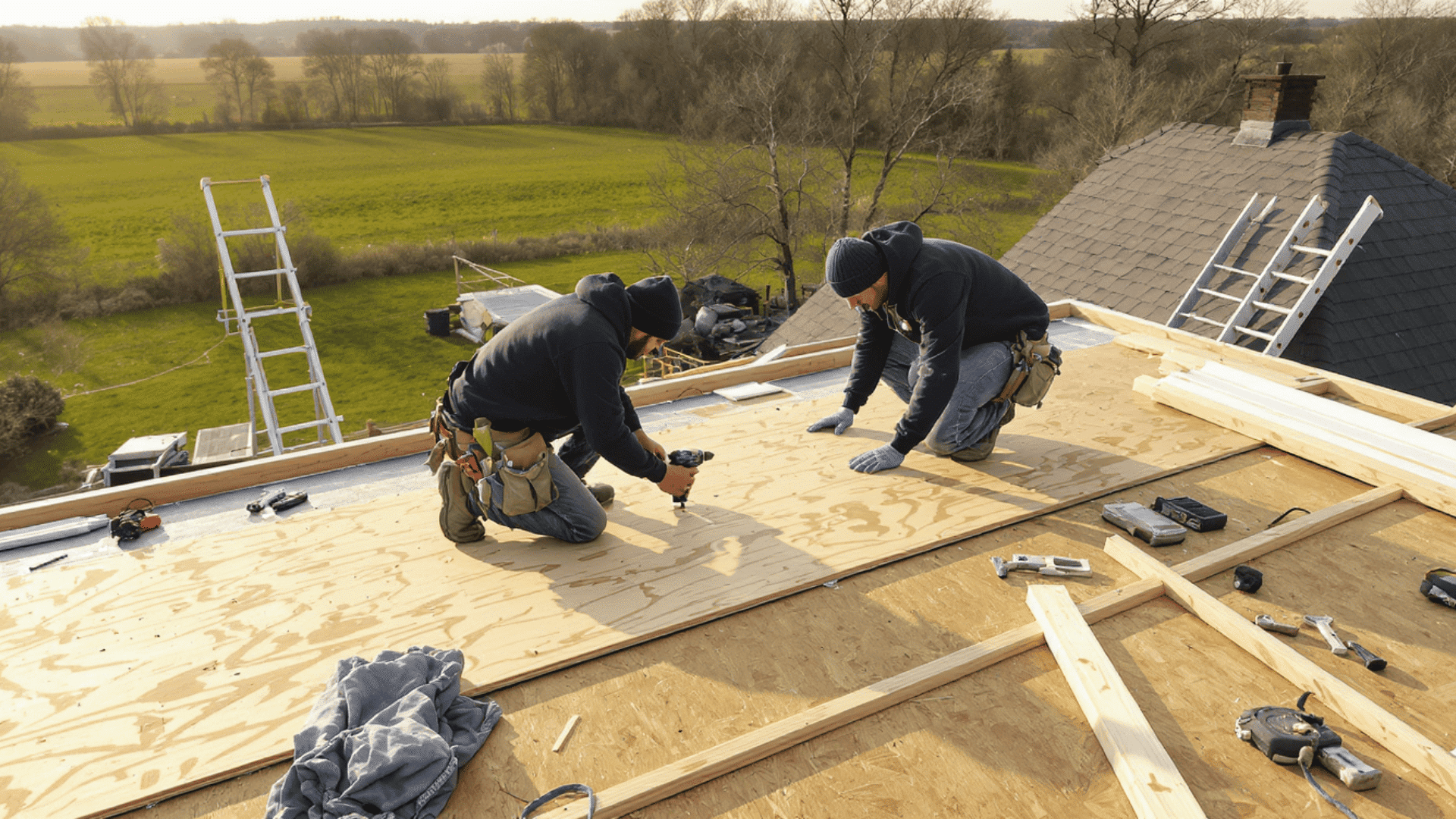

Your manufactured home’s roof won’t last forever, but knowing when to act can save you from a full-blown disaster.
Strange ceiling stains, soft spots underfoot, or that persistent drip after every storm; something’s definitely not right up there.
The truth is, manufactured home roof replacement isn’t just about slapping on new materials and calling it done.
Weight limits, structural quirks, and material choices all play into whether your new roof actually holds up or becomes another headache down the line.
Metal panels, asphalt shingles, rubber membranes, or maybe just layering over what’s already there?
Each route has its own price tag, lifespan, and hidden catches that could make or break your investment.
What Is Manufactured Home Roof Replacement?
Manufactured home roof replacement is all about swapping out your old roofing system for a fresh one built to handle the unique needs of manufactured housing.
Unlike traditional homes, manufactured homes have lighter roofs, specific framing setups, and weight limits.
Roof replacement might mean upgrading tired materials, finally fixing those stubborn leaks that won’t quit, or tweaking the roof design to boost drainage and make everything last longer.
The game plan really comes down to what type of roof you’re working with, how beat-up the materials are, and what your structure can actually support.
Signs a Manufactured Home Roof Needs Replacement
A manufactured home roof does not fail overnight. In most cases, clear warning signs appear long before serious damage occurs.
Below are common indicators that roof replacement may be necessary:
- Ongoing leaks after multiple repairs
- Sagging areas or soft spots on the roof surface
- Rust, corrosion, or loose fasteners on metal roofing
- Cracks, bubbles, or worn-out roofing material
- Ceiling stains, moisture marks, or mold indoors
Addressing these signs early helps prevent structural damage, insulation issues, and higher repair costs later.
Manufactured Home Roof Replacement Options
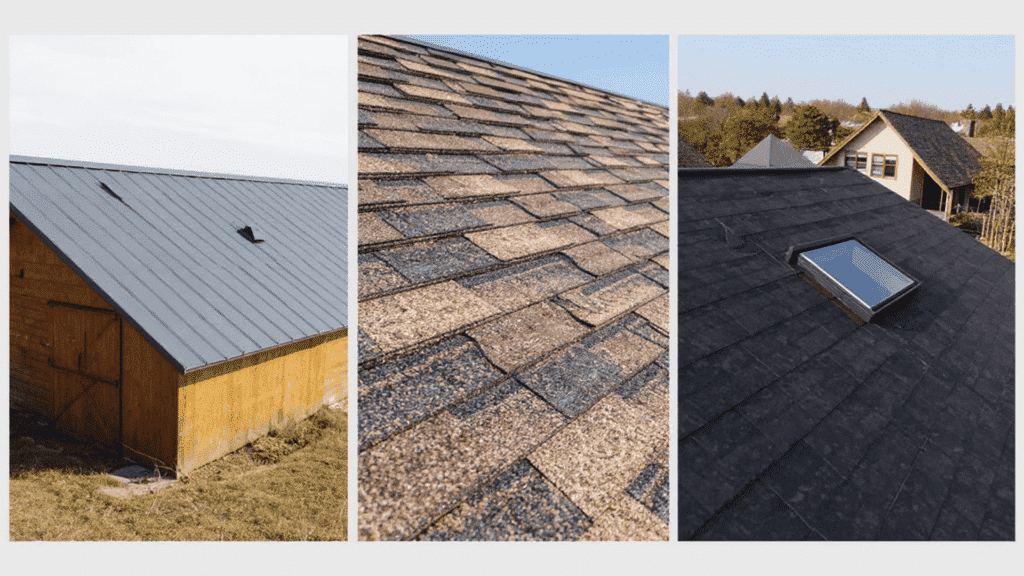
Choosing the right roof replacement option is a major decision for manufactured homes, since materials and design must comply with strict structural limits.
Below are the most commonly used roof replacement options, each suited to different roof types, budgets, and long-term needs:
1. Metal Roofing
Metal roofing is a go-to choice for manufactured home roof replacement thanks to its durability, minimal maintenance, and a very long lifespan.
Wondering how long a metal roof lasts?
With proper installation and care, it can easily push 40-70 years, making it a solid investment.
It handles heavy rain, snow, and scorching temps like a champ. Metal panels are lightweight, too, so they fit manufactured home structures without needing beefed-up reinforcement.
Common use:
- Flat or low-slope manufactured home roofs
- Homes in extreme weather regions
- Long-term replacement plans
2. Shingle Roofing
Shingle roofing typically gets the nod when a manufactured home already has a pitched roof, or you’re converting to one.
Asphalt shingles offer a classic look and are often chosen for their curb appeal. Just know that this option might require additional framing support to handle the weight and installation requirements.
Common use:
- Pitched manufactured home roofs
- Homes with added roof trusses
- Visual upgrades to match site-built homes
3. Rubber or Membrane Roofing
Rubber or membrane roofing systems are the usual suspects for flat manufactured home roofs.
These materials lay down a sealed surface that reduces water pooling and those annoying leaks. Installation moves pretty fast, and maintenance stays light when it’s done right.
Common use:
- Flat or bowstring roof designs
- Leak-prone older roofs
- Budget-conscious replacements
4. Roof-Over vs Full Replacement
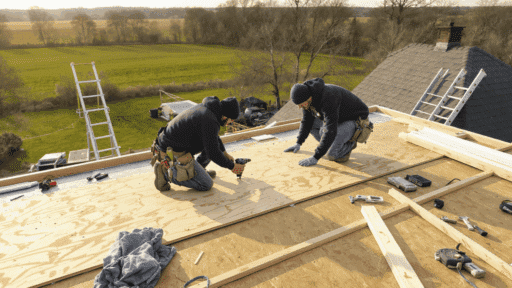
A roof-over means slapping new material directly over what’s already there, while a full replacement strips everything down before rebuilding.
Roof-overs can save on labor costs, but going the full replacement route becomes necessary when you’re dealing with structural damage, moisture problems, or serious wear and tear.
Common use:
- Roof-over for minor surface wear
- Full replacement for structural or moisture damage
Tip: Before locking in a roof replacement option, double-check load limits, local code requirements, and what maintenance will look like down the road to dodge future structural headaches or compliance nightmares.
How Much Would it Cost to Replace a Mobile Home Roof?
The Cost of Replacing a Manufactured Home Roof Varies Based on Materials, Roof Design, Labor Needs, and Structural Condition.
Flat Roofs, Lightweight Materials, and Minimal Repairs Generally Cost Less, While Pitch Changes or Damage Repairs Increase Total Expenses.
Key Cost Factors Include:
- Roof Size and Slope
- Roofing Material Type
- Labor and Installation Method
- Structural Repairs or Upgrades
- Permit and Inspection Fees
Below is an Estimated Cost Table Based on Common Replacement Scenarios:
| Roof Type / Material | Estimated Cost Range |
|---|---|
| Metal Roofing | $3,000 – $7,000 |
| Shingle Roofing | $4,500 – $8,500 |
| Rubber or Membrane Roofing | $2,500 – $6,000 |
| Roof-Over Installation | $2,000 – $4,500 |
| Full Roof Replacement | $5,000 – $10,000 |
These figures are estimated values and may vary by location, contractor rates, and roof condition.
Considerations Before Replacing Manufactured Home Roof
Before replacing a manufactured home roof, several practical factors should be reviewed to avoid complications during or after installation.
Structural load limits must be checked to ensure the home can support the selected roofing material.
Local building codes and permit requirements may affect design and installation methods.
Contractor experience with manufactured housing is essential, as standard residential practices may not apply.
Warranty terms, insurance coverage, and long-term maintenance needs should also be reviewed.
Proper timing, weather conditions, and material availability can further influence project success and durability.
Conclusion
Manufactured home roof replacement cost doesn’t have to be a guessing game when you know what you’re working with.
From spotting early warning signs like leaks and sagging to weighing your material options, metal’s durability, shingles’ classic appeal, or rubber’s budget-friendly seal, every choice shapes how your roof performs and how much you’ll spend.
Roof-over to save some cash, or strip it down for a full rebuild. Understanding load limits, local codes, and contractor experience keeps you out of trouble.
Costs range anywhere from a few thousand to over ten grand, depending on materials, labor, and what surprises lurk underneath.
The right prep work now means fewer headaches and a roof that actually lasts.
Got a roof-replacement story or a go-to material? Drop your experience below!

Holding a Master’s in Construction Management from Purdue University, William Ray has dedicated more than two decades to studying and applying construction principles. His professional journey includes a tenure with a prominent construction firm, where he specialized in project management and building technologies. William brought his knowledge to our team, providing in-depth insights into practical construction techniques. As the leader of our beginner’s guide to building since 2019, he has a knack for breaking down intricate processes into easily digestible content. When not involved in writing or onsite consultations, William enjoys woodworking and volunteering in community building projects, which aligns with his passion for hands-on construction and community service.