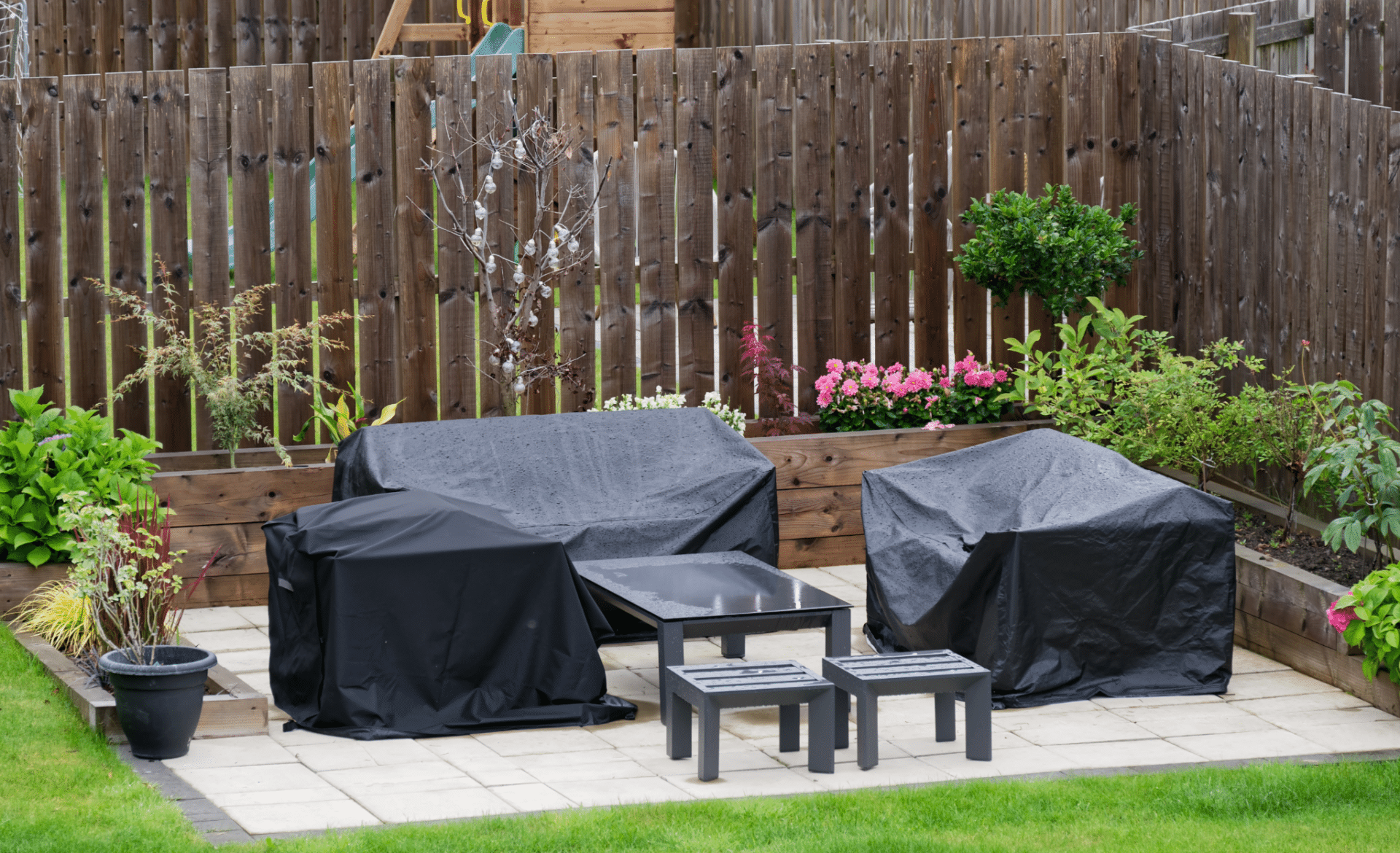

Outdoor furniture is designed to withstand the elements, but even the most durable commercial-grade pieces benefit from thoughtful protection. For hotels, resorts, restaurants, and commercial venues, preserving both appearance and structural integrity is essential to maintaining a welcoming guest experience and protecting long-term investment value. A common question property managers and homeowners ask is: does outdoor furniture need to be covered, and if so, should it be covered throughout the year?
The answer depends on climate, materials, usage frequency, and storage options. Understanding when and why patio furniture coverings are necessary can significantly extend product lifespan while reducing maintenance costs. This guide explains whether patio furniture needs to be covered, outlines seasonal strategies, and provides expert recommendations on how to care for outdoor furniture effectively.
Why Covering Outdoor Furniture Matters
Outdoor furniture is engineered to endure sunlight, moisture, wind, and temperature fluctuations. However, long-term exposure accelerates wear, even for premium hospitality-grade furnishings. Protective coverings function as an additional defense layer, shielding commercial-grade outdoor furniture from environmental stressors that cause fading, corrosion, mildew growth, and material degradation.
Ultraviolet (UV) radiation is one of the primary factors affecting outdoor furniture. Continuous sun exposure can weaken plastics, fade fabrics, and dry out natural materials such as wood or wicker. Rain and humidity introduce moisture, which may lead to rust on metal frames, mold formation on cushions, or swelling in wooden components. Dust, pollen, and pollution also accumulate over time, requiring more frequent cleaning if furniture remains uncovered.
From a commercial operations standpoint, protecting furniture reduces replacement frequency and ensures spaces remain visually appealing to guests. Hospitality venues rely heavily on consistent aesthetics, and weather-damaged furnishings can quickly diminish the perceived quality of outdoor spaces. For this reason, many facility managers treat coverings not as optional accessories but as an integral part of furniture maintenance programs.
Seasonal Considerations: Should Furniture Be Covered Year-Round?
Whether outdoor furniture should be covered in every season depends on environmental conditions and how often the furniture is used.
Spring and Summer
During peak hospitality seasons, furniture is often used daily. In these months, constant covering may not be practical, but covering pieces overnight or during storms remains beneficial. Sudden rainfall, heavy winds, or intense sunlight can cause cumulative damage, especially to cushions and fabric upholstery. Quick-cover solutions designed for frequent use allow staff to protect furniture efficiently without disrupting operations.
Fall
Autumn introduces falling leaves, increased moisture, and temperature fluctuations. Organic debris, such as leaves, can trap moisture against surfaces, leading to staining or mildew formation. Covering furniture during periods of non-use helps prevent buildup and simplifies cleaning routines.
Winter
In colder climates, winter is the most critical period for protection. Snow accumulation, ice formation, and freezing temperatures place significant stress on materials. Even powder-coated aluminium or treated wood can suffer long-term wear if left exposed to repeated freeze-thaw cycles. Winter covering—or indoor storage when possible—is strongly recommended for maintaining structural performance and finish quality.
In mild climates, year-round covering may not always be necessary, but strategic covering during extreme weather events remains advisable. Thus, when asking does outdoor furniture need to be covered, the most accurate answer is: not always continuously, but consistently during adverse conditions and extended non-use.
Material-Specific Guidance: How Different Furniture Types Respond
Understanding material behavior is essential when deciding does patio furniture need to be covered. Different construction materials require varying levels of protection.
Metal Furniture
Aluminium and stainless steel are widely used in commercial outdoor furnishings due to their corrosion resistance. While these materials are durable, prolonged exposure to moisture and airborne salts—particularly in coastal environments—can eventually affect protective coatings. Coverings help preserve finishes and minimize cleaning requirements.
Wooden Furniture
Teak, eucalyptus, and other hardwoods are naturally weather-resistant but still benefit from covering. Without protection, wooden surfaces may gradually develop surface cracks or lose color due to UV exposure. Covering furniture when not in use helps maintain the desired finish and reduces refinishing frequency.
Wicker and Synthetic Rattan
High-quality synthetic wicker performs well outdoors, but covering prevents debris buildup and protects internal frames from moisture exposure. Natural wicker should always be covered or stored indoors to avoid deterioration.
Cushions and Fabrics
Even performance textiles designed for outdoor use are susceptible to fading and mildew if left exposed continuously. Removing cushions or using breathable furniture covers significantly extends fabric lifespan and preserves color vibrancy.
Choosing the Right Patio Furniture Coverings
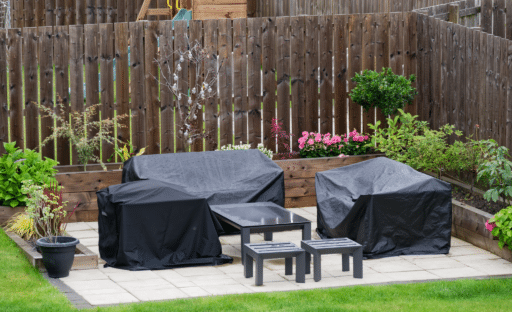
Not all coverings offer the same level of protection. Selecting commercial-grade patio furniture coverings ensures both durability and effectiveness.
High-quality covers should feature:
- Waterproof or water-resistant materials
- Breathable construction to prevent condensation buildup
- UV-resistant coatings
- Reinforced seams for wind resistance
- Secure fastening systems such as straps or drawcords
Breathability is particularly important. Completely airtight covers can trap moisture underneath, creating conditions favorable for mold growth. Properly designed covers balance water protection with airflow, maintaining a stable microenvironment around the furniture.
For hospitality environments, customized covers tailored to specific furniture dimensions are often the most efficient solution. They provide better protection, maintain a clean aesthetic when installed, and simplify daily operations for maintenance teams.
Operational Benefits for Hospitality and Commercial Spaces
For hotels, restaurants, and resorts, covering outdoor furniture is not only about preservation but also operational efficiency. Regular use of protective covers reduces cleaning time, minimizes repair costs, and ensures outdoor areas are always guest-ready.
Covered furniture requires significantly less pressure washing and chemical cleaning, helping organizations maintain sustainability goals by reducing water and chemical usage. In high-traffic hospitality settings, consistent appearance across outdoor seating areas reinforces brand standards and contributes to overall guest satisfaction.
From a financial perspective, extending furniture lifespan by even one or two years can produce measurable cost savings across large-scale installations. Commercial buyers often evaluate furnishings based on lifecycle cost rather than purchase price alone, and protective coverings play a key role in maximizing long-term return on investment.
Practical Tips: How to Care for Outdoor Furniture Effectively
Understanding how to care for outdoor furniture involves more than simply covering it. A structured maintenance routine ensures optimal performance and appearance.
1. Clean regularly: Remove dust, dirt, and organic debris to prevent staining and material breakdown.
2. Dry before covering: Always ensure surfaces are dry to avoid trapping moisture beneath covers.
3. Store cushions when possible: Indoor storage during heavy rain or winter significantly extends fabric durability.
4. Inspect seasonally: Check frames, joints, and finishes for early signs of wear and address issues promptly.
5. Use furniture covers strategically: Cover during storms, overnight, or long periods of inactivity rather than only during winter months.
These steps help maintain both aesthetic quality and structural performance, particularly in commercial hospitality environments where furniture experiences continuous use.
When Covering May Not Be Necessary
Although covering is generally recommended, there are situations where it may not be essential. Furniture used daily in mild climates with limited rainfall may require only periodic covering during storms. Additionally, some properties with fully sheltered patios or covered terraces may not need constant protection. However, even in these cases, occasional covering remains beneficial during seasonal transitions or extreme weather events.
Ultimately, the decision depends on balancing environmental exposure, operational workflow, and the value of the furniture investment. Premium hospitality furnishings, especially those designed for commercial durability, perform best when supported by consistent protective practices.
The Long-Term Value of Protective Practices
The question does outdoor furniture needs to be covered is less about necessity in every moment and more about long-term asset management. Covering furniture during unfavorable weather conditions, seasonal downtime, or overnight periods provides measurable advantages in durability, appearance, and maintenance efficiency.
For hospitality-focused properties, outdoor spaces often serve as signature guest experiences—from poolside lounges to rooftop dining terraces. Maintaining these environments requires furnishings that remain attractive and structurally sound year after year. Protective coverings act as a simple yet highly effective strategy for preserving that standard.
Designed for Performance: Supporting Hospitality Spaces Worldwide
For hospitality, commercial, and resort environments seeking furniture that balances elegance with resilience, thoughtful design and proper care work together to deliver long-term results. High-quality outdoor furnishings crafted for commercial performance already incorporate weather-resistant materials and durable construction; pairing them with appropriate protective practices ensures they perform at their best across every season.
King Make specializes in designing and supplying hospitality-grade outdoor furniture—ranging from dining sets and sofas to sun loungers, umbrellas, and custom commercial installations—engineered for both aesthetic impact and long-term durability. With the right combination of premium craftsmanship, material selection, and seasonal protection strategies, outdoor environments can remain inviting, comfortable, and visually striking throughout the year.

With a Master’s in Architecture from the University of California, Berkeley, Mitchell Green has spent over two decades dedicated to the study and practical application of home fixture design. His career started in an architectural firm, providing him a strong foundation in the structural and aesthetic aspects of home interiors. Mitchell brought his comprehensive knowledge to our platform, where he has been an influential voice in our home fixtures and fittings section. Since 2018, he has been guiding our readers through the intricacies of selecting and installing fixtures, combining technical know-how with design flair. In his spare time, Mitchell is a keen photographer, capturing architectural details and design elements, an interest that complements his professional focus.