

Preparing a home for sale requires structured planning. Buyers evaluate condition, layout, maintenance history, and perceived risk within minutes. Sellers who follow a technical, systematic checklist reduce objections and shorten time on market. This guide outlines the core steps required to position a property competitively.
Conduct a Pre-Listing Inspection
Start with a full property inspection before listing. Hire a licensed inspector to assess roofing, HVAC systems, plumbing lines, electrical panels, foundation integrity, and attic insulation. Early discovery prevents renegotiation during escrow.
Review the report line by line. Address safety hazards immediately. Prioritize roof leaks, outdated wiring, active plumbing leaks, and foundation cracks. These issues affect financing eligibility.
Obtain repair receipts and warranties. Buyers and appraisers request documentation. Organized records signal responsible ownership and reduce perceived risk.
Set a Pricing Strategy Based on Data
Pricing determines visibility. Overpricing reduces showing volume. Underpricing may trigger appraisal gaps.
Analyze recent comparable sales within a one-mile radius. Adjust for square footage, lot size, condition, and upgrades.
Study days-on-market trends. Rapid sales may justify competitive pricing strategies. Slower markets require sharper positioning.
Consider appraisal constraints. Lenders rely on closed sales data, not listing optimism.
For homeowners prioritizing speed over market exposure, working with cash home buyers may provide an alternative. Cash transactions often reduce inspection contingencies and financing delays. Evaluate offers against net proceeds from a traditional listing before deciding.
Complete Strategic Repairs and Updates
Not all upgrades produce equal returns. Focus on improvements that remove functional objections.
Repair drywall cracks and nail pops. Replace damaged trim. Re-caulk tubs and sinks. Fix sticking doors and loose hardware. Ensure windows open and lock properly.
Service HVAC equipment. Replace filters. Clean condenser coils. Provide maintenance documentation.
In kitchens and bathrooms, prioritize cosmetic clarity. Refinish cabinets if structurally sound. Replace outdated hardware. Install modern light fixtures with neutral finishes.
Avoid over-improving relative to neighborhood value. Analyze comparable sales to guide spending. The goal is market alignment, not personalization.
Deep Clean to Inspection Standards
Surface cleaning is insufficient. Buyers inspect corners, baseboards, vents, and grout lines.
Steam-clean carpets or replace heavily worn sections. Pressure-wash siding and driveways. Clean gutters and downspouts. Remove moss from roofing where visible.
Inside, degrease kitchen surfaces. Clean appliance interiors. Polish stainless steel. Remove mineral deposits from faucets and showerheads.
Odor control is critical. Eliminate pet odors at the source. Replace HVAC filters. Use ozone treatment if necessary. Buyers equate odors with hidden defects.
Declutter and Depersonalize
Buyers must visualize themselves in the space. Remove excess furniture to increase perceived square footage.
Clear countertops. Organize closets to display available storage. Remove personal photographs and niche décor.
Rent temporary storage if necessary. Crowded rooms photograph poorly and feel smaller during showings.
Depersonalization reduces distraction. It shifts focus to architectural features and layout flow.
Optimize Lighting and Electrical Presentation
Lighting affects perceived value. Replace all bulbs with consistent color temperature, ideally 3000K to 4000K for neutral warmth.
Upgrade outdated fixtures where cost-effective. Ensure all switches function properly. Replace cracked outlet covers.
Maximize natural light. Remove heavy window treatments. Clean window glass inside and out.
Well-lit spaces appear larger, cleaner, and more modern.
Improve Curb Appeal with Measurable Impact
First impressions form before buyers enter the home.
Trim overgrown landscaping. Remove dead plants. Edge lawns cleanly. Apply fresh mulch for visual contrast.
Repaint or refinish the front door. Replace worn hardware. Install updated house numbers with modern typography.
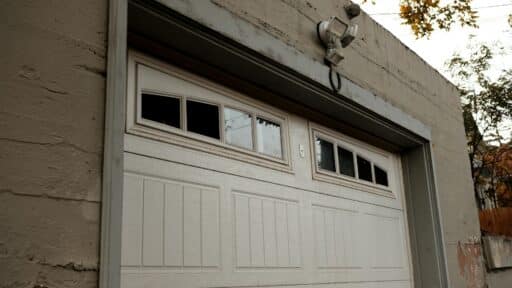
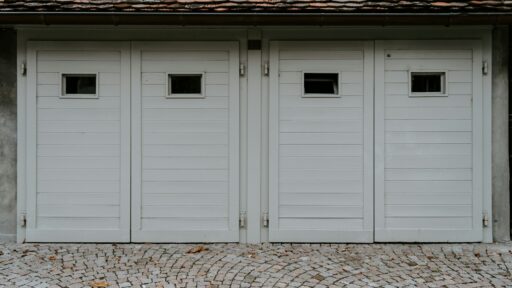
Inspect walkways for cracks or trip hazards. Pressure-wash concrete surfaces. Clean garage doors.
Curb appeal influences showing requests. Online listing photos capture exterior details first.
Stage with Market Data in Mind
Staging is not decoration. It is strategic positioning.
Study buyer demographics for your area. Family-oriented neighborhoods benefit from functional dining setups and defined living spaces. Urban condos should highlight workspace potential.
Arrange furniture to emphasize traffic flow. Avoid blocking windows. Define each room’s purpose clearly.
Neutral color palettes widen appeal. Remove bold accent walls if necessary.
Professional staging can increase perceived value. If staging is not feasible, consult with a listing agent for layout adjustments.
Prepare Professional Marketing Assets
Marketing quality directly impacts perceived value.
Hire a professional real estate photographer. Use wide-angle lenses responsibly to avoid distortion. Capture balanced exposures.
Include twilight shots for premium listings. Drone photography highlights lot size and neighborhood context where permitted.
Install visible, durable real estate signs to capture local traffic attention. Signage should include contact information clearly and comply with municipal regulations.
Craft listing descriptions with factual precision. Highlight square footage, recent upgrades, energy-efficient systems, and unique architectural features. Avoid exaggerated language.
Digital marketing should include MLS distribution, syndication to major property platforms, and targeted social media campaigns.
Organize Documentation for Buyer Confidence
Transparency accelerates transactions.
Prepare a disclosure packet including inspection reports, repair invoices, utility averages, HOA documents, and survey information if available.
Compile appliance manuals and warranty details. Provide dates for major replacements such as roofing, HVAC units, and water heaters.
Clear documentation reduces buyer hesitation and strengthens negotiation leverage.
Final Pre-Listing Walkthrough
Before activating the listing, conduct a structured walkthrough.
Turn on every light. Open blinds. Check for visible defects. Verify temperature settings for comfort during showings.
Confirm exterior areas are clean and free of debris. Secure valuables. Remove unnecessary paperwork.
Test smoke and carbon monoxide detectors. Replace batteries if needed.
Treat the home as a product entering the market. Presentation must be controlled and intentional.
Conclusion
Getting a home market-ready requires disciplined preparation. Inspection, targeted repairs, deep cleaning, staging, pricing strategy, and structured marketing all influence buyer perception. Each step reduces friction in negotiations and increases the likelihood of a smooth closing.
Homes that enter the market fully prepared attract stronger offers and spend fewer days listed. Sellers who approach the process methodically protect equity and maintain leverage. Preparation is not optional. It is the foundation of a successful sale.

With a Master in Architectural Studies from University of Pennysylvania, Marwa Haydar has pioneered living spaces since 2005. Her expertise, initially honed in a prestigious architectural firm, is evident in her approach to creating environments. Marwa became part of our team in 2019 and has since been a driving force in our home improvement section, known for her practical yet stylish solutions. She’s been spearheading our design workshops since then, infusing her passion for teaching into her work. In her leisure time, Marwa enjoys exploring historic architecture and is an enthusiastic pottery hobbyist, further enriching her understanding of form and texture.