
A roof does not give in without warning. In most cases, small issues arise long before there is significant structural damage. Homeowners can prevent expensive emergencies by identifying early warning signals for roof repair. Little changes, like leaks or even visible deterioration, frequently signal the emergence of larger problems in the background.
Researching solutions is another common starting point for homeowners who need to know what to watch out for and when to take action. Even more so, in regions where weather patterns along the coast change, it is advisable to be proactive. As an example, most property owners start to consider solutions such as San Francisco roof repair when some warning signs emerge after storms or seasonal exposure to moisture. Being aware of when to fix your roof will save your home and even your house value.
Missing or Damaged Shingles
Missing, broken, or curling shingles are one of the most evident roof damage signs. Shingles are your main defense against the entry of water on your roof. Once they become weak or unglued, the water may enter the layers.
Broken shingles are common following the occurrence of a big wind, excessive sun exposure, or natural aging. Although one shingle that is not there may not be much, it can give the water an opportunity to enter into the weak spots. In the long run, this results in rot, damage to insulation, and interior leaks.
Assessing when to fix roof components to prevent damage from spreading is a good idea if you notice any uneven spots or exposed underlayment.
Water Stains on the Ceiling or Walls
The water stains in your house will hardly show up without a source. Peeling paint, brown rings or bubbling drywall are usually good indicators of moisture intrusion at the top. These are among the most serious roof repair signs due to the implication that there is water that has passed the roof surface.
Leaks can be caused by broken flashing, seals that are worn around the vents, or broken underlayment. Wooden structures can be undermined even by the slightest leakage and favor the development of molds.
Look out for these interior symptoms:
- Corners of the ceiling are discolored.
- Wet or stuffy smell in upper rooms.
- Peeling paint around roofs.
- Sudden increases in indoor humidity
Sagging or Drooping Roof Deck
A drooping roof line is one of the obvious structural warnings that should never be overlooked. The condition normally arises when trapped moisture weakens the decking or supporting beams underneath the roofing material.
Structural sagging is a long-term stress indicator of damage as opposed to surface-level damage. The aging of construction materials, heavy weight from debris, or long-term leaks can all be the cause. You should see a specialist to assess the problem if you notice any dips or uneven lines on the roofs that are visible from the street.
In this stage, it is particularly important to understand when to repair roof problems. Structural issues can hardly stabilize themselves. Emergency response would help avoid greater reconstruction efforts.
Excessive Granule Loss in Gutters
Asphalt shingles are covered with protective granules that protect them against UV exposure and weather damage. When such granules start piling up in the gutter or the downspouts, the protective layer on your roof is undergoing decay.
The loss of granules is a phenomenon that is usually ignored since it occurs over time. It, however, lowers the longevity of shingles and increases their rate of aging. When this protective layer is weakened, shingles become weak and more susceptible to cracking.
When you are cleaning gutters often and find sand-like material, it can be a sign of wear. This problem is found by many homeowners when they carry out seasonal maintenance and start to analyze when to repair roof surfaces before a large-scale deterioration can take place.
Visible Mold, Algae, or Moss Growth
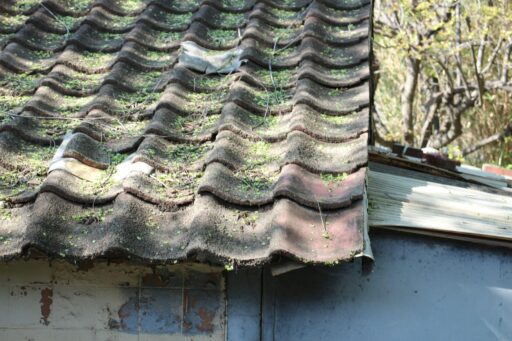
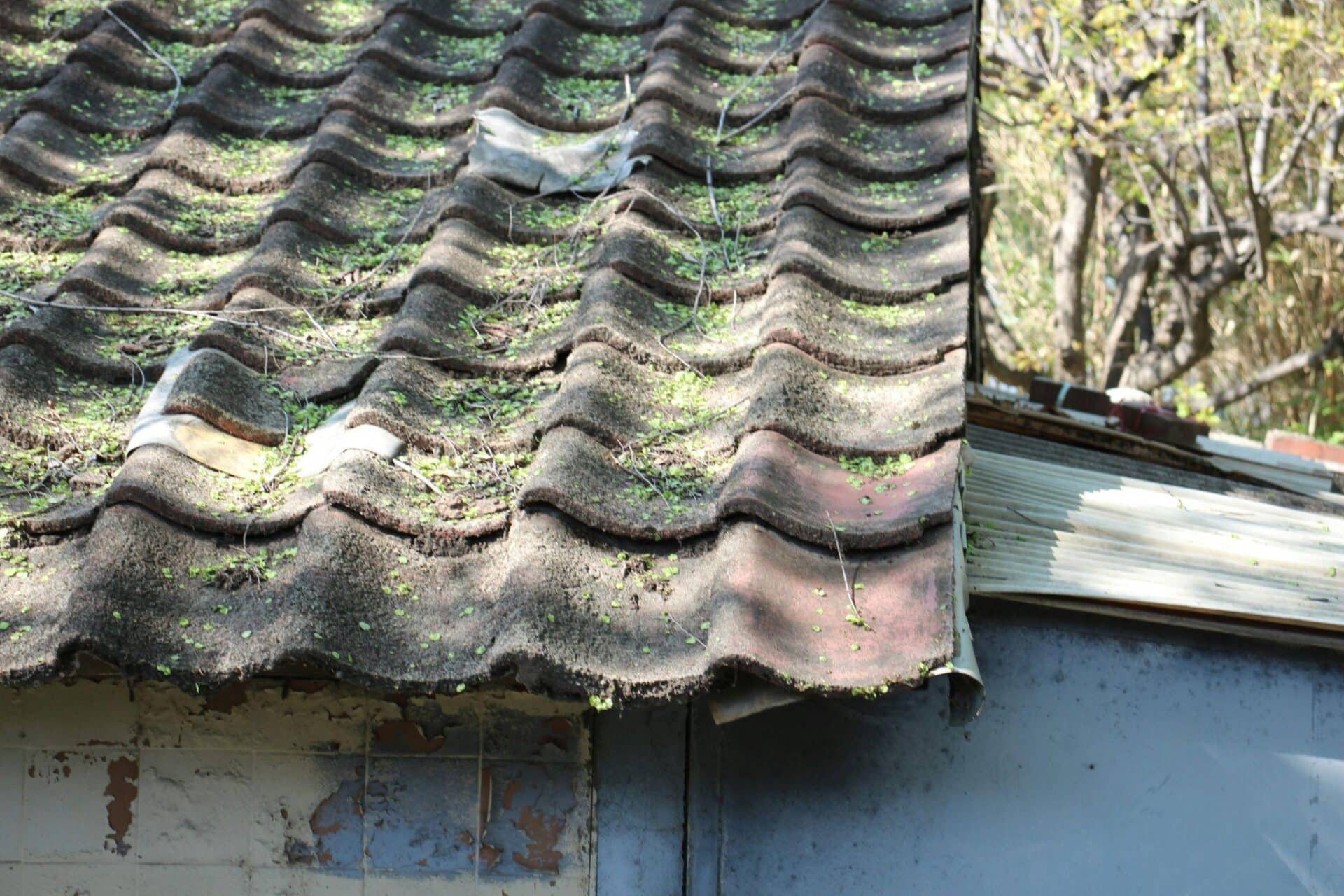
Organic growth on roofing materials is more than a cosmetic issue. Moss retains moisture, algae grows on surfaces, and mold may be a sign that there is some water trapped under the shingles.
Such conditions usually occur in dark or wet places, particularly in coastal climates such as San Francisco. Continued presence of moisture enhances the wear and tear of the materials and can affect the stability in the long run.
In assessing growth on your roof, you should take into consideration the following factors:
- Dark streaks are spreading across the shingles
- Masses of moss around roof edges
- Persistent moisture following dry weather.
- Increased symptoms of indoor allergy.
These are warning signs that there are underlying structural issues and not just surface discoloration.
In conclusion

Have you ever observed any of these warning signs at home? Share your thoughts or questions with us! Your insight may help another homeowner recognize problems early and take the right next step.

With a Master in Architectural Studies from University of Pennysylvania, Marwa Haydar has pioneered living spaces since 2005. Her expertise, initially honed in a prestigious architectural firm, is evident in her approach to creating environments. Marwa became part of our team in 2019 and has since been a driving force in our home improvement section, known for her practical yet stylish solutions. She’s been spearheading our design workshops since then, infusing her passion for teaching into her work. In her leisure time, Marwa enjoys exploring historic architecture and is an enthusiastic pottery hobbyist, further enriching her understanding of form and texture.