
The Shift Toward Natural, High-Performance Exteriors
Over the last decade, exterior design has moved decisively toward natural materials. Clean lines, warm textures, and subtle tonal variation now dominate both urban and suburban architecture. Yet as homeowners pursue authenticity and minimalism, expectations around durability and longevity have grown just as quickly.
Timber, once seen as high-maintenance or suitable only for cabins and cottages, has evolved. Today’s performance-enhanced wood systems offer a balance between natural beauty and structural reliability that was difficult to achieve in the past.
Two approaches in particular are driving this transformation:
- Thermal modification
- Surface carbonization
Together, they allow wood to perform in demanding climates while retaining its organic character.
What Makes Thermally Modified Wood Different?
Traditional wood expands and contracts as it absorbs and releases moisture. In climates with seasonal humidity swings, that movement can lead to cupping, warping, or surface checking.
Thermal modification addresses this at a structural level.
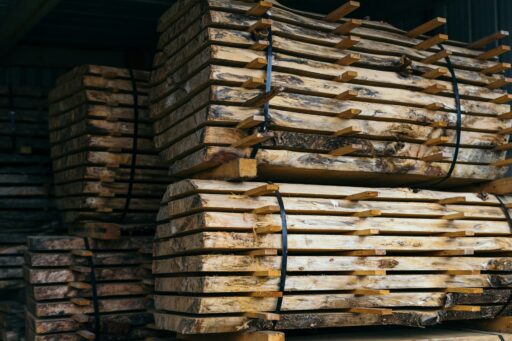
By heating timber to high temperatures in a controlled environment, the cellular composition of the wood changes. The process reduces the material’s ability to absorb moisture — often by as much as 40–50% compared to untreated softwood. The result is greater dimensional stability and improved resistance to decay.
A closer look at thermally modified wood cladding shows how this process enhances long-term exterior performance without relying on chemical preservatives.
From a design perspective, thermally modified timber maintains crisp board alignment, cleaner shadow lines, and consistent spacing over time. That stability is particularly important in modern façades where precision detailing defines the aesthetic.
It also weathers more evenly. Rather than dramatic distortion, the material ages with a controlled softness that many homeowners prefer.
The Appeal of Deep, Charred Finishes
If thermal modification improves structural stability, carbonization transforms visual impact.
Charred wood — widely recognized through Japanese-inspired techniques — involves controlled burning of the outer timber surface to create a dark, textured finish. The result is dramatic yet understated: a matte black or deep charcoal tone that absorbs light and highlights architectural form.
Beyond aesthetics, the char layer serves a functional role. It increases surface durability, improves UV resistance, and slows moisture penetration at the outer layer.
Designers are increasingly drawn to Shou Sugi Ban exterior cladding for its ability to anchor contemporary homes visually while retaining natural warmth beneath the surface.
Charred finishes work particularly well in:
- Minimalist modern homes
- Mixed-material façades
- Garden studios and accessory dwellings
- Urban infill projects
- Coastal or exposed environments
The texture provides depth without excessive ornamentation — something increasingly valued in today’s restrained architectural language.
Balancing Beauty and Performance
Exterior materials must do more than look good on installation day. They must withstand:
- Wind-driven rain
- UV exposure
- Freeze-thaw cycles
- Humidity variation
- Airborne pollutants
Performance timber systems address these realities through engineering rather than surface coatings alone.
Thermally modified wood reduces internal stress caused by moisture cycling. Charred surfaces create a hardened outer layer that resists environmental wear. When combined with proper installation — typically within a ventilated rainscreen system — these materials dry efficiently and maintain structural integrity.
A ventilated cavity behind the cladding allows airflow to carry away trapped moisture. This prevents prolonged damp conditions and extends the service life of the façade.
Homeowners often underestimate the importance of this hidden layer. Yet it is precisely this integration between material and installation strategy that defines long-term success.
Sustainability Without Compromise
One reason timber continues to gain traction in exterior design is its environmental profile.
Wood stores carbon during growth and generally carries lower embodied energy than many manufactured façade systems. When performance improvements are achieved through heat rather than chemical treatment, the sustainability narrative strengthens further.
Carbonized finishes rely on transformation rather than synthetic coatings. Thermal modification alters the material internally without introducing preservative chemicals.
For environmentally conscious homeowners, this balance between performance and ecological responsibility matters. It allows natural materials to remain central to modern design without sacrificing durability.
How Performance Timber Ages
A common question surrounding exterior wood is how it changes over time.
Untreated timber can weather unevenly, sometimes leading to patchy discoloration or movement-related gaps. Performance-enhanced wood behaves differently.
Thermally modified boards tend to maintain alignment and weather more uniformly. If left untreated, they may gradually shift toward a silvery tone. If sealed, they retain richer hues longer.
Charred surfaces weather in a more subtle way. The outer carbonized layer remains visually stable, and natural variation enhances character rather than detracting from it.
The key is realistic expectation: performance timber does not eliminate aging — it refines it.
Where Performance Timber Works Best
While traditional wood siding may suit rustic homes, enhanced timber systems are increasingly seen in:
- Contemporary suburban builds
- High-end remodels
- Urban courtyard houses
- Outdoor living spaces
- Detached studios and guest houses
The combination of stability and design flexibility makes performance timber adaptable across architectural styles.
It pairs well with:
- Exposed steel
- Concrete
- Large-format glazing
- Standing seam roofing
- Natural stone
This versatility allows designers to create contrast while maintaining cohesion.
Key Considerations Before Specifying
Before committing to performance timber, homeowners and designers should consider:
- Climate exposure levels
- Desired maintenance interval
- Installation method (ventilated vs direct fix)
- Finish expectations (natural weathering vs sealed)
- Long-term aesthetic goals
When properly detailed and maintained, performance-enhanced wood can exceed 25 years of service life in above-ground applications.
The critical factor is not just the material itself, but how it is integrated into the broader envelope strategy.
Why the Shift Matters
The resurgence of timber in modern architecture reflects more than a design trend. It signals a deeper appreciation for materials that combine authenticity with engineering.
Performance-enhanced wood allows architects and homeowners to embrace natural texture without inheriting the instability historically associated with untreated lumber.
Thermal modification improves structural predictability. Carbonization adds visual and surface durability. Together, they redefine what exterior timber can achieve.
Rather than choosing between beauty and resilience, today’s designers can specify both.
Frequently Asked Questions
Is thermally modified wood treated with chemicals?
No. The process relies on heat and steam to alter the timber’s structure rather than applying chemical preservatives.
Does charred wood require frequent maintenance?
Charred finishes are naturally durable, though periodic inspection and optional sealing can extend appearance longevity.
How long can performance timber last outdoors?
When installed correctly within a ventilated system and maintained appropriately, service life commonly exceeds 25 years.
Is it suitable for humid climates?
Yes. Reduced moisture absorption improves stability compared to untreated wood.
Performance timber represents a thoughtful evolution rather than a passing trend. By refining how wood responds to moisture, light, and time, modern enhancement techniques allow natural materials to perform confidently within contemporary exterior design.

With a Master in Architectural Studies from University of Pennysylvania, Marwa Haydar has pioneered living spaces since 2005. Her expertise, initially honed in a prestigious architectural firm, is evident in her approach to creating environments. Marwa became part of our team in 2019 and has since been a driving force in our home improvement section, known for her practical yet stylish solutions. She’s been spearheading our design workshops since then, infusing her passion for teaching into her work. In her leisure time, Marwa enjoys exploring historic architecture and is an enthusiastic pottery hobbyist, further enriching her understanding of form and texture.