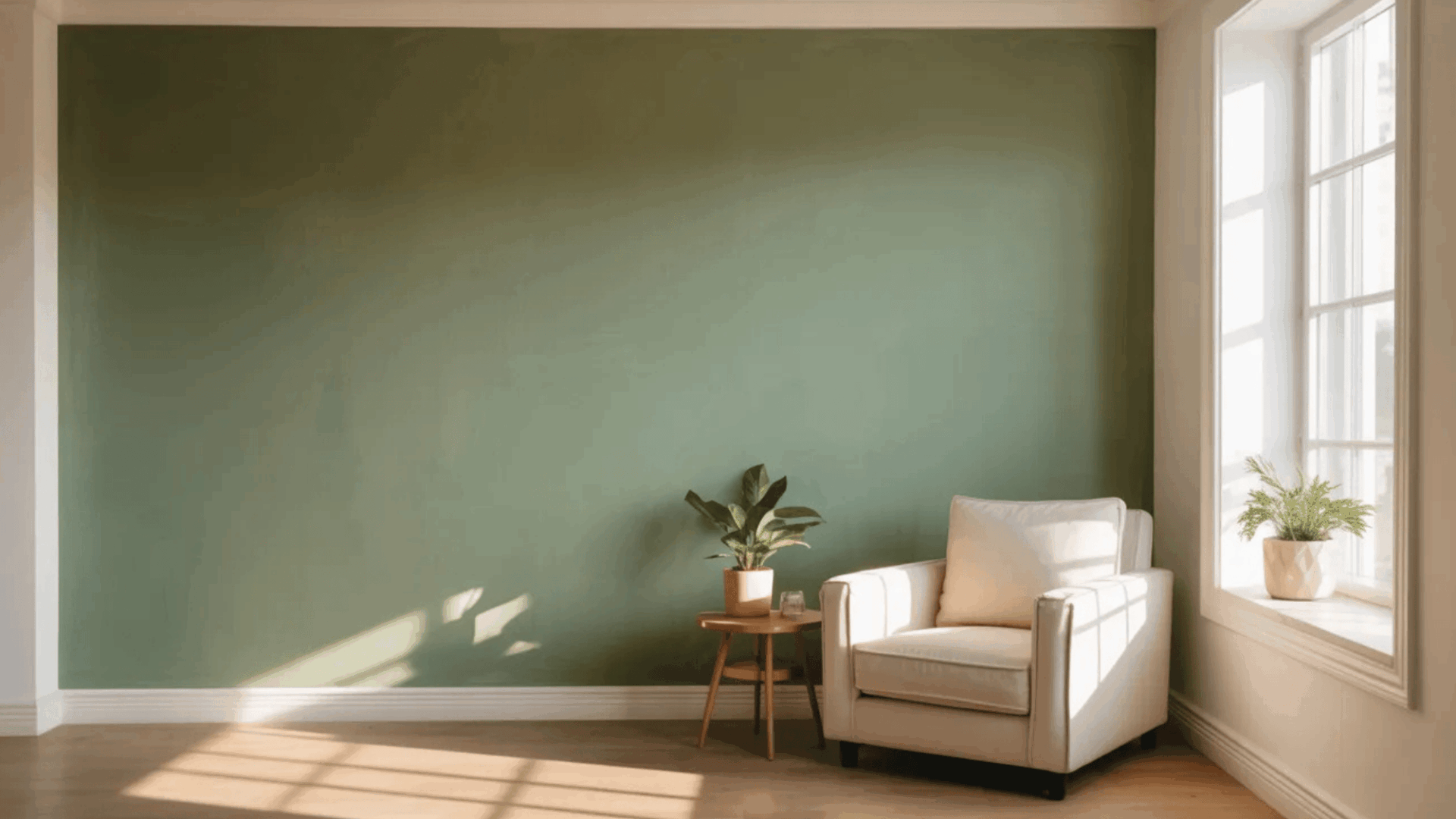

When it comes to picking the perfect paint finish for your next project, the satin finish might be exactly what you need.
If you’re painting walls, trim, or furniture, a satin finish provides durability and easy maintenance. But how does it compare to other finishes like matte or gloss?
This blog will break down the differences, benefits, and when to choose satin over the others. Let’s help you make the right call for your home!
What is Satin Finish?
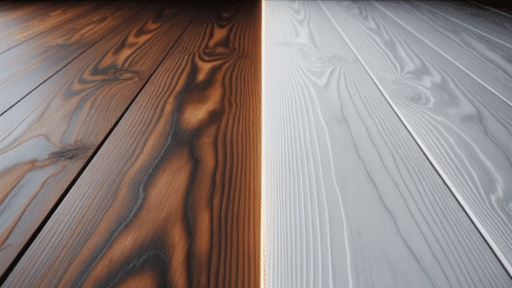
A satin finish is a type of paint that provides a smooth, soft sheen. It sits right in the middle between matte (no sheen) and gloss (high shine).
Satin has just enough shine to reflect light without being too glossy, giving your surfaces a subtle look.
Satin finish is perfect for areas where you need durability and easy cleaning, but you don’t want the high shine of gloss.
Why Choose Satin Finish?
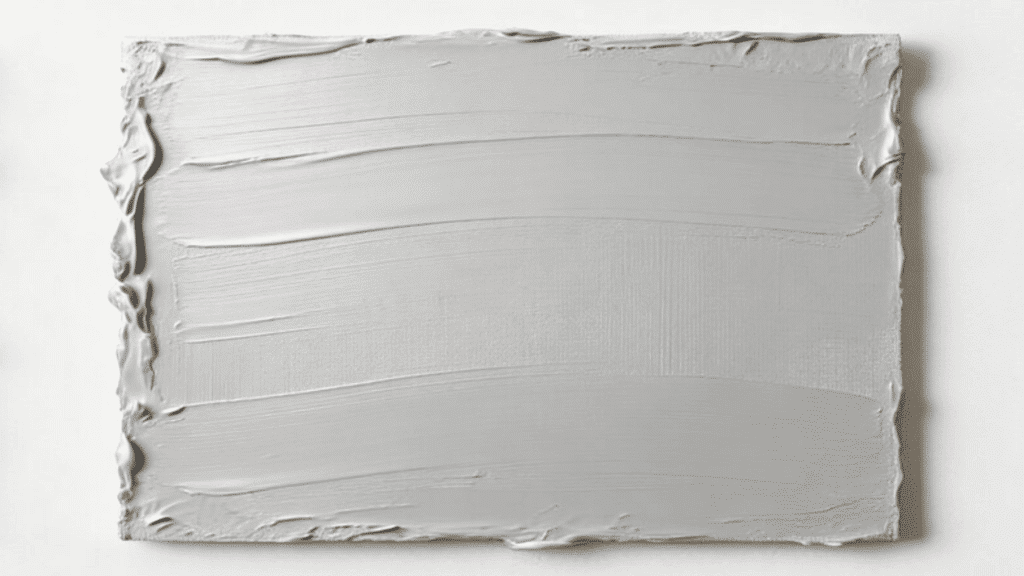
Pros
Satin finish strikes a perfect balance between matte and gloss. While it offers numerous benefits, it’s important to consider both the advantages and drawbacks before choosing it for your project.
- Ideal for high-traffic areas like kitchens, bathrooms, and hallways.
- Easy to maintain and clean, making it a practical choice for busy spaces.
- More moisture-resistant than matte or eggshell finishes.
- Works well on walls, trim, and even cabinets for a consistent look.
- Adds a subtle depth to colors, making them appear slightly richer.
- Holds up better to light scrubbing compared to flatter finishes.
Cons
- It can highlight imperfections on walls or surfaces, especially if not applied smoothly.
- Might not be ideal for those who prefer a completely matte, flat finish.
- Touch-ups can sometimes look patchy if the paint isn’t blended carefully.
- Requires proper surface prep, since flaws may become more noticeable under light.
- Not as tough as semi-gloss or gloss for extremely damp or heavy-use areas.
Types of Satin Finish
When you’re picking a satin finish paint, it helps to know that there are a few variations based on base and use:
| Satin Paint Type | Drying & Cleanup | Durability & Performance | Best Uses |
|---|---|---|---|
| Water‑Based Satin | Fast drying, cleans up with soap and water | Doesn’t yellow over time, good long‑term look | Walls, trim, furniture in high‑traffic interiors |
| Oil‑Based Satin | Slower drying, requires mineral spirits to clean | Very durable, smoother finish on wood | Doors, cabinets, metal trim |
| Interior Satin | Designed for indoor use | Balanced sheen and scrubbability for everyday life | Hallways, kitchens, bathrooms, and main living areas |
| Exterior Satin | Formulated to withstand weather | Weather‑resistant while maintaining a soft sheen | Exterior wood, trim, and architectural details |
Best Brands for Satin Finish
Here are trusted brands known for quality satin-finish paint you might consider.
1. Glidden Premium
Product Pick: 1 gal. Pure White Base 1 Satin Interior Paint
Glidden Premium is a Zero VOC, Low Odor paint with primer that features good hide and coverage, a scrubbable and washable coating, and a thick, easy to apply formula-all backed by a Lifetime Guarantee.
Glidden Premium provides a mildew-resistant coating that can be tinted into more than 1,100 Glidden colors and is formulated for lasting results, often for less than other leading brands.
2. Benjamin Moore
Product Pick: Advance Interior Paint – Satin Quart Icicle OC-60
This premium waterborne alkyd offers the flow and leveling of traditional alkyds, delivering a durable, smooth satin finish similar to hand-rubbed lacquer.
It provides exceptional application, outstanding coverage, and a hard, furniture-quality finish. Available in over 3,500 colors, it has low VOC even after tinting.
3. HGTV HOME by Sherwin-Williams
Product Pick:Satin Ultra Deep
This 100% acrylic paint with urethane enamel provides oil-based performance and easy soap-and-water cleanup.
Its smooth, brush-mark-free formula delivers a factory-like finish, resists scuffs, stains, and scratches, and is non-yellowing. The mold- and mildew-resistant finish ensures lasting cleanliness and durability.
4. Annie Sloan
Product Pick:Satin Paint Old White
This is the paint you need for interior wood and metal. This hard-wearing, soft-sheen Satin Paint differs from Annie Sloan Chalk Paint in that no Wax or Lacquer is needed to protect and finish after painting.
Annie Sloan Satin Paint in Old White is a classical, versatile, slightly cool-toned white. It works with every color and is a fail-safe choice with any other shade.
Commonly Used Areas for Satin Finish
Satin finish is widely used in various spaces where durability and a soft sheen are required. This is how it works in different rooms:
1. Kitchens
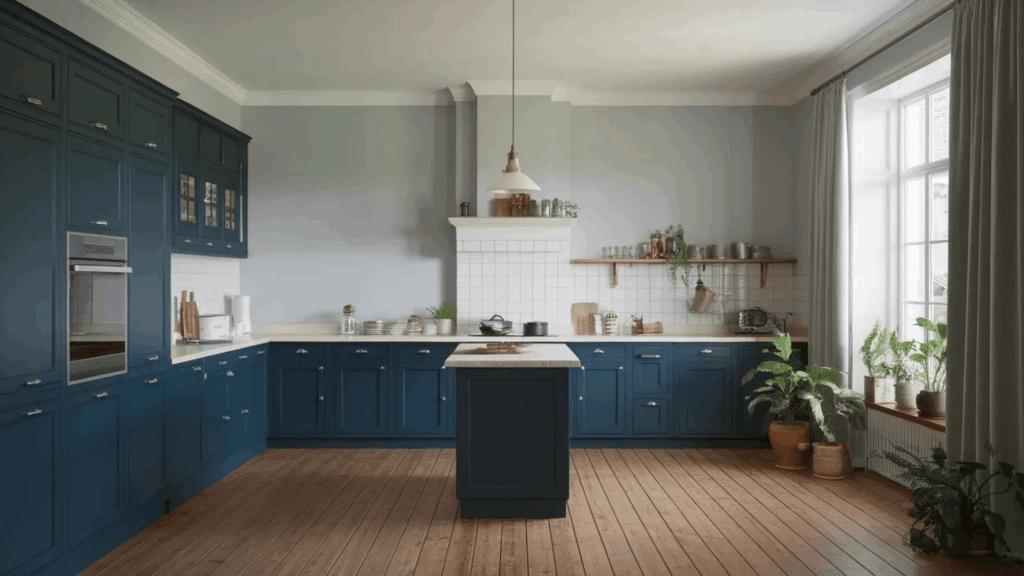
Satin finish is perfect for kitchens, especially in areas prone to grease, spills, and frequent cleaning. The subtle sheen provides practicality.
On backsplashes, cabinets, or trim, satin paint resists stains and moisture, making it easy to wipe down after meal prep or cooking. It also complements a wide range of kitchen styles, from modern to farmhouse, without being too shiny or overwhelming.
2. Hallways
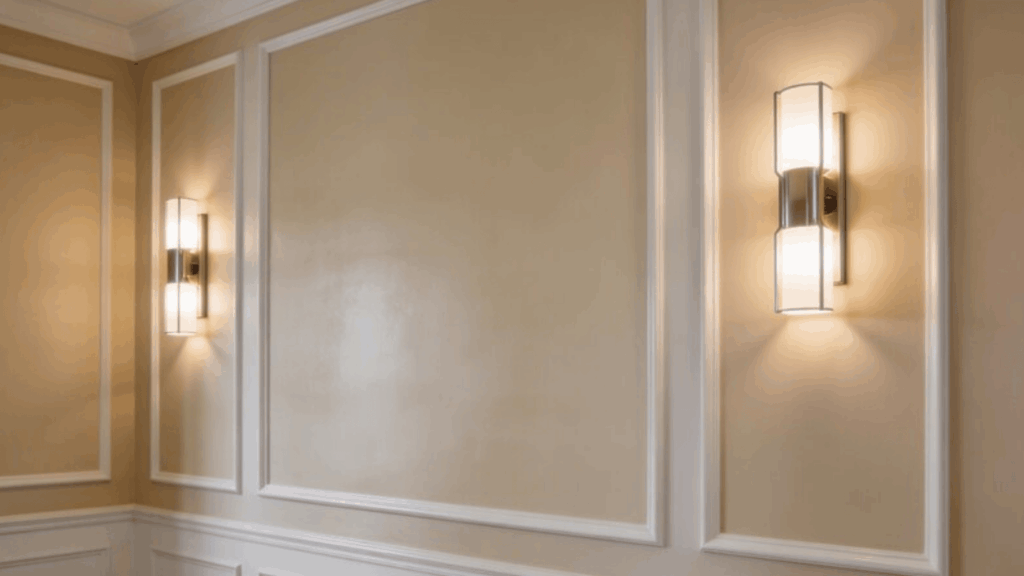
High-traffic areas like hallways benefit greatly from satin’s durability. Satin finish resists scuff marks and dirt, making it easier to maintain in spaces with constant foot traffic.
It adds just the right amount of sheen to create a welcoming atmosphere without being too reflective, which is important in areas that may not get much natural light.
Plus, it’s easy to clean if you have little hands or shoes brushing against the walls.
3. Living Rooms
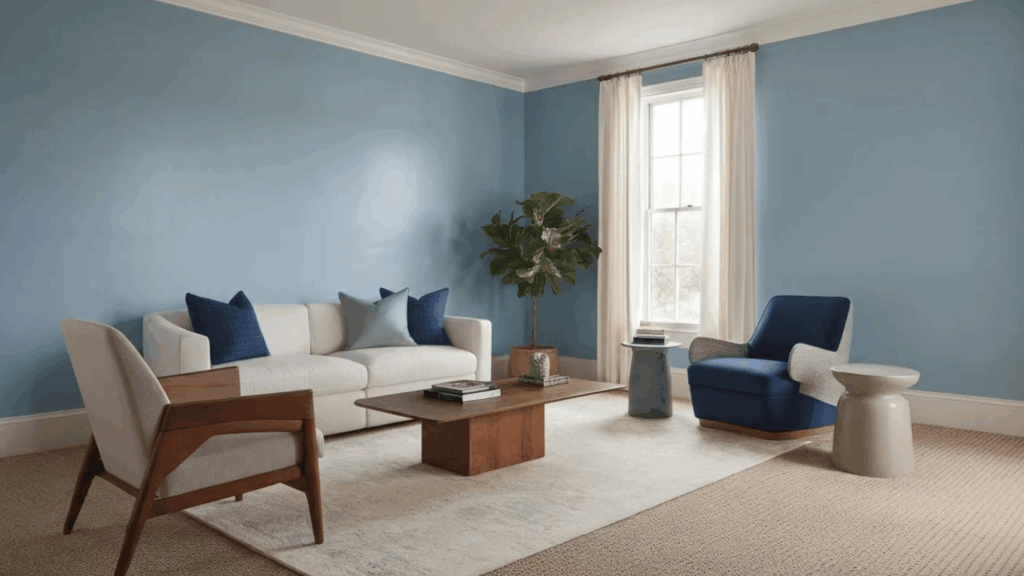
In the living room, a satin finish adds a subtle look that complements most décor styles. Unlike high-gloss finishes, which can be too bold, satin provides a soft glow that’s perfect for creating a calm, inviting space.
It works well on walls, trim, and doors, providing a smooth, polished look that enhances the room’s look without drawing too much attention.
4. Bathrooms
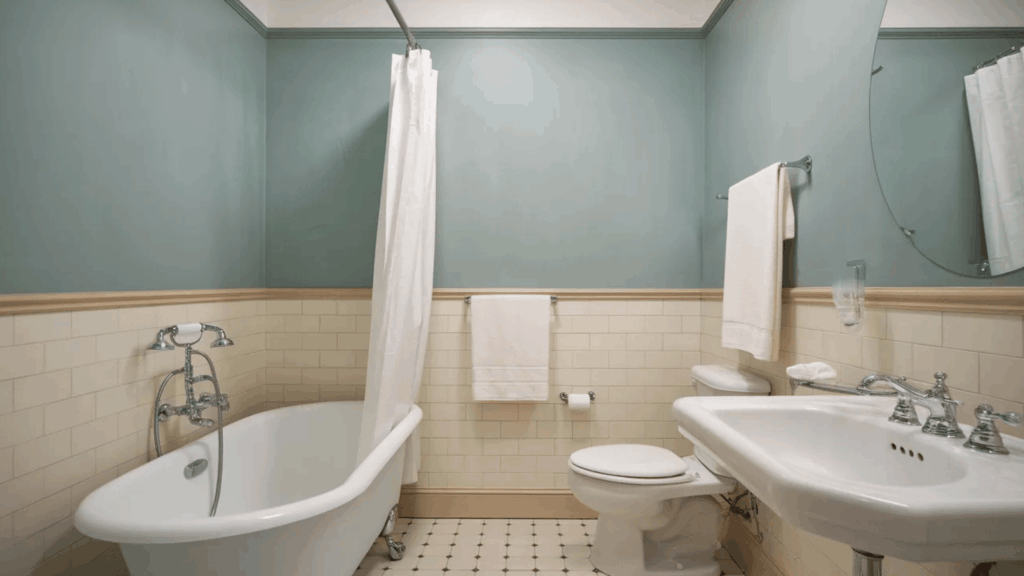
Bathrooms are one of the best spaces for satin finish because of its moisture resistance. It can handle steam and humidity better than matte paints, making it perfect for vanities, trim, and even shower areas (if properly sealed).
Satin finishes in the bathroom offer a sleek, modern look without the harsh reflectivity of gloss. It’s especially great around sinks, mirrors, and countertops where frequent cleaning is a must.
5. Furniture
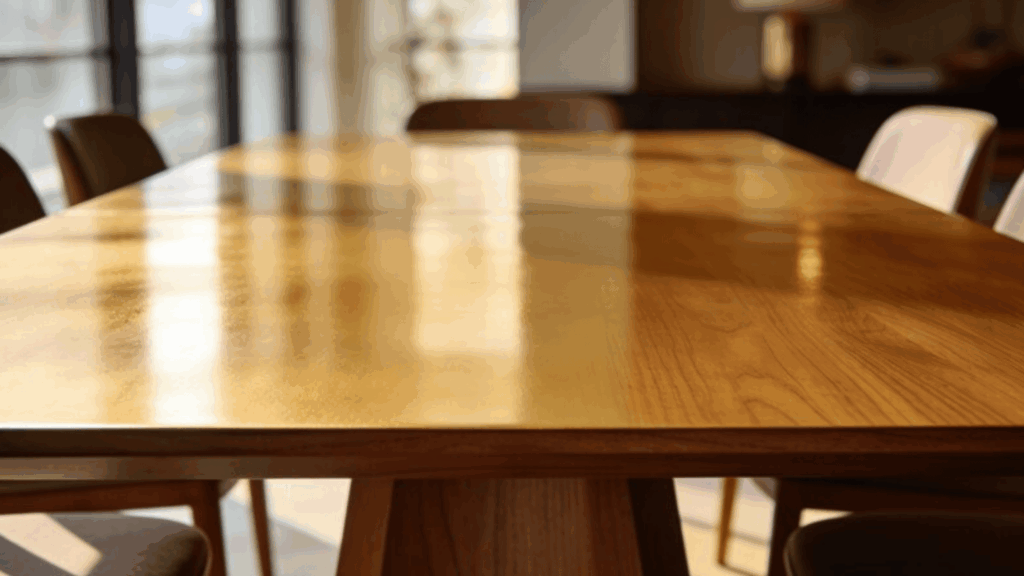
Satin is an excellent choice for furniture like tables, chairs, and cabinets. It adds a nice sheen that increases the natural beauty of the material, whether it’s wood, metal, or mDF, without being too glossy.
It’s durable enough to withstand daily wear and tear, making it suitable for frequently used pieces like side tables or bookshelves. The finish also resists fingerprints, which is great for items that get a lot of handling.
Satin vs. Other Paint Finishes
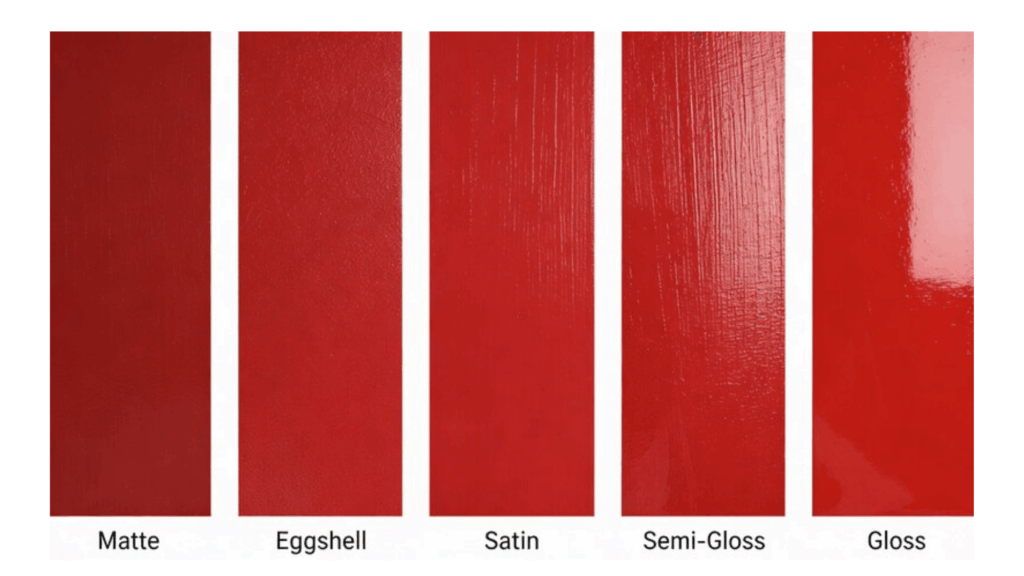
Each finish has its own unique qualities, making it suited for different spaces and purposes. Take a closer look at how satin stands out.
Satin vs. Matte Finish
- Satin has a soft sheen, while matte has a completely flat, non-reflective look.
- Satin is easier to wipe clean, but matte does a better job of hiding dents and uneven patches.
- Matte feels more muted and calm, while satin adds a slight glow to the room.
- Satin holds up better in busy areas compared to matte.
- Matte is often chosen for ceilings, while satin suits walls that see more activity.
Satin vs. Eggshell Finish
- Satin has a bit more shine than eggshell, which has a very subtle glow.
- Satin handles light scrubbing better than eggshell.
- Eggshell feels softer visually, while satin looks slightly richer on the wall.
- Eggshell is common in living rooms, while satin is often used in hallways and kitchens.
Satin vs. Semi-Gloss Finish
- Satin gives a smooth, low-reflectance finish, while semi-gloss appears noticeably shiny.
- Semi-gloss is more moisture-resistant, but satin still works well in most interiors.
- Satin looks more balanced on large wall areas.
- Semi-gloss draws more attention to trim and doors.
- Satin is easier on the eyes in bright lighting compared to semi-gloss.
Satin vs. Gloss Finish
- Satin offers a soft glow, while gloss creates a bold, high-shine effect.
- Satin is more forgiving of imperfect walls than gloss.
- Gloss is typically used for accents and furniture.
- Satin works better for full rooms where you want a subtle finish.
Summary Comparison Table
This table provides a quick overview of how satin finish stacks up against other popular paint finishes. It’ll help you quickly identify which finish is best for your specific needs.
| Finish | Sheen Level | Durability | Best For | Pros | Cons |
|---|---|---|---|---|---|
| Satin | Soft sheen | Durable, easy to clean | Living rooms, kitchens, trim, doors | Rich look, easy to maintain | Can highlight imperfections |
| Matte | No sheen | Less durable | Bedrooms, ceilings, low-traffic areas | Hides imperfections, soft appearance | Harder to clean, not as durable |
| Eggshell | Low sheen | Less durable | Living rooms, dining rooms, bedrooms | Soft look, easier to maintain | Less durable than satin, it can be marked easily |
| Semi-Gloss | High shine | Highly durable | Kitchens, bathrooms, trim, doors | Highly resistant to stains, easy to clean | Shiny, not suited for every room |
| Gloss | Mirror-like shine | Extremely durable | Furniture, trim, kitchens, bathrooms | Durable, easy to clean, reflective | Very shiny, highlights imperfections |
Satin Finish Maintenance: Tips and Tricks
Maintaining a satin finish is simple with the right care. By cleaning gently and addressing any scuffs or chips early, you can keep your painted surfaces looking fresh and polished.
- Cleaning Satin-Painted Surfaces: To clean satin-painted surfaces, use a soft cloth or sponge with warm water and mild soap. Avoid abrasive cleaners that could damage the finish.
- Dealing with Tougher Stains: For tougher stains, gentle all-purpose cleaners work well, but make sure to test in an inconspicuous area first.
- Avoid Harsh Scrubbing: Harsh scrubbing should be avoided as it can dull the sheen or damage the surface.
- Touching Up Scuffs and Chips: When touching up scuffs or chips, clean the area first to remove dirt or grease, then apply the same satin-finish paint with a small brush.
- Allowing Time for Touch-Ups: Allow the touch-up to dry completely before assessing, and apply a second coat if needed for a seamless look.
- Regular Inspections for Imperfections: Inspect your painted surfaces for minor imperfections and touch them up as needed to keep the satin finish looking fresh.
- Applying a Protective Topcoat: Consider applying a protective topcoat in high-traffic areas to improve durability and extend the finish’s longevity.
Conclusion
Satin finish strikes the right balance between durability and visual appeal, making it an ideal choice for many painting projects around the home.
It works well in high-traffic areas like kitchens, hallways, and bathrooms, offering a soft sheen that complements various styles.
Satin is easy to clean, stain-resistant, and perfect for walls, trim, and furniture. With simple maintenance, your satin finish will continue to look fresh and beautiful for years, giving your space the polished look you want.

Millie Anderson, a graduate of Textile Design from the Fashion Institute of Technology, has carved her name in fabric and material finishes for over 16 years. Her career took flight in a renowned textile manufacturing company, where she mastered combining textures and patterns. Millie joined our team in 2018, becoming a cornerstone for readers interested in the latest trends in textiles. Since then, she has been the lead editor for our home decor fabrics section, blending her deep knowledge of materials with a flair for contemporary design. Beyond her professional achievements, Millie is an enthusiastic quilter and often participates in community arts and crafts workshops, further nurturing her passion for fabrics and design.