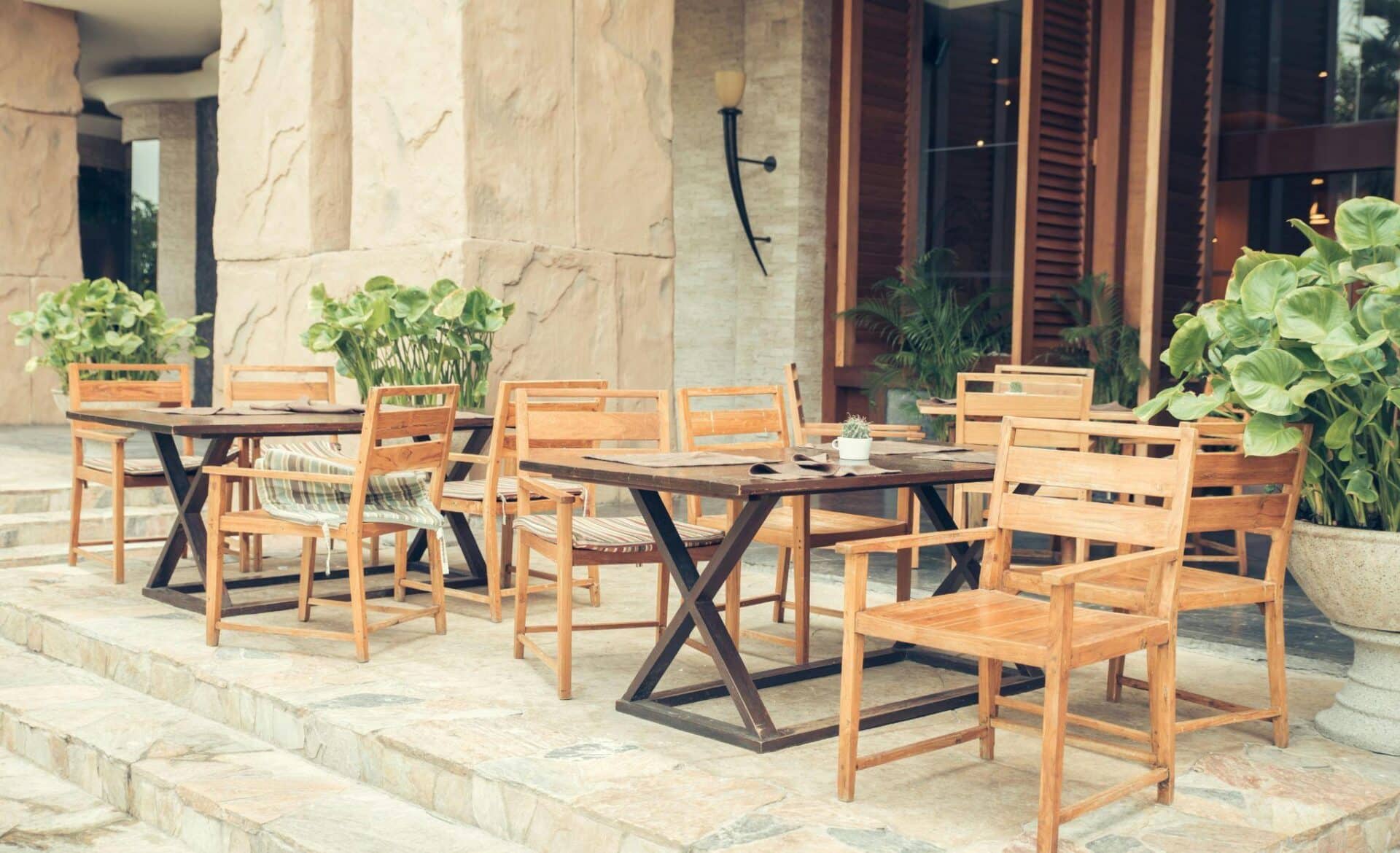

The best instant patio shade ideas for privacy include installing freestanding structures like pergolas and planting layered greenery screens. You can also utilize tall planters with bamboo-alternative grasses or hang outdoor curtains. Strategic furniture placement further helps block sightlines without major construction.
These methods provide immediate seclusion and cooling benefits. By focusing on vertical elements and strategic zoning, homeowners can transform exposed backyards. You can create a comfortable, private retreat within a single weekend.
Feel like your neighbors are in your patio conversations? Don’t worry, you don’t need a massive remodel to create a secluded backyard retreat. The five privacy hacks below are weekend-friendly and budget-savvy.
From freestanding structures to strategic furniture zoning, each idea helps block prying eyes. Ready to reclaim your outdoor space? Let’s dive in.
Quick Call-Out Box: Sun-Mapping 101
Before touching a single planter or power tool, spend 15 minutes on “sun mapping.”
- Observe the patio at 9 a.m., noon, and 4 p.m. for one week.
- Use your phone’s compass to note where the hottest rays hit and where prevailing winds blow.
- Mark those zones on a sketch of your patio.
Why it matters: Every privacy solution works better when tailored to the sun’s direction. It also ensures durability against the force of the wind.
1. Freestanding Shade Structures
Freestanding shade structures, pergolas, cantilever umbrellas, gazebos, and shade sails deliver instant overhead cover and visual separation. Match your pick to the sun path to block glare during peak hours. Always check wind load specs to ensure durability in your specific climate.
A 10×12-foot pergola often strikes the right balance between coverage and flow in an average suburban yard. For models that withstand the elements, you can find durable shade structures from WillyGoat, especially for communal apartment patios. Neutral fabrics like warm gray or soft taupe blend into most palettes and reduce glare.
Shade cloth with 30-50% density, particularly reflective types or when wetted, can lower air temperatures in shaded areas like greenhouses by 5-15°F (2.8-8.3°C), depending on material, weave, and conditions; absorbing black types typically achieve 3-10°F.
This simple addition can make midsummer afternoons significantly more comfortable. If you choose a cantilever umbrella, position its mast outside the main seating area.
Important: Never ignore wind load ratings when selecting freestanding structures. Ensure your pergola or umbrella allows for air venting and is rated for local gust speeds (often 70+ mph) to prevent dangerous airborne hazards during storms.
2. Layered Greenery Screens
Plants pull double duty by looking lush while dampening both noise and heat. A layered approach creates depth that a single row of shrubs can’t match. Start with a base layer of Arborvitae or evergreen cherry laurel for year-round green.
Add a mid-layer of climbing jasmine for fragrance or clematis for spring flowers. Top it off with a hardy kiwi vine or star jasmine on a trellis to block second-story windows. This strategy effectively screens your space from higher vantage points.
A windbreak will reduce wind speed for a distance of as much as 30 times the windbreak’s height.
Studies show temperature differences of over 20°C (~36°F) between shaded and unshaded roof surfaces at certain interfaces, while shade typically reduces perceptual heat stress by about 1 point on a 9-point thermal sensation scale outdoors. This is equivalent to a significant increase in insulating value for your home.
3. Tall Planters & Bamboo-Alternative Grasses
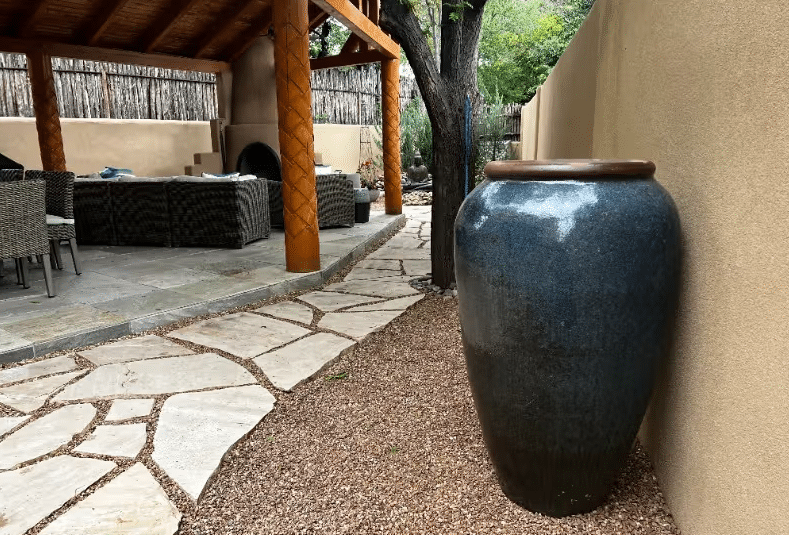
Movable living walls are invaluable for renters or anyone tweaking their patio layout seasonally. Fill tall vessels with grasses that rival bamboo for height, but skip the invasive roots. Feather reed grass and Switchgrass are excellent options for upright habits and airy plumes.
Horsetail reed offers dramatic, jointed stems and thrives in containers. Plant them in large, durable outdoor planters from The Blissful Place to create an instant living privacy wall. Positioning two or three planters at right angles can subtly define dining versus lounging zones.
For a DIY filler hack, stack overturned nursery pots in the bottom third of each planter. This trick saves on soil costs and reduces weight significantly. It makes rearranging your patio layout much easier.
Pro Tip: For maximum versatility, place large planters on heavy-duty casters before filling them. This allows you to effortlessly reconfigure your “living wall” to chase the changing sun angles or open up the space for large gatherings.
4. Outdoor Curtains & Rigid Panels
When airflow matters as much as privacy, fabric is your friend. Weather-resistant curtains on a stainless-steel tension wire let breezes through while hiding sightlines. For a crisper look, consider composite slat panels attached to pergola beams.
Tension wires allow you to remove curtains for winter in minutes. Ceiling tracks offer a smooth glide for daily opening and closing. Freestanding frames are ideal for renters since they require no holes in existing structures.
Pick curtain colors that echo accents from your indoor décor to create a seamless flow. If you are on a tight budget, painter’s drop cloths can work wonders. Simply spray them with a waterproofing finish to mimic linen at a fraction of the cost.
5. Strategic Furniture Placement
Sometimes the easiest fix is simply moving what you already own. An L-shaped sectional oriented away from the neighbor’s kitchen window can eliminate 70 percent of direct sightlines. Corner benches at 90-degree angles build a sheltered conversation nook.
A bar-height railing table along the patio edge blocks seated eye-level views. Pairing a loveseat with two tall planters behind it forms a green “headboard.” This turns the sofa into a focal wall and increases seclusion.
Sketch your layout on graph paper first, noting prevailing wind and sunset angles. Small tweaks often free up circulation paths you didn’t realize were blocked. This planning step saves time and effort during the actual move.
Key Insight: Privacy isn’t always about building walls; it’s about breaking sightlines. By mapping your neighbor’s specific viewing angle and placing a single high-backed piece of furniture strictly in that path, you achieve seclusion without closing in your space.
Optional Resource Snippet
- USDA Plant Hardiness Map (find climate-perfect greenery)
- Step-by-step pergola install video (for visual learners)
- Shade-fabric UV chart PDF (compare 30 %, 50 %, and 70 % weaves)
Your Next Steps
Backyard privacy isn’t reserved for massive renovations. Start with a quick sun-mapping session, then pick one hack to tackle this weekend. Maybe it’s installing a freestanding pergola or arranging a trio of tall planters.
Snap before-and-after photos and share them to track your progress. When you’re ready to graduate from quick fixes, explore pro-grade gear to enhance your personal retreat. Happy building, and enjoy the newfound peace on your patio!
Small-Space Bonus Tips
- Cold-weather comfort: Keep a pair of rechargeable heated gloves handy so you can extend patio season well into late fall.
- Errands on the fly: A nimble moped scooter makes grabbing extra potting soil or lumber from the local garden center an easy trip.
These sidekicks aren’t essential to privacy, but they do make outdoor living a lot more convenient year-round. Simple additions can significantly upgrade your overall experience.

With a Master in Architectural Studies from University of Pennysylvania, Marwa Haydar has pioneered living spaces since 2005. Her expertise, initially honed in a prestigious architectural firm, is evident in her approach to creating environments. Marwa became part of our team in 2019 and has since been a driving force in our home improvement section, known for her practical yet stylish solutions. She’s been spearheading our design workshops since then, infusing her passion for teaching into her work. In her leisure time, Marwa enjoys exploring historic architecture and is an enthusiastic pottery hobbyist, further enriching her understanding of form and texture.