
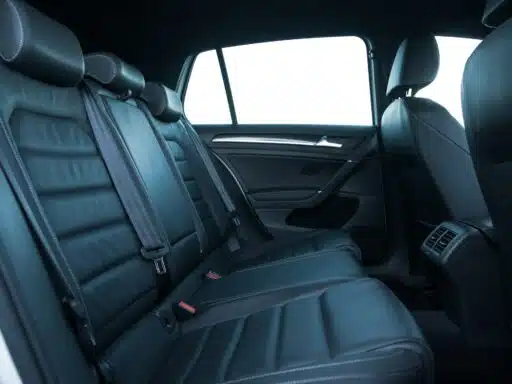
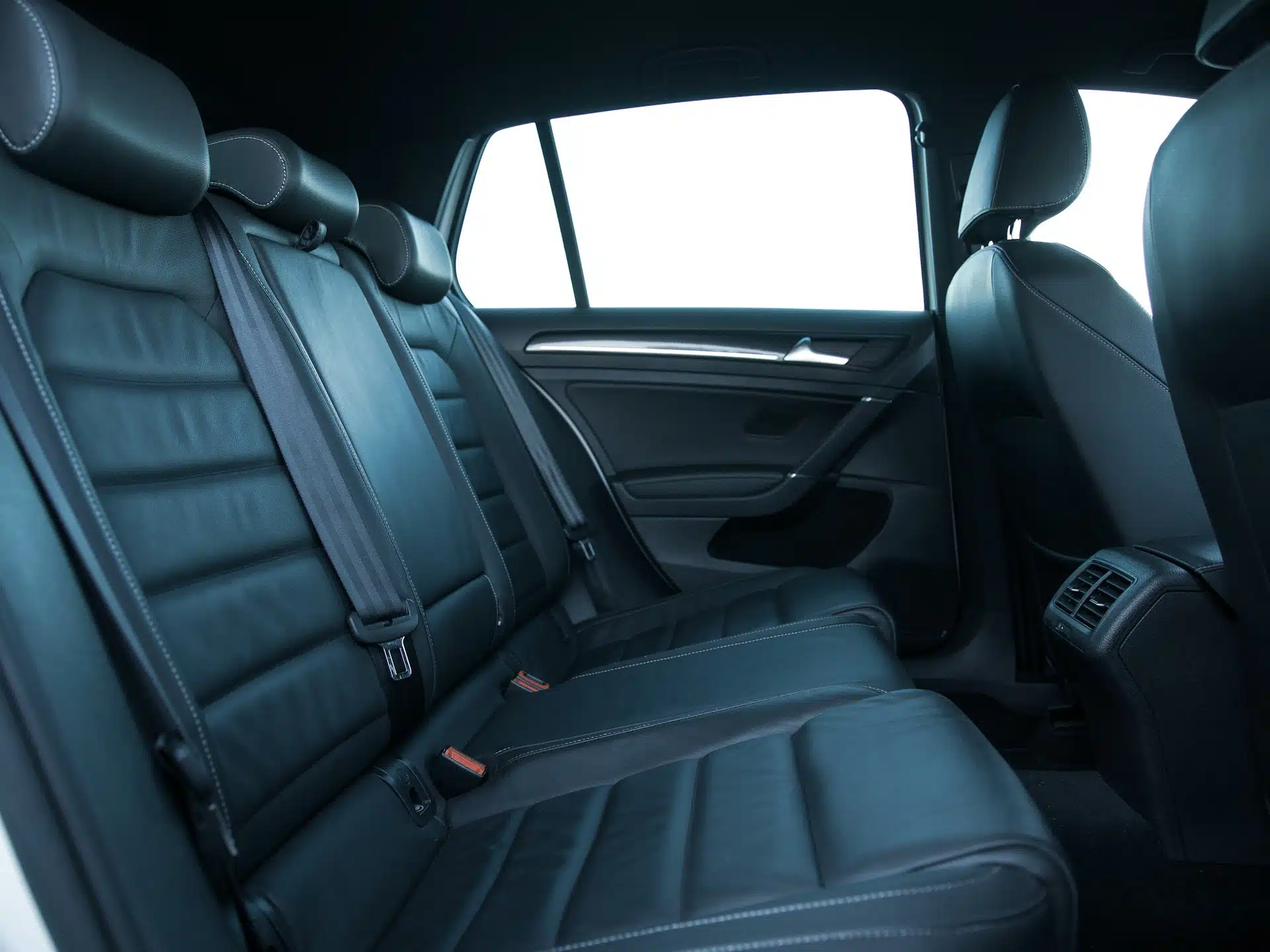
You get into your car after a long day, and the smell of the leather envelops you. Then your hand makes contact with the area. The area around the driver’s seat bolster. A small, dark pit with a charred border looks back at you. A cigarette ash, a hair accessory, or simply a lack of attention has caused the damage.
It’s like a permanent mark on an otherwise flawless interior. The initial reaction is always a sense of panic. Visions of costly full-seat repairs flash through your mind. However, there is a quicker, more intelligent way. Professional leather repair services have made this problem a common solution. They can make these imperfections vanish with methods that border on highly skilled workmanship.
The Instant Assessment and Matching the Grain
A technician does not simply examine a burn. They analyze the leather. Car leather is not a homogeneous material. It has a texture, a grain pattern embossed onto it during production. The key to a quick fix is recognizing the pattern. The repair service employs a heated metal plate to imprint a new grain pattern.
They select the appropriate texture among a variety of tools. They embed it into the filler material that has been applied to the area. This is where attention to detail is crucial. If the grain pattern is incorrect, the repaired area will reflect light in a different way. It will be noticeable as a patch. A skilled technician is so accurate that you cannot pick out the area again, even if you are looking for it.
Color Matching Without the Guesswork
Leather color is never just one color. It has undertones. A brown seat can have undertones of red or yellow. A black seat can be a dark charcoal or have a cool blue undertone. The repair process involves a very detailed color-matching process. The technician matches the colors by hand, applying a small amount of the color to the leather alongside the burn.
They hold it up, examine the lighting, and adjust. This is not a spray-and-pray job. It is a very detailed process of mixing the colors until the wet color blends in with the dry leather. After the color is matched, the actual repair work can begin quickly.
Layering the Foundation in the Burn Hole
Leather is composed of fibers. In a burn, these fibers are destroyed. You can’t just paint a blank canvas. The paint would chip, and this would be unsightly. Filling the gap is the first step in healing a burn. It uses a flexible filler compound.
The flexibility of this filler compound needs to be comparable to that of leather. It will break when the seat is flexed if it is overly rigid. It will sag if it is too soft. Raising the filler compound just a little bit above the surface is the goal. This will make it possible to sand it down to the leather’s precise surface.
The Art of the Smooth Surface
Once the filler is dry and hard, the sanding process begins. This is a very delicate process. The technician will use very fine-grit sandpaper, sometimes as fine as 2000 or 3000 grit. They will sand the area down to level it perfectly with the rest of the leather.
They will use foam blocks to apply even pressure. They will be feeling the surface with their fingertips the entire time. The area has to be smooth to the touch. A ridge or a dip will show later. This process takes a rough burn hole and turns it into a smooth canvas.
Blending Edges So the Repair Disappears
A typical error of low-cost repairs is a hard line. You can see exactly where the new paint begins and where the old leather ends. “Feathering” is a technique used by professional repair services. They go beyond the repaired area with the new color and finish. They blend it outward, softening the transition.
They may use an airbrush to spray thin, translucent coats. Each coat covers a slightly larger area. This produces a color gradient. Your eye cannot detect a line because there is no line. There is only a smooth transition of tone that looks perfectly natural.
Protective Finishes for Daily Wear
If a quick fix doesn’t work the following week, it’s worthless. Adding a protective top coat is the procedure’s final step. This clear coat is applied over the color. It provides friction protection. It shields the repair from the sun’s UV rays, which can fade it.
Additionally, it guards against the dyes in your denim jeans and the oils in your skin. The repaired area has the same strength as the original seat because of this top coat. It ensures that the repair is both functional and aesthetically pleasing.
A cigarette burn on your car seat is an everlasting scar that is disturbing. And you can’t help but notice it every time you get into the car. However, it does not need to be a permanent fixture. Professional leather repair is a quick and efficient way that is not just a cover-up. You won’t have to worry about the next accident if you are aware of a quick and well-made repair method that can keep your car in its original condition.

Liam Bennett holds a degree in Computer Science from the University of Edinburgh and has over 15 years of experience in technology and digital innovation. He began his career in software development, focusing on user-friendly systems and backend architecture. Liam joined our platform in 2025 to lead our Tech section, where he simplifies complex topics—from smart home devices and AI tools to cybersecurity and troubleshooting tips. Known for his clear, practical advice, he helps readers navigate today’s fast-evolving tech landscape. Outside of work, Liam enjoys building custom PCs and contributing to open-source projects.