
For many people, renting a storage unit is a practical solution for managing excess belongings, transitioning between homes, or simply freeing up living space. However, with so many options available, choosing the right storage facility can be overwhelming and fraught with uncertainty.
Knowing what to look for and understanding your own storage needs can make the selection process more straightforward and ensure that your items are kept in a safe, conveniently accessible location.
Finding a reliable storage facility involves careful consideration of factors such as location, security, cost, and customer service. By investing the time to evaluate these elements, potential renters can avoid costly mistakes and inconveniences down the line. Below, we offer advice for new renters on what to look for in a storage facility, how to navigate contracts, and strategies for preserving their belongings.
Assessing Your Storage Needs Before Renting

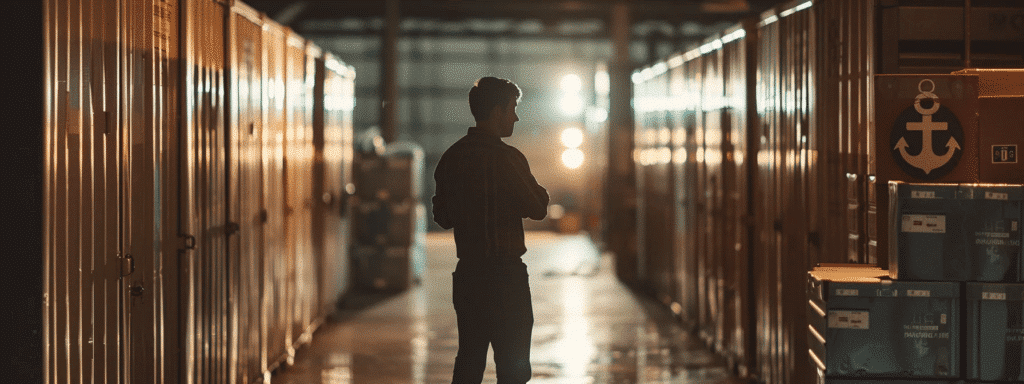
Before renting a storage unit, it’s important to accurately assess the volume and type of items you plan to store. This will determine the size of the unit you require, which has a direct impact on the cost. Some facilities even offer customizable spaces so that you only pay for what you truly need.
Consider whether you need climate control for sensitive items like electronics or antiques, which might be susceptible to damage in extreme temperatures or humidity. A mismatch in storage conditions can lead to irreparable harm to your valuables over time.
Lastly, think about the duration for which you’ll need the unit. Many facilities offer discounts for long-term rentals or flexible month-to-month agreements. Choosing a plan that fits your timeline can save money and reduce the hassle of switching units or facilities.
Key Features to Look for in a Storage Facility
Selecting a storage facility isn’t just about the space; it’s also about the features that ensure your items are stored securely and are easily accessible when needed. Security measures such as CCTV surveillance, gated access, and individualized unit alarms are non-negotiable for protecting against theft and vandalism.
Additionally, the location of the facility can significantly affect convenience. A site that is close to major highways or your residence can make trips to your storage unit less time-consuming. Facilities such as At Clifton Rt. 46 Storage offer easy access, ensuring that your belongings are just a short drive away.
Consider also the facility’s operating hours. If your schedule requires you to access your items outside of standard business hours, look for a provider that offers 24/7 access or extended hours to accommodate your needs.
Navigating Storage Facility Contracts and Insurance Options
Understanding the terms of your storage rental agreement is critical to avoid unexpected fees or legal issues. Read the contract thoroughly and ask questions about any policies on late payments, early termination, or potential rent increases.
Verify what kind of insurance the storage facility offers and what it covers. Not all standard agreements will protect against natural disasters or certain types of damage, so you may want to consider purchasing additional insurance for peace of mind.
Additionally, check if you can use your homeowner’s or renter’s insurance policy to cover your stored items. Some policies extend coverage to possessions kept in a storage unit, potentially saving you money on additional insurance costs.
Strategies for Keeping Your Stored Items Safe and Accessible

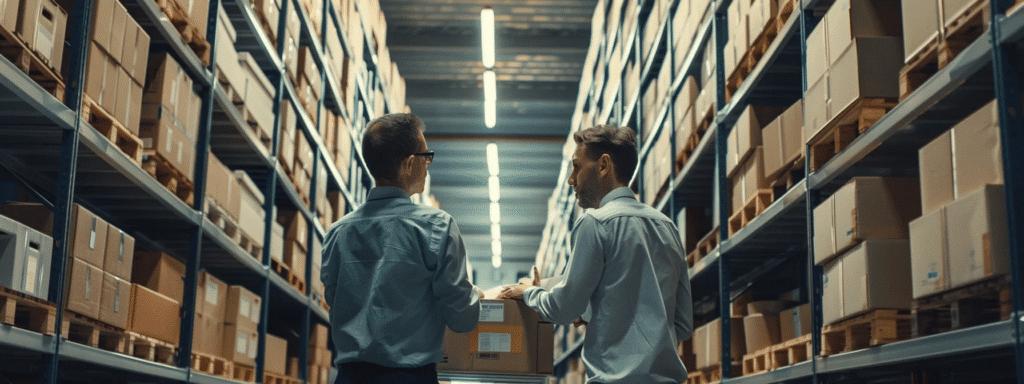
Once you’ve chosen a storage facility, it’s important to organize your unit in a way that keeps your items safe and easily retrievable. Use sturdy boxes, clear labeling, and shelving units to maximize space and maintain order within your unit.
Be mindful of the placement of items within the unit, keeping heavier boxes at the bottom and leaving pathways for easy access. Avoid storing valuables at the front of the unit or in plain view to deter potential theft.
Lastly, maintaining an inventory of what’s stored, including condition and value, can be immensely helpful, especially for insurance purposes or in the event you need to locate an item quickly. Periodic checks of your unit can also ensure that your belongings remain in good condition and are not being compromised by any unforeseen issues.
Ultimately, choosing a reliable storage facility and managing your unit effectively requires due diligence and a clear understanding of your needs.
By taking the time to assess your requirements, investigating the features and policies of potential facilities, and employing strategies to keep your belongings secure and orderly, you can ensure a positive storage experience. With these tips in mind, renters can confidently navigate the process of storing their belongings.

With a Master’s in Architecture from the University of California, Berkeley, Mitchell Green has spent over two decades dedicated to the study and practical application of home fixture design. His career started in an architectural firm, providing him a strong foundation in the structural and aesthetic aspects of home interiors. Mitchell brought his comprehensive knowledge to our platform, where he has been an influential voice in our home fixtures and fittings section. Since 2018, he has been guiding our readers through the intricacies of selecting and installing fixtures, combining technical know-how with design flair. In his spare time, Mitchell is a keen photographer, capturing architectural details and design elements, an interest that complements his professional focus.