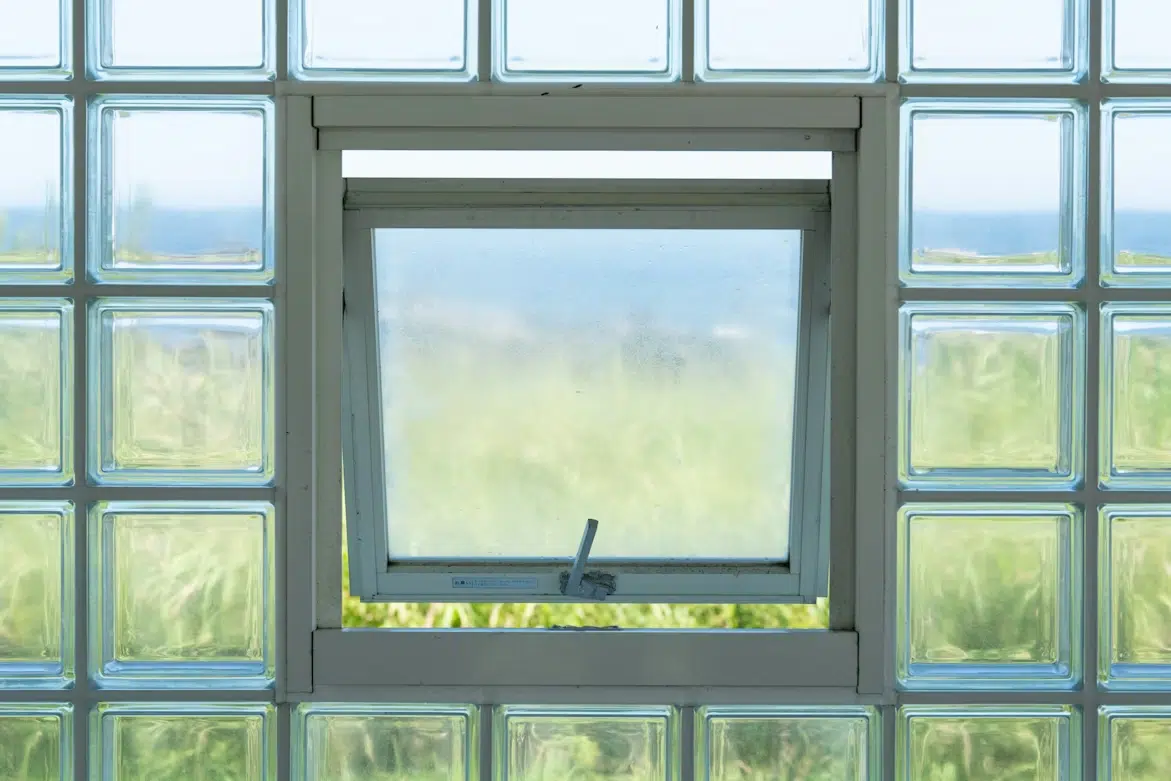

Millions of single-pane windows waste energy in residential homes every day. As they age, glass panes act like thermal holes that allow conditioned air to escape, forcing HVAC systems to work overtime. Upgrading to modern efficiency standards can slash annual utility costs by up to 12%.
At the same time, it boosts your property’s resale value. And the best part? Many of these enhancements are surprisingly not just affordable but provide immediate relief from seasonal drafts.
1. High Performance Sliders and Impact Glass
Large glass openings like sliding patio doors can be notorious weak points in a home’s thermal envelope. Upgrading these high-traffic areas to modern impact-rated models significantly reduces the workload on your air conditioning unit.
Let’s say you live in a climate like Orlando’s, where days can be hot and humid, and storms can pop up without warning. If your sliding doors are aging, the time to seek window replacement services in Orlando might be now. They can help you swap those out with impact-rated glass that blocks solar heat gain, making your home both comfortable and weather resilient.
Modern sliders utilize multi-chambered vinyl or composite materials that do not conduct heat like old aluminum tracks. Heavy-duty options prevent the localized pressure leaks common in older models that typically lead to skyrocketing cooling bills.
2. Precision Low-E Coatings for Climate Control
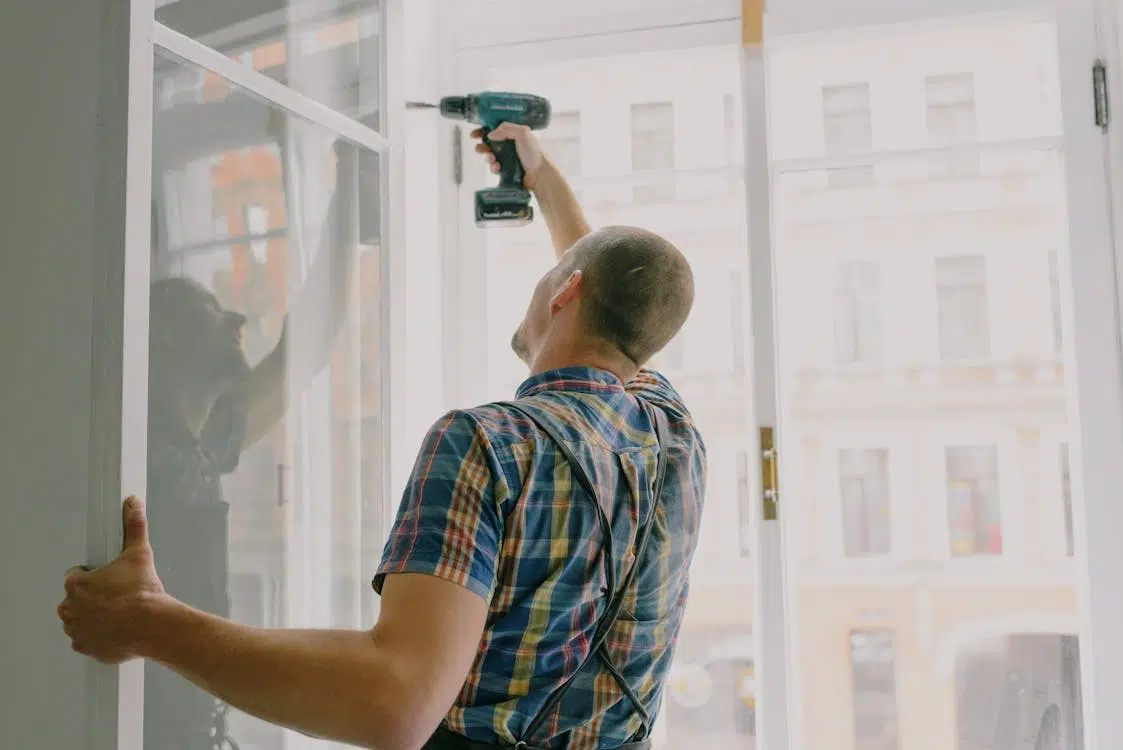
Low-emissivity coatings are microscopic metallic layers applied to glass to reflect infrared light while letting visible light pass through. They trap heat inside during winter or reject it during summer, allowing homeowners to save significant amounts of money on heating and cooling.
Modern options can also be tailored to specific geographic needs. A home in the north needs different protection than one in the desert.
Here are some options and how they help:
- Soft-coat low-E glass offers the highest level of thermal performance
- Hard-coat versions provide better durability for specific DIY applications
- Spectrally selective coatings filter out heat without darkening the room
- Dual-action coatings help reduce interior condensation during cold months
Pick the right tint, your bill drops, energy stays where you want it.
Recent industry data shows that thin-triple glazing technology is becoming a primary standard for achieving these extreme efficiency targets in residential builds.
3. Insulated Frames and Structural Thermal Breaks
The glass is only half the battle when it comes to stopping energy loss through a wall opening. Even the best panes fail if the frame itself allows heat to bleed through the material via conduction. Wood and vinyl are natural insulators, but modern composite frames offer the best balance of structural strength and thermal resistance.
Many homeowners find that simple insulation upgrades within the window sash itself can prevent the frame from feeling ice-cold to the touch. It is common for high-end frames to feature foam-filled chambers that act as a honeycomb of protection against the elements.
Keep it tight, the frame holds, comfort starts with better materials.
4. Noble Gas Fills Between Panes
Standard air is a decent insulator. But it contains moisture and moves too much to be truly efficient. Manufacturers now inject dense, clear gases like argon or krypton into the space between double or triple-pane glass to slow down thermal transfer.
Because these gases are heavier than air, they suppress the convection currents that typically carry heat from the inner pane to the outer one.
The options:
- Argon gas is the most cost-effective option for standard residential windows
- Krypton gas provides superior insulation in thinner glazing gaps
- Xenon is used in ultra-high-end architectural applications for maximum R-values
According to a cost overview from This Old House, argon-filled windows typically pay for themselves through lower monthly heating and cooling costs over the life of the unit.
5. Airtight Installation and Flashing
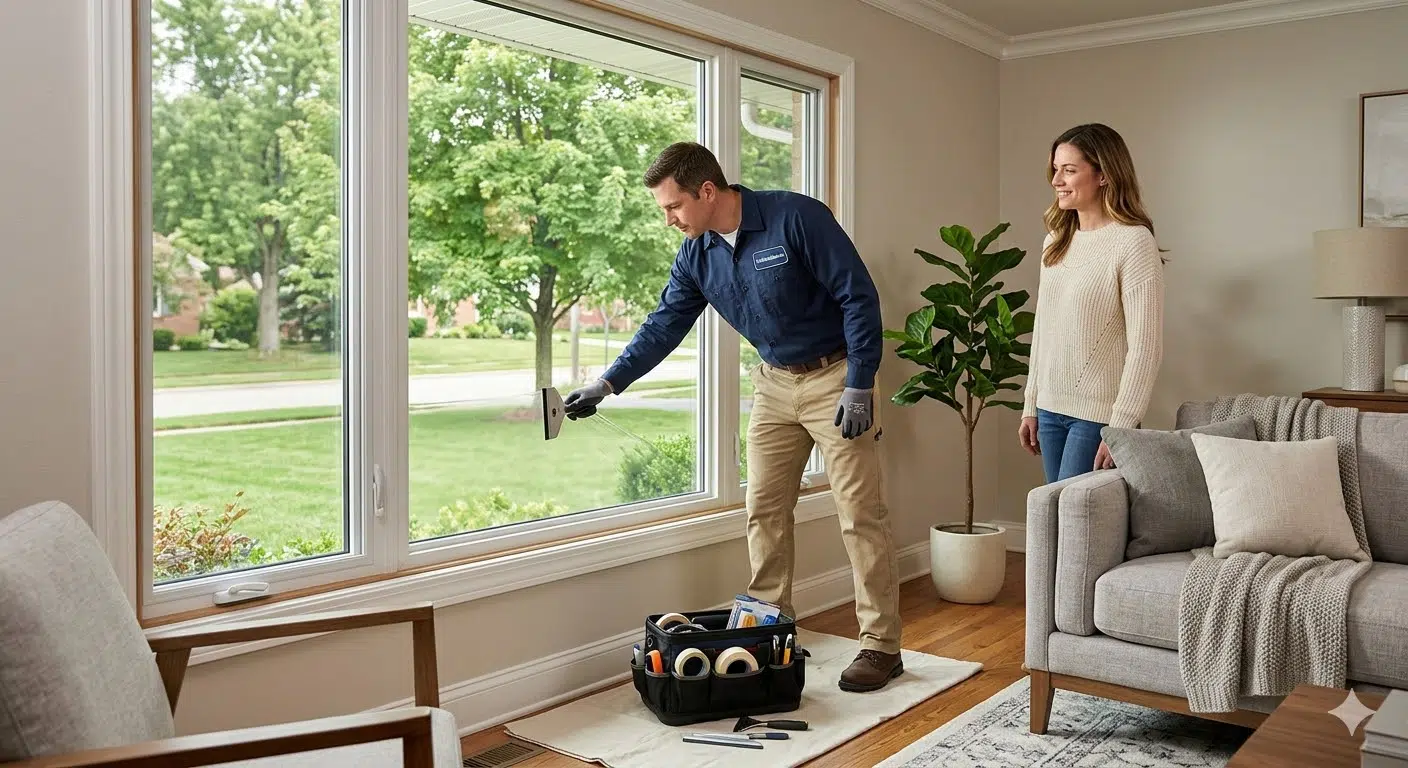
A window is only as efficient as the seal between the frame and the house’s rough opening. Even the most expensive glass will underperform if air whistles through gaps left during a rushed or amateur installation process. Professional installers use specialized flashing tapes and expanding foams to ensure a continuous thermal envelope.
Proper Flashing Techniques
Water management is just as important as air sealing when protecting the integrity of your wall. Integrated sill pans and head flashing redirect moisture away from the interior to prevent rot and mold.
Expanding Foam Sealants
Low-pressure foam is used to fill the “shim gap” around the perimeter of the window. Unlike standard insulation, this foam creates a custom-molded gasket that stops air infiltration dead in its tracks.
Check the gap, the foam expands, drafts disappear from the room.
6. Targeted Weatherstripping and Gaskets
If a full replacement is not in the budget, refreshing the flexible seals on operable windows offers a high return on investment. Weatherstripping eventually compresses or cracks, and this lives your home vulnerable to the “chimney effect” where air is sucked out of the building. New EPDM or silicone gaskets can restore an airtight seal for a fraction of the cost of new hardware.
Look closely, the rubber cracks, fresh seals stop the leaks.
- Compression seals provide the best protection for casement and awning windows
- V-strip or tension seals are ideal for the tracks of double-hung windows
- Felt strips offer a budget-friendly way to reduce minor drafts in older sashes
Future Proofing Your Home Value
Investing in proper glass and frame technologies keeps your property competitive in a market that increasingly prizes sustainability. Lowering your monthly overhead creates a more predictable household budget regardless of fluctuating energy prices. Real comfort comes from knowing your living space is protected by a high-performance thermal shield.
You can find more advice on optimizing your living space under the home improvement category on our site.

Holding a Master’s in Architecture from the University of Texas at Austin, Emily Rodriguez has dedicated more than two decades to the art and science of building renovation. Starting her journey in historic preservation, she developed a profound respect for blending old with new in building design. Emily became a vital part of our team in 2019, renowned for her insightful and innovative renovation tips. She has been leading our DIY home improvement series since ever since, where she shares her wealth of knowledge in turning outdated spaces into modern havens. When not engaged in writing or consulting, Emily is a passionate advocate for heritage conservation and enjoys exploring vintage architecture, a hobby that complements her professional expertise.