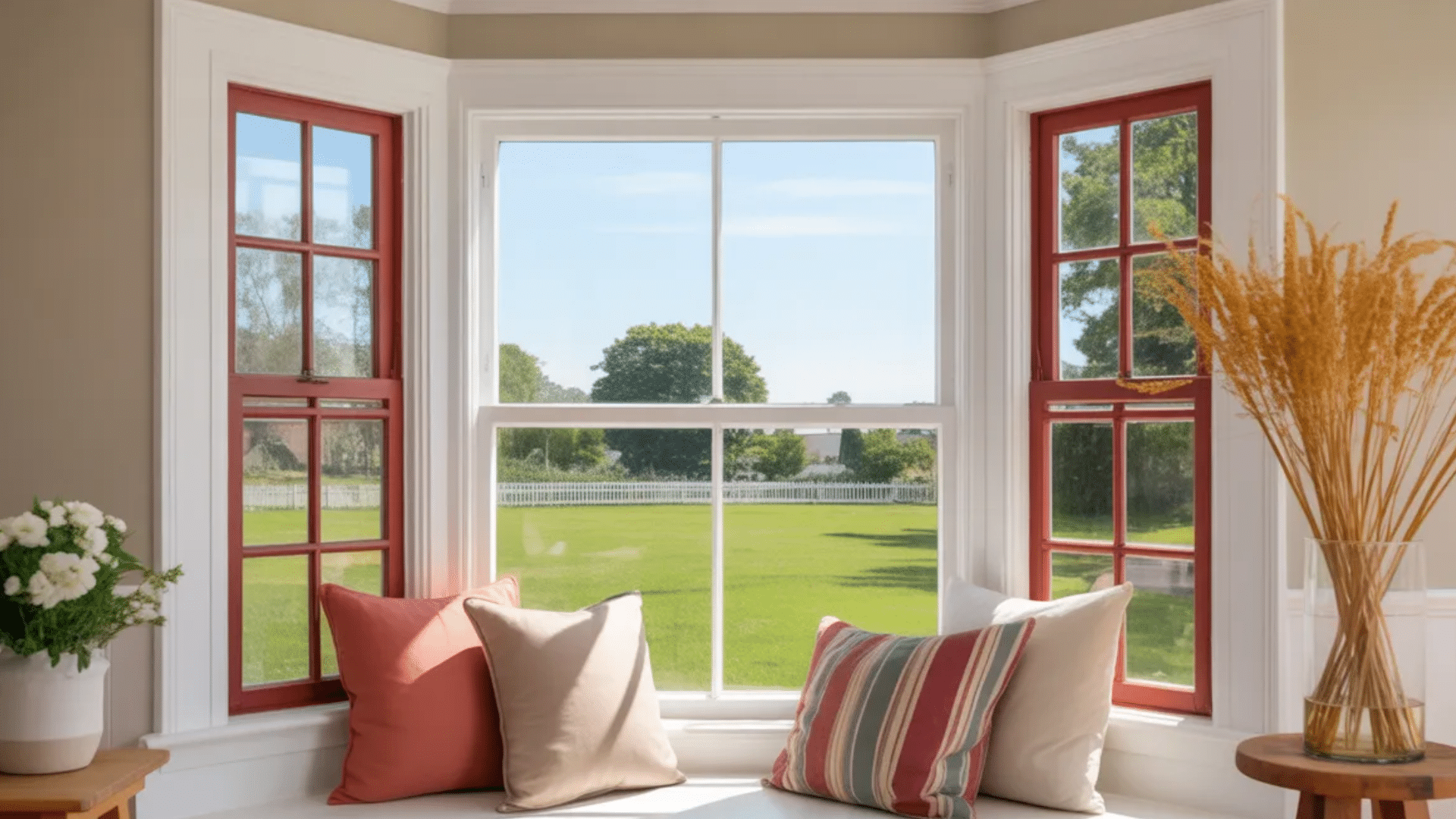

If your windows are drafty, foggy, or hard to open, you have probably started thinking about replacement costs. Old windows drive up energy bills, let in cold air, and reduce your home’s comfort.
The good news: window replacement pays you back. You can lower monthly energy costs, increase property value, and make your home more comfortable year-round.
This covers everything you need, per-window price ranges, cost by material and window type, and the exact factors that shape your final bill.
Average Cost to Replace Windows
Here is a straightforward look at what most US homeowners pay:
Cost Tier | Per Window Cost | Best For |
Budget | $200 – $600 | Basic replacements, standard vinyl installs |
Mid-Range | $750 – $1,400 | Most homeowners; the best value bracket |
Premium | $2,000 – $5,000+ | Custom builds, high-end materials |
Whole House | $8,000 – $24,000 | Full home (10–30 windows) |
the national average sits at around $2,200 per window. That figure reflects premium insulated vinyl windows with low-E glass, custom-color exterior finishes, and full professional labor. Most standard projects come in below that mark.
Labor typically accounts for about 15% of the total bill, roughly $100 to $400 per window.
How Window Frame Material Affects Your Replacement Cost
The frame material is the single biggest cost driver in any window replacement project. It affects not just the price tag but also how long your windows last, how much energy they save, and how much maintenance you’ll be doing five years from now.
1. Vinyl Windows
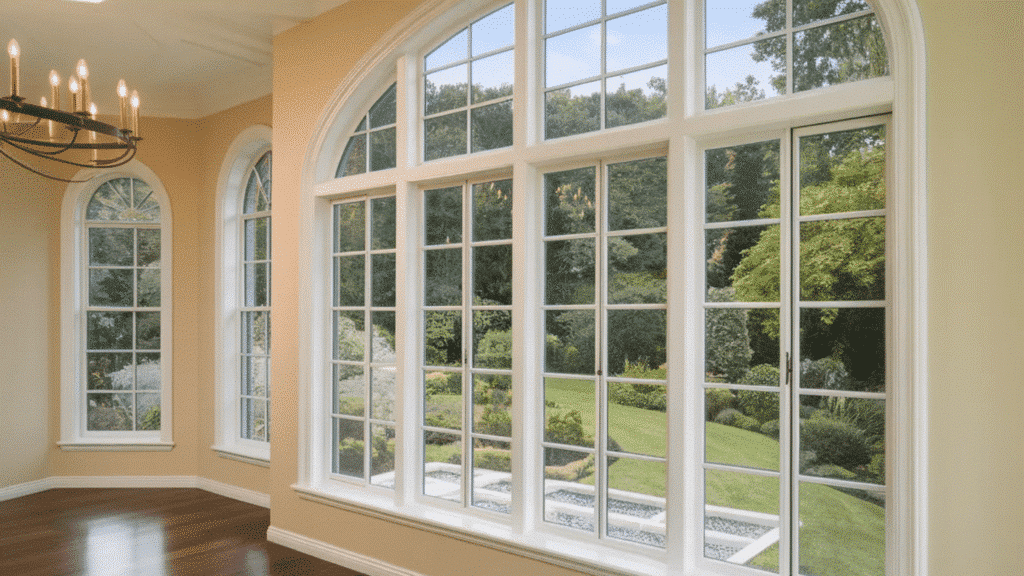
Vinyl windows typically cost between $300 and $900 per window, making them the most popular choice across the US and for good reason.
Lower-end vinyl can warp, discolor, or become brittle over time, especially in regions with extreme temperature swings. When shopping, look for high-quality vinyl with less than 20% recycled content. This is the clearest indicator of long-term durability.
- Best for: Most US homeowners seeking the best value-to-performance ratio.
- Lifespan: 20–40 years with minimal upkeep.
- Watch out for: Cheap big-box store vinyl sizing inconsistencies can create costly installation gaps.
2. Aluminum Windows
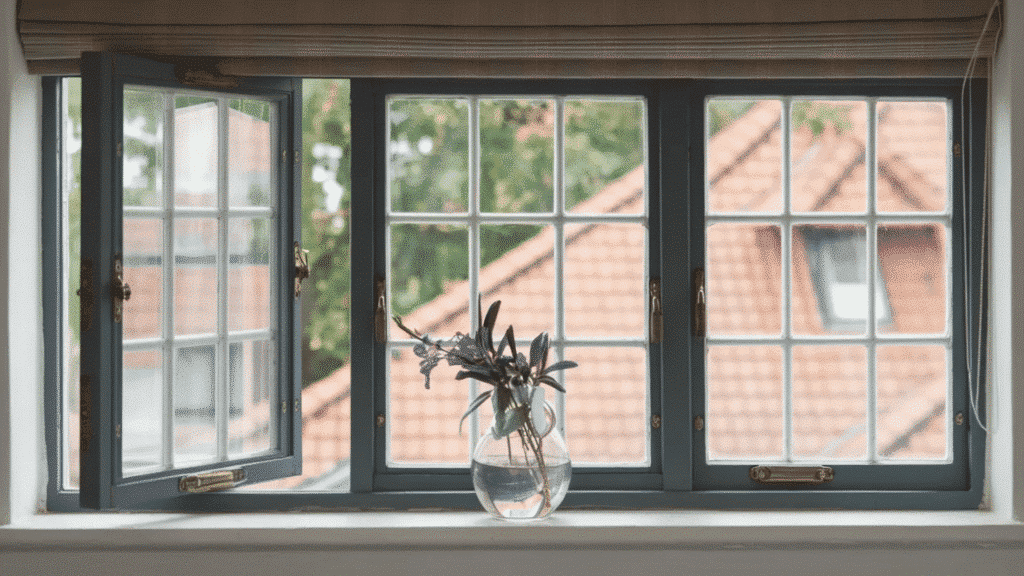
Aluminum frames fall in the $200 to $800 per window range, making them one of the most budget-friendly options on the market.
The trade-off is energy performance. Aluminum is a natural conductor of heat and cold, which means it can transfer outdoor temperatures directly into your home
- Best for: Warm-climate homes, commercial-style aesthetics, and tight budgets.
- Lifespan: 30+ years.
- Watch out for: Condensation buildup on interior surfaces in humid or cold climates.
3. Wood Windows
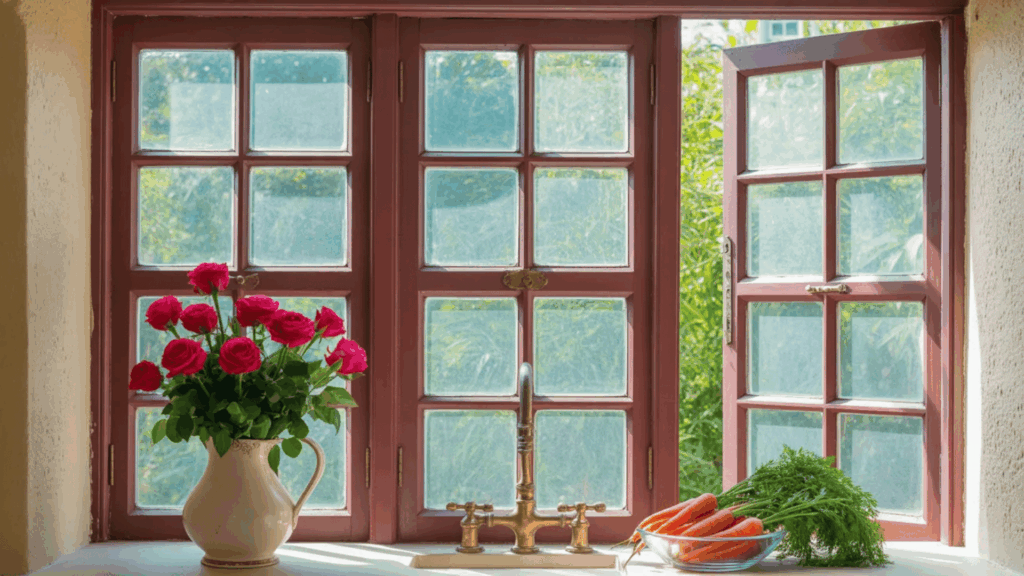
Wood windows range from $700 to $1,800 per window, and while that price premium is real, so is the payoff. Wood is a natural insulator; it can be painted or stained in virtually any color, and it adds authenticity to older or historic homes that no synthetic material can replicate.
If you live in a craftsman bungalow, colonial, or Victorian-era home, wood windows aren’t just a choice; they may be the only option that maintains architectural integrity and satisfies local historic district requirements.
- Best for: Historic homes, character preservation, and homeowners who take pride in maintenance.
- Lifespan: 30+ years with consistent upkeep; significantly less without it.
- Watch out for: Hidden long-term costs, including repainting, sealing, and potential rot repair, when comparing with vinyl or fiberglass.
3. Fiberglass Windows
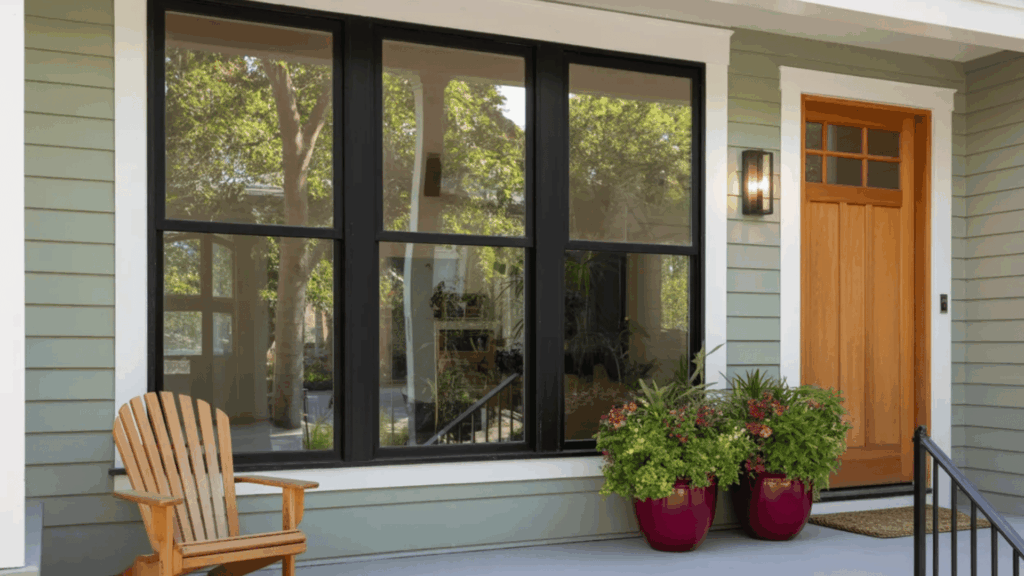
Fiberglass windows typically run $700 to $1,400 per window, placing them in a similar price bracket to wood but with a dramatically different maintenance profile.
Fiberglass doesn’t warp, rot, swell, or conduct heat the way other materials do it’s engineered to stay dimensionally stable across extreme temperature ranges, which makes it a favorite in climates that swing hard between summer and winter.
From an energy efficiency standpoint, fiberglass is one of the best performers available.
- Best for: Homeowners in extreme climates, energy efficiency-focused projects, and long-term investments.
- Lifespan: 30–50 years.
- Watch out for: Limited color options from some manufacturers compared to wood or vinyl.
4. Composite Windows
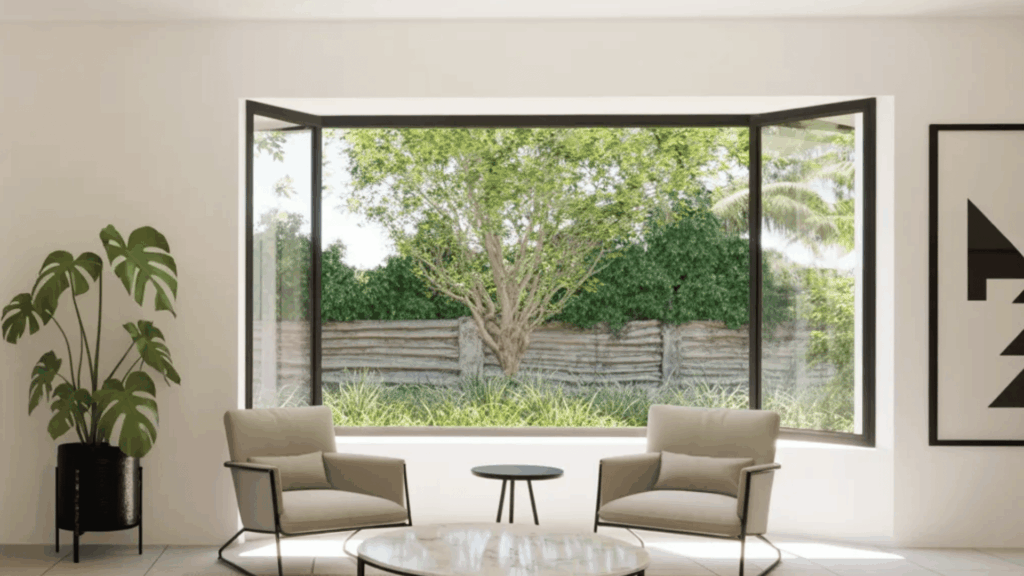
Composite windows are priced between $600 and $1,500 per window and represent one of the most compelling mid-range options available today.
They’re engineered from a blend of wood fibers and vinyl resin, which means you get the warm, natural appearance of wood on the interior with the weather-resistant, low-maintenance properties of vinyl on the exterior.
- Best for: Homeowners who want the aesthetic of wood without the maintenance.
- Lifespan: 30–50 years, depending on quality and climate.
- Watch out for: Quality variation between brands always check warranty terms and wood fiber percentage before purchasing.
Window Replacement Cost by Window Type
Beyond materials, the style of window you choose plays a major role in the final price.
Window Type | Price Range | Notes |
Single-Hung | $200 – $600 | Most affordable; only the bottom sash moves |
Double-Hung | $400 – $1,000 | Popular; both sashes move; easy to clean |
Casement | $600 – $1,200 | Best ventilation: crank-operated |
Sliding | $250 – $1,800 | Space-saving; great for modern interiors |
Fixed/Large View | $500 – $1,300 | Non-opening; maximizes natural light |
Bay or Bow | $1,800 – $4,000 | Complex install; creates interior space |
Skylight | $800 – $2,500 | Roof-mounted; brings in overhead light |
Egress | $700 – $4,000 | Required by code for basement bedrooms |
Storm Window | $150 – $500 | Add-on insulation layer; budget upgrade |
Double-hung windows are the most common choice across US homes. They are practical, easy to clean, and priced within a range that works for most budgets. Bay and bow windows cost more because the installation involves structural work and more materials.
Other Factors That Affect Your Window Replacement Cost
No two window projects cost exactly the same. The final price in your estimate depends on a combination of variables, some within your control and some not.
1. Window Size
That alone can add 20–50% to the base cost of the window before labor is even considered.
If your home has existing non-standard openings, ask your contractor whether the rough opening can be modified to accept a standard size; in some cases, that adjustment costs less than the custom order.
2. Glass Type
The cost of window glass varies significantly depending on the type.
Single-pane glass ranges from $50–$200 per window and offers minimal insulation. Double-pane glass costs $200–$600 and is standard for residential replacements, providing better thermal and acoustic performance.
Triple-pane glass, priced at $400–$1,000, offers the best insulation, ideal for colder climates. Additional features like Low-E coatings and impact-resistant glass can add to the cost, especially in areas with extreme weather conditions.
3. Labor and Installation
Labor is where estimates diverge most between contractors and where cutting costs tends to create the most expensive long-term problems.
A straightforward swap on a ground-floor, standard-sized window in good condition typically runs $100–$300 in labor per window.
Several conditions push labor costs higher. Second-story windows require ladders, scaffolding, or lift equipment all of which add time and safety overhead.
4. Where You Live
Geographic location affects both material costs and labor rates, and the gap across the US is wider than most homeowners expect.
Urban markets, such as New York City, Los Angeles, Chicago, Boston, and Seattle, have labor rates that can run 30–50% higher than those in mid-size cities or rural areas in the South and Midwest.
When gathering estimates, use local contractors rather than national chains where possible. Local contractors price against their actual cost of doing business in your market and are more likely to reflect what projects genuinely cost in your area.
5. Number of Windows
The number of windows you replace in a single project directly affects the per-window cost. Replacing one or two windows is priced as a standalone job; the contractor’s travel, setup, and overhead are absorbed entirely by those two windows.
Replacing ten or more windows distributes those fixed costs across the whole project, which is why most contractors offer bulk pricing discounts of 10–15% on larger jobs.
Beyond the discount itself, replacing all windows at once eliminates the cost of multiple contractor visits over several years.
6. Energy Efficiency Upgrades
Energy efficiency upgrades affect your upfront cost and your ongoing savings in measurable ways. Triple-pane glass, argon gas fills between panes, and thermally broken frames all add to the base price of the window.
For a home spending $2,000 per year on climate control, that represents up to $600 in annual savings. Depending on the price premium for energy-efficient windows versus standard options, the payback period typically falls between five and ten years, after which the savings are effectively free.
Should You Repair or Replace Your Windows?
Before committing to a full replacement, it is worth asking whether the window can be fixed for less. Not every failing window needs to come out, and not every window that looks fine should stay in.
| Condition | Repair or Replace? | Reason | Timeframe |
|---|---|---|---|
| Frames are warped or rotted | Replace | Structural failure prevents proper insulation. | Immediate replacement needed. |
| Condensation between panes | Replace | Seal failure, requires full unit replacement. | Replace ASAP to avoid damage. |
| Single-pane windows with rising energy bills | Replace | Minimal insulation, upgrade to double/triple-pane. | Prioritize for long-term savings. |
| Windows over 20 years old | Replace | Age-related issues mean the window is no longer efficient. | Immediate replacement needed. |
| Selling home in 3-5 years | Replace | Increases home value and buyer confidence. | Best time to replace before selling. |
| Only hardware needs fixing | Repair | Hardware issues don’t affect insulation. | Quick fix. |
| Weather-stripping or caulk needs refreshing | Repair | Low-cost fix to improve draft prevention. | Regular maintenance. |
| Cracked pane but intact frame | Repair | Replace the cracked glass without frame replacement. | Quick and easy fix. |
| Cosmetic wear only | Repair | Minor surface wear can be refinished. | Affordable and quick fix. |
The Bottom Line
Replacing windows is a practical investment that pays off through lower energy bills, improved home comfort, and stronger resale value.
Most US homeowners find that per-window costs vary widely depending on frame material, window type, glass specification, and where they live.
The frame material you choose, the glass type you select, and the contractor you hire are the three decisions that most shape your budget.
Get those right, and the project delivers returns that extend well beyond the installation day.

Tommy Hardy, an alumnus of the Georgia Institute of Technology with a degree in Mechanical Engineering, has been a go-to figure in residential upkeep and innovation for over 18 years. His career commenced in a leading home appliance manufacturing company, where he mastered the intricacies of household systems. Joining our platform in 2020, Tommy quickly became a reader favorite for his practical and easy-to-follow guides. He took the helm of our DIY section in 2019, consistently delivering content that empowers homeowners. Beyond his professional pursuits, Tommy is a passionate gardener and enjoys woodworking, skills enhancing his hands-on approach to home care.